
Some Paris shops sell things. Astier de Villatte sells a tiny, slightly theatrical universe where a plate looks like it might have overheard palace gossip, a candle smells like a private memory, and a notebook seems too elegant for ordinary grocery lists. Located at the refined intersection of craft, fantasy, and French restraint, Astier de Villatte in Paris has become a cult stop for design lovers, tableware collectors, fragrance obsessives, and travelers who believe a souvenir should do more than say “I went there.” It should whisper, “I have taste, but I am trying not to brag.”
This shopper’s diary explores what makes Astier de Villatte Paris such a memorable destination: the handmade ceramics, the ghostly white glaze, the moody boutiques, the scented candles and incense, the printed books, and the strange little thrill of choosing one bowl as if selecting a character for your dining table. Whether you are planning a design-focused trip to Paris or simply dreaming from your sofa with coffee in hand, here is an in-depth guide to the Parisian ceramics house that turns everyday objects into poetic companions.
What Is Astier de Villatte?
Astier de Villatte was founded in 1996 by Ivan Pericoli and Benoît Astier de Villatte, two artists who transformed an experiment in clay into one of Paris’s most recognizable artisanal design houses. The brand is best known for handmade ceramics inspired by 18th- and 19th-century French tableware, yet its world has expanded far beyond plates and cups. Today, Astier de Villatte creates ceramics, candles, incense, colognes, stationery, books, furniture, and collaborations with artists and designers.
The house’s signature look is easy to recognize: milky white glaze over black terracotta clay, with subtle irregularities that make every piece feel alive. A cup may lean a little. A plate may have a rim that looks gently waved by time. A bowl may appear delicate enough for a duchess and sturdy enough for soup. That tension is the charm. Astier de Villatte tableware is elegant but not stiff, luxurious but not shiny in the obvious way, old-world but unmistakably modern.
The Paris Shops: Rue Saint-Honoré and Rue de Tournon
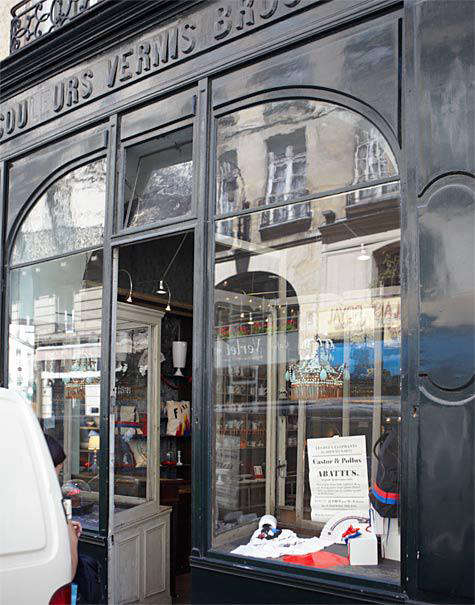
The best way to understand Astier de Villatte in Paris is to visit one of its boutiques. The most famous address is 173 rue Saint-Honoré, 75001 Paris, near the Louvre and Palais Royal. It is the kind of location that makes even window-shopping feel like a cultural activity. The shop’s dark green storefront, almost black in some light, gives it the air of a business that has been there forever, despite the brand’s relatively young history.
The second Paris boutique, at 16 rue de Tournon, 75006 Paris, sits on the Left Bank in Saint-Germain-des-Prés. Opened in a former bookstore, it adds another layer to the Astier de Villatte story: literature, scent, ceramics, and Parisian atmosphere all occupying the same room like well-dressed dinner guests. Both shops usually operate Monday through Saturday, 11 a.m. to 7 p.m., though shoppers should always confirm hours before making a pilgrimage.
Why the Rue Saint-Honoré Shop Feels So Special
The Rue Saint-Honoré boutique is compact, layered, and full of visual drama. It is not a minimalist white-box store where objects sit lonely under museum lighting. Instead, it feels like a cabinet of curiosities curated by someone with a weakness for candlelight, antique dishes, typography, and beautifully odd ideas. Shelves are packed with plates, cups, bowls, notebooks, incense boxes, and fragrance objects. The effect is part apothecary, part artist’s studio, part aristocratic attic discovered after a very chic earthquake.
For shoppers, this matters because Astier de Villatte ceramics are deeply tactile. They reward being seen in person. The handmade surfaces, the weight, the thinness, the way the black clay sometimes peeks through the white glazethese are details that product photos can only politely suggest. In the boutique, you can compare a saucer’s edge, hold a cup, and decide whether you are a “small plate for olives” person or a “large platter because life is short” person.
The Ceramics: Handmade, Imperfect, and Completely Addictive
The heart of Astier de Villatte Paris is its ceramics. Each piece is handmade in Paris using techniques that modernize the tradition of old Parisian manufactures. The result is not factory-perfect tableware. It is not meant to be. Astier de Villatte plates and bowls have charming asymmetry, slight variations in glaze, and a hand-shaped quality that gives them personality. One could call them imperfect, but that feels rude. Better to say they have excellent manners and interesting secrets.
The brand’s classic white ceramics work beautifully because they are neutral without being boring. They pair with antique silver, linen napkins, flea-market glasses, grocery-store flowers, roast chicken, black coffee, or emergency takeout eaten on a Wednesday night. This is one reason collectors love them: the pieces can look formal or casual depending on the table around them.
What to Buy First
If you are new to Astier de Villatte, begin with a small piece that you will actually use. A mug, cereal bowl, dessert plate, or incense holder offers an easy entry point. A single cup can become a morning ritual. A small plate can make toast look as if it has a stylist. A candle can bring the brand’s atmosphere home without requiring you to wrap ceramics in three scarves and pray to the luggage gods.
For serious collectors, larger platters, serving bowls, sculptural vases, and special collaborations are the treasures to watch. The John Derian collaborations, for example, combine Astier de Villatte’s ceramic forms with Derian’s decoupage-inspired imagery, creating pieces that feel both Parisian and fantastical. They are not shy objects. They enter a room with a story already prepared.
Candles, Incense, and the Scent of a Parisian Mood
Astier de Villatte is also famous for home fragrance. Its candles and incense are not generic “fresh linen” affairs. They are often named after cities, streets, monuments, or imaginary journeys, with scents developed in collaboration with notable perfumers, including Françoise Caron. The fragrances are designed to feel evocative rather than loud. They do not barge into the room wearing too much perfume. They drift in, rearrange the mood, and somehow make your coffee table look smarter.
The Rue Saint-Honoré candle is especially fitting for a shopper’s diary because it translates the boutique’s Parisian atmosphere into scent. Notes associated with the fragrance include floral, powdery, amber, leather, and musky qualities, creating the impression of an old street, an elegant shop, and the mysterious optimism of buying something fragile abroad.
Incense is another excellent purchase for travelers. It is light, packable, and instantly atmospheric. A box of Astier de Villatte incense can make a tiny apartment feel like a Left Bank salon, or at least like you cleaned before guests arrived. That counts.
Stationery, Books, and the Letterpress Obsession
One of the most appealing things about Astier de Villatte is that the brand does not stop at ceramics. It also maintains a strong connection to printing, books, and paper goods. The house is associated with a traditional typographic printing press near Paris, preserving letterpress techniques in a world that often treats paper as an inconvenience between screens.
The best-known example is Ma Vie à Paris, the brand’s highly personal guide to the city. Rather than offering a predictable checklist of monuments and macarons, the guide reflects the founders’ deep interest in craftsmanship, hidden addresses, old shops, restaurants, theaters, bookstalls, florists, and places with soul. It is a guide for people who want Paris to feel discovered rather than consumed.
For shoppers, this matters because it explains the larger Astier de Villatte mindset. The brand is not simply selling a bowl. It is selling a way of noticing: the old sign above a doorway, the handmade glaze, the scent of incense in a narrow shop, the pleasure of a printed page, the beauty of objects that refuse to behave like disposable things.
How to Shop Astier de Villatte in Paris Without Losing Your Mind
Astier de Villatte is beautiful, but it is not inexpensive. Handmade ceramics from a Paris atelier cost more than mass-produced tableware, and the prices can make first-time shoppers blink twice. That is normal. This is a place to shop slowly. Do not panic-buy a cake stand because the lighting made you emotional. It happens. Breathe.
Set a Budget Before You Enter
Before stepping into the boutique, decide whether you are there for a small souvenir, one investment piece, or a full tableware fantasy. A clear budget protects you from the classic Paris shopping spiral: “I only came in for incense” becoming “Perhaps I am the kind of person who owns twelve handmade dinner plates.” Maybe you are. But let your bank account participate in the conversation.
Ask About Packing
If you buy ceramics, ask the staff to pack them carefully for travel. Fragile purchases deserve serious wrapping, especially if they are crossing oceans in a suitcase that will be handled by people who do not share your emotional bond with a salad bowl. If you are buying several pieces, consider whether shipping is available or practical.
Mix, Do Not Match
The beauty of Astier de Villatte tableware is that it does not demand a perfectly matched set. In fact, it often looks better mixed. One platter, two mugs, a patterned collaboration plate, and a simple white bowl can create a table that feels collected over time. This is convenient if your budget says “one plate” while your heart says “dinner service for twelve.”
Nearby Paris Stops for a Design-Lover’s Day
The Rue Saint-Honoré boutique sits in one of the most rewarding areas for a design-focused walk. After visiting Astier de Villatte, you can wander toward Palais Royal, browse nearby galleries and boutiques, or pause for coffee and pretend you are deciding whether to move to Paris, even though your plants at home would object.
The Left Bank shop on Rue de Tournon pairs beautifully with a Saint-Germain afternoon. Think bookstores, cafés, Luxembourg Garden, antique shops, and streets that make comfortable shoes feel like a wise life choice. Astier de Villatte fits naturally into this neighborhood because it shares Saint-Germain’s best qualities: intelligence, craft, history, and just enough theatricality to keep things interesting.
Why Design Lovers Keep Returning
Astier de Villatte has become a repeat destination because it offers something rare: objects with continuity. The ceramics feel linked to old French tableware, but they are not reproductions in the dull sense. The candles suggest travel without turning scent into a postcard. The notebooks and books preserve printing traditions while remaining useful. The boutiques themselves feel like places where the past is not frozen but actively rearranged.
This is why Astier de Villatte appeals to interior designers, stylists, chefs, collectors, and everyday shoppers with dangerous affection for beautiful cups. Its pieces photograph well, yes, but they also age well. They belong in rooms with books, flowers, old wood, marble counters, flea-market chairs, and slightly chaotic dinner parties where someone spills wine and everyone survives.
Experience Notes: A Longer Shopper’s Diary From Paris
Visiting Astier de Villatte in Paris is not like walking into a normal home store. It is closer to entering the private supply room of an eccentric countess who enjoys incense, typography, and excellent table settings. The first sensation is usually scent. Even before your eyes settle on the ceramics, the air announces that you have crossed into a more deliberate world. There may be notes of smoke, powder, wood, flowers, or amber. Whatever the exact fragrance, it gently suggests that your current home could use more atmosphere and possibly fewer plastic containers.
Then comes the visual adjustment. The boutique is layered, not loud. White ceramics glow against darker shelves. Small cups gather in groups like polite guests at a cocktail party. Plates stack in uneven towers. Notebooks sit nearby, looking far too handsome for ordinary reminders such as “buy eggs.” You start by browsing casually, but soon you are comparing rims, glazes, and silhouettes with the seriousness of a museum curator who has had too much espresso.
The magic of shopping here is that every object seems to invite a small domestic fantasy. A bowl becomes Saturday breakfast with berries. A platter becomes roast chicken with friends. A candle becomes a rainy evening with a novel, even if your real evening includes laundry and an email you have been avoiding. Astier de Villatte understands that home goods are never just home goods. They are props for the life we are trying to stage, and occasionally for the life we are trying to trick ourselves into living.
One helpful strategy is to walk through the shop once without deciding. Let your eyes adjust. Pick up pieces only after you have seen the full range. The first object you love may not be the one you take home. Sometimes the quiet mug wins over the dramatic platter because it fits your morning routine. Sometimes the incense wins because your suitcase is already negotiating weight limits. And sometimes, despite your practical intentions, a plate with an irregular edge simply chooses you. Paris is like that. It encourages unreasonable but aesthetically defensible decisions.
Another memorable part of the Astier de Villatte experience is how personal the pieces feel. Because the ceramics are handmade, two examples of the same design can differ slightly. This makes shopping slower and more intimate. You are not just selecting “the bowl.” You are selecting your bowl, the one with the curve or glaze mark that feels right. It is a tiny act of attention, and in a city full of grand monuments, that small attention can be surprisingly satisfying.
Leaving the shop is its own ritual. The purchase, if you make one, is wrapped with care. You step back onto the Paris street carrying something delicate, suddenly aware of every curb, scooter, and swinging tote bag in the arrondissement. The city feels sharper. The souvenir is not a cliché but a memory with weight, texture, and maybe a faint trace of incense. Later, when you use the piece at home, you may remember the dark storefront, the stacked shelves, the soft white glaze, and the dangerous thought that perhaps one plate was only the beginning.
Final Thoughts: Is Astier de Villatte Worth Visiting?
Yes, especially if you love Paris shopping, handmade ceramics, French tableware, home fragrance, or boutiques with genuine personality. Astier de Villatte in Paris is not just a place to buy beautiful objects. It is a lesson in atmosphere, craft, and the pleasure of choosing slowly. The brand’s ceramics, candles, incense, stationery, and books all share a devotion to old techniques made fresh for modern life.
For travelers, the boutique offers a more meaningful souvenir than the usual airport purchase. For design lovers, it is a source of inspiration. For collectors, it is dangerous in the best possible way. And for anyone who has ever believed that a cup can improve a morning, Astier de Villatte is proof that sometimes the smallest objects carry the longest memories.
Note: This article is based on real publicly available information about Astier de Villatte, its Paris boutiques, handmade ceramics, home fragrance collections, publishing projects, and design reputation, rewritten in original editorial language for web publication.