Whether you are looking to sharpen your focus during a morning commute or find a relaxing way to unwind after a long day, word puzzle games offer the perfect blend of mental stimulation and entertainment. These games do far more than just pass the time; they serve as a dynamic workout for your brain, challenging your vocabulary, memory, and cognitive speed. While many people enjoy the classic appeal of crosswords, the modern digital landscape has introduced a wide array of engaging options, from complex logic puzzle games to those involving subtle hidden object discovery. In this guide, we will explore how you can leverage these linguistic challenges to boost your brain power, improve your concentration, and stay mentally agile. You will learn the science behind effective brain training, discover the best strategies to avoid cognitive plateaus, and find out how to build a routine that keeps your mind sharp and ready for any challenge.
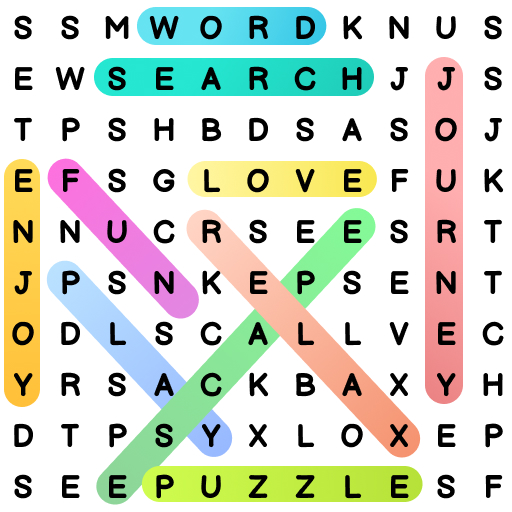
1. The Science and Benefits of Engaging with Word Puzzle Games
1.1 Understanding Cognitive Reserve and Neuroplasticity
1.1.1 How Word Games Stimulate Neural Pathways
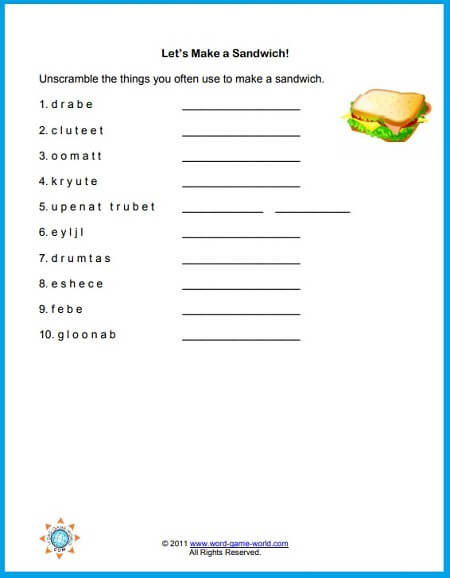
Engaging with word puzzle games is more than a simple pastime; it acts as a workout for your brain. When you solve an anagram or search for a hidden word, you are actively stimulating neuroplasticity—the brain’s remarkable ability to reorganize itself by forming new neural connections. These games challenge your linguistic processing centers, forcing the brain to retrieve information from long-term memory while simultaneously applying logic to organize those letters into coherent structures.
1.1.2 The Role of Pattern Recognition in Executive Function
Executive function refers to the mental skills that include working memory, flexible thinking, and self-control. Word games rely heavily on pattern recognition, which is a foundational element of these functions. By identifying prefixes, suffixes, and common letter clusters, your brain becomes more efficient at categorizing information. Over time, this improves your ability to switch tasks quickly and solve problems in real-world scenarios, much like the mental agility required in best free HTML5 games that demand quick decision-making.
1.1.3 Measuring the Impact of Mental Stimulation on Aging
Research into cognitive reserve suggests that regular, challenging mental activity may help buffer the brain against the effects of aging. By consistently engaging in complex word puzzles, you are essentially “building” a cognitive reserve. Think of this as a savings account for your brain; the more you invest in diverse, mentally taxing activities, the more resilience you create against potential cognitive decline, helping to keep your mind sharp well into later years.
1.2 Categorizing the Top Word Puzzle Games by Mental Benefit
1.2.1 Vocabulary Development Through Crosswords and Anagrams
Crosswords and anagrams are excellent for expanding your lexicon. They require you to retrieve nuanced definitions and manipulate word structures, which strengthens the connections between words and their meanings.
1.2.2 Logic and Deduction in Spelling Bee and Cryptic Puzzles
If you enjoy logic puzzle games, you will find that cryptic crosswords and daily spelling challenges offer a higher tier of difficulty. These puzzles require lateral thinking, as you must deduce answers from clues rather than just raw definitions.
1.2.3 Enhancing Focus and Processing Speed in Timed Challenges
Timed word games are designed to test your ability to maintain composure under pressure. By forcing your brain to process visual and linguistic data rapidly, these challenges improve your overall mental processing speed and concentration.
1.3 Essential Strategies for a Brain Healthy Gaming Routine
1.3.1 Avoiding Autopilot Mode by Increasing Puzzle Difficulty
The brain adapts quickly. If you only play puzzles that feel easy, you are essentially operating on autopilot. To reap the benefits, you must continuously challenge yourself with higher difficulty levels or new formats, ensuring your neurons remain active and engaged.
1.3.2 The Benefits of Rotating Game Genres to Avoid Cognitive Stagnation
Just as athletes cross-train to build different muscle groups, you should rotate through various linguistic and logic-based genres. Mixing word puzzles with lateral thinking riddles or hidden object discovery tasks ensures that you are training diverse areas of the brain, such as spatial awareness and deductive reasoning.
1.3.3 Recommended Daily Time Limits for Optimal Brain Function
Quality beats quantity. While it is tempting to spend hours scrolling through apps, most research suggests that 15 to 30 minutes of focused, high-effort play is superior to hours of mindless clicking. Set a timer to ensure you remain intentional, preventing mental fatigue while maximizing the neuro-cognitive benefits.
2. Advanced Techniques and Holistic Approaches to Word Puzzle Games
2.1 Integrating Lifestyle Factors for Superior Cognitive Performance
Engaging with word puzzle games is most effective when viewed as one component of a broader, brain-healthy lifestyle. Much like physical muscles, your cognitive faculties thrive when supported by consistent, holistic wellness habits.
2.1.1 The Synergy Between Physical Exercise and Mental Agility
Physical activity increases blood flow to the brain, delivering essential oxygen and nutrients that support neurogenesis. When you pair a regular exercise routine with daily sessions of logic puzzle games, you create a dual-impact effect. Research suggests that cardiovascular exercise enhances executive function, making it easier for the brain to switch tasks and process complex linguistic information rapidly.
2.1.2 How Quality Sleep Enhances Problem Solving Capability
Sleep is the period when your brain consolidates information and clears out metabolic waste. If you find yourself hitting a wall with a difficult crossword or a challenging set of lateral thinking riddles, it may be a sign that you are sleep-deprived. Quality rest optimizes your working memory, which is the primary tool used to hold multiple word definitions and patterns in your mind simultaneously.
2.1.3 Mindfulness Practices to Improve Puzzle Solving Concentration
Distraction is the enemy of deep linguistic work. Mindfulness meditation helps you build the internal quiet necessary to focus on singular, complex tasks. By training your brain to stay present, you reduce the time lost to mental wandering, allowing you to identify hidden object discovery elements or word connections that would be overlooked during high-stress states.
2.2 Transitioning from Casual Play to Advanced Linguistic Mastery
Once you have mastered the basics of mobile apps, you can push your cognitive limits by evolving your habits and embracing more challenging environments.
2.2.1 Moving from Mobile Apps to Complex Pen and Paper Formats
While digital interfaces are convenient, high-level print puzzles—like those found in specialized cryptics or deep-cut literary magazines—require a different kind of persistence. Transitioning to paper demands a slower, more deliberate analytical process. For those looking to broaden their gaming horizons, you might also find value in exploring diverse casual gaming experiences to keep your reflexes sharp outside of purely linguistic domains.
2.2.2 Learning New Languages Through Advanced Word Puzzles
Attempting to solve puzzles in a second or third language is arguably the most effective way to force your brain to create new neural pathways. It shifts your focus from simple pattern recognition to deep structural understanding of syntax and etymology.
2.2.3 Boosting Analytical Skills by Constructing Your Own Puzzles
The best way to understand how a puzzle works is to build one yourself. Constructing an original word grid forces you to reverse-engineer the logic, demanding high-level executive function and foresight that playing simply cannot replicate.
2.3 Frequently Asked Questions Regarding Brain Training
2.3.1 Can Daily Puzzles Significantly Delay Cognitive Decline
While no game is a cure-all, consistent mental engagement helps build “cognitive reserve.” This allows the brain to remain resilient, effectively compensating for age-related changes by relying on the well-trodden neural pathways created through years of puzzle-solving.
2.3.2 Comparing the Effectiveness of Digital Apps Versus Print
Digital apps are superior for convenience and immediate feedback, which keeps motivation high. However, print formats encourage “slow thinking” and sustained concentration. The most effective approach is to utilize both: apps for daily habit-building and print for intense, long-form mental workouts.
2.3.3 Overcoming Skill Plateaus When Challenges Feel Too Easy
Plateaus happen when your brain becomes too efficient at a specific game’s mechanics. When this occurs, you are no longer learning; you are simply executing. The solution is to change your medium or difficulty level immediately. If you have mastered one type of logic game, switch to a more complex format or set stricter time limits to reintroduce the “struggle” that drives cognitive growth.
Incorporating word puzzle games into your daily routine is more than just a way to kill time; it is a commitment to lifelong cognitive health. By balancing vocabulary-focused crosswords, strategic logic puzzle games, and the quick-witted challenge of lateral thinking riddles, you provide your brain with the variety it needs to stay sharp, agile, and resilient. Remember that the greatest benefit comes from consistency and the willingness to step outside your comfort zone, whether that means tackling a more difficult cryptic puzzle or trying a completely new genre of mental stimulation.
As you explore new ways to challenge your mind, consider complementing your digital play with other forms of relaxation and mental engagement. For those looking to expand their horizons beyond linguistic challenges, you can discover a wide variety of best free HTML5 games that offer their own unique forms of pattern recognition and strategic thinking. Ultimately, the best brain-training tool is the one you enjoy enough to return to every single day. Start small, stay curious, and keep pushing your mental boundaries to unlock your full cognitive potential.