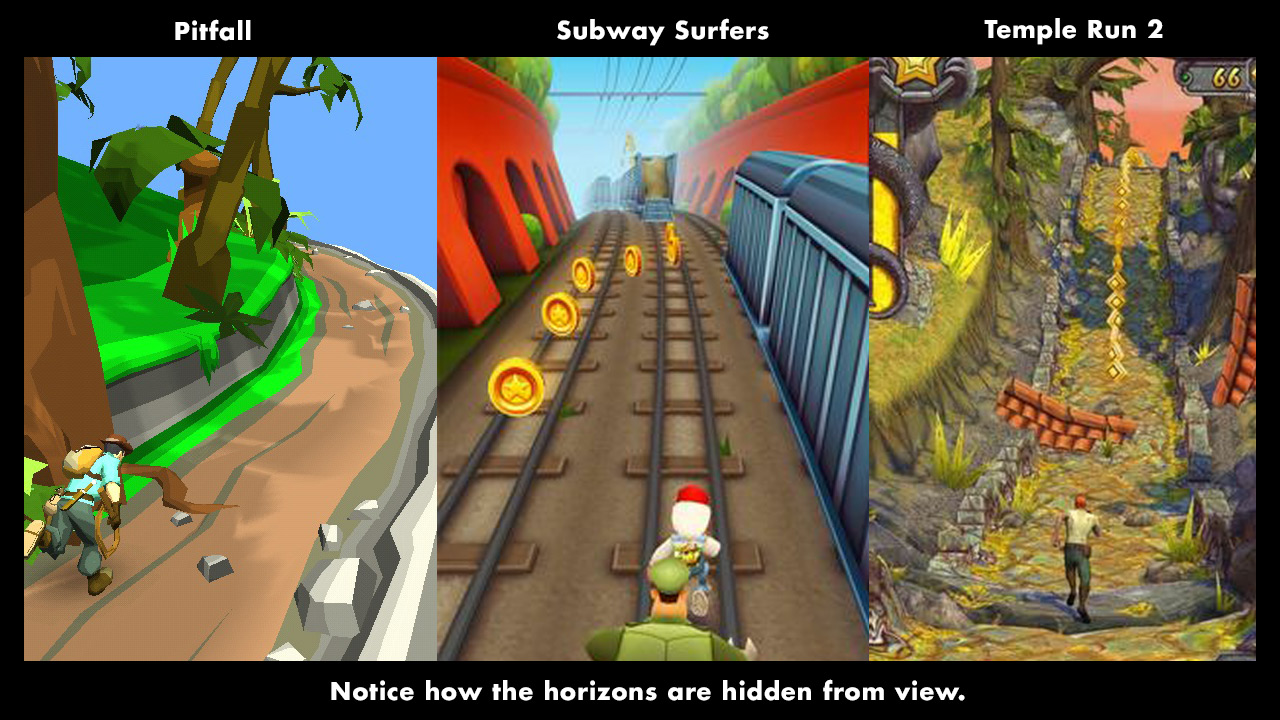
There is a unique, heart-pounding thrill that comes from dodging obstacles while moving at breakneck speed. Whether you are navigating a crumbling temple or dashing through a futuristic neon cityscape, endless arcade runners remain one of the most addictive genres in mobile and web gaming. While these titles are easy to pick up, the jump from a casual run to a top-tier leaderboard position requires a shift in mindset and technical execution. Unlike simpler titles, these games act as true arcade skill games, rewarding those who can master rhythm, pattern recognition, and precise input timing.
In this guide, we will break down the essential techniques to help you climb the leaderboards and achieve your personal best. You will learn how to decode complex procedural generation, optimize your device for reduced input lag, and train your focus to maintain a flow state during those intense, long-duration runs. If you enjoy quick sessions, you can also explore our curated list of 10 popular HTML5 games for more ways to test your reflexes on the go.
Mastering Mechanics and Progression in Endless Arcade Runners
Core Movement and Input Proficiency
To consistently reach the top of the leaderboards, you must move beyond casual play and treat your input method as a precision tool. These games are essentially arcade skill games that reward micro-adjustments and rhythmic consistency above all else.
Developing Muscle Memory for Swipe Latency
Every device features a slight delay between your finger touching the screen and the avatar’s reaction. Successful players account for this by initiating their swipes slightly earlier than their eyes perceive the hazard. By spending time in lower-intensity early zones, you can calibrate your brain to anticipate this latency, turning raw reaction into fluid, proactive movement.
Optimizing Finger Placement for Rapid Lane Switching
Avoid planting your thumb in the center of the screen. Instead, adopt a claw-like grip or keep your thumb resting near the bottom-third of the display. This positioning provides a clear view of incoming obstacles while minimizing the travel distance required for rapid side-to-side swipes. When the game accelerates, this economy of motion becomes the difference between a high score and an abrupt end to your run.
Synchronizing Jump and Slide Rhythms with Speed Curves
As the game’s speed increases, you will notice that movement patterns become more rhythmic. Rather than reacting to every obstacle individually, try to perceive the “beat” of the level. Many endless arcade runners use consistent spacing for traps, allowing you to establish a muscle-memory rhythm—a “jump-slide-slide” cadence—that helps you navigate high-velocity segments without relying solely on split-second panic reactions.
Decoding Procedural Generation and Hazard Patterns
While the levels in these games are often procedurally generated, they are rarely truly random. Developers typically use “modules” or clusters of hazards that repeat throughout the run.
Identifying Recurring Obstacle Clusters in High-Speed Sequences
Spend time analyzing the shapes of incoming threats. You will start to recognize common clusters, such as the “triple-lane blockage” or the “low-high jump combo.” Once these patterns are identified, your brain stops trying to process a chaotic stream of information and starts recognizing familiar configurations, allowing for automated, effortless traversal.
Predicting Difficulty Spikes and Transition Zones
Most games implement a “difficulty ramp” where the speed increases incrementally. Monitor the background environment for visual cues or transition zones. When you notice the aesthetic shift that signals a higher tier of intensity, prepare for narrower gaps and more frequent hazard clusters. If you enjoy testing your reflexes in fast-paced environments, you might find our guide on best ninja fighting games offers a similar adrenaline-fueled challenge.
Utilizing Peripheral Vision to Anticipate Upcoming Threats
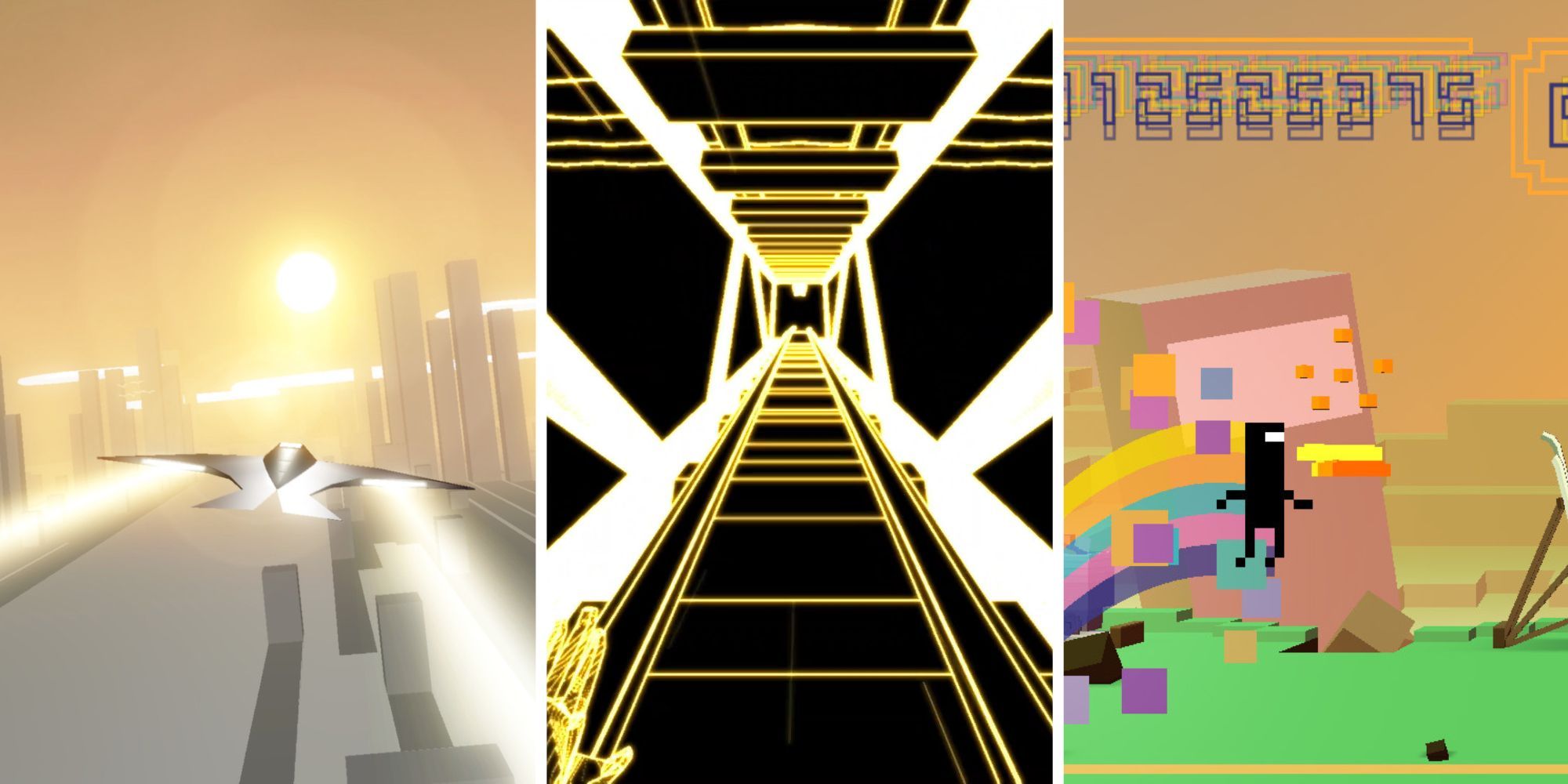
Tunnel vision is the enemy of the high-score hunter. Avoid staring directly at your character’s feet. Instead, focus your gaze further up the track, using your peripheral vision to track the character while your central focus identifies hazards long before they reach your immediate vicinity. This extra reaction time is crucial for mastering retro pixel arcade games where hazards can appear in quick succession.
Optimizing Hardware and Environment for Performance
Even the most skilled player will struggle if their hardware isn’t cooperating. A clean, responsive setup removes the external barriers to your peak performance.
Reducing Input Lag Through Device Settings and Clean Displays
Hardware responsiveness is non-negotiable. Ensure your screen is free of oil and smudges, as these can cause “ghost swipes” or register inputs inconsistently. Additionally, disable background processes on your device to ensure the frame rate remains locked. A consistent frame rate is vital because any stutter will desynchronize your muscle memory from the visual cues on the screen.
Leveraging Audio Cues to Maintain a Steady Gameplay Flow
Sound design in these games is often tied to the progression of speed and obstacles. Many players perform better with headphones, as the rhythmic soundtrack can act as a metronome. By listening to the beat, you can anticipate jumps and slides, maintaining a state of flow that is difficult to sustain using visual cues alone.
Customizing Sensitivity Controls to Match Individual Reflex Speeds
Don’t settle for default settings. Experiment with the sensitivity sliders in the game menu. If you find yourself overshooting lanes, lower the sensitivity to favor precision. If the game feels sluggish during frantic sequences, increase it. Finding the “sweet spot” for your personal reflex speed allows for more deliberate, controlled inputs when the stakes are at their highest.
2. Advanced Scoring Strategies and Long-Run Consistency

2.1 Maximizing Score Multipliers and Resource Management
2.1.1 Prioritizing Multiplier Chains over Basic Coin Collection
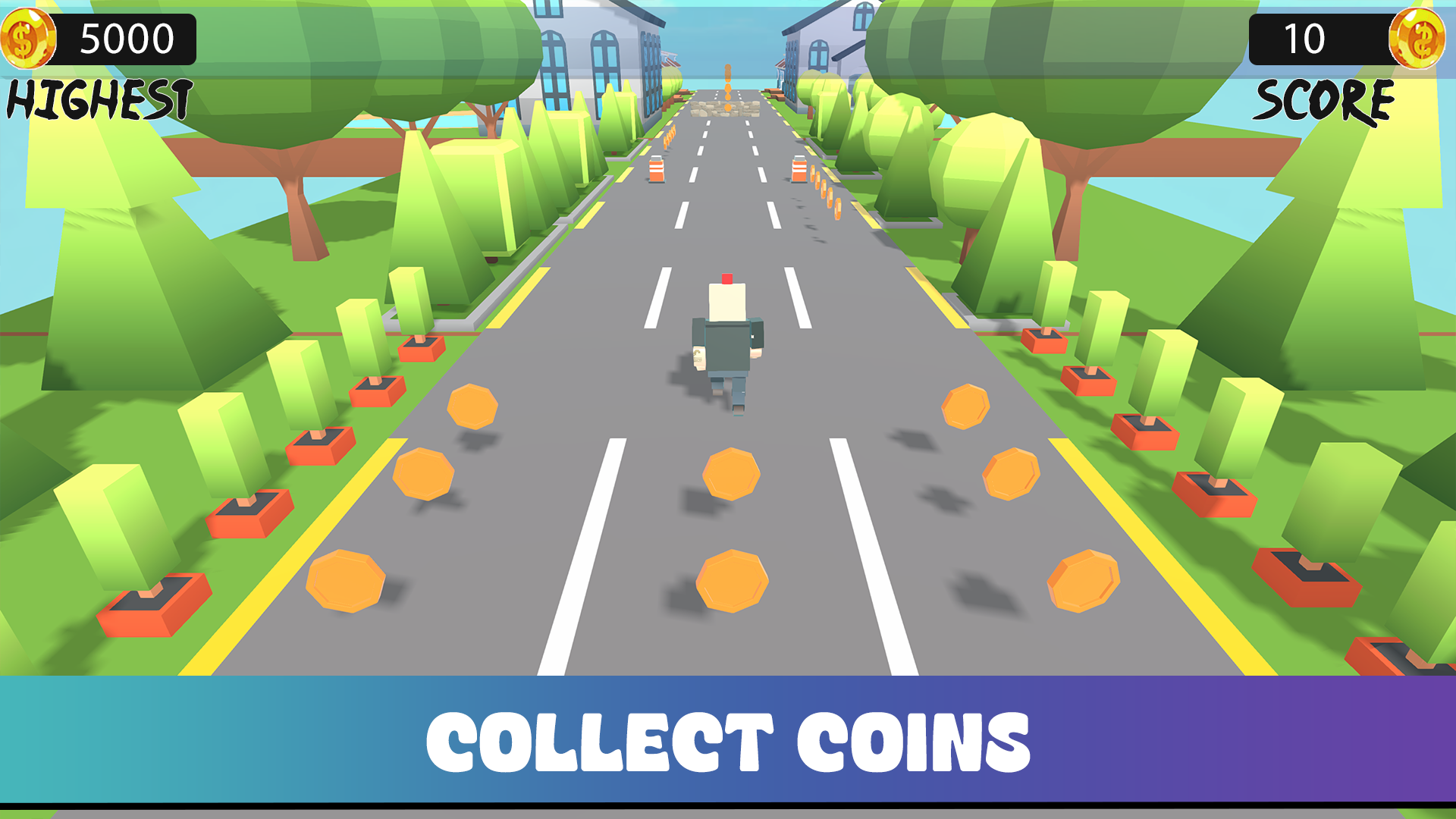
In many high score arcade games, it is easy to fall into the trap of obsessing over every single coin on the screen. However, expert players know that multipliers are the true engine of a top-tier run. Instead of swerving into dangerous lanes just to grab a few coins, focus on maintaining your multiplier chains. These are often triggered by completing specific mission sets or performing consecutive actions, such as avoiding obstacles in close proximity. Prioritizing these chains creates a compounding effect on your score that coin-grabbing simply cannot match over time.
2.1.2 Tactical Use of Power-Ups During Peak Speed Intervals
Power-ups are not just survival tools; they are strategic assets. During the initial, slower stages of a run, power-ups may feel like a luxury. As the game accelerates, their value shifts toward damage control and score preservation. Hold onto your magnet or score-doubler until the game enters its highest speed tier. Using a power-up when the procedural generation becomes chaotic allows you to navigate dense hazard clusters with temporary invincibility or increased point generation, turning a potential game-over into a massive scoring opportunity.
2.1.3 Balancing Risk-Reward Paths for Optimal Point Density
The best arcade skill games often present multiple paths, some safer and others more cluttered. To maximize your score, you must actively evaluate the point density of each route. Often, the paths that require more precise, high-speed maneuvers contain high-value collectibles or bonus zones. Developing the ability to calculate this risk-reward balance on the fly—knowing when to take the safe lane versus the high-point lane—is what separates casual players from the leaderboard elite.
2.2 Mental Conditioning for High-Score Attempts
2.2.1 Techniques for Entering and Maintaining a Flow State
Achieving a true flow state is essential for longevity in endless arcade runners. This mental zone is where your reactions become intuitive rather than calculated. To reach this state faster, try to minimize external distractions and focus entirely on the rhythm of the game’s audio and visual cues. If you struggle to get there, practicing with simpler titles can help calibrate your focus before tackling more intense, high-speed challenges.
2.2.2 Managing Cognitive Load During Extended Sessions
Extended runs are mentally exhausting. As you progress, the amount of information you need to process simultaneously increases exponentially. To manage your cognitive load, practice “chunking” your focus. Don’t look at the entire screen; look just far enough ahead to identify upcoming hazard patterns. By ignoring the static background and focusing on the immediate path ahead, you reduce the brain’s processing strain, allowing for longer periods of sustained attention without mental fatigue.
2.2.3 Overcoming Decision Fatigue to Prevent Avoidable Collisions
Decision fatigue sets in when the brain has processed too many high-speed inputs, leading to slower reaction times. This is usually when “silly” mistakes happen, like running into an obstacle that was clearly visible. To combat this, learn to normalize your response to standard hazards. By creating consistent, habitual responses to recurring patterns, you save your brain’s processing power for the truly unique, high-difficulty situations that arise later in the run.
2.3 Essential Frequently Asked Questions for Endless Arcade Runners
2.3.1 Determining the Optimal Spend Strategy for In-Game Currency
The best way to spend currency is to prioritize permanent upgrades that increase your base score multiplier. Items that provide cosmetic changes are fun, but they don’t help you push your limits. Invest your early coins into utility power-ups and score-boosters that grant you a passive advantage regardless of how long the run lasts.
2.3.2 Training Reflexes to Handle Increasingly Fast Obstacles
Reflexes are built through incremental exposure. Do not be discouraged by frequent failures. Instead, focus on the specific type of obstacle that caused your crash. If you consistently fail at jumps, force yourself to engage with tracks that feature high-frequency jumping segments until the timing becomes second nature.
2.3.3 Troubleshooting Consistency Issues During Long-Duration Runs
If you find that your scores peak early and then drop off, you are likely losing your rhythm. Consistency is often tied to physical comfort and hardware stability. Ensure your device is at a comfortable angle and that you are not tensing your hands. If you are struggling, take short breaks between sessions to reset your focus and prevent the muscle tension that inevitably ruins precision inputs.
Mastering endless arcade runners is about more than just fast fingers; it is a blend of pattern recognition, mental discipline, and environmental optimization. By refining your input accuracy and learning to decode procedural generation, you transform chaotic runs into calculated movements. Whether you are aiming to climb the leaderboards in high score arcade games or simply looking to improve your personal best, consistency remains your greatest asset. Remember that every collision is a lesson, not just a failure.
As you continue to sharpen your reflexes and push deeper into those high-speed, heart-pounding segments, keep in mind that balancing high-risk maneuvers with smart resource management is the true key to longevity. If you enjoy the fast-paced nature of these titles, you might also find a similar thrill exploring our list of 10 popular HTML5 games for your next quick gaming session. Stay patient, stay focused, and keep pushing for that new record. Your next perfect run is only a few swipes away.