Whether you are looking to revitalize a stale weekly gathering or searching for fresh challenges, exploring classic card game variations is the perfect way to breathe new life into your next game night. Most of us grew up playing the same versions of Hearts, Rummy, or War, but the beauty of a standard 52-card deck lies in its infinite flexibility. By introducing subtle rule tweaks or adjusting scoring systems, you can transform familiar favorites into high-stakes adventures or more engaging social experiences. Much like finding the right digital tabletop strategy to test your wits, customizing your analog card games allows you to tailor the experience to your group’s specific skill level and competitive preferences. In this guide, we will dive into creative modifications, essential housekeeping rules for custom gameplay, and expert tips for hosting a memorable session that keeps everyone at the table entertained and eager for another deal.

1. Exploring Innovative Classic Card Game Variations for Every Skill Level
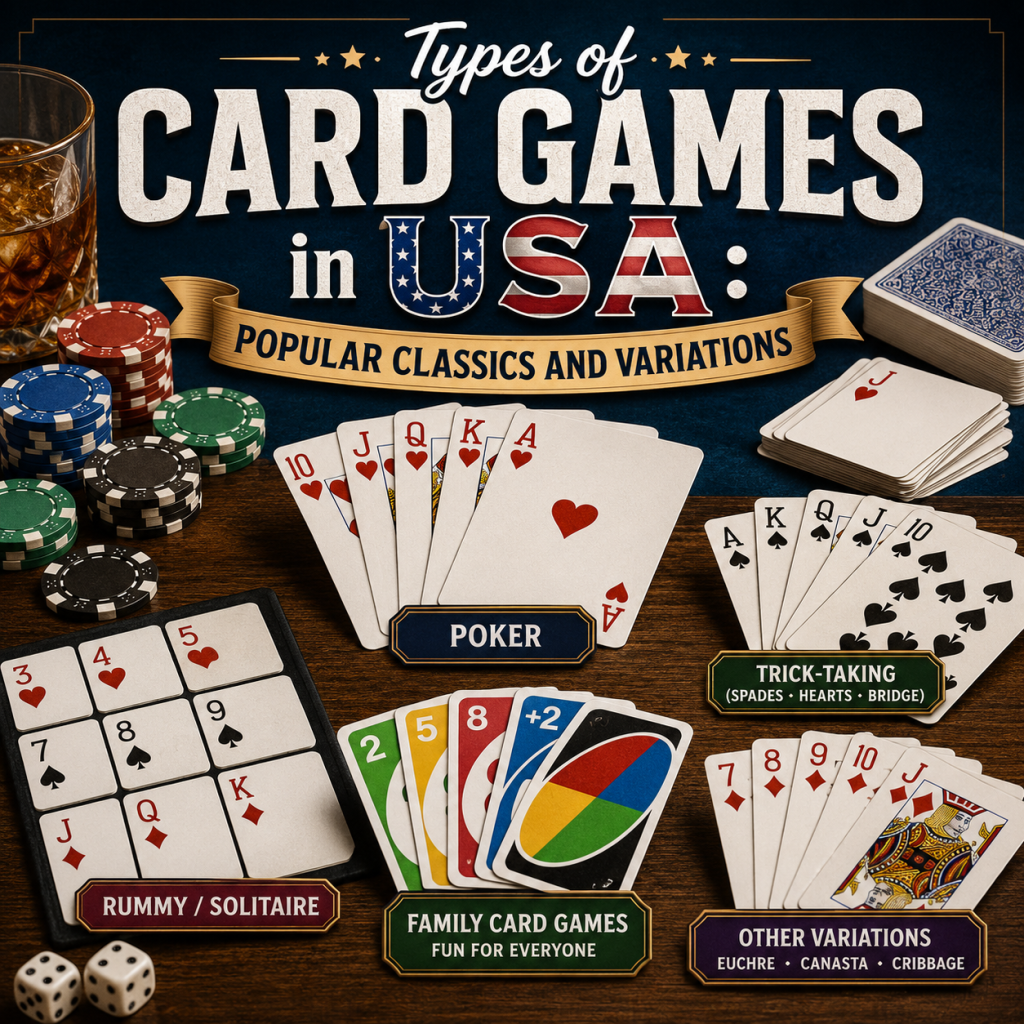
Refreshing your game night doesn’t always require purchasing new boxes; often, the best entertainment comes from reinventing the classics. By introducing classic card game variations, you can transform familiar favorites into entirely new challenges that test your group’s adaptability. Whether you are a casual player or a seasoned strategist, tweaking established mechanics breathes new life into your deck.
1.1 Popular Trick-Taking and Matching Game Modifications
1.1.1 Creative Rule Tweaks for Spades and Hearts
Trick-taking games like Spades and Hearts are staples, but they can become predictable over time. To shake things up, introduce “blind bidding” where players must commit to their trick count before looking at their full hand. In Hearts, consider implementing a “reverse point” variant where the player who captures the most hearts actually gains bonus points instead of penalties, forcing everyone to rethink their defensive maneuvers.
1.1.2 Advanced Strategy Adjustments for Rummy and Gin
For fans of matching games, simple house rules can elevate the complexity significantly. Try “Wild Card Rotation,” where the value of the wild card changes every time a player goes out, preventing opponents from hoarding specific sequences. These adjustments turn standard Rummy into a high-stakes endeavor that requires constant recalibration of your hand management strategy.
1.1.3 Customizing Scoring Systems to Increase Competitive Stakes
If your group enjoys the intensity of competitive multiplayer board games, modifying your scoring system is the quickest way to heighten the tension. Implement “multiplier rounds” where the value of a winning hand doubles if a player manages to clear their entire hand without drawing from the stock. This encourages bolder risks and keeps the leaderboard fluctuating until the very last turn.
1.2 Adapting High-Energy and Social Card Games
1.2.1 Incorporating House Rules into War and Speed
High-energy games are often dismissed as purely luck-based, but adding a social layer changes the dynamic. In War, introduce “declaration zones,” where players must guess whether their card is higher or lower than their opponent’s before flipping; a correct guess grants an extra turn. This adds a psychological element to otherwise simple mechanics.
1.2.2 Modifying Poker Mechanics for Casual Home Games
Casual poker nights benefit from “wild card events,” such as declaring all twos and jacks wild for specific hands, which levels the playing field for beginners. You can also experiment with “resource collection card games” mechanics, where players earn temporary status tokens for winning specific pots, which they can later trade to peek at the deck or swap one card with an opponent.
1.2.3 Scaling Standard Mechanics for Larger Groups and Tournaments
When hosting large gatherings, standard rules often fail due to long wait times. To keep the flow, shorten rounds by limiting hand sizes or implementing “blitz phases” where players have a 10-second timer to make their play. For those looking to sharpen their skills for digital environments, Digital Tabletop Strategy: The Best Games for Tacticians provides excellent insight into how time-sensitive decision-making impacts overall success.
1.3 Essential Considerations for Modifying Game Rules
1.3.1 Defining House Rules Before the First Deal
Clarity is the foundation of a successful house-ruled game. Before the first card is dealt, clearly define the custom mechanics to avoid mid-game frustration. Documenting these rules on a notepad or a shared digital document prevents “rule drift” as the night progresses and fatigue sets in.
1.3.2 Maintaining Fair Play When Introducing Custom Mechanics
When you introduce custom rules, aim for balance rather than chaos. Ensure that your modifications provide an equal opportunity for all players to capitalize on them. The goal is to make the classic parlor game adaptations feel intentional and fun, rather than giving one player an unfair advantage that ruins the spirit of the competition.
2. Expert Tips for Hosting a Memorable Game Night with Custom Rules
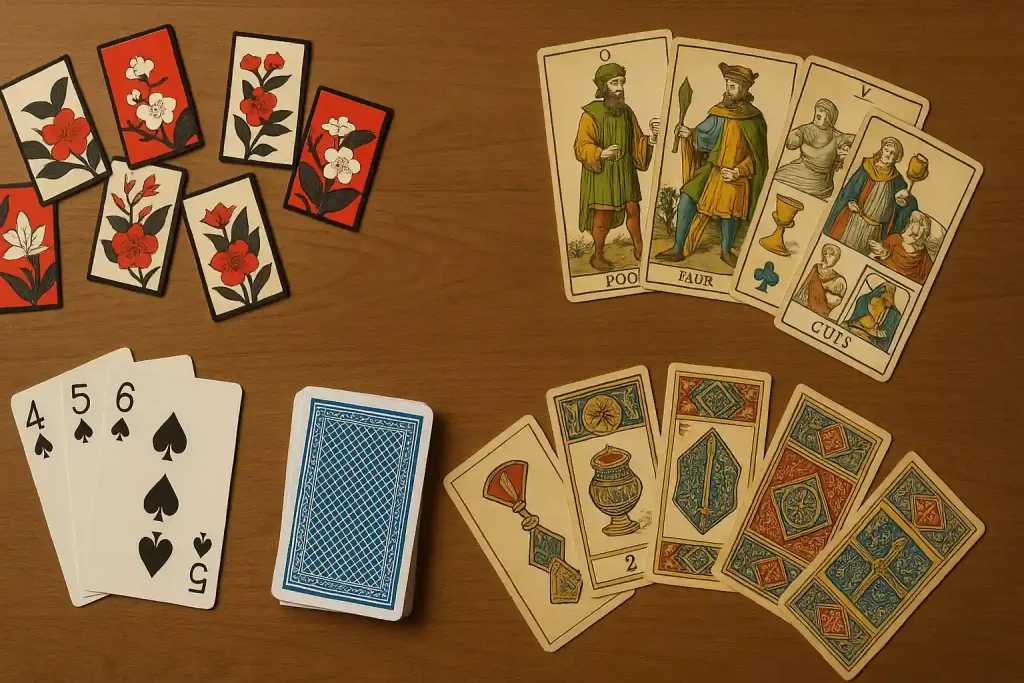
Hosting a game night is more than just pulling a deck of cards out of a drawer; it is about curating an experience that keeps your guests engaged and entertained. When you introduce classic card game variations, the environment you cultivate becomes the foundation for whether those new mechanics feel like a fun twist or an unnecessary complication.
2.1 Creating an Optimized Gaming Environment
The physical space dictates the flow of play. Start by selecting high-quality, plastic-coated playing cards that are easy to shuffle and resistant to the occasional spilled drink. If your game involves resource collection card games, ensure your table has enough surface area for players to organize their hands and separate discard piles without constant clutter. For those interested in deeper tactical challenges, check out our guide on digital tabletop strategy to see how analog logic translates to the screen.
Logistics matter just as much as materials. Provide adequate lighting so that all players can clearly distinguish card suits and values, reducing eye strain during long sessions. Keep snacks and drinks on a separate side table to protect the cards, and ensure that seating arrangements allow everyone to see the board—or the center of the table—without leaning awkwardly. For scoring, decide early between analog methods, such as a traditional notepad and pen, or a digital app. While a physical scorecard adds a tactile, competitive flair, apps are often better at preventing math errors during fast-paced competitive multiplayer board games.
2.2 Balancing Gameplay and Group Dynamics
The success of custom rules often hinges on your ability to read the room. When hosting mixed-age groups, prioritize simplicity over complexity. If you are integrating classic parlor game adaptations into your rotation, introduce the new rules in rounds, allowing younger or less experienced players to grasp the base mechanics before layering on advanced strategy.
Disputes are inevitable when you alter established rules, so establish a clear etiquette before the first hand is dealt. Designate a host or a rotating “rule master” who has the final say on ambiguities. This prevents the game from grinding to a halt during a heated debate. If you are introducing a high-complexity variant, explain the “why” behind the change—most players are happy to adapt if they understand that the new rule is intended to speed up play or increase the stakes of a stalemate.
2.3 Frequently Asked Questions Regarding Card Game Modifications
Transitioning from standard gameplay to a house-modified version can cause hesitation among purists. When pitching new rules to skeptical players, frame them as “enhancements” rather than “replacements.” Show them how the tweak fixes a common frustration, such as a game that usually drags on too long. Always ensure your modifications remain compatible with a standard 52-card deck; the beauty of these games lies in their accessibility, and you should avoid requiring obscure or proprietary equipment.
Finally, know when to stick to the rulebook. If you find your group is getting frustrated by the constant need to explain custom mechanics, it is time to pivot back to official competitive standards. House rules should be a bridge to more fun, not a barrier to entry.
At the end of the day, the beauty of gaming lies in the flexibility of the rules. Whether you are breathing new life into a dusty deck of cards or looking for fresh ways to challenge your friends, experimenting with classic card game variations is the perfect way to revitalize your social gatherings. By embracing custom house rules, focusing on clear communication before the deal, and keeping the focus on fun rather than perfection, you can ensure that every game night remains engaging and inclusive for everyone at the table.
As you become more comfortable modifying your favorite games, you might find yourself ready to explore even deeper mechanics. If your group starts to crave higher levels of intensity, consider incorporating elements from other genres to sharpen your collective skills. For those who enjoy testing their wits, you might find inspiration in our guide to digital tabletop strategy, which offers a different perspective on balancing risk and reward. Ultimately, the best game nights are the ones where the players feel empowered to shape the experience. Shuffle the deck, suggest a new twist, and see where the cards take you during your next session.