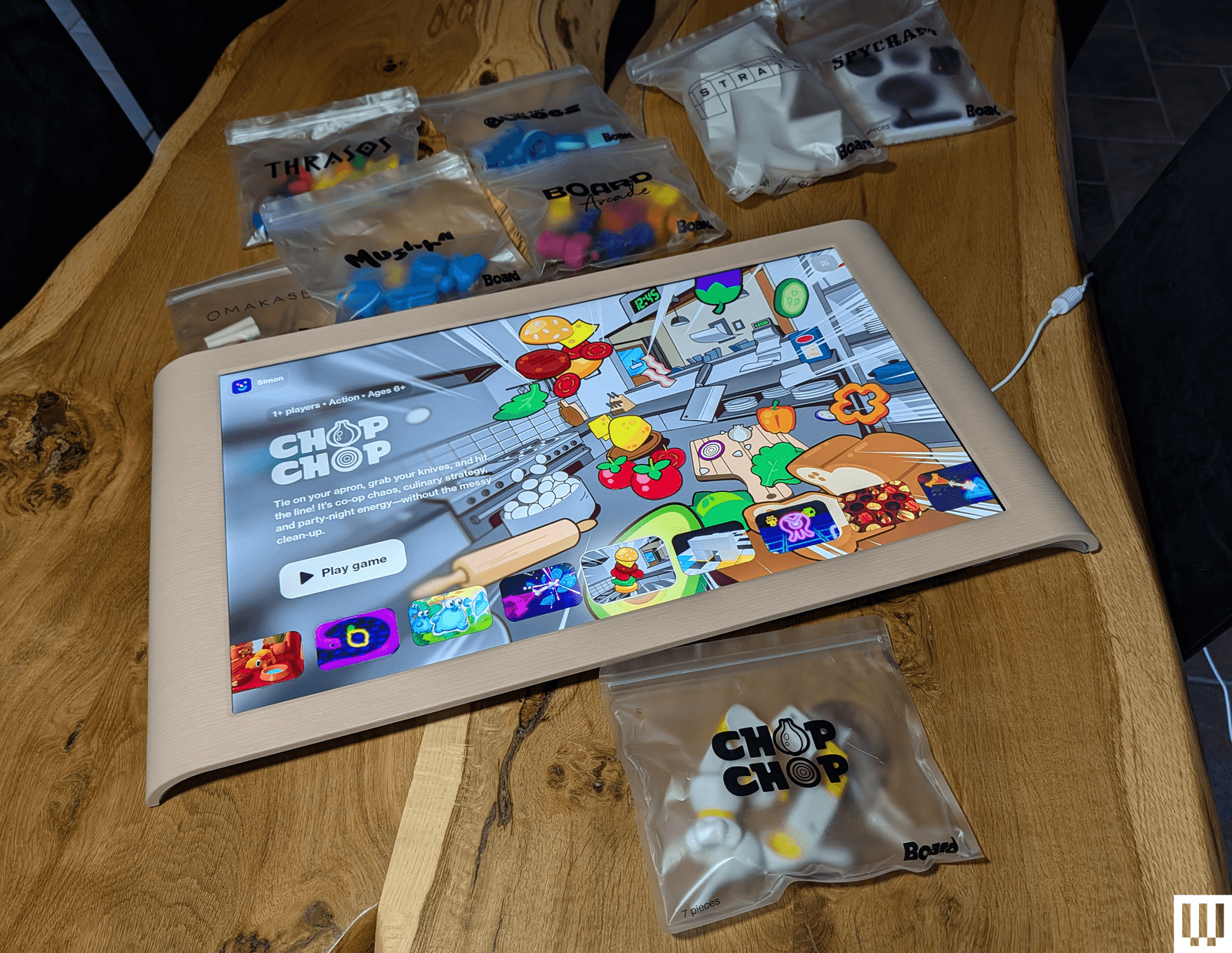
For those who love the calculated intensity of a well-played move, digital tabletop strategy offers a seamless bridge between classic analog complexity and modern convenience. Whether you are obsessed with plotting moves on turn based hex board games or thrive on the cutthroat resource management of an economy building tabletop experience, the digital landscape has transformed how we engage with our favorite classics. These adaptations do more than just digitize physical boards; they remove the tedium of manual bookkeeping and rule enforcement, allowing you to focus entirely on deep tactical decision-making.
In this guide, we will explore the best titles for every type of tactician, ranging from competitive multiplayer tabletop games to thoughtful cooperative board puzzle games. You will learn how to sharpen your skills, navigate complex interfaces, and find the perfect match for your strategic style. Whether you are looking to master intricate engine-building mechanics or practice your defensive maneuvers against AI, we provide the insights you need to elevate your play and dominate the board.

2. Top-Rated Digital Tabletop Strategy Titles and How to Master Them

2.1 Genre-Defining Picks for Every Tactical Specialist
2.1.1 High-stakes wargames featuring complex hex-and-counter systems
Digital adaptations of classic wargames have transformed the genre, removing the tedious setup time of physical boards while keeping the punishing depth of hex-and-counter mechanics. Titles like “Panzer Corps 2” or “Unity of Command II” excel here, offering turn based hex board games that demand a deep understanding of logistics, supply lines, and terrain modifiers. To master these, you must stop viewing units as mere damage dealers and start seeing them as essential components of an interconnected front line.
2.1.2 Advanced deck-building games that require strict card synergy
The digital transition has breathed new life into deck-building strategy. These games prioritize long-term planning over immediate tactical responses. Success in titles like “Slay the Spire” or “Gloomhaven” depends on your ability to curate a deck that performs consistently rather than relying on high-roll “power moves.” Focus on lean deck construction; adding too many cards often dilutes your chances of drawing your primary win condition, leading to inefficiency in high-pressure scenarios.
2.1.3 Asymmetrical strategy titles with unique faction mechanics
Asymmetrical games provide some of the most rewarding experiences in digital tabletop gaming. Because each faction follows a different rule set, the strategic challenge changes entirely depending on who you select. In games like “Root,” mastery comes from understanding not just your faction’s strengths, but the specific win-state constraints of your opponents. Knowing when to apply pressure to a rival’s economy building tabletop infrastructure is the key to preventing them from snowballing toward victory.
2.2 Strategies for Advancing Your Skills in Digital Environments
2.2.1 Leveraging solo AI play to practice defensive maneuvers
The AI in digital tabletop games is an excellent training partner for testing experimental strategies. Instead of playing to win, use solo matches to practice defensive positioning. Focus on how the computer exploits your flanks or resource vulnerabilities. By intentionally putting yourself in disadvantageous board states against the AI, you can develop a better intuition for recovery, which is a vital skill for mastering squad-based action tactics in more competitive environments.
2.2.2 Analyzing community-driven meta trends in competitive play
Digital platforms allow for rapid analysis of global playstyles. Pay attention to forums and community hubs where top players discuss “tier lists” or optimal faction openings. While meta-following is helpful, remember that a strong strategy in a tournament setting requires adaptability. Use community data to understand the most common threats, then build counter-tactics that catch your opponents off guard.
2.3 The Importance of Long-Term Content and Community
2.3.1 How expansions and DLC keep strategic puzzles fresh
The best digital strategy titles are constantly evolving through expansions. These updates often introduce new mechanics that shift the power balance, ensuring that the “solved” version of a game is always changing. Embracing these shifts is part of the challenge; a true tactician views an expansion as an opportunity to rethink their baseline strategies rather than a disruption to their favorite playstyle.
2.3.2 Finding dedicated digital communities for tournament-level play
Multiplayer tabletop games thrive when played against human opponents who can anticipate your moves. Joining a dedicated Discord server or community league provides a path to consistent improvement. High-level play is less about intuition and more about calculating probabilities and managing the psychological pressure of an opponent who is actively trying to dismantle your plans.
2.4 Addressing Common Questions About Digital Strategy
2.4.1 Comparing the physical board game experience to digital parity
While digital versions lack the tactile joy of moving physical pieces, they provide perfect rule enforcement and hidden information handling. This parity allows you to focus purely on the strategic depth without the mental overhead of tracking complex board states or bookkeeping, making the digital experience the preferred choice for tournament play.
2.4.2 Optimizing your hardware for cross-platform strategy sessions
Digital tabletop games are generally less demanding than high-fidelity action games, but UI clarity is paramount. Ensure your monitor resolution is optimized to display complex maps and resource bars without scaling issues. A reliable, high-speed connection is also essential if you are playing asynchronous games, as connectivity drops during a long-term campaign can lead to misplays and frustration.
The beauty of digital tabletop strategy lies in its unique ability to strip away the physical overhead of setup and cleanup while preserving the intellectual rigor that makes these games so rewarding. Whether you are carefully plotting moves in turn based hex board games, balancing complex supply chains in an economy building tabletop experience, or collaborating on challenging cooperative board puzzle games, the digital medium offers a level of precision and accessibility that breathes new life into the genre.
By leveraging the automation and AI capabilities discussed throughout this guide, you can significantly sharpen your tactical skills and explore deeper strategic layers than are often possible on a physical board. The barrier to entry for high-level competitive play has never been lower, provided you remain dedicated to analyzing the meta and refining your decision-making processes. If you are looking to further challenge your analytical mind, exploring other genres can provide fresh perspectives on problem-solving, such as mastering the intricate planning required in squad-based action tactics. Ultimately, the best digital tabletop games serve as a testament to the enduring power of strategy, inviting you to experiment, learn, and outthink your opponents in increasingly sophisticated virtual environments.