There is a unique satisfaction that comes from finally spotting that last elusive item tucked away in a cluttered, digital scene. Whether you are a fan of casual gaming or looking to sharpen your cognitive sharpness, mastering hidden object discovery is more than just a pastime; it is a rigorous workout for your brain. These immersive experiences demand a blend of patience, acute visual processing, and rapid decision-making, effectively bridging the gap between mindless entertainment and genuine mental exercise. Much like the analytical precision required in best physics puzzle games, these challenges require you to look beyond the obvious and decode complex visual information. In this guide, we will explore the science behind your search, provide actionable methodologies to enhance your scanning speed, and share strategies to turn your favorite mystery titles into effective tools for cognitive growth.

1. Mastering Hidden Object Discovery Through Cognitive Training and Scanning Techniques
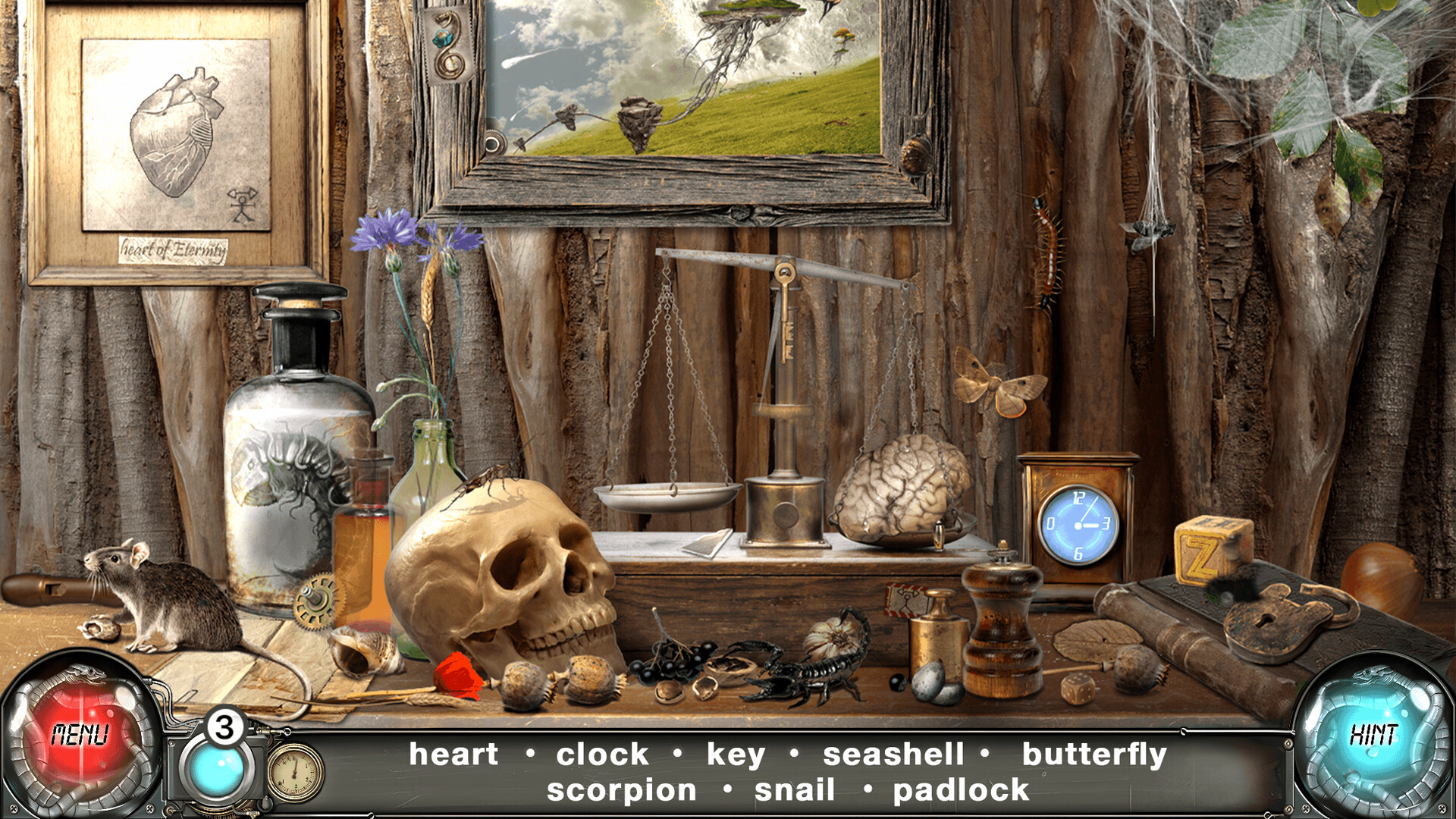
1.1 The Science of Visual Perception and Cognitive Function
At its core, hidden object discovery is far more than a simple pastime; it is an active exercise in neuroplasticity. When you engage with these visual challenges, your brain undergoes a rapid series of operations, moving from sensory input to high-level analysis. Understanding this mechanism is the first step toward improving your performance and sharpening your mental acuity.
Visual perception in this context relies heavily on executive function—the mental processes that enable us to plan, focus attention, and juggle multiple tasks simultaneously. By training yourself to ignore irrelevant visual “noise,” you strengthen the neural pathways associated with sustained attention. This is closely related to the skills required in coding logic puzzles, where the ability to filter out distractions is vital for identifying the correct solution.
Furthermore, pattern recognition serves as the backbone of every discovery game. As you practice, your brain becomes increasingly adept at identifying recurring shapes, color gradients, and textural nuances. This constant refinement of your cognitive toolkit doesn’t just make you better at games; it fosters deeper neural connectivity, effectively turning screen time into a genuine brain-training workout.
1.2 Fundamental Visual Scanning Methodologies for Efficiency
Relying on random eye movements is the primary reason many players struggle with complex, deduction based mystery games. To achieve true mastery, you must replace chaotic searching with systematic scanning methodologies designed to cover every inch of the visual field.
The grid method is perhaps the most reliable technique for systematic screen coverage. By mentally dividing the scene into a series of horizontal or vertical strips, you ensure that your eyes pass over every pixel, leaving no corner unexamined. This eliminates the tendency to revisit areas you have already checked, which is a common pitfall that leads to fatigue and frustration.
If the grid feels too rigid, the spiral sweep offers an alternative that combats tunnel vision. By starting your gaze at the center of the screen and gradually expanding outward in an ever-widening circle, you maintain a better sense of spatial context. Complement this with the use of peripheral vision to detect color and shape anomalies. Often, the human eye is better at spotting movement or high-contrast outliers using the corners of the visual field than through direct fixation. By keeping your gaze fluid, you allow your brain to highlight discrepancies before your conscious mind even realizes what it has found.
1.3 Essential Search Strategies for Precision and Speed
When the difficulty spikes, simple scanning is rarely enough. Success in pattern recognition games requires a shift toward higher-order analytical strategies, such as identifying objects through negative space. Instead of looking for the object itself, train your eyes to look for the “gap” in the environment—the shape that shouldn’t be there, or the shadow that is cast at an illogical angle. This technique is a cornerstone of spatial reasoning riddles, forcing the brain to look at the scene as a composition of forms rather than a collection of items.
Managing visual noise is equally critical. Beginners often feel overwhelmed by the sheer density of detail in modern titles. To filter this, focus strictly on color contrast. By scanning for a specific hue that is absent from the immediate surroundings, you can quickly isolate potential targets. Finally, remember that speed is a byproduct of rhythm, not force. When under time pressure, maintain a controlled, rhythmic breathing pattern. Panic causes the eyes to dart erratically, leading to missed details. A steady breath keeps the mind calm, ensuring that your search remains methodical and precise, regardless of the ticking clock.
2. Optimizing Your Brain Health Through Hidden Object Discovery and Modern Gameplay

2.1 Integrating Puzzles into a Sustainable Daily Routine
Consistency is key when using hidden object discovery as a tool for cognitive enhancement. Rather than treating these sessions as an occasional pastime, incorporating them into a daily routine can help maintain sharpness. However, the quality of your practice matters more than the quantity. To prevent eye strain, it is best to limit intense sessions to 20 or 30 minutes. Taking frequent breaks allows your visual cortex to reset, preventing the mental fatigue that often diminishes performance in pattern recognition games.
Variety is equally vital for long-term neural development. If you play the same style of game every day, your brain eventually plateaus as it adapts to the specific repetitive demands of that title. By cycling through different visual aesthetics, art styles, and levels of complexity, you force your brain to constantly adjust its scanning techniques. For those looking to broaden their collection, exploring best mystery adventure games can provide a refreshing change of pace while still exercising your observational skills.
Finally, strike a balance between relaxation and intensity. Many players enjoy hidden object games for their soothing, meditative qualities, but occasionally shifting to high-intensity, timed challenges will push your processing speed to a higher level. By mixing these two modes, you keep your brain engaged without burning yourself out.
2.2 The Evolution and Future of Interactive Puzzle Genres
The gaming landscape has shifted significantly, with modern titles moving beyond simple, static images to complex, narrative-driven environments. These games often require players to manipulate the environment, moving objects or interacting with mechanisms to reveal hidden items. This increased depth does more than just challenge the eyes; it trains spatial reasoning riddles that are crucial for navigating complex visual information in everyday life.
We are also seeing a growing convergence of logic puzzle games with traditional discovery mechanics. Instead of just finding a list of items, you might be tasked with deducing which items are necessary to solve a specific puzzle. This layering of cognitive tasks—combining visual search with deductive reasoning—creates a more robust mental workout. When selecting a game, consider your specific goal: if you want to improve focus, look for games with high levels of visual noise; if you want to sharpen logical flow, prioritize deduction-based mystery games.
2.3 Frequently Asked Questions Regarding Hidden Object Discovery
2.3.1 Are these games scientifically proven to improve brain function?
While gaming research is ongoing, many experts agree that games involving visual search and pattern recognition can strengthen neuroplasticity and improve sustained attention. They are particularly effective at training the brain to filter out irrelevant information amidst visual clutter.
2.3.2 Determining the ideal daily time investment for cognitive gains
There is no universal “magic number,” but research into cognitive training suggests that 15 to 30 minutes of focused, high-engagement play per day is sufficient to see improvements in visual processing speed and short-term memory.
2.3.3 Suitability of discovery puzzles for aging populations and cognitive preservation
These games are excellent tools for cognitive preservation. By engaging in consistent, complex visual tasks, older adults can maintain cognitive flexibility and improve their ability to focus on detail, which may help mitigate age-related cognitive decline.
2.3.4 Distinguishing between static hidden object games and interactive escape room challenges
Static games focus primarily on visual acuity and scanning patterns within a fixed scene. Conversely, interactive escape room challenges introduce an added layer of agency, requiring the player to manipulate the environment and use deductive reasoning to progress, offering a broader cognitive challenge.
Mastering hidden object discovery is more than just a pastime; it is a rewarding way to sharpen your visual acuity and cognitive focus. By moving away from frantic, aimless searching and adopting structured techniques like the grid method or systematic spiral sweeps, you can transform how you engage with complex imagery. Whether you are navigating deduction based mystery games or challenging your brain with intricate pattern recognition games, the ability to filter visual noise and maintain sustained attention is a skill that translates well beyond the screen.
Consistency is key to reaping the cognitive benefits of these puzzles. By incorporating varied, manageable sessions into your daily routine, you keep your mind agile without falling into the trap of fatigue. As you continue to refine your search strategies and embrace new interactive formats, you will likely find that your improved spatial reasoning riddles and concentration carry over into your everyday tasks. If you are looking to further challenge your analytical skills, consider exploring our curated guide to top-tier mystery adventure games for your next mental workout. Keep playing, stay curious, and enjoy the satisfaction that comes with finding what was once hidden in plain sight.