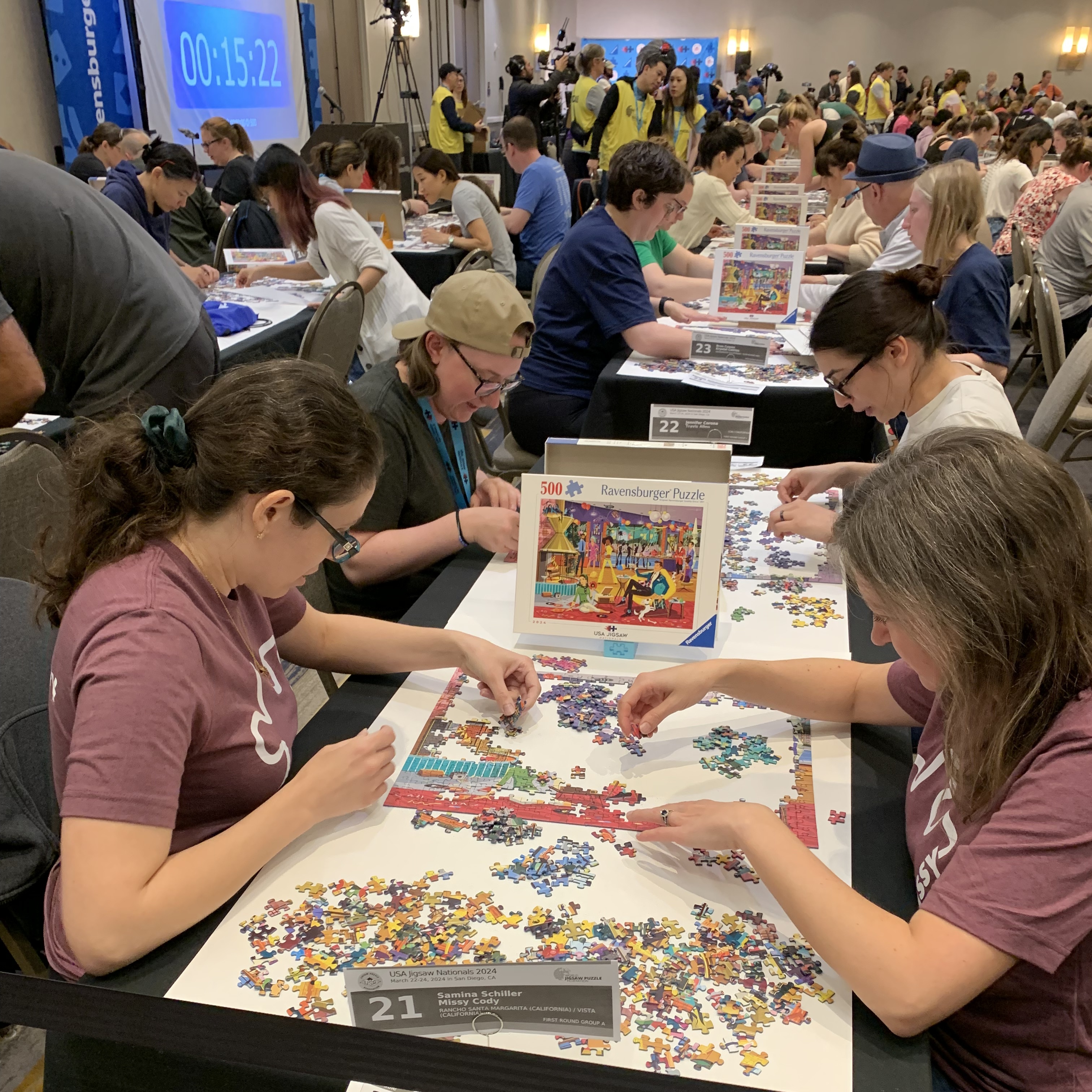
For decades, completing a puzzle was a purely manual pursuit, relying solely on human patience, pattern recognition, and tactile trial and error. Today, the rise of object recognition jigsaw technology is fundamentally transforming how we interact with digital puzzles. By integrating sophisticated computer vision and machine learning, modern puzzle games are no longer static images; they are intelligent systems capable of analyzing shapes, colors, and textures in real-time. This technological evolution allows for more dynamic gameplay, enabling features like smart sorting and adaptive difficulty scaling that were once impossible. Whether you are looking to improve your skills for timed jigsaw completion or simply exploring how AI creates a more seamless assembly experience, these advancements offer a smarter way to play. In this article, we will explore the underlying mechanics of this technology, examine how it is reshaping the gaming landscape, and look toward a future where AI and human cognition work in harmony to elevate the humble puzzle to new heights.
1. Understanding the Mechanics of Object Recognition Jigsaw Technology
1.1 Core Principles of Computer Vision in Puzzle Gaming
Computer vision serves as the backbone for modern digital puzzles, enabling software to “see” and interpret the complex geometry of puzzle pieces. At its core, the technology relies on high-fidelity image processing to bridge the gap between a static picture and an interactive challenge.
1.1.1 How algorithms analyze image gradients for edge detection
Algorithms calculate image gradients—changes in intensity or color—to identify the boundaries of puzzle pieces. By mapping these intensity transitions, the software effectively “cuts” the digital image into individual segments. This process is essential for maintaining high-quality visuals, ensuring that even when a player zooms in to inspect a detail, the edge remains crisp and mathematically defined.
1.1.2 Utilizing neural networks to identify color palettes and textural patterns
Beyond simple edges, neural networks are trained to recognize patterns and color gradients. By analyzing the frequency of specific hues and micro-textures, AI can group pieces that belong to similar visual regions, such as a blue sky or a textured landscape. This classification reduces the overwhelming nature of thousands of pieces by helping the engine suggest meaningful clusters to the player.
1.1.3 The role of feature extraction in differentiating complex puzzle shapes
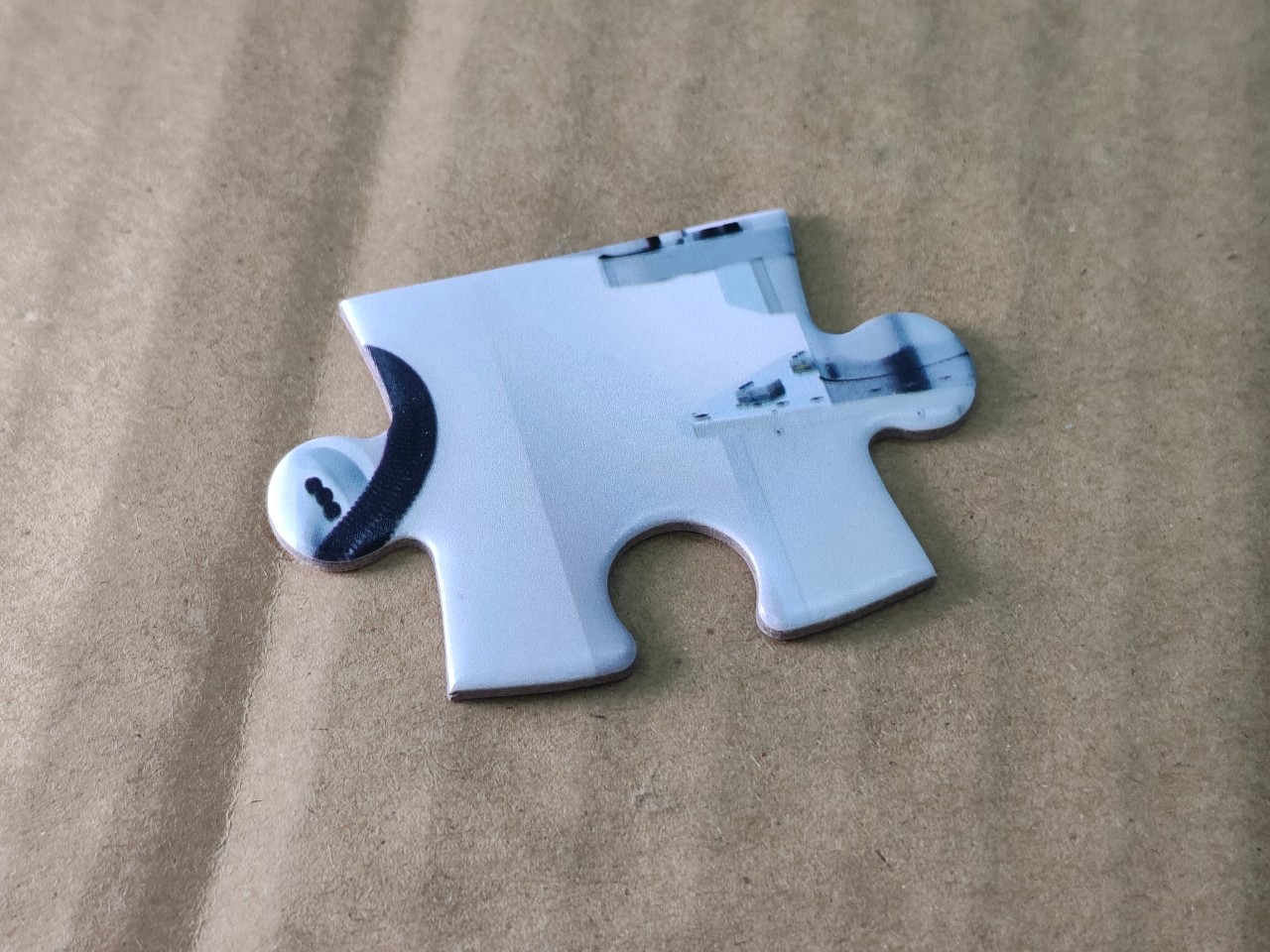
Feature extraction goes deeper than color by identifying the unique geometric “DNA” of each piece. Whether dealing with standard rectangular grids or complex 3D jigsaw puzzles, the system extracts key points—such as the specific curvature of a tab or the angle of a blank space—to ensure that each piece is unique and correctly identified within the virtual workspace.
1.2 AI Features That Revolutionize the User Experience
AI-driven tools have transformed digital assembly from a simple drag-and-drop exercise into an intelligent, guided experience.
1.2.1 Real-time piece sorting through machine learning classification
Machine learning models categorize pieces in real time based on their visual data. This sorting functionality allows the game to automatically organize pieces into trays based on edge patterns or color groups, significantly streamlining the assembly process.
1.2.2 Smart-snap mechanics using spatial coordinate recognition
Smart-snap technology relies on precise spatial coordinate recognition. When a player moves a piece near its correct position, the AI calculates the probability of a match. If the coordinates align within a specific tolerance, the game “snaps” the piece into place, providing a satisfying tactile feel that mimics physical assembly.
1.2.3 Predictive hint systems based on geometric shape analysis
Predictive hints go beyond highlighting the correct area. By analyzing the geometric shape of the current piece in hand, the AI can suggest the most logical fit based on the surrounding completed sections. This turns the process of [url=https://gameturn.net/timed-jigsaw-completion-tips-for-faster-puzzle-solving/]timed jigsaw completion[/url] into a more efficient, strategic exercise rather than a frustrating search.
1.3 Transforming Static Photos into Intelligent Puzzles
The ability to turn personal photographs into interactive puzzles has become a staple of modern gaming, relying on sophisticated backend processing.
1.3.1 Preparing high-resolution imagery for optimal object processing
Before a photo becomes a game, it undergoes pre-processing to normalize resolution and contrast. By boosting the clarity of features, the system ensures that the object recognition software can distinguish between subtle shadows and clear object outlines, leading to a much higher quality final product.
1.3.2 Applying generative AI to adjust puzzle complexity based on image density
Generative AI assesses the “information density” of an image. If a photo contains high visual noise or complex textures, the AI can suggest or automatically apply a higher piece count to ensure the challenge level remains engaging. This prevents the puzzle from feeling too easy or unfairly difficult.
1.3.3 Best practices for uploading personal photos for algorithmic conversion
When uploading your own images, ensure the source file is well-lit and contains distinct color contrast. Avoid blurry images or photos with extreme grain, as these artifacts can confuse the feature extraction algorithms, potentially leading to pieces that do not “snap” together with high precision. Choosing high-resolution files will always result in a more responsive and enjoyable gaming experience.
2. The Future of AI-Driven Puzzle Development and Accessibility
2.1 Advanced Gameplay Customization and Replayability
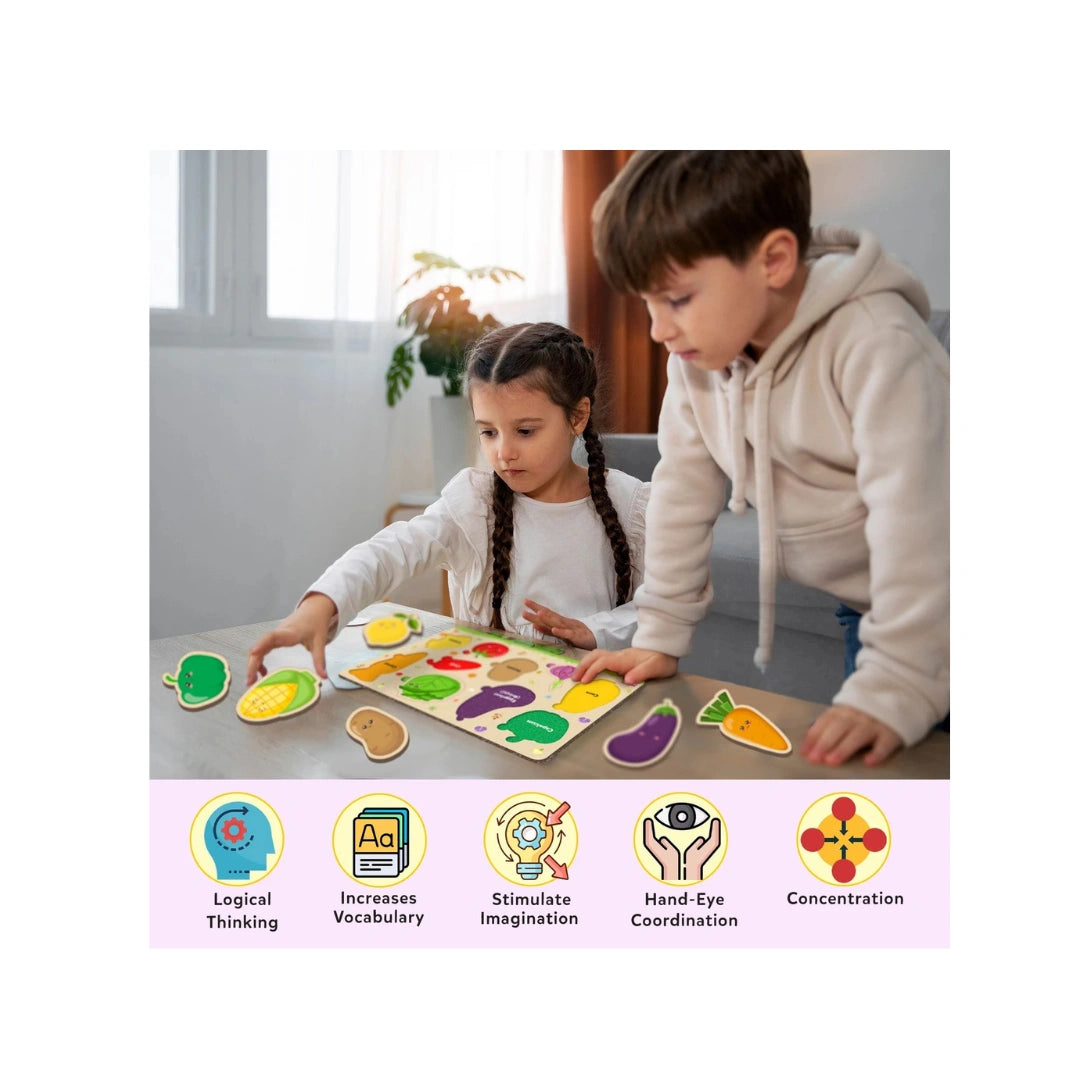
The integration of artificial intelligence is fundamentally changing how we engage with jigsaw puzzle games. Beyond simple randomization, developers are now leveraging procedural content generation to ensure that no two sessions are ever identical. By using algorithmic seeds to determine piece shapes and edge cuts, games can offer infinite variations, preventing the repetitive memorization that often plagues traditional puzzle solving.
Furthermore, adaptive difficulty scaling is becoming a standard feature. By utilizing real-time image complexity assessment, AI models analyze the color gradients, texture density, and object clusters in an image to dynamically adjust the puzzle’s difficulty. If a player struggles with a high-detail image, the system can subtly adjust the piece count or increase the visual contrast, ensuring the experience remains rewarding rather than frustrating. This personalization extends to AI-curated themes, where the engine recognizes a player’s previous preferences to suggest new challenges that match their unique taste, creating a highly tailored gaming loop.
2.2 Integration with Emerging Technologies
The bridge between virtual gameplay and physical reality is closing thanks to rapid advancements in spatial computing. We are beginning to see object recognition applied to Augmented Reality (AR) setups, where users can interact with virtual puzzle pieces projected onto their physical surroundings. This technology tracks the user’s hand movements and spatial environment, allowing them to manipulate pieces in 3D space as if they were sitting at a real table.
To maintain a seamless experience, developers are increasingly relying on cloud-based vision APIs. These services synchronize puzzle states across multiple devices, meaning a player can start a complex, multi-layered puzzle on a tablet and finish it on a desktop without losing their progress. Additionally, the immersion is being heightened through haptic feedback loops. By using AI to detect the precise moment of a piece-matching event, games can trigger subtle vibrations or auditory cues, providing tactile satisfaction that mimics the physical “click” of a cardboard puzzle piece falling into place.
2.3 Navigating Ethics and Usability in Modern Puzzles
As automation becomes a core component of puzzle design, it is vital to strike a balance between assistive technology and the cognitive challenge that makes [url=https://gameturn.net/timed-jigsaw-completion-tips-for-faster-puzzle-solving/]Timed Jigsaw Completion[/url] so rewarding. Over-reliance on AI hints can diminish the sense of accomplishment, so modern design often limits assistance to optional, guided feedback rather than automatic solutions.
Data privacy remains a top priority, especially when users upload personal photos for conversion. Transparent handling of these images—ensuring they are processed locally or through secure, encrypted APIs that do not store user data—is essential for building trust. Finally, AI is proving to be a powerful tool for inclusivity. By enhancing image contrast, implementing high-visibility modes, and offering voice-controlled navigation, developers are making digital puzzles accessible to users with visual impairments. These efforts ensure that the joy of problem-solving remains available to everyone, regardless of physical ability or technological background.
The integration of object recognition jigsaw technology represents a significant leap forward in how we engage with digital puzzles. By leveraging advanced computer vision and machine learning, developers are transforming static images into dynamic, intelligent experiences that adapt to our unique skill levels. Whether you are tackling complex 3D jigsaw puzzles or testing your speed with timed jigsaw completion, AI-driven mechanics provide a more intuitive and responsive environment that removes common frustrations while keeping the cognitive challenge intact.
As we look to the future, the combination of generative AI and spatial awareness will likely pave the way for even more immersive gaming sessions. From augmented reality overlays that help you visualize piece placement to adaptive difficulty systems that learn from your preferences, the boundaries of what these games can offer are constantly expanding. If you are looking to sharpen your own skills, you can explore more strategies in our guide to timed jigsaw completion: tips for faster puzzle solving. Ultimately, this technology ensures that puzzle games remain a timeless, rewarding way to exercise the mind, blending traditional problem-solving with the cutting-edge power of modern automation.