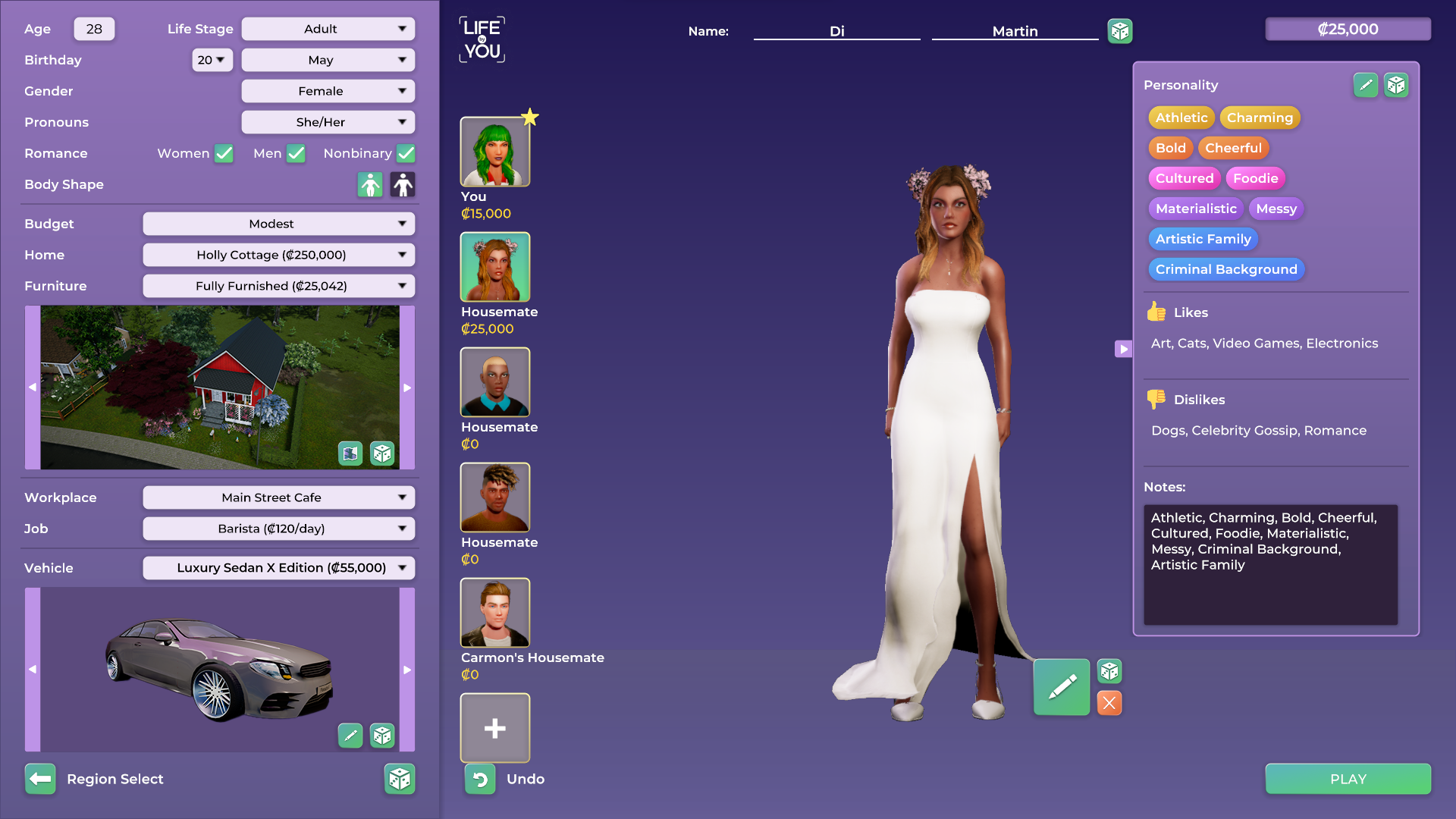
There is something uniquely satisfying about curating your own corner of a digital universe, whether you are meticulously designing a dream home or managing the complexities of a thriving community. Simulation life games offer more than just a distraction; they provide a profound sense of agency, allowing players to weave intricate stories and build environments that reflect their personal creative vision. From the quiet joy of casual virtual pet care to the intense focus required in systemic city builders, this genre captures a wide range of human interests and emotional needs.
In this guide, we will explore how to elevate your gameplay by moving beyond basic mechanics. You will learn advanced architectural techniques, how to utilize modding communities to expand your experience, and expert strategies for balancing aesthetics with resource management. Whether you are seeking atmospheric relaxation games to unwind after a long day or looking for new ways to master your current favorite virtual world, these tips will help you transform your approach to simulation life games and make every session more immersive.
For players who enjoy exploring new titles before they hit the market, you can also browse our upcoming game previews to see which releases might define the future of the genre.

1. Exploring and Mastering Top Rated Simulation Life Games
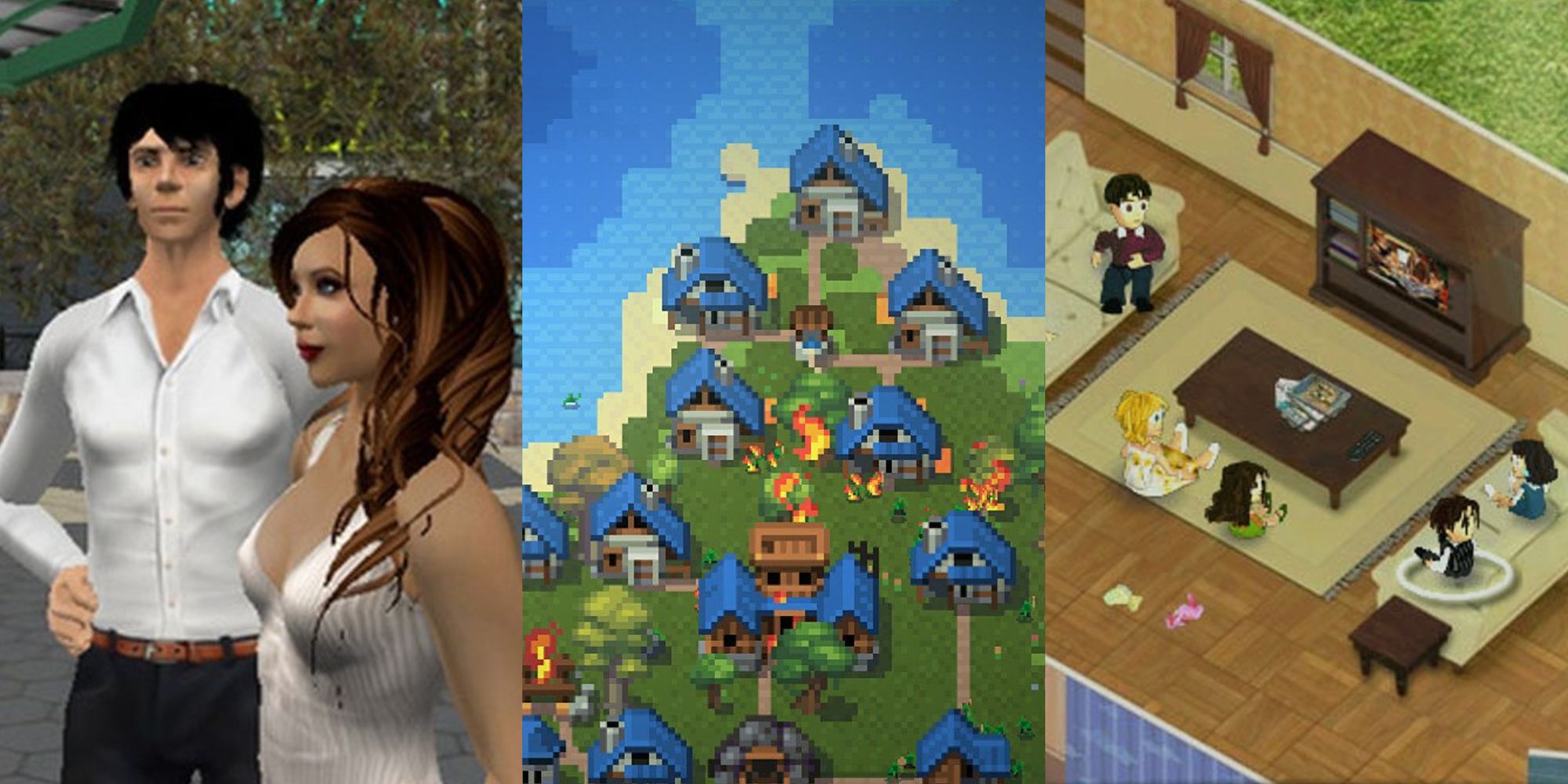
The world of simulation life games offers a unique escape, allowing players to step into roles that range from mundane suburban living to elaborate, systemic world-building. At its core, this genre thrives on the player’s desire to exert control, design environments, and witness the unfolding stories of their digital inhabitants. Whether you are seeking high-stakes management or simple, atmospheric relaxation games, understanding the nuances of the genre is the first step toward becoming a master architect of your own virtual experiences.
1.1 Understanding the Life Simulation Genre Landscape
Life simulation is a broad category that can be intimidating for newcomers. To navigate it successfully, it is important to distinguish between titles that focus on individual agency and those that prioritize large-scale systemic management.
1.1.1 Key Differences Between Social Life Sims and City Builders
Social life simulations focus heavily on individual character needs, personality traits, and interpersonal relationships. These games invite you to micro-manage the daily lives of your avatars, often emphasizing emotional connection and domestic storytelling. Conversely, city builders shift the perspective upward. In these titles, the focus is on macro-management, infrastructure, and the flow of resources. While a social sim might ask you to manage a family dinner, a city builder demands you manage power grids, traffic patterns, and economic output to keep a population thriving.
1.1.2 Psychological Drivers Behind Virtual Agency and Storytelling
Why do we love these games? Often, it comes down to the concept of agency. In a world where real-life outcomes can be unpredictable, simulation life games provide a sandbox where actions lead to immediate, logical consequences. This sense of control satisfies a deep psychological need for order and creative expression. Players aren’t just following a linear plot; they are acting as the primary author of their own emergent narratives, finding deep satisfaction in the stories that evolve organically from their decisions.
1.2 Curated Recommendations for Every Play Style
Finding the right game depends largely on whether you prefer structured goals or open-ended sandbox creative simulation.
1.2.1 Iconic Classics for Household and Social Management
For those who enjoy intimate storytelling, the industry giants remain the gold standard. These games allow you to design dream homes from the ground up while managing complex social hierarchies and character aspirations. They remain the best entry point for players who want to jump straight into deep, character-driven gameplay.
1.2.2 Advanced Titles Focused on Systemic World Creation
If you prefer mechanical depth over social interaction, look for titles that focus on systemic world creation. These games often require you to balance complex variables like temperature, population growth, and resource scarcity. The city building strategy: mastering resource management is essential here, as even a small miscalculation in your logistics network can lead to a cascading collapse of your virtual civilization.
1.2.3 Hidden Gems and Indie Titles with Unique Mechanics
Don’t overlook the indie scene, which is currently pushing the boundaries of the genre. Many developers are experimenting with casual virtual pet care mechanics combined with exploration, offering a refreshing departure from traditional household management. These smaller titles often provide tighter, more focused experiences that are perfect for players who want something distinct and inventive.
1.3 Comparison Matrix for Game Selection
Choosing the right title requires balancing your desire for complexity against the time you have available to invest.
1.3.1 Evaluating Depth and Technical Complexity
Not every player wants a steep learning curve. Highly technical simulations offer incredible longevity but demand hours of study. Before diving in, assess whether you want a title that acts as a relaxing hobby or a secondary job that rewards deep mechanical knowledge.
1.3.2 Assessing Visual Styles and Creative Freedom
Visual style heavily impacts immersion. Some players prefer realistic, high-fidelity graphics to ground their experience in reality, while others gravitate toward stylized, artistic designs that prioritize whimsy and charm. Consider your personal preference for creative freedom—do you want a game that provides strict building limitations for added challenge, or a truly blank canvas where you can build anything you can imagine?
2. Advanced Strategies for Virtual World Building and Optimization
2.1 Architectural Techniques for Immersive Environments
Building a compelling virtual world requires more than just placing assets; it demands a deliberate approach to design. By blending structural planning with creative storytelling, you can transform a basic layout into a vibrant, living ecosystem.
2.1.1 Defining Play Styles and Setting Long Term Goals
Before laying the first foundation, identify your objective. Are you aiming for a high-efficiency layout designed for rapid progress in city building strategy titles, or are you prioritizing aesthetic beauty for a sandbox creative simulation? Setting long-term goals—such as completing a specific architectural set or reaching a milestone in population growth—provides a roadmap. This focus prevents you from burning out on minor details and ensures your virtual space feels cohesive.
2.1.2 Implementing Narrative Design and Character Lore
Immersive environments thrive on subtle storytelling. Instead of generic structures, build with purpose. Consider who lives in your houses or works in your shops. By creating a backstory for your characters, you inform your building choices; a librarian’s home should look drastically different from a thrill-seeker’s loft. Adding these layers of personality makes your virtual world feel authentic and deeply personal.
2.1.3 Efficiency Hacks for Balancing Resources and Aesthetics
You don’t need to sacrifice visual appeal for functionality. Use zoning to group similar services together to minimize travel time for AI agents, while utilizing “buffer zones” of gardens or parks to hide industrial infrastructure. By layering decorative items over functional ones, you can maintain a high-quality visual style without compromising the mechanical performance of your save file.
2.2 Enhancing Gameplay Through External Tools and Community Support
The longevity of many simulation titles relies on the dedication of their fanbases. Engaging with these communities can breathe new life into older games and solve complex design problems.
2.2.1 Leveraging Modding Communities for Unlimited Content
Modding is the heartbeat of many virtual world builders. From adding new furniture sets to expanding the logic of AI behaviors, community-made content offers endless variety. Platforms dedicated to your specific game are often treasure troves of assets that provide the “unlimited” creative freedom that base games sometimes lack.
2.2.2 Basic Modding Tutorials and Engine Customization
If you are new to modding, start by using mod managers that handle file injection automatically. These tools lower the barrier to entry significantly. As you grow more comfortable, exploring game configuration files or texture editing can allow you to tailor the game engine to your specific hardware capabilities, ensuring a smoother experience.
2.2.3 Documenting and Sharing Your Virtual Projects
Capturing your progress through screenshots or video journals not only helps you track your growth but also contributes to the wider community. Sharing your builds on forums or social media often leads to constructive feedback and inspiration, helping you refine your techniques for future projects.
2.3 Technical Troubleshooting and Performance Maintenance
As your world grows in complexity, so does the strain on your hardware. Maintaining performance is essential for long-term enjoyment.
2.3.1 Managing Large Scale Simulations on Varied Hardware
Large environments often suffer from frame rate drops due to object density. To manage this, limit the number of active high-polygon items in a single view. If you are playing on a mid-range system, prioritize performance settings over ultra-quality textures; a smooth, responsive simulation is far more enjoyable than a beautiful slideshow.
2.3.2 Best Practices for Save File Management and Backups
Nothing ruins an immersive session like a corrupted save file. Always maintain at least three rotating save slots. For long-term projects, create a manual backup of your save folder externally or in cloud storage. This simple habit protects hundreds of hours of work from potential software bugs or system crashes.
2.3.3 Navigating Game Updates and Software Compatibility
Major updates can sometimes break older mod installations or save states. Whenever a game announces a significant patch, pause your automatic updates to allow the modding community time to release compatible versions. Checking developer logs before updating is the best way to avoid unexpected technical hurdles.
2.4 Frequently Asked Questions
2.4.1 Advice for Beginners Versus Advanced Simulation Veterans
Beginners should focus on mastering core mechanics before diving into complex mods. If you are a veteran, start pushing the boundaries of the engine by experimenting with non-standard building techniques or intricate automation systems to keep the experience fresh.
2.4.2 Essential Skills for Customizing Simulation Experiences
Developing patience is your most valuable asset. The ability to visualize an end result and break it down into manageable daily steps is what separates a casual builder from a master. Additionally, learning to navigate community forums effectively will save you countless hours of troubleshooting.
2.4.3 Optimization Tips for Maintaining Smooth Frame Rates
Close background applications to free up RAM, and regularly clear your game’s cache files. If your system still struggles, reduce draw distances and shadow resolution, as these settings are the most common culprits for performance degradation in large-scale simulation titles.
The beauty of simulation life games lies in the limitless potential for personal expression and digital storytelling. Whether you are diving into the meticulous details of sandbox creative simulation or finding peace through atmospheric relaxation games, these virtual worlds act as a canvas for your imagination. By mastering the art of architectural design, engaging with community mods, and balancing your long-term goals with day-to-day management, you can transform simple mechanics into deeply personal experiences that resonate with your own creative vision.
As you continue to refine your skills, remember that the most rewarding aspect of these games is the process itself. There is no right or wrong way to play; the journey of building, tweaking, and evolving your virtual space is where the true value lies. If you are looking to expand your digital horizons, you might also enjoy exploring our insights on upcoming game previews to see what the next generation of simulators has in store. Embrace the freedom of these digital playgrounds, experiment with new strategies, and most importantly, have fun shaping your unique corner of the virtual world.