
There is a unique, meditative satisfaction in watching a barren plot of land transform into a thriving metropolis, but any veteran player knows that the facade of beauty is held up by the brutal reality of math. Mastering city building strategy is not just about placing aesthetically pleasing parks or monuments; it is an exercise in balancing finite resources, managing complex supply chains, and predicting the needs of a growing population before they become a crisis. Whether you are navigating the rigid demands of resource management games or untangling the web of high-level industrial production, your success hinges on how effectively you organize your logistical flow.
In this guide, we will break down the core pillars of urban design and fiscal responsibility. You will learn how to optimize your production foundation, transition from manual oversight to automated infrastructure, and safeguard your city against inevitable economic volatility. Whether you are just starting your first playthrough or looking to refine your endgame efficiency, these insights will help you build a resilient, scalable, and profitable city.
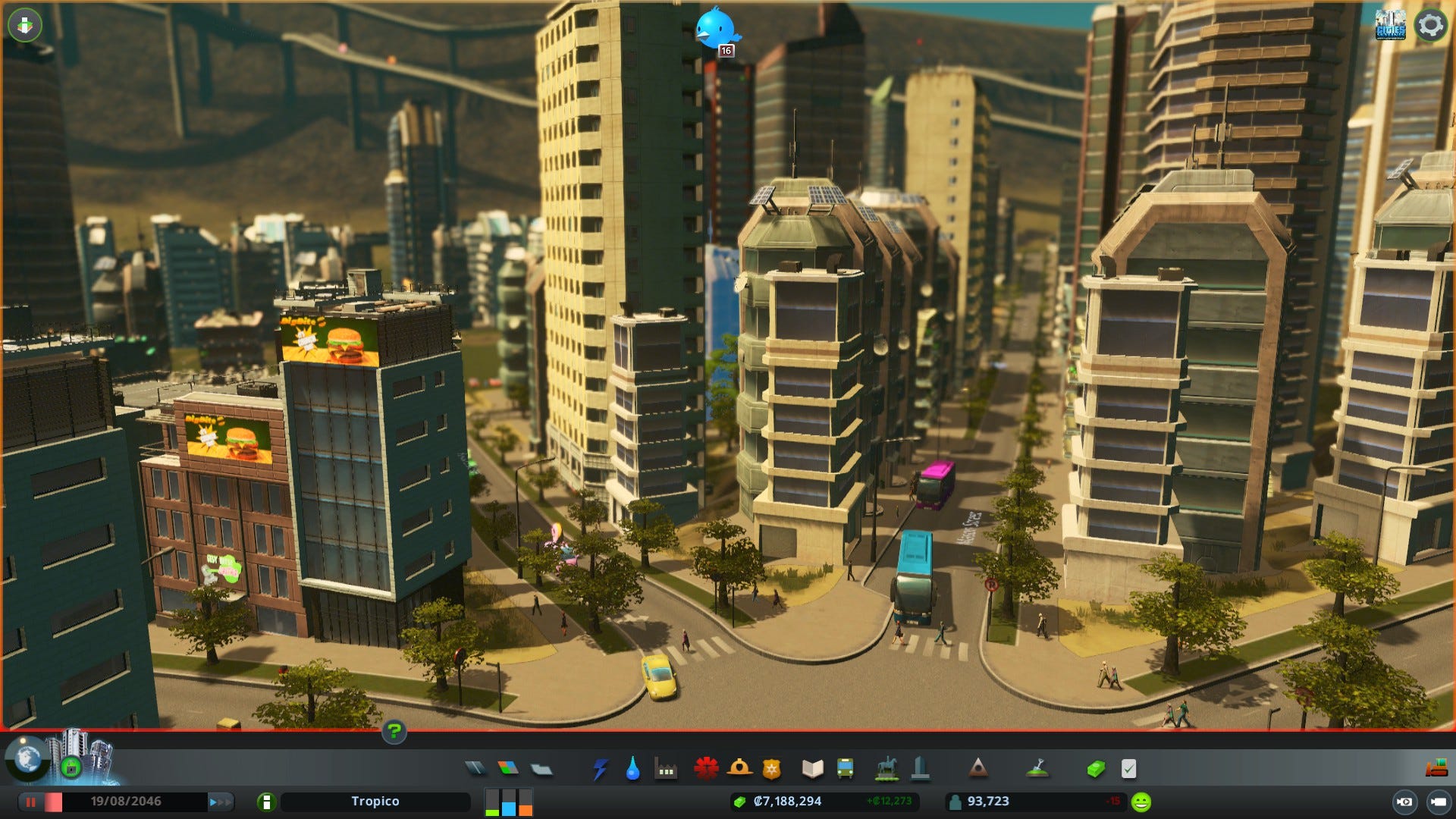
1. Mastering City Building Strategy for Sustainable Resource Economics

Effective resource management is the heartbeat of any thriving digital metropolis. When you first jump into a city building strategy game, the temptation is often to expand rapidly. However, sustainable growth relies on a deep understanding of your production chains and the delicate balance between supply and demand. By prioritizing efficiency over raw size, you create a stable foundation that can withstand the later challenges of massive population growth.
1.1 Developing an Efficient Production Foundation
1.1.1 Balancing Early-Game Resource Inputs and Outputs
In the early stages, your primary goal is to establish a positive cash flow while ensuring citizens have basic needs. Every resource unit you extract—whether it is lumber, ore, or grain—must have a clear destination. Avoid overproducing raw materials that sit idle in warehouses, as this ties up capital that could be used for infrastructure. Instead, aim for a tight loop where every input feeds directly into a processing facility, minimizing downtime and storage costs.
1.1.2 Identifying Bottlenecks in Supply Chains
Bottlenecks typically occur at the transition points between raw material extraction and industrial processing. If your factories are constantly idling despite having abundant raw materials, the issue is almost certainly logistical. Look for “dead zones” where transport vehicles struggle to navigate or where cargo terminals are overwhelmed by incoming deliveries. Often, simply moving a storage facility closer to the production line can resolve a stagnant economy.
1.1.3 Strategic Stockpiling Versus Reinvestment
Maintaining a small, reliable stockpile is essential for surviving emergencies, but hoarding resources is a common pitfall. If your warehouses are constantly full, you are effectively paying maintenance costs on assets that aren’t working for you. Strategic reinvestment—such as upgrading transit networks or expanding energy capacity—yields higher long-term dividends than letting goods gather dust.
1.2 Optimizing Infrastructure and Logistics Networks
1.2.1 Spatial Planning for Minimizing Transit Time
Effective logistical network planning is about reducing the distance between the source and the consumer. By grouping heavy industries near transit hubs and keeping residential zones away from high-traffic arteries, you significantly reduce the commute and delivery times that can choke a growing city. Think of your city as a circulatory system; the faster resources can flow, the healthier your economy becomes.
1.2.2 The Role of Distribution Hubs in Scaling
As your city expands, relying on point-to-point transport becomes inefficient. Distribution hubs act as central clearinghouses that aggregate goods from multiple producers before shipping them to where they are needed most. This centralization allows you to scale production without clogging your road networks with unnecessary individual shipments.
1.2.3 Implementing Automated Waste and Overflow Management
Managing the “back end” of your economy is just as important as production. Automated systems for waste removal and overflow storage ensure that your city doesn’t grind to a halt due to logistical gridlock. If you are looking for tips on keeping your city running smoothly, you might want to look at how different systems work together, similar to how one might utilize collaborative effort for efficiency.
1.3 Scaling Systems for Long-Term Growth
1.3.1 Specializing Districts for Resource Clustering
Clustering similar industries creates synergistic bonuses that lower costs and boost output. By zoning specific areas for high-tech manufacturing or heavy industry, you simplify your logistics and allow for specialized infrastructure that supports those specific resource loops.
1.3.2 Transitioning from Manual Oversight to Automated Logic
As your city grows, manual micromanagement becomes impossible. The transition to automation—such as setting smart traffic routes or automated import/export policies—is the true mark of a master city builder. Use game-provided tools to set thresholds for resource levels, allowing the computer to manage the minor fluctuations while you focus on high-level economic planning.
1.3.3 Tracking Essential Performance Indicators and Metrics
You cannot improve what you do not measure. Regularly checking your dashboard for metrics like employment rates, resource throughput, and budget variance is vital. By keeping a close eye on these KPIs, you can pivot your strategy before a minor supply issue spirals into a city-wide collapse.
2. Troubleshooting and Advanced Management Tactics
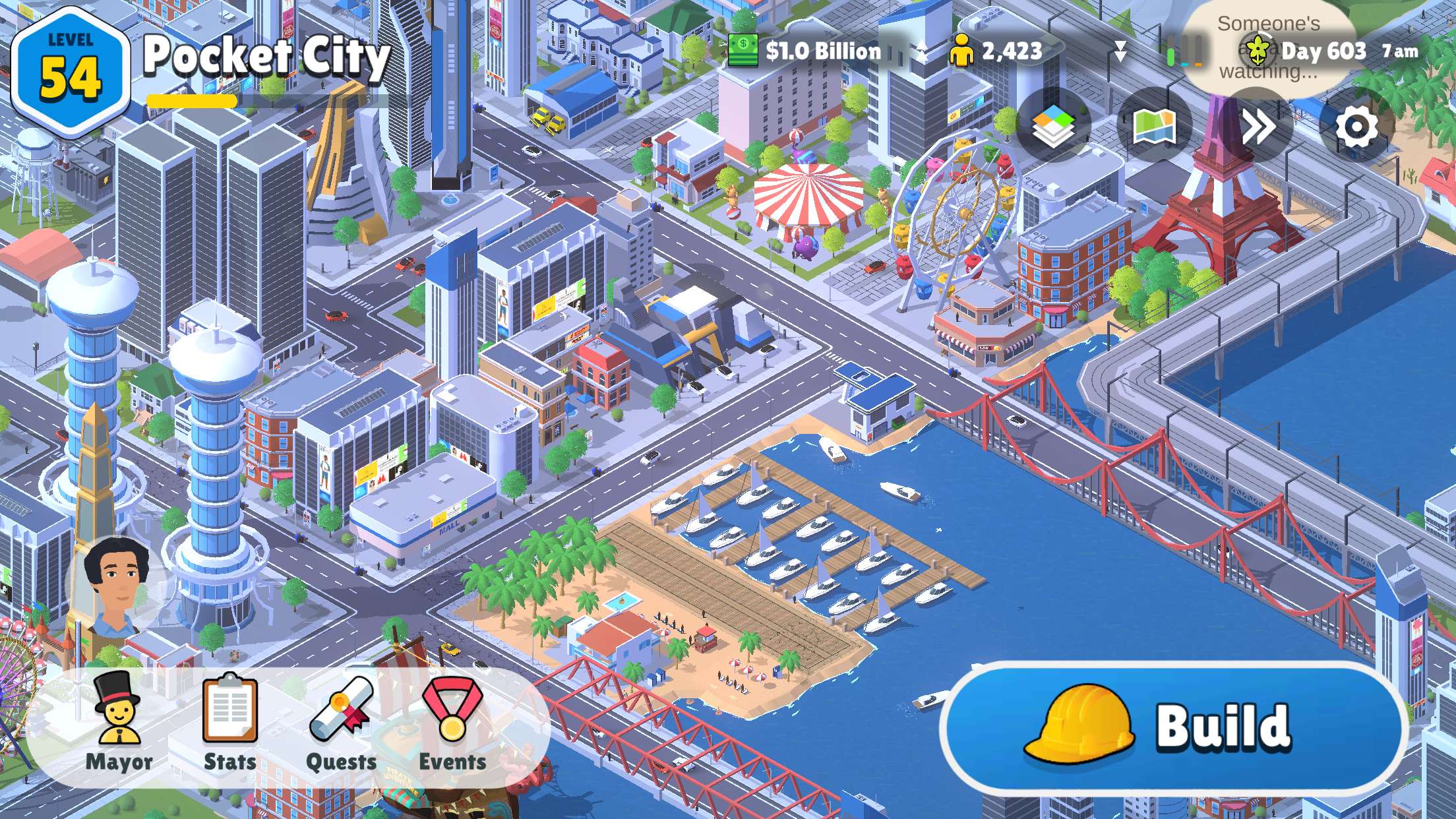
2.1 Resolving Economic Crises and Stability Issues
Even the most meticulously planned metropolis can fall victim to instability. When your city building strategy faces a sudden downturn, understanding the root cause is the difference between a minor setback and a total collapse.
2.1.1 Diagnosing and Preventing the Resource Death Spiral
The “death spiral” typically occurs when a shortage of a critical resource, such as electricity or water, halts production, which in turn leads to a lack of tax revenue and further service failures. To prevent this, always maintain a buffer of raw materials and never operate your utility grid at 100% capacity. Monitoring your supply chain flow in real-time allows you to identify which specific sector is failing before it cascades into a city-wide blackout.
2.1.2 Managing Labor Shortages During Population Spikes
Rapid growth is exciting, but it often outpaces your infrastructure’s ability to support it. If your industries go idle due to a lack of workers, prioritize high-density residential zoning and ensure transit lines effectively connect these homes to job centers. Sometimes, the issue isn’t the total population, but rather the commute time; if workers spend too long in transit, they aren’t considered “available” for their shifts, creating an artificial labor shortage.
2.1.3 Recovery Strategies for Recessions and Supply Collapse
During an economic recession, your primary goal is survival, not growth. Immediately slash non-essential spending, such as decorative parks or unnecessary public services, and focus your remaining budget on maintaining the core utilities that keep your citizens healthy. If you have hit a point where you feel like you are failing, consider taking financial advice from a lottery winner—or in this case, applying the same disciplined mindset to your city’s budget to restructure your debt and restore fiscal balance.
2.2 Implementing Advanced Economic Hedging
Advanced city builders treat their economy like a diversified portfolio rather than a static balance sheet. By anticipating fluctuations, you build a resilient city that survives even the harshest in-game events.
2.2.1 Diversifying Assets to Combat Market Fluctuations
Relying on a single industry, such as coal or timber, leaves your city vulnerable to market volatility. Balance your income by developing multiple industries and service sectors. When one market dips, the others help cushion the blow, keeping your tax revenue stable and your treasury in the green.
2.2.2 Predictive Budgeting for Maintenance and Seasonal Dips
In many resource management games, maintenance costs remain constant while output might fluctuate seasonally. Predictive budgeting involves setting aside a surplus during peak production months to cover costs during lean times. Keep a close eye on your maintenance metrics and ensure you have enough cash flow to cover the depreciation of your aging infrastructure.
2.2.3 Designing Safety Buffers for Disaster Recovery
Disasters, whether natural or economic, are inevitable. Always keep a liquid cash reserve equivalent to at least two months of full city operation costs. Furthermore, ensure your logistical network has redundant routes; if a single bridge or highway collapse can paralyze your city, your design is too fragile.
2.3 Expert Strategies for Complex Production Loops
Once you master basic logistics, you must optimize for efficiency. Complex production loops require a deep understanding of how labor and storage interact within your city.
2.3.1 Calculating Required Labor Force for Industrial Growth
Do not simply zone industrial land and hope for the best. Calculate the specific labor demand per facility. If your city is highly educated, avoid building low-skill sweatshops, as they will struggle to fill positions. Match your industrial zoning to your population’s current education levels to ensure peak output.
2.3.2 Determining When to Prioritize Import vs Local Production
Local production is often cheaper in the long run, but imports offer better agility. In the early game, import raw materials to kickstart growth. As your economy scales, transition to local production to avoid the unpredictability of external trade partners. If your city is land-locked, prioritize local production to prevent logistical bottlenecks at border crossings.
2.3.3 Solving Production Stalls Caused by Storage Overfill
A paradox of management is that your production can stop because you have too much of a product. If storage facilities reach capacity, they stop accepting incoming goods, creating a traffic jam in your supply chain. Monitor your storage levels closely and use export hubs or resource sinks to dump excess goods when you approach maximum capacity, keeping your production lines moving smoothly.
Mastering the complexities of city building strategy is an ongoing journey of refinement and adaptation. By focusing on a stable production foundation, optimizing your logistical network planning, and staying ahead of market shifts, you transform your city from a fragile settlement into a thriving, self-sustaining metropolis. Remember that the most successful mayors are those who view their city not as a static map, but as a living, breathing system where every resource movement and labor allocation ripples across your entire economic landscape.
As you continue to test new configurations and scale your infrastructure, don’t be afraid to experiment with different layouts or industrial specializations. Managing the ebb and flow of resources is a skill that improves with every session, and even the most seasoned players encounter unexpected challenges that require creative problem-solving. If you are looking for other ways to test your strategic mettle beyond the world of urban planning, check out these best racing sports games, which offer a different kind of high-stakes performance management. Keep building, keep analyzing, and enjoy the satisfaction that comes with watching your carefully crafted city reach its full potential.



Pingback: 15 Best Browser Games: Trending HTML5 Hits & Quick Fixes - GameTurn