
Whether you have five minutes to spare between meetings or you are looking to unwind after a long day, online mini games offer the perfect blend of instant entertainment and accessibility. The digital gaming landscape has shifted dramatically in recent years, moving away from clunky, outdated software toward sleek, browser-based experiences that require nothing more than an internet connection. Today, you can dive into a vast library of high-quality titles that run directly in your web browser without the need for hefty downloads or complicated installations.
In this guide, we explore the vibrant world of fun web games, helping you navigate the best platforms and genres available today. We will cover the technological shift toward free HTML5 games, offer expert advice on identifying secure minigame compilation hubs, and provide tips to optimize your setup for the best possible experience. Whether you prefer fast-paced arcade challenges or relaxing puzzles, understanding these casual online games ensures you spend less time searching and more time playing.
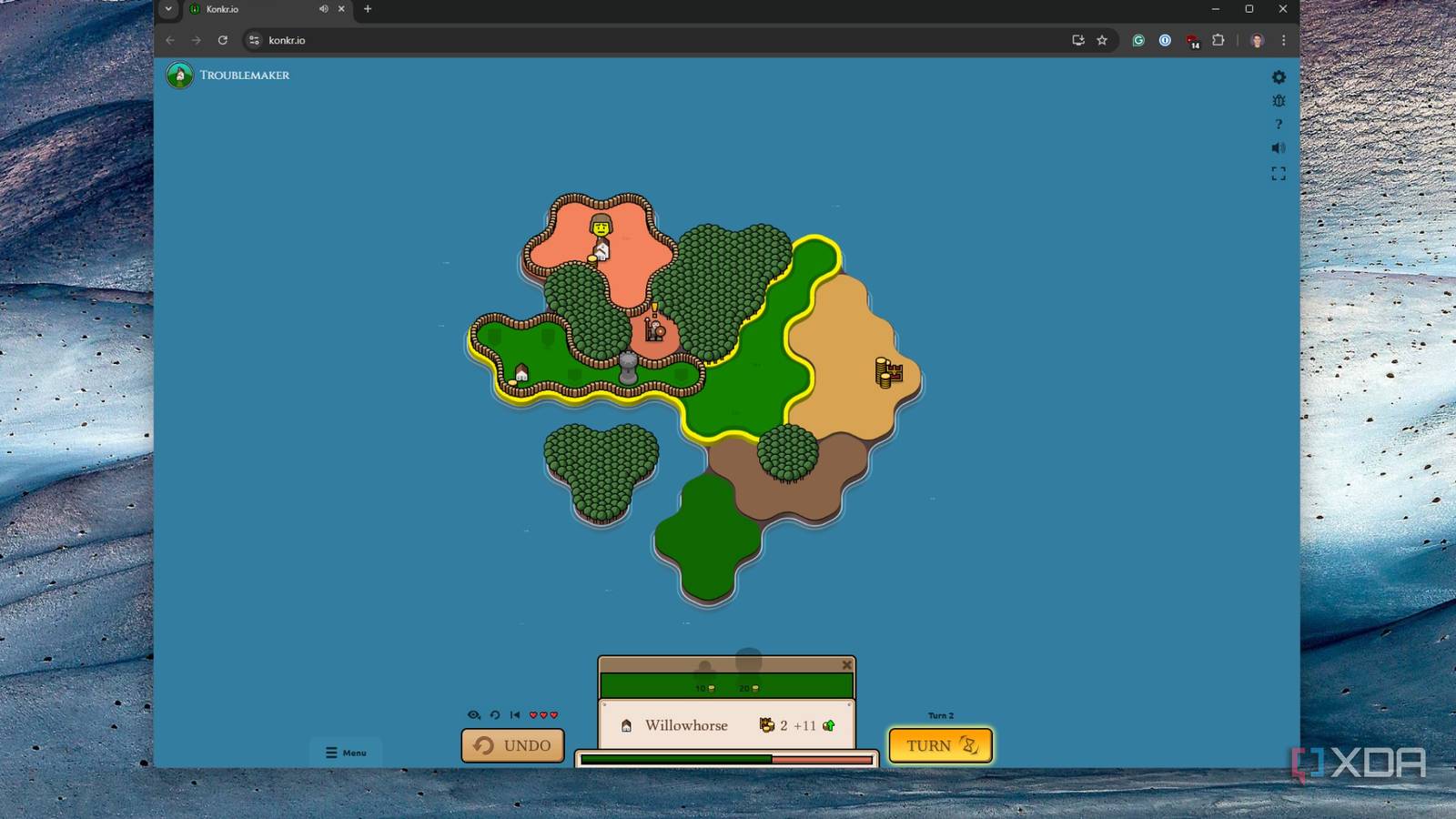
1. Understanding the Landscape of Modern Online Mini Games
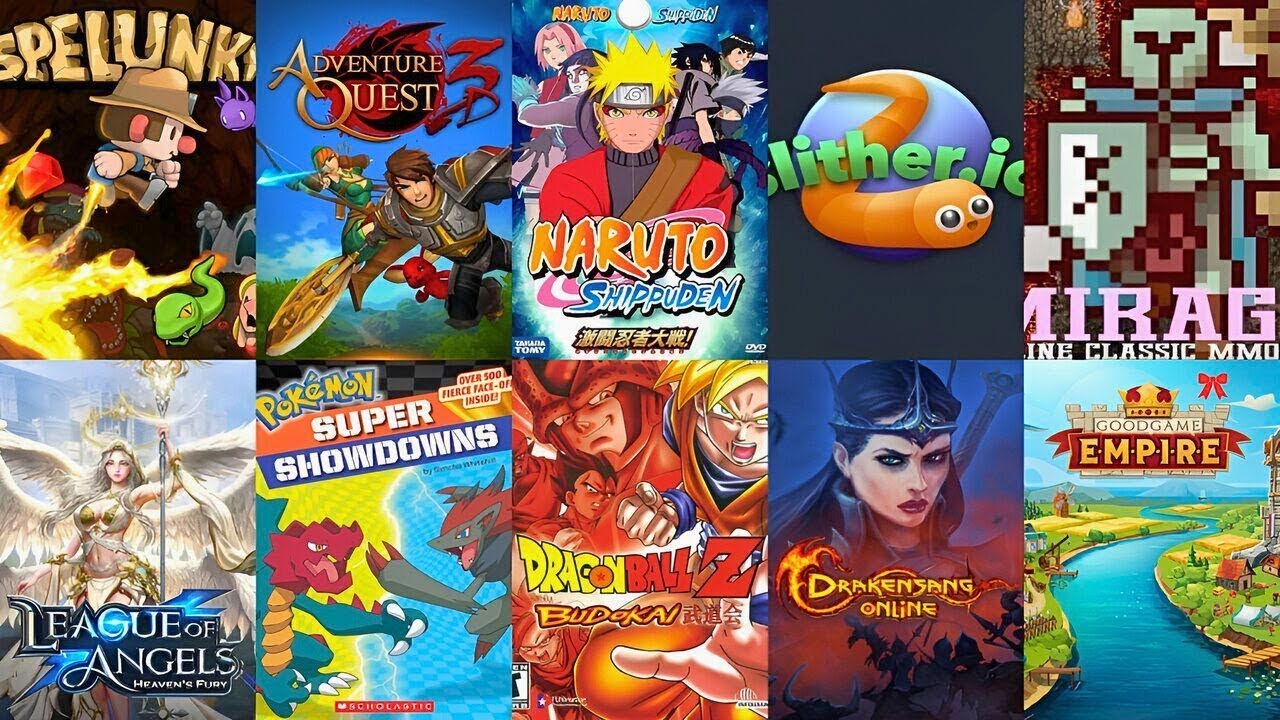
1.1 The Evolution of Browser-Based Gaming
1.1.1 Moving Beyond Flash: The Power of HTML5 and WebGL
The landscape of web gaming has undergone a massive transformation. For years, Adobe Flash was the industry standard, but its security vulnerabilities and lack of mobile support led to its eventual retirement. Today, the rise of HTML5 and WebGL has revolutionized how we play, allowing developers to create sophisticated, high-performance experiences that run directly in your web browser. These modern technologies enable hardware-accelerated 3D graphics and complex physics engines without requiring users to download heavy software or install clunky plugins. As a result, developers can port console-quality mechanics to the web, making high-fidelity free HTML5 games more accessible than ever before.
1.1.2 Why Instant Access Gaming is Dominating Casual Entertainment
Instant accessibility is the primary driver behind the surge in popularity for casual online games. In an era where attention spans are fragmented, users gravitate toward content that provides immediate gratification. Unlike AAA titles that require lengthy downloads and constant updates, web-based mini games allow you to jump straight into the action with a single click. This low barrier to entry makes them the perfect distraction during short breaks, commutes, or downtime. Because these experiences are platform-agnostic, you can enjoy the same game on a desktop computer, tablet, or smartphone, maintaining your progress seamlessly across devices.
1.2 Categorizing the Best Online Mini Games by Genre
1.2.1 Puzzle and Logic Challenges for Mental Agility
Puzzle games remain a cornerstone of the web gaming world. These titles are designed to stimulate cognitive function, requiring players to solve spatial, mathematical, or sequence-based problems. Whether it is a classic match-three mechanic, a complex physics-based puzzle, or a digital take on traditional brain teasers, these games provide a low-stress way to sharpen your logic skills during a busy day.
1.2.2 Reflex-Based Arcade and Action Titles
For players seeking an adrenaline boost, reflex-based arcade games offer fast-paced gameplay that tests your timing and coordination. These titles often feature simple control schemes, such as single-tap jumps or directional swipes, which contrast with their escalating difficulty. The challenge lies in surviving as long as possible or achieving the highest score before a split-second mistake ends your run.
1.2.3 Social and Competitive Multiplayer Experiences
The social dimension of browser gaming has evolved from simple high-score boards to real-time competitive arenas. Many modern mini game platforms now host “IO” style games, where you compete against dozens of other players simultaneously. These multiplayer sessions foster a unique, often chaotic environment where strategy and quick thinking are essential to dominate the leaderboard.
1.3 Essential Security and Safety Standards for Gamers
1.3.1 Identifying Reputable Hosting Platforms vs. Malicious Sites
Not all game portals are created equal. When searching for new titles, prioritize established minigame compilation hubs that have clear privacy policies and a history of user safety. Look for indicators such as HTTPS encryption, a lack of intrusive pop-ups, and transparent developer credits. Avoid sites that require you to download executable files, as reputable browser games should always run directly within the browser container.
1.3.2 Managing Browser Privacy and Ad-Blocker Configuration
Managing your digital footprint is vital when engaging with free gaming sites. Most of these platforms are supported by advertising, which can occasionally lead to cluttered interfaces or tracking cookies. Utilizing a reliable ad-blocker or privacy-focused browser settings can significantly improve your experience. However, ensure you white-list your favorite, trustworthy sites to help them keep their content free to access.
1.3.3 Protecting Personal Data While Playing Anonymous Web Games
The best casual gaming experiences are those that require zero personal information. Be wary of any site that asks for your email address, social media login, or payment details just to play a simple web game. By choosing platforms that allow anonymous play, you eliminate the risk of data harvesting and keep your online experience strictly focused on entertainment.
2. Maximizing Your Performance and Experience with Online Mini Games
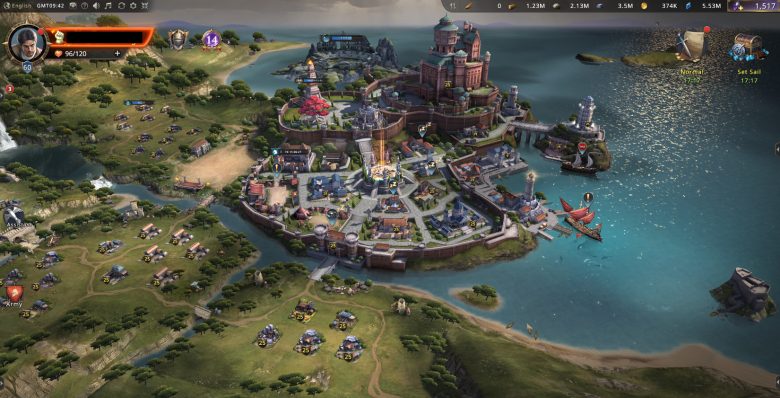
2.1 Hardware and Browser Optimization Strategies
2.1.1 Recommended Browser Settings for Smooth Gameplay
To enjoy seamless **online mini games**, your browser acts as the engine for your experience. Most modern **free HTML5 games** run directly in your browser, meaning they rely heavily on hardware acceleration. Ensure your browser is fully updated to the latest version to maintain compatibility with the newest WebGL standards. Within your settings, verify that “Hardware Acceleration” is toggled to the “On” position; this allows your browser to offload graphics processing from your CPU to your GPU, preventing stuttering in more visually complex titles.
2.1.2 Troubleshooting Performance Issues and Tab Management
If you notice your **fun web games** lagging, the most common culprit is memory exhaustion caused by having too many background tabs open. Browsers are resource-heavy, and each open tab consumes RAM. Before launching a gaming session, close unnecessary tabs—especially those running video streams or heavy data-tracking applications. If performance remains sluggish, clear your browser’s cache and cookies. Occasionally, cached files become corrupted and can interfere with game loading scripts, leading to broken assets or input delays.
2.1.3 The Role of High-Speed Internet in Real-Time Multiplayer
While most **casual online games** are single-player experiences, real-time multiplayer titles require a stable connection. Even if your download speed is high, “jitter” or packet loss can cause characters to teleport or controls to feel unresponsive. To mitigate this, prioritize a wired Ethernet connection over Wi-Fi when possible. If you must use wireless, ensure you are close to your router to minimize interference. You can refine your skills and test your connection stability with these trending HTML5 hits and quick fixes to see how your hardware handles different genres.
2.2 Strategies for Discovering High-Quality Casual Content
2.2.1 Leveraging Community Rankings and User Reviews
Finding hidden gems in a sea of thousands of titles can be overwhelming. The most reliable way to curate your list is to look at platforms that feature community-driven ranking systems. Websites that prioritize user reviews and playtime statistics allow you to filter games by “Most Played” or “Highest Rated.” Pay attention to comments regarding technical performance; if multiple users report that a game crashes on specific browsers, you can save time by skipping it.
2.2.2 Transitioning Between Desktop and Mobile Browser Play
Modern web gaming is increasingly cross-platform. Many developers now build games with responsive design in mind, allowing the game interface to adjust based on your screen size. When playing on mobile, be mindful of your data usage if you are not connected to Wi-Fi. Additionally, touch controls can vary significantly between games; look for titles specifically labeled as “Mobile-Friendly” to ensure the interface is optimized for your fingers rather than a mouse and keyboard.
2.2.3 Utilizing Bookmark Tools to Manage Your Personal Game Library
Rather than relying on history logs, create a dedicated folder in your browser bookmarks for your favorite games. Categorizing them by genre—such as puzzle, arcade, or strategy—makes it easy to find the right game to match your current mood. This organized approach ensures you don’t lose track of high-quality titles once you find them, effectively building a personalized hub of content that is always just a click away.
2.3 The Future Outlook for Web-Based Casual Gaming
2.3.1 Innovations in Browser-Based 3D Graphics and Physics
The landscape of **minigame compilation hubs** is shifting toward higher-fidelity experiences. With the refinement of WebGPU, browsers are now capable of rendering complex 3D environments that were previously restricted to downloadable software. This means developers can integrate advanced physics engines, resulting in games that feel weightier and more immersive. We are entering an era where web games offer sophisticated lighting, realistic textures, and complex collision detection, bridging the gap between casual browser play and traditional gaming.
2.3.2 Social Integration and the Growth of Cross-Platform Play
Social connectivity is becoming a core component of web gaming. Future titles are increasingly focusing on cross-platform functionality, allowing you to sync your progress across desktop, tablet, and smartphone browsers seamlessly. Expect to see deeper social integration, such as integrated friend lists, shared leaderboards, and real-time social lobbies that persist even as you switch devices. As browser technology evolves, the barriers to entry will continue to drop, turning simple web games into robust, social-first ecosystems.
Whether you are looking for a quick mental break during your workday or a way to unwind after hours, the world of online mini games offers an endless supply of entertainment that fits perfectly into any schedule. From casual online games that test your reflexes to complex puzzle titles that challenge your problem-solving skills, these web-based experiences have become the go-to choice for millions of users seeking instant, no-download fun. By understanding how to navigate these platforms safely and optimizing your browser settings, you can ensure that your gaming sessions remain smooth, secure, and enjoyable every single time you log on.
As you explore your favorite minigame compilation hubs, remember that the best experiences often come from being proactive about your digital environment. Keeping your browser updated and utilizing bookmarking tools will help you build a personalized library of high-quality fun web games that you can return to whenever you have a few minutes to spare. For those interested in discovering new genres or trending titles, we recommend checking out our list of the 15 best browser games to jumpstart your collection. Dive in, stay curious, and enjoy the convenience of modern, accessible gaming at your fingertips.


Pingback: Best Physics Puzzle Games: Top Logic & Spatial Challenges - GameTurn
Pingback: Free Browser Entertainment: Best Games & Interactive Toys - GameTurn
Pingback: Hexagonal Tile Jigsaw Guide: Tips for Solving Geometric Puzzles - GameTurn