
A fireplace is supposed to be the star of the livind onto the set. Dark red brick may overpower a small space, yellowed stone can clash with newer finishes, and a scratched mantel can make the entire room feel unfinished.
Fortunately, a thoughtful coat of paint can produce a dramatic fireplace makeover without the demolition dust, contractor schedule, or alarming renovation bill. The right painted fireplace can brighten a room, emphasize original masonry texture, coordinate with built-ins, or create a bold architectural focal point.
The key word, however, is thoughtful. Painting brick is not quite the same as painting drywall. Masonry is porous, soot interferes with adhesion, and areas exposed to intense heat require specialized products. Before introducing your fireplace to a roller and hoping for the best, use the following ideas and preparation advice to plan a finish that looks intentional and lasts.
What to Consider Before Painting a Fireplace
Decide whether painting is the right choice
Paint can hide unattractive color variations, stains, repairs, and dated masonry, but it is not automatically the best treatment for every fireplace. Well-preserved historic brick, handcrafted stone, or rare architectural details may be more valuable in their original condition. Removing paint from porous masonry later can be difficult, expensive, and potentially damaging, so think of this as a long-term design decision rather than a temporary Saturday experiment. >Inspect the surface
Look for crumbling mortar, loose brick, moisture stains, efflorescence, deep cracks, or recurring soot deposits. Paint is decorative, not structural therapy. It can make a tired fireplace look better, but it cannot repair a chimney problem while wearing a tiny contractor hat. Brick absorbs coatings rapidly because it is naturally porous. A compatible masonry primer helps seal the surface, improves adhesion, reduces uneven color, and prevents the brick from drinking expensive finish paint like it has just crossed a desert. High-quality acrylic latex paint is commonly used on properly prepared exterior fireplace surrounds, while heat-exposed areas need coatings specifically labeled for high-temperature fireplace applications. ion> A white painted brick fireplace remains popular because it immediately makes heavy masonry feel lighter. Warm white is especially versatile: it reflects light without creating the cold, blue cast that a brilliant white can produce in a north-facing room. Look for creamy whites, soft ivory, pale greige, or gentle off-white shades that coordinate with the room’s flooring and wall color. A warm white fireplace works particularly well with oak floors, woven baskets, linen upholstery, and natural wood mantels. It can support farmhouse, coastal, transitional, Scandinavian, and traditional interiors without demanding that the rest of the room join a design cult. For a seamless effect, paint the brick and adjacent wall in related shades. For more definition, pair the white masonry with a medium-tone wood mantel or black fireplace doors. Remember that white reveals soot quickly, so a washable finish may be more practical than a completely flat coating on the surround. Homeowners who want a lighter fireplace but still appreciate the original brick can use a translucent treatment instead of opaque paint. Whitewashing allows variations in the brick and mortar to remain visible, creating a relaxed, timeworn finish rather than a perfectly uniform surface. The amount of coverage can be adjusted as the coating is applied. A thin treatment produces a subtle haze, while additional layers create a more substantial white appearance. Work in small sections, step back frequently, and vary the coverage slightly. The goal is softly aged character, not a fireplace that looks as though it lost an argument with a bucket of milk. Mineral-based limewash is another option for suitable unpainted masonry. It bonds differently from conventional paint and can create a naturally mottled surface. Because products and masonry conditions vary, test an inconspicuous section before treating the entire fireplace. Whitewash and limewash are especially attractive in cottage, Mediterranean, rustic, and European-inspired rooms. >3. Create Drama With Matte Black or Charcoal
A black painted fireplace can turn ordinary brick into a strong architectural anchor. Instead of trying to make the fireplace disappear, this approach celebrates its size and texture. Matte black feels modern and graphic, while charcoal, brown-black, and soft black offer a slightly gentler result. Dark fireplace colors are most successful when the room includes enough contrast. Pale walls, light upholstery, warm wood, brass accents, colorful artwork, and generous natural light can keep the space balanced. Repeating black elsewhereperhaps in window frames, curtain rods, lighting, or furniture legshelps the fireplace feel connected rather than dropped into the room by a moody design helicopter. Black also disguises minor soot marks better than white, although it does not eliminate the need for routine cleaning. A deep charcoal surround paired with a reclaimed wood mantel is a dependable combination for industrial, modern farmhouse, and contemporary spaces. Color drenching means painting multiple architectural surfaces in the same or closely related color. On a fireplace wall, that might include the brick, mantel, trim, built-in shelves, baseboards, and surrounding wall. This technique reduces visual interruptions and allows texture to provide the interest. It is particularly effective when a fireplace has attractive proportions but several competing materials or lines. Painting everything a muted olive, dusty blue, mushroom beige, deep navy, or warm gray can make the entire installation appear custom-built. Use sheen strategically. The masonry might receive an eggshell or satin finish, while the wood mantel and trim can use a more durable satin or semi-gloss product in the same color. The subtle shift in reflection adds depth without breaking the monochromatic scheme. An all-over color treatment can also make a small room feel more cohesive because the eye is not stopping at every edge and transition. White, gray, and black are safe choices, but a fireplace is also an excellent place to use a richer color. Earthy green shadessuch as olive, eucalyptus, moss, or deep forest greenpair naturally with brick texture, leather furniture, aged brass, and medium-tone wood. Blue offers equally broad possibilities. Smoky blue feels calm and traditional, peacock blue adds personality, and midnight navy delivers nearly as much drama as black with a little more softness. These colors work especially well when repeated in a nearby rug, pillow, artwork, or cabinet finish. Before committing, paint large sample boards and place them beside the fireplace at different times of day. Firelight, daylight, lamps, flooring, and surrounding wall colors can all change how a shade appears. A dignified forest green at the paint store can become “enthusiastic pickle” under the wrong bulb, so sampling is cheaper than repainting. A two-tone design highlights the individual components of a fireplace. Paint the brick surround one color and the mantel another, or use a dark hearth beneath a lighter facade. This approach creates definition without requiring a highly saturated statement color. Consider warm white brick with a charcoal mantel, greige masonry with a black hearth, or soft sage brick with a natural wood mantel. In a traditional room, a cream surround and deeper taupe mantel can emphasize molding details. In a contemporary space, a pale neutral fireplace with a slim matte-black mantel produces a cleaner, sharper outline. Limit the palette to colors already present in the room. A two-tone fireplace should connect the design, not resemble a paint-store clearance shelf. When the wall, flooring, furniture, and fireplace share related undertones, even contrasting colors will feel deliberate. Not every painted fireplace has to be one solid color. A simple stripe, border, stencil, or geometric pattern can turn plain masonry into a one-of-a-kind feature. Horizontal stripes can emphasize width, while a painted frame around the opening draws attention to the firebox. This approach is particularly effective on decorative or rarely used fireplaces, children’s playrooms, creative studios, cabins, and eclectic living spaces. Choose two to four coordinated colors and sketch the design before applying paint. Brick joints may prevent perfectly crisp lines, but that slight irregularity is part of the charm. For a restrained version, paint only selected bricks in a second shade or add a narrow contrasting outline around the opening. For a bolder design, use retro stripes, a checkerboard effect, or a repeating motif inspired by the room’s textiles. A playful painted pattern can make the fireplace feel personal rather than showroom-perfect. >8. Choose a Tonal Neutral for Quiet Texture
Homeowners who dislike stark white and dramatic black can meet comfortably in the middle. Tonal neutrals such as taupe, putty, mushroom, clay, sand, and warm gray update dated masonry while preserving a soft, natural mood. These shades are particularly useful when the fireplace is large. A floor-to-ceiling structure painted black may dominate the room, while bright white may feel disconnected from beige flooring or warm furnishings. A mid-tone neutral lets the brick texture remain visible without making the fireplace the loudest guest at dinner. Match the paint’s undertone to nearby permanent materials. Warm stone floors usually coordinate with beige, clay, or brown-based gray. Cool tile may work better with blue-gray or cooler greige. Add contrast through the mantel, artwork, firewood storage, and fireplace screen rather than forcing the masonry to perform every design job at once. Allow the fireplace to cool completely. Remove the screen or doors when possible, then vacuum the brick and mortar joints with a brush attachment. Scrub away dirt and soot using an appropriate masonry-cleaning method. Avoid leaving soap, cleaner, or oily residue behind because residue can prevent primer from bonding. Brick can hold moisture below the surface even when it appears dry. Allow sufficient drying time after cleaning, following the recommendations for the cleaner and coating you plan to use. Painting damp masonry can contribute to poor adhesion, discoloration, or peeling. Repair minor surface defects with materials compatible with masonry and the expected heat exposure. Loose brick, significant cracks, moisture problems, or damaged firebox mortar should be evaluated by an appropriate professional. Do not use paint to conceal evidence of a safety or structural problem. Use painter’s tape around walls, flooring, trim, and the fireplace opening. Cover the hearth and nearby floor with drop cloths or protective paper. Brick texture creates enthusiastic little paint splatters, and they often travel farther than logic suggests. Use a stiff brush to work primer into mortar joints, pits, and edges. Follow with a thick-nap roller suited to textured masonry. Inspect the surface from several angles because uncoated pinholes are easy to miss. Allow the primer to dry for the full time specified on the label. Cut in around edges and work paint into the joints before rolling the brick faces. Two thin coats generally create a more consistent appearance than one heavy coat. Respect the manufacturer’s recoat and curing instructions, particularly before operating the fireplace again. ion> The most important lesson from painting a fireplace is that the visible transformation happens quickly, but the quality is determined long before the first finish coat. People naturally become excited about choosing between warm white, charcoal, or dramatic green. Far fewer become emotionally attached to vacuuming mortar joints. Unfortunately, the unglamorous part is usually the part that decides whether the finished fireplace still looks good several years later. Soot is especially deceptive. A fireplace may look reasonably clean from across the room while still carrying a fine layer of residue that transfers immediately to a damp cloth. Painting over that film can produce weak adhesion or stains that work their way through a light finish. Cleaning until the rinse water and cloth remain reasonably clean is tedious, but repainting peeling brick is much more tedious and contains significantly fewer feelings of personal achievement. Another practical lesson is that brick consumes more primer and paint than its flat dimensions suggest. Measuring only the width and height ignores mortar joints, pits, rough faces, and the general topography of masonry. Buying a little more product than the calculated minimum helps prevent an emergency store run while half the fireplace is wet. It also leaves matching paint for future touch-ups. Tool selection makes a noticeable difference. A standard smooth-wall roller may skim over the high points while leaving tiny unpainted pockets everywhere else. A suitable thick-nap roller covers textured surfaces more efficiently, but a brush is still necessary for corners and recessed joints. The best technique is often a combination: brush the difficult areas, roll the broad surfaces, and inspect from the side with strong lighting. Color also behaves differently on masonry than it does on a smooth sample card. Thousands of tiny shadows created by brick texture can make a color appear darker or more complex. A shade that looks medium gray on paper may read nearly charcoal across a large fireplace. Meanwhile, warm firelight can intensify beige, brown, red, and yellow undertones. Large painted samples viewed beside the actual masonry are far more useful than a two-inch paper chip held up for twelve optimistic seconds. Homeowners also discover that the fireplace cannot be designed in isolation. The mantel, hearth, wall, flooring, fireplace doors, and built-ins all affect the final result. Painting the brick white may suddenly reveal that the mantel looks orange. Painting everything black may make a small metal screen disappear beautifully but leave a pale hearth looking unrelated. Planning the entire fireplace composition before starting reduces these awkward mid-project surprises. Patience during drying and curing is another recurring lesson. Paint may feel dry to the touch before it has developed its full durability. Reinstalling heavy doors, arranging decorations, cleaning aggressively, or lighting a fire too soon can damage a fresh coating. Follow the product’s instructions rather than relying on the highly scientific “I poked it and nothing happened” test. Finally, a successful painted fireplace does not need to follow the loudest design trend. White may be perfect for a dark room, but a warm mushroom color may age more gracefully with existing flooring. Black may create impressive contrast, but muted navy might connect better with the furniture. The best result is the one that respects the fireplace’s architecture, the room’s light, and the homeowner’s long-term stylenot merely the color receiving the most applause on social media this week. Painting a fireplace can transform an outdated surround into a brighter backdrop, a dramatic centerpiece, or a quietly cohesive architectural feature. Warm white and translucent whitewash preserve a classic appearance, while black, green, blue, patterns, and color-drenched treatments offer more personality. Two-tone schemes and tonal neutrals provide flexible middle ground. Whatever style you choose, prioritize preparation and product compatibility. Clean the masonry thoroughly, repair defects, seal porous brick with the appropriate primer, and use coatings approved for each fireplace component. With those fundamentals in place, a few cans of paint and a patient weekend can give the room a focal point worth gathering around.Choose the correct primer and paint
8 Painted Fireplace Ideas for a Stylish Makeover
1. Brighten the Room With Warm White
2. Preserve Brick Character With Whitewash or Limewash
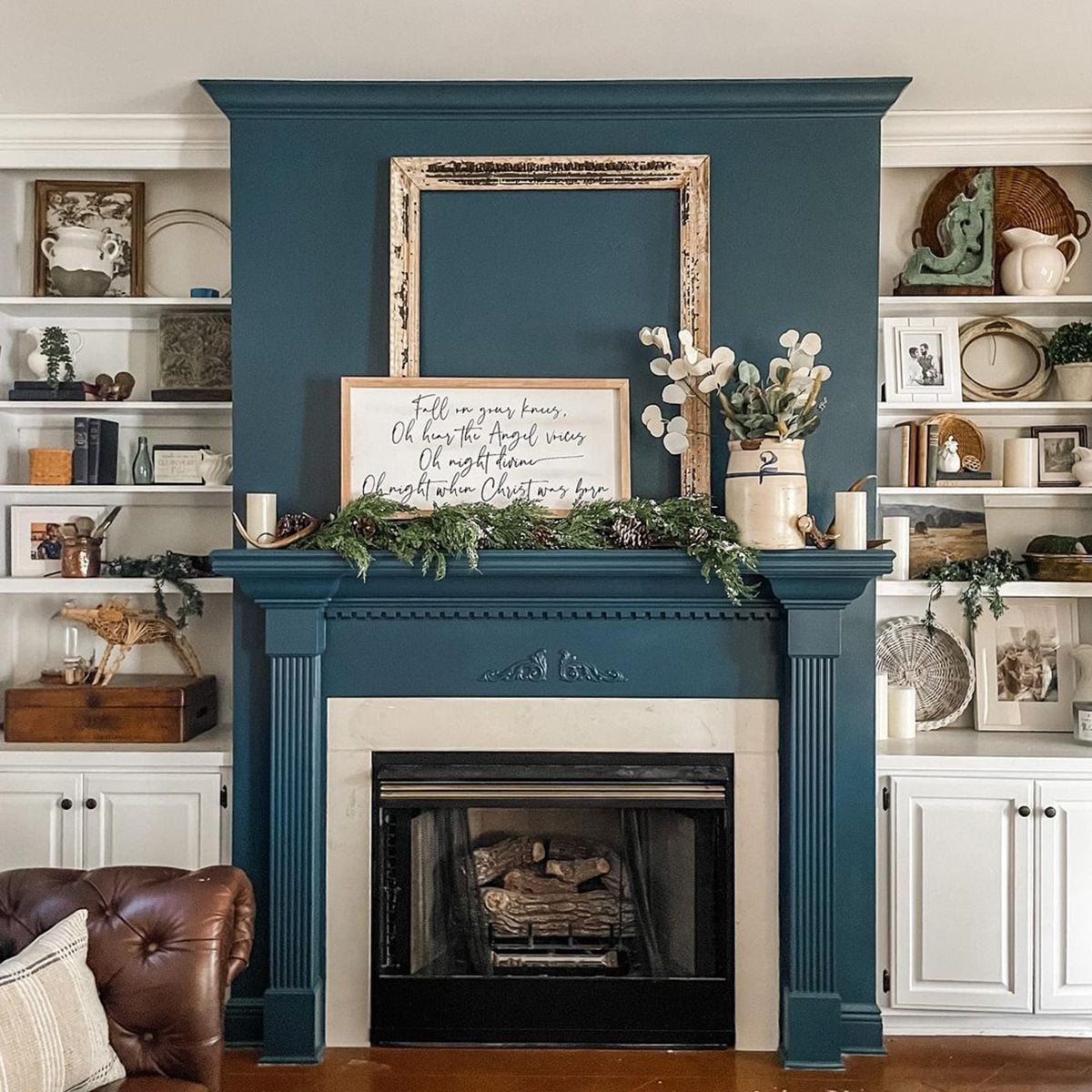
4. Color-Drench the Fireplace and Surrounding Wall
5. Try an Earthy Green or Sophisticated Blue
6. Use a Two-Tone Fireplace Scheme
7. Add a Painted Pattern or Decorative Detail
How to Paint a Brick Fireplace Properly
Step 1: Clean away dust, ash, and soot
Step 2: Let the masonry dry
Step 3: Complete necessary repairs
Step 4: Protect the surrounding room
Step 5: Apply masonry primer
Step 6: Apply thin, even finish coats
Lessons Learned From Real-World Fireplace Painting Projects
Conclusion
SEO Information