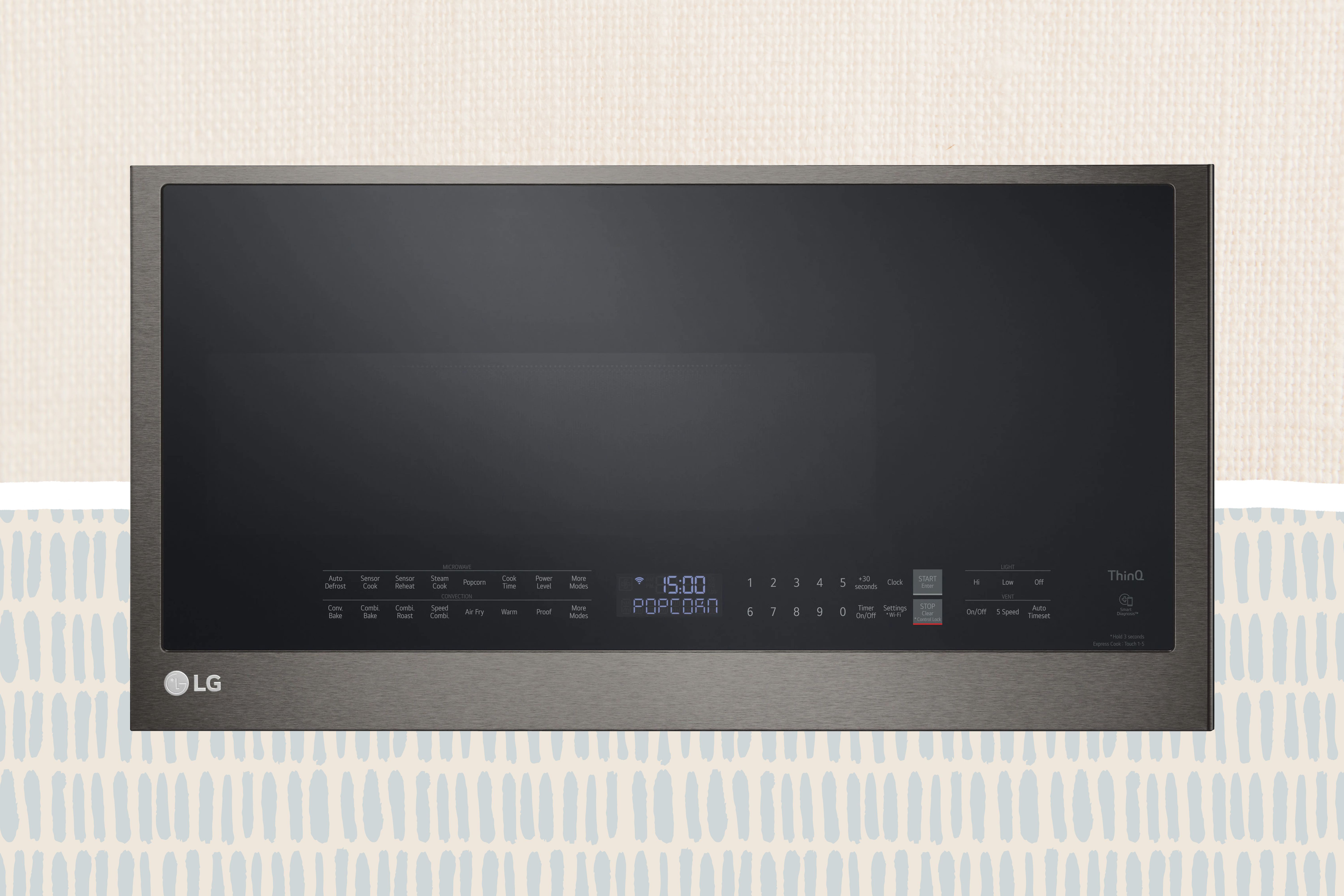

Note: This original buying guide is written for web publication and is based on current U.S. appliance buying standards, common retailer specifications, manufacturer feature descriptions, and real-world over-the-range microwave selection factors.
An over-the-range microwave is the kitchen appliance version of a multitasker who actually deserves the job title. It reheats leftovers, melts butter, defrosts chicken, lights your stovetop, clears steam, and saves your counter from becoming a permanent parking lot for small appliances. If your countertop microwave is hogging space like it pays rent, an over-the-range microwave may be the upgrade your kitchen has been quietly begging for.
But choosing the best over-the-range microwave is not as simple as picking the shiniest stainless steel box and hoping dinner behaves. You need to think about size, wattage, ventilation power, installation clearance, sensor cooking, noise level, cleaning, and whether those “smart” features will actually helpor just give your microwave one more reason to need Wi-Fi before your coffee is hot.
This buying guide breaks down what matters most, which features are worth paying for, and how to choose the right model for your cooking style, kitchen layout, and budget.
What Is an Over-the-Range Microwave?
An over-the-range microwave, often called an OTR microwave, is a microwave oven installed above your cooktop or range. Unlike a countertop microwave, it is mounted under the upper cabinet and usually includes a built-in ventilation fan and cooktop light. In other words, it combines three kitchen jobs: microwave, range hood, and task light.
Most full-size over-the-range microwaves are about 30 inches wide, matching the width of many standard ranges. Their internal capacity usually falls between 1.1 and 2.2 cubic feet, while cooking power commonly ranges from 900 to 1,100 watts. Ventilation strength is measured in CFM, or cubic feet per minute, and many models sit between 300 and 400 CFM, though slim and premium models may vary.
Why Choose an Over-the-Range Microwave?
It Saves Counter Space
The biggest reason people buy an over-the-range microwave is simple: space. If your kitchen counter is already crowded with a toaster, coffee maker, air fryer, blender, and that one decorative bowl nobody is allowed to move, freeing up microwave space can make the whole kitchen feel larger.
It Creates a Built-In Look
OTR microwaves give kitchens a cleaner, more finished appearance. Stainless steel, black stainless, matte black, white, and fingerprint-resistant finishes make it easier to match the microwave with your range, refrigerator, and dishwasher. Some newer models use hidden controls or wide glass doors for a sleeker, more modern look.
It Adds Ventilation
A traditional range hood is usually better at serious ventilation, especially for frequent high-heat cooking. Still, a good over-the-range microwave can help remove steam, smoke, odors, and grease particles from everyday cooking. For many households, especially those that boil pasta, simmer sauces, reheat soups, and sauté vegetables, the built-in fan is useful and convenient.
Key Features to Look for in the Best Over-the-Range Microwaves
1. The Right Size and Fit
Before you fall in love with a model, measure your space. Most over-the-range microwaves are designed for a 30-inch-wide opening, but height and depth can vary. You should check the width between cabinets, the distance from the cooktop to the bottom of the cabinet, and the depth of the cabinet above the range.
A standard OTR microwave often measures around 16 to 17 inches tall. Low-profile models may be closer to 10 to 11 inches tall, which can help in kitchens where the cabinet above the stove sits too low. These slim models usually sacrifice some interior height but may still handle plates, mugs, and medium-size bowls easily.
2. Cooking Power
For most homes, 1,000 watts is the sweet spot. It is powerful enough to reheat meals quickly, cook frozen vegetables, soften butter, and handle typical microwave recipes without turning dinner into a guessing game. Models with 900 watts can still work well, especially in compact kitchens, but cooking may take a little longer. Anything below that can feel slow if you regularly heat full dinner plates or larger portions.
3. Capacity
Capacity tells you how much usable interior space the microwave offers. A 1.1-cubic-foot low-profile microwave may be fine for small households, apartments, and light reheating. A 1.6- to 1.9-cubic-foot model is a strong everyday choice for families. Larger 2.0- to 2.2-cubic-foot microwaves are better for wide dinner plates, casserole dishes, and batch cooking.
Do not judge capacity by the number alone. Interior shape, turntable size, and rack design matter. A microwave with a slightly smaller capacity but better interior layout may be more practical than a huge model with awkward corners and a turntable that bumps into everything like a shopping cart with one bad wheel.
4. Ventilation Power
Ventilation is one of the most important features in an over-the-range microwave. Fan strength is measured in CFM. A 300 CFM fan is common and adequate for light to moderate cooking. A 400 CFM fan is better for households that cook often, use multiple burners, or want stronger steam and odor control.
Some premium and slim models offer higher ventilation ratings, but airflow is only part of the story. Vent placement, fan speed options, filter quality, and ducting setup all affect performance. If your microwave vents outside, it will usually remove smoke and odors more effectively than a recirculating setup, which filters air and sends it back into the kitchen.
5. Sensor Cooking
Sensor cooking is one of the most useful microwave features. Instead of forcing you to guess whether leftover lasagna needs 90 seconds or “until the cheese becomes lava,” sensor cooking monitors steam or humidity and adjusts cooking time automatically. It works especially well for reheating dinner plates, cooking vegetables, warming soups, and preparing frozen meals.
While not perfect, sensor cooking can reduce overcooked edges, cold centers, and the tragic rubberization of yesterday’s chicken. For most buyers, it is worth having.
6. Easy-to-Clean Interior
Microwaves live dangerous lives. Tomato sauce explodes, oatmeal bubbles over, and someone always reheats chili without a cover. Look for interiors with nonstick-style coatings, stainless steel cavities, or easy-clean enamel surfaces. These finishes make wiping splatters less of a full-body workout.
A removable turntable is also important. If the microwave includes a rack, make sure it can be removed easily. The fewer weird grooves and hard-to-reach corners, the better.
7. Lighting
Cooktop lighting sounds boring until you are trying to see whether your grilled cheese is golden brown or entering fossil status. Many over-the-range microwaves include halogen or LED cooktop lights. LED lighting is generally brighter, cooler, and more energy efficient. Multiple brightness levels are helpful for both cooking and nighttime kitchen trips.
8. Noise Level
All microwaves make some noise, but there is a big difference between a normal hum and a machine that sounds like it is preparing for takeoff. Read user feedback carefully for comments about fan noise, door slam, and alert volume. A mute function is a small but glorious feature, especially if your kitchen is near bedrooms or you enjoy midnight leftovers without announcing it to the entire house.
9. Controls and Usability
The best microwave controls are simple, readable, and easy to reach. Bottom controls can be convenient for shorter users because the panel sits lower on the door. Side controls are traditional and familiar. Hidden controls look sleek but may require an extra tap or door opening.
Useful buttons include add 30 seconds, popcorn, beverage, melt, soften, defrost by weight, power level, timer, and fan speed. Too many presets can turn the control panel into a tiny spaceship dashboard, so prioritize the functions you will actually use.
Best Types of Over-the-Range Microwaves by Kitchen Need
Best Overall: A 1.7- to 2.0-Cubic-Foot, 1,000-Watt Model With Sensor Cooking
For most households, the best over-the-range microwave is not the fanciest model. It is a reliable 30-inch unit with around 1.7 to 2.0 cubic feet of capacity, 1,000 watts of cooking power, sensor cooking, a two- to four-speed fan, and easy cleaning. This setup gives you enough space for family meals without overspending on features you may never use.
Best for Heavy Cooking: A 400 CFM Model With Strong Venting
If you cook daily, use high heat, fry foods, or frequently simmer fragrant sauces, prioritize ventilation. A model with 400 CFM airflow, multiple fan speeds, and the option for external venting is a smarter choice. It may not replace a dedicated range hood for serious cooking, but it will perform better than a basic fan.
Best for Small Kitchens: A Low-Profile Over-the-Range Microwave
Low-profile microwaves are ideal when cabinet clearance is limited. They are shorter than standard OTR models but still mount above the range and include ventilation. They work well for reheating plates, drinks, vegetables, and leftovers, though tall mugs and large covered bowls may be less convenient.
Best for Families: A 2.0- to 2.2-Cubic-Foot Model
Families should consider larger models with generous interior space, sensor cooking, a strong turntable, child lock, and easy-clean surfaces. A larger capacity helps when reheating multiple servings or fitting big dinner plates. If your household treats leftovers like a competitive sport, go bigger.
Best for Tech-Friendly Homes: A Smart Over-the-Range Microwave
Smart microwaves may offer Wi-Fi connectivity, app controls, scan-to-cook functions, voice assistant compatibility, or remote notifications. These features are not essential, but they can be useful for people who already use connected appliances. The main thing is to make sure the microwave still works beautifully without the app, because nobody wants dinner delayed by a software update.
Best for Versatility: A Convection Over-the-Range Microwave
Convection OTR microwaves combine microwave heating with convection baking. Some models may also include air fry or grill-style functions. These are great for kitchens without a second oven or for people who want to crisp foods instead of merely reheating them. They cost more, but the added flexibility can be worth it if you use the feature regularly.
Over-the-Range Microwave Venting: External vs. Recirculating
Over-the-range microwaves usually support one of two ventilation setups: external ducting or recirculating ventilation. External ducting sends air outside through a wall or roof vent. This is the better choice for removing heat, steam, smoke, and odors. Recirculating ventilation pulls air through filters and releases it back into the kitchen. It is easier to install, especially in apartments and homes without existing ductwork, but it is less powerful for odor removal.
If you choose a recirculating setup, pay attention to charcoal filters. These filters help trap odors and should be replaced periodically. Grease filters, usually located underneath the microwave, should be cleaned regularly. A clogged filter makes even a powerful fan perform like it is breathing through a sweater.
Installation Considerations Before You Buy
Installing an over-the-range microwave is more involved than placing a countertop model near an outlet. The unit must be mounted securely to the wall and upper cabinet. It also needs proper clearance from the cooking surface, access to an electrical outlet, and the correct venting configuration.
Check the manufacturer’s installation instructions before buying. Make sure your cabinet depth, wall structure, outlet location, and range clearance match the requirements. If you are replacing an old OTR microwave, do not assume the new one will fit the same bracket. Mounting plates and screw locations often differ by brand and model.
Professional installation is worth considering, especially if you need ductwork adjustments, electrical changes, or help lifting the unit. Over-the-range microwaves are heavy, awkward, and not exactly famous for being fun to hold above shoulder height.
How Much Should You Spend?
Budget-friendly over-the-range microwaves often cost less and provide basic reheating, defrosting, lighting, and ventilation. These are best for light cooking and rental properties. Midrange models usually offer better sensor cooking, stronger fans, larger capacity, and improved finishes. Premium models may add convection cooking, smart features, hidden controls, larger interiors, quieter operation, and more stylish designs.
For most buyers, the best value sits in the midrange category. You get the features that affect daily usepower, capacity, sensors, lighting, and ventilationwithout paying extra for flashy technology that may not change how your food actually tastes.
Common Mistakes to Avoid
Buying Based on Looks Alone
A beautiful microwave is nice, but performance matters more. Check wattage, capacity, fan power, control layout, and cleaning features before choosing a finish.
Ignoring Ventilation
If your cooktop produces lots of steam or smoke, weak ventilation will frustrate you quickly. Look beyond the word “vent” and compare CFM ratings, fan speeds, and ducting options.
Forgetting About Height
A tall microwave installed too low can make cooking uncomfortable and may reduce clearance above the stove. Always measure before buying.
Overpaying for Features You Will Not Use
Convection, air fry, Wi-Fi, and scan-to-cook can be helpful, but only if they fit your habits. If you mostly reheat coffee and leftovers, a reliable sensor model may be all you need.
Maintenance Tips for a Longer-Lasting Microwave
Clean splatters quickly before they bake onto the interior. Wash grease filters regularly in warm, soapy water or according to the manual. Replace charcoal filters when needed if your unit recirculates air. Keep the vent area clear, avoid slamming the door, and use microwave-safe covers to prevent food explosions.
Also, do not run the microwave empty. It can damage internal components. And yes, the “one second just to test it” trick still counts. Your microwave does not need a dramatic solo performance.
Real-World Buying Experience: What Actually Matters After Installation
After comparing over-the-range microwaves on paper, many shoppers discover that the most important features are not always the ones shouted in big letters on the sales tag. In daily use, convenience wins. A microwave can have a futuristic app, ten presets, and a finish that looks like it belongs in a design magazine, but if the door feels clunky, the buttons are hard to read, or the fan sounds like a leaf blower in a closet, you will notice those things every single day.
The first real-world lesson is that placement matters as much as performance. A microwave installed too high can be uncomfortable for shorter family members. A microwave installed too low can interfere with tall pots on the stove. The perfect model on a website can become annoying if it does not fit the actual rhythm of your kitchen. Before buying, imagine lifting a hot bowl of soup out of the microwave. If that mental image makes your shoulders tense, measure again.
The second lesson is that ventilation expectations should be realistic. An over-the-range microwave can help with steam and everyday cooking odors, but it is not always equal to a dedicated range hood. If you often sear steaks, stir-fry at high heat, or cook foods with strong aromas, choose the strongest ventilation you can fit and consider external ducting. If your cooking is lighter, a standard 300 to 400 CFM model may be perfectly fine.
The third lesson is that sensor cooking is more useful than many people expect. Once you get used to reheating food without repeatedly opening the door, stirring, guessing, and restarting, it becomes one of those features you do not want to give up. It is especially helpful for leftovers, frozen vegetables, and dinner plates. It will not turn a microwave into a private chef, but it can save food from becoming dry, uneven, or suspiciously molten in one corner.
The fourth lesson is about cleaning. Smooth interiors, removable turntables, and easy-access filters make a bigger difference than fancy presets. A microwave above the stove naturally collects more grease and steam than a countertop model. If cleaning the filter is annoying, you will avoid it. If wiping the inside requires advanced yoga, splatters will stay there longer than they should.
Finally, the best over-the-range microwave is the one that fits your real routine. A busy family may need capacity and simple controls. A small apartment may need a low-profile design. A frequent home cook may need stronger ventilation. A tech-loving household may enjoy smart features. The winner is not always the most expensive model; it is the one that quietly makes your kitchen easier to use, day after day.
Final Verdict: How to Choose the Best Over-the-Range Microwave
The best over-the-range microwave should fit your space, match your cooking habits, and make your kitchen more functional. For most homes, look for a 30-inch model with 1.7 to 2.0 cubic feet of capacity, around 1,000 watts of cooking power, sensor cooking, bright LED cooktop lighting, easy-clean surfaces, and at least 300 CFM ventilation. If you cook often, move up to stronger ventilation. If space is tight, consider a low-profile model. If you want extra cooking flexibility, look at convection options.
Think of it this way: a great OTR microwave should not make you think about it constantly. It should reheat evenly, vent reliably, clean easily, and stay out of the way. When an appliance does that, it earns its spot above the stoveand maybe even a little respect from the leftovers.