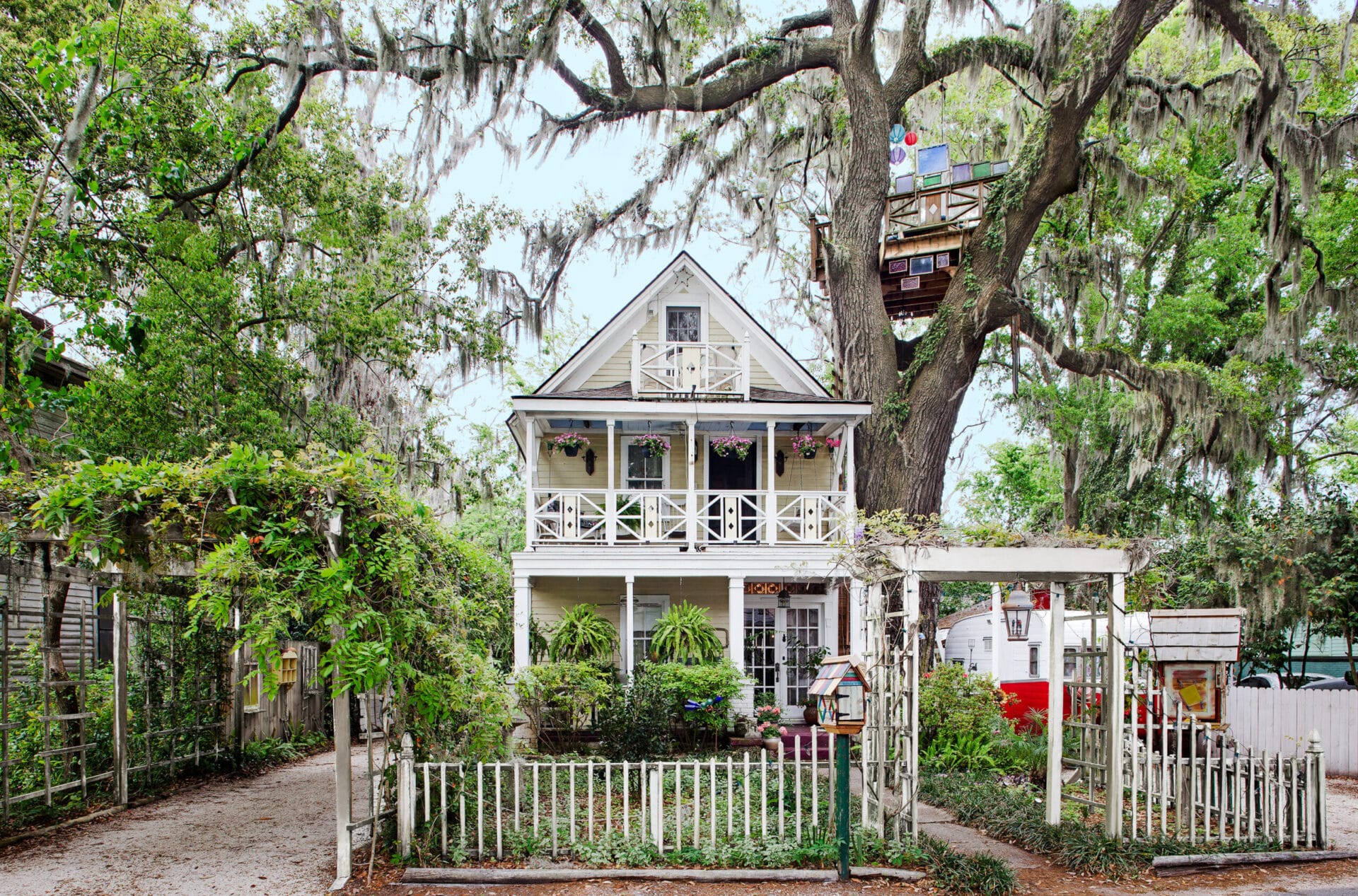

Some houses smile politely from the curb. A Southern Gothic Folk Victorian does something much more interesting: it stares back a little. Not in a haunted-house, lightning-crack, movie-trailer way, but in a layered, moody, lived-in way that suggests history, humidity, wit, and maybe one very dramatic mirror in the hallway.
That is exactly why this design pairing works so well. A Folk Victorian home already has the right bones for romance: a simple vernacular form, a front-facing gable, decorative porch trim, and just enough ornament to flirt with old-fashioned charm without becoming a full-blown architectural diva. Add a Southern Gothic sensibility, and the remodel stops feeling like a routine restoration. It becomes a story about atmosphere, restraint, texture, and character.
In other words, this is not a remodel for people who want every room to look like a spotless furniture showroom where nobody is allowed to sit. This is for people who love patina, shadow, craftsmanship, family antiques, dramatic paint, and homes that feel collected over time instead of downloaded overnight.
What “Southern Gothic” Really Means in a Remodel
Southern Gothic is often misunderstood as “paint it black and buy a crow figurine.” That is the fast route to theme-park weirdness. Real Southern Gothic design is more nuanced. It borrows from the emotional world of the American South: faded grandeur, weathered beauty, layered history, imperfect elegance, and interiors that feel both gracious and slightly mysterious.
In a home remodel, that translates into rooms with depth rather than gloss. You see richer paint colors, time-softened wood, old brass, worn rugs, heavy drapery used carefully, plaster walls, book-filled rooms, and a mix of restraint and theatrical flair. The best spaces feel grounded, not gimmicky. They honor age instead of sanding every surface into oblivion.
The Southern part of the equation matters too. Southern homes have long been shaped by climate and sociability. Wide porches, shaded transitions, tall ceilings, cross ventilation, shutters, central halls, and rooms designed for gathering all help explain why the Southern house can carry mood without losing comfort. It can be dark and welcoming at the same time. That is the trick. It is not gloom. It is atmosphere.
Why Folk Victorian Is the Perfect Starting Point
Folk Victorian houses became popular when everyday builders began adding mass-produced decorative trim to simple local house forms. That mix is what makes them so lovable. They are not usually as grand or complicated as high-style Queen Anne homes. Instead, they tend to be simpler, more symmetrical, and more practical, with ornament concentrated in the places that count: porch posts, brackets, spindlework, gable trim, and eaves.
That simplicity is a gift during remodeling. Because the structure is often straightforward, the house can absorb dramatic decorative choices without tipping into chaos. A moody paint palette, antique lighting, dark floral wallpaper, stained wood doors, or a richly layered parlor all feel at home because the architecture offers order underneath the ornament.
Classic Folk Victorian Features Worth Preserving
Before you remodel, identify the features doing the heavy historical lifting. In many Folk Victorian houses, that includes the overall form, the porch, the roofline, decorative brackets, turned or chamfered posts, spindlework, original wood siding, tall windows, interior millwork, fireplace mantels, stair balusters, and the sequence of major rooms. These details are not just pretty extras. They are the reason the house still has a pulse.
A good remodel does not erase those elements in the name of “updating.” It lets them lead. Strip away too much, and the home stops being a Folk Victorian and becomes just another old house with expensive appliances.
Why the Southern Gothic Mood Works So Well With This Style
Folk Victorian architecture already lives in the sweet spot between humble and decorative. Southern Gothic thrives in that same tension. It likes elegance, but it also likes wear. It enjoys ornament, but it distrusts perfection. It respects formality, then loosens its collar before dinner.
That means the pairing can feel deeply authentic. A spindle-trim porch can support a darker exterior palette. A center hall can handle dramatic art and antique furniture. A simple parlor can take on a hauntingly beautiful quality with deep olive walls, linen drapes, a marble-topped table, and one fabulous lamp that looks like it has opinions.
The result is a remodel that feels rooted rather than staged. You are not forcing a trend onto the house. You are amplifying qualities it already has: age, rhythm, craftsmanship, and a little delicious tension between grace and decay.
Exterior Moves That Keep the House Honest
1. Bring the Porch Back to Life
If the porch has been simplified, boxed in, thickened up, or saddled with clunky replacement columns, start there. In a Folk Victorian house, the porch is more than an entry sequence. It is the handshake, the fanfare, and sometimes the whole personality. Restoring slender posts, period-friendly railings, jigsaw trim, or spindlework can radically change the house without changing its footprint.
For Southern Gothic energy, the porch should feel welcoming but slightly cinematic. Think soft lighting, a beadboard ceiling, dark rocking chairs, ferns, old urns, and a front door color that suggests history instead of shouting “freshly remodeled!” to passing cars.
2. Use Paint to Add Mood, Not Costume
The best exterior palettes avoid the extremes of either flat developer beige or cartoonish “haunted mansion” black. Instead, lean into nuanced colors: charcoal green, tobacco brown, deep gray-blue, warm cream, muted clay, cypress, plum-black, stormy teal, or oxblood on a door. Trim can be slightly lighter or darker depending on how dramatic you want the woodwork to read.
Southern Gothic is about layered atmosphere. A nearly black shutter against weathered white can be stunning. So can mossy green siding with creamy trim. The goal is depth, not novelty. If your palette looks like it came with a fog machine, pull back.
3. Let the Roofline and Gables Do Their Job
Gables, brackets, patterned shingles, and eave details help a Folk Victorian house read as lively rather than boxy. If these elements survive, preserve them. If they were removed long ago, reintroduce only what the house can plausibly support. That is the difference between restoration and architectural fan fiction.
The smartest remodels respect the original proportions and improve what is missing with restraint. A new detail should feel inevitable, not like a homeowner got briefly obsessed with gingerbread trim after a long weekend online.
Interior Design: Moody, Layered, and Still Livable
Start With Texture Before Color
Southern Gothic interiors succeed because they feel tactile. Limewash, plaster, wood paneling, heart pine floors, linen, velvet, leather, aged brass, marble, old books, cane chairs, and woven shades all create depth long before the paint chips come out. Texture makes a room feel old-souled even when the layout has been updated for modern life.
That matters in a remodel because it helps bridge past and present. A renovated kitchen can still feel appropriate if it uses painted cabinetry, unlacquered brass, soapstone or honed marble, vintage runners, and open shelving sparingly. A bathroom can feel romantic with moody walls, a console sink, framed mirrors, and aged finishes instead of a giant slab of slick sameness.
Use Darkness Strategically
Moody does not mean every room should resemble a cave at midnight. The most successful Southern Gothic homes balance dark and light. A dramatic dining room feels even richer when the hall outside is pale. A shadowy library hits harder when the kitchen gets morning sun. A guest room in deep blue-green works beautifully if the bedding stays crisp and the curtains still let daylight breathe.
Think of darkness as punctuation, not wallpaper for the entire house. Use it where intimacy helps: parlors, dining rooms, studies, powder rooms, and bedrooms. Keep circulation spaces legible and let windows remain part of the story.
Mix Antiques With Function
This style practically begs for a layered mix of old and new. The trick is to keep the balance honest. Pair an antique sideboard with modern task lighting. Use a vintage mirror above a newly updated mantel. Keep a nineteenth-century chest in a room with discreet modern climate control. Let old pieces provide soul and new pieces provide comfort, plumbing, and fewer reasons to call an electrician on a Sunday.
Remodeling Lessons That Matter More Than Pinterest Drama
Preserve Character-Defining Features
Before making changes, identify what gives the house its identity. That includes exterior massing, porch details, materials, window openings, staircases, mantels, trim profiles, and the arrangement of major spaces. Once you know what matters most, you can plan smarter updates around it.
This matters especially in old Southern houses because wear can fool people. A feature may look tired, but tired is not the same as disposable. Often the worn thing is the exact thing that makes the room memorable.
Modernize Quietly
Every old house needs modern systems, and nobody should have to refrigerate groceries in a decorative icebox for the sake of authenticity. But updates should be visually disciplined. New HVAC returns, recessed lighting, kitchen islands, replacement windows, and additions can all damage the character of a Folk Victorian house when they are oversized or visually aggressive.
Let new work whisper. Match profiles where possible. Respect ceiling heights. Preserve door casings. Keep additions subordinate to the original massing. Choose materials that relate to the house without creating a fake historical scene.
Don’t Sandblast the Soul Out of It
One of the biggest mistakes in historic remodeling is over-correction. Floors are made too perfect. Walls are flattened. Hardware is replaced instead of repaired. Original windows are tossed because someone got nervous during a winter draft. The result may be cleaner, but it is also duller.
Southern Gothic beauty depends on evidence of time. Not neglect. Not rot. Time. There is a difference, and good remodels know it.
A Room-by-Room Vision for the Look
Entry hall: Dark runner, umbrella stand, antique mirror, plaster walls, warm lamp light, and a staircase that remains the star.
Parlor: Deep olive or smoky aubergine walls, linen drapes, old portrait art, mixed seating, and a fireplace mantel styled with restraint. One ceramic panther is acceptable. Six is a cry for help.
Dining room: Rich color, wood table, brass chandelier, layered china, moody artwork, and enough candlelight to make dinner feel at least 12 percent more literary.
Kitchen: Historic shell with updated function. Painted cabinets, durable counters, vintage-inspired hardware, and open shelves used sparingly so daily life does not turn into an accidental still life of cereal boxes.
Bedrooms: Softer mood, iron or wood beds, quilts, collected furniture, and just enough shadow to feel restful instead of theatrical.
Baths: Small-scale tile, aged metal finishes, framed mirrors, and better lighting than old houses originally offered, because history is lovely but shaving in the dark is still annoying.
Common Mistakes to Avoid
First, do not confuse Southern Gothic with clutter. A layered room is not the same as a crowded room. Second, do not replace original porch elements with bulkier “maintenance-free” parts that flatten the façade. Third, do not use trendy finishes that fight the age of the house. Fourth, do not create false history by stapling random decorative details from unrelated house styles onto the exterior. And finally, do not make every room dark just because one powder room on social media looked fabulous in near-black paint.
A strong Southern Gothic Folk Victorian remodel is edited. It is atmospheric, not overloaded. It feels like a house that has lived, not a set waiting for applause.
Experiences From Living Through a Southern Gothic Folk Victorian Remodel
Ask anyone who has remodeled an old Folk Victorian in the South, and they will tell you the experience is never just about design. It becomes a relationship with the house. At first, you think you are making choices about paint, trim, and plumbing. Then the house starts arguing back. Remove one layer of vinyl flooring, and suddenly there are old pine boards underneath that make you cancel three other decisions. Open a wall, and you discover an original transom, ghost marks from a long-gone picture rail, or a chimney shape that explains why the room always felt slightly off. Old houses are like that. They reveal information slowly, often at inconvenient moments, usually right after you thought you had a final budget.
There is also the emotional rhythm of the work. In the beginning, the house feels full of possibility. You picture candlelight in the dining room, storms rolling past the porch, and every visitor gasping politely in the entry. Then comes the middle stage, which is less cinematic and more dust-covered. The hallway is full of samples. The electrician needs an answer right now. The salvaged light fixture arrives missing a part. Someone says, “We can just replace all the windows,” and you briefly leave your body.
But this is usually the moment when the remodel starts becoming real. You stop chasing a fantasy of perfection and start listening to the building. You learn that the slightly uneven floor is part of the charm. You decide to repair the old mantel instead of installing a new one. You choose quieter kitchen cabinetry because the elaborate porch already gives the house enough performance. You realize the best Southern Gothic rooms do not look brand-new; they look settled, like they have survived a few stories and are ready for more.
Many homeowners also talk about how a moody historic remodel changes the way they live. The front porch gets used more. Lamps replace overhead glare. Guests gather in rooms that once felt too formal. Rain sounds better under an old roofline. Even ordinary routines feel more textured. Morning coffee in a shadowy kitchen with patinated brass hardware simply has more character than morning coffee under a grid of generic recessed lights. That may not be a scientific measurement, but it is emotionally correct.
The most rewarding experience, though, is watching the house regain dignity. Not perfection. Dignity. When the trim is repaired, the porch feels proportionate again, the colors deepen, and the interior starts to reflect the architecture, the house stops looking like an old structure waiting for rescue. It starts looking like itself. That is the real payoff of a Southern Gothic Folk Victorian remodel. You are not forcing drama onto a building. You are clearing away the noise so its original wit, beauty, and melancholy charm can finally speak up.
Conclusion
A Southern Gothic Folk Victorian remodel works best when it respects two truths at once: the architecture should remain legible, and the atmosphere should feel rich. Preserve the house form. Repair the porch. Protect the trim, millwork, and spatial flow. Then layer in mood through color, texture, antiques, lighting, and carefully edited contrast.
Done well, the result is not a museum piece and not a trend machine. It is something rarer: a historic home with genuine emotional presence. It feels Southern, storied, elegant, and a little mysterious. Which, frankly, is more than can be said for most open-concept renovations with sixteen identical pendant lights.