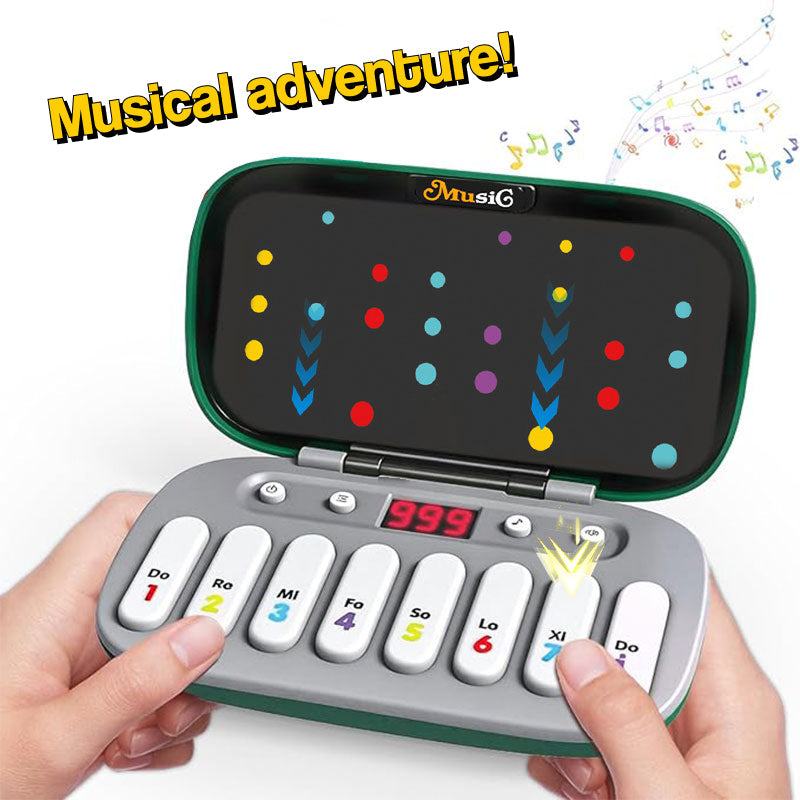
Learning an instrument often feels like a steep uphill climb, especially when you are trying to internalize complex timing and precision. Fortunately, the world of piano rhythm games has evolved beyond simple toys, transforming into powerful pedagogical tools that can help musicians of all levels sharpen their skills. By blending interactive feedback with the structural demands of music theory, these platforms allow you to turn grueling technical drills into an engaging daily habit.
In this guide, we explore how to bridge the gap between casual gaming and serious musical development. Whether you are struggling to keep a steady beat or looking to master intricate syncopation, you will learn how to leverage digital software and physical exercises to build a more intuitive connection with your instrument. We will also dive into how these rhythm music games integrate with your existing practice routines, helping you tackle music rhythm challenges with confidence and precision. If you are also interested in expanding your broader gaming repertoire for better cognitive focus, you might find our guide on the best word puzzle games a helpful companion to your training.

1. Digital and Physical Piano Rhythm Games for Skill Development
1.1 Top-Rated Software and MIDI Integration
Modern technology has transformed how we approach music education, making it easier than ever to turn practice into an engaging experience. Integrating your digital piano or keyboard via MIDI is the standard for these platforms, as it allows the software to track your performance with extreme precision in real-time.
1.1.1 Evaluating Feedback-Based Platforms like Yousician and Piano Marvel
Platforms like Yousician and Piano Marvel act as virtual instructors, providing immediate, gamified feedback on every note you play. By listening to your input through a microphone or MIDI connection, they highlight where your timing fluctuates. This instant validation is excellent for building confidence, as you can see a visual representation of your progress while you play through structured song libraries.
1.1.2 Utilizing Visual Note-Falling Mechanics in Synthesia
Synthesia has become the gold standard for visual learning. By using falling notes that align with your keyboard, it mimics the feeling of classic arcade rhythm music games. This approach helps beginners associate physical keys with visual cues rapidly. While it does not teach traditional sheet music reading, it is an incredibly effective tool for internalizing complex finger patterns and hand independence.
1.1.3 Precision Timing Drills Using Melodics
If you want to focus specifically on rhythmic accuracy, Melodics offers a highly gamified environment tailored for musicians. It breaks down complex tracks into bite-sized segments, forcing you to master the beat before moving on. It serves as a great bridge between casual play and technical discipline, often incorporating vocal pitch matching games as part of a more comprehensive musical training suite.
1.2 Non-Digital Exercises for Rhythmic Internalization
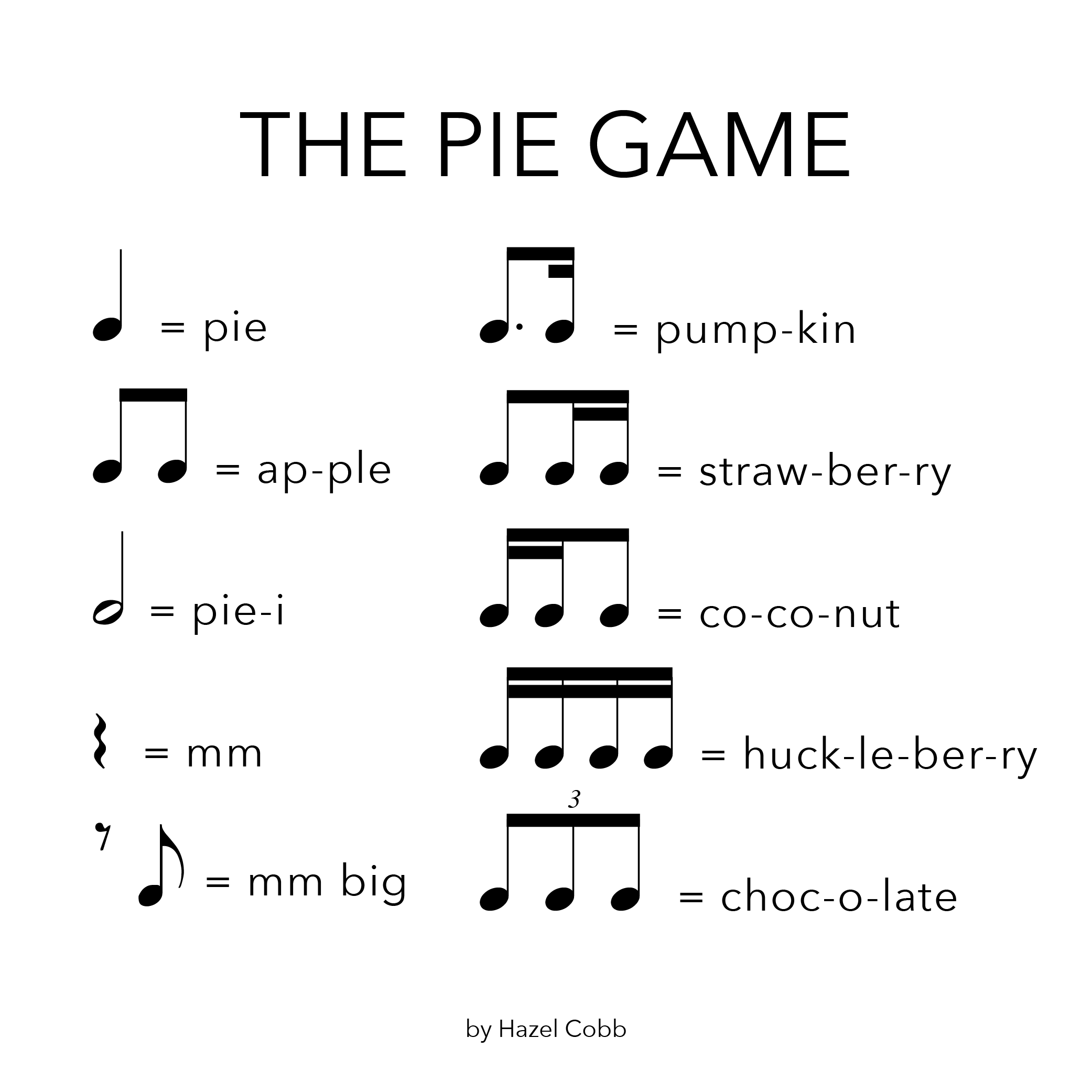
While software is powerful, physical practice away from the screen is crucial for internalizing time. True mastery requires you to feel the pulse within your own body before applying it to the instrument.
1.2.1 Movement-Based Techniques and The Trampoline Method
Rhythm is essentially a physical movement. By incorporating techniques like the Trampoline Method—where you utilize the natural rebound of your wrists and arms—you can alleviate tension that leads to rhythmic drag. This physical approach ensures that your playing feels fluid rather than robotic.
1.2.2 Gamifying Rhythmic Theory with Dice and Flashcards
You can turn dry music theory into an interactive game by using dice or flashcards to determine your next rhythmic pattern. For example, rolling for a specific time signature or note value keeps your brain sharp and helps you improvise rhythmically. This method is similar to how you might approach engaging mental challenges to boost your overall cognitive focus.
1.2.3 Developing Ear-Hand Coordination Through Echo Clapping
Echo clapping is one of the most reliable ways to improve your internal metronome. Have a partner clap a rhythmic sequence, then repeat it back immediately. This exercise builds the neural connection between your ears and hands, ensuring you can replicate complex music rhythm challenges without needing to see them written down first.
1.3 Selecting the Right Tools Based on Experience
Progress in music is rarely linear, and your tools should evolve alongside your skill level. Selecting the right game or exercise depends on your current grasp of timing and meter.
1.3.1 Setting Appropriate Milestones for Beginner Accuracy
For beginners, the priority should be consistency rather than speed. Focus on simple 4/4 time signatures and aim for high accuracy ratings on slower, quarter-note-heavy tracks. Establishing a habit of hitting the beat precisely at a slow tempo creates the foundation for future complexity.
1.3.2 Introducing Complex Syncopation for Intermediate Learners
Once you are comfortable with steady beats, transition to games or exercises that emphasize syncopation. Intermediate learners should seek out software that introduces off-beat rhythms, which forces you to rely on your internal sense of time rather than visual falling notes.
1.3.3 Navigating Advanced Polyrhythms and Irregular Meter Challenges
For advanced players, the goal is to break the reliance on standard pulse. Look for platforms that allow you to customize meter, such as 5/4 or 7/8, or practice polyrhythms—like playing two notes against three. Managing these irregular meter challenges in a gaming context helps you master professional-grade timing under pressure.
2. Strategic Integration of Piano Rhythm Games into Practice Sessions
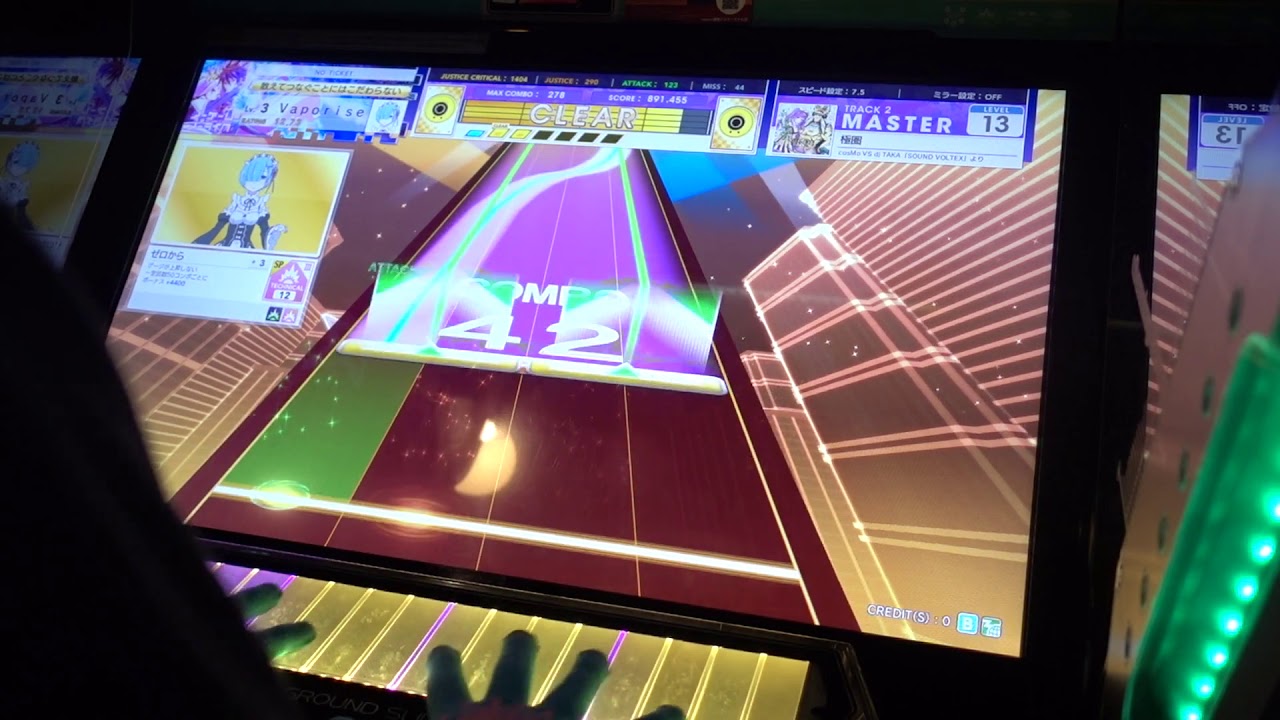
Integrating piano rhythm games into your daily routine is about striking a balance between fun and functional growth. While these apps excel at keeping you engaged, they shouldn’t replace your foundational music theory or technical studies entirely. To get the most out of your practice, view these tools as a supplement to, rather than a replacement for, traditional instruction.
2.1 Balancing Gamification with Technical Fundamentals
2.1.1 Applying the 80/20 Rule for Holistic Musical Growth
Aim to spend 80 percent of your practice time on technical exercises—like scales, arpeggios, and sight-reading—and the remaining 20 percent on gamified platforms. This split ensures you develop essential muscle memory and theoretical knowledge while using the gaming aspect to keep your motivation high and your rhythm sharp.
2.1.2 Leveraging Performance Analytics to Target Weaknesses
Most modern rhythm software provides detailed feedback on your timing and note accuracy. Don’t just chase a high score; dive into the analytics. If your performance report indicates you are consistently dragging during specific segments, take those sections out of the game and practice them slowly with a physical metronome. This objective data is a powerful tool for identifying the specific technical barriers holding you back.
2.1.3 Setting Goal-Oriented Streaks for Motivation and Consistency
The habit-building nature of apps can be a boon for consistency. Set small, achievable daily goals, such as completing two music rhythm challenges, to build a streak. Consistency is the secret ingredient to mastery; even fifteen minutes of daily, focused engagement is significantly more effective than one marathon session once a week.
2.2 Addressing Common Questions About Rhythm-Based Learning
2.2.1 Determining the Optimal Duration for Gaming Sessions
Limit your intensive gaming sessions to 20 or 30 minutes. Mental fatigue can lead to sloppy technique, which defeats the purpose of precision training. If you find yourself mindlessly repeating a track just to clear a level, it is time to step away.
2.2.2 Differentiating Between Teacher-Led Lessons and App-Based Training
Apps provide instant gratification and rhythmic feedback, but they cannot replace a human teacher who corrects your posture, hand positioning, and expressive nuance. Use games to build your internal clock and sight-reading speed, but rely on professional guidance for comprehensive musical development.
2.2.3 Compatibility Requirements for MIDI Keyboards and Digital Devices
Ensure your digital piano or keyboard supports MIDI output, which is essential for accurate feedback. Most modern USB-to-host connections work seamlessly with tablets and computers, allowing for a lag-free experience that mimics the responsiveness of high-end online party games when playing in a group setting.
2.2.4 Comparing Effectiveness for Children Versus Adult Learners
Children often benefit from the immediate visual rewards and competitive leaderboards, while adults tend to progress faster by focusing on the underlying metrics and tracking long-term improvement trends. Tailor your focus based on whether you are prioritizing enjoyment or skill acquisition.
2.2.5 Maximizing Improvements in Sight-Reading Through Gaming
Use rhythm games to force yourself to read ahead of your fingers. By adjusting the speed settings, you can gradually increase the difficulty, pushing your brain to process notation faster than your current comfort zone allows, which is the most effective way to improve sight-reading skills.
Mastering the keys is a journey that thrives on consistency, and incorporating piano rhythm games into your daily practice is one of the most effective ways to stay engaged while building real-world skills. By blending the immediate gratification of gaming with the technical demands of music theory, you can transform repetitive drills into interactive, rewarding sessions. Whether you are using visual note-falling software to refine your timing or utilizing non-digital rhythmic exercises to internalize complex patterns, the key is to prioritize steady progress over perfection. Remember that these tools are intended to supplement your traditional training, not replace it entirely.
As you continue to level up your musical journey, remember that your growth comes from a balanced approach to both play and discipline. If you enjoy exploring the intersection of digital entertainment and skill-building, you might also be interested in how other engaging puzzle titles can help boost your brain power while you are away from the keyboard. Keep your goals realistic, celebrate your consistency streaks, and most importantly, keep the music fun. With the right tools and a structured approach, you will find that your rhythm and confidence on the piano will improve significantly over time.