There is a unique thrill that comes from conquering treacherous terrain, mud-slicked hills, and jagged rock crawls from the safety of your gaming setup. The best off road driving games have evolved far beyond simple arcade racers; today, they offer sophisticated physics engines that simulate the heavy weight of a chassis and the nuanced grip of specialized tires on unforgiving ground. Whether you are looking for the white-knuckle intensity of high-speed desert rallies or the slow, methodical patience required for a complex truck parking simulator, the current landscape of simulation gaming provides an unparalleled level of immersion. In this guide, we will explore the top titles that set the gold standard for realism, helping you navigate the technical nuances of vehicle customization and surface interaction. You will learn how to optimize your hardware for true-to-life feedback, refine your momentum management, and discover which titles best bridge the gap between casual car driving games and professional-grade racing simulator games.
1. Selecting the Best Off Road Driving Games Based on Realism and Gameplay Style
1.1 Understanding the Spectrum of Off Road Driving Games
1.1.1 Distinguishing Between Pure Physics Simulators and Arcade Racers
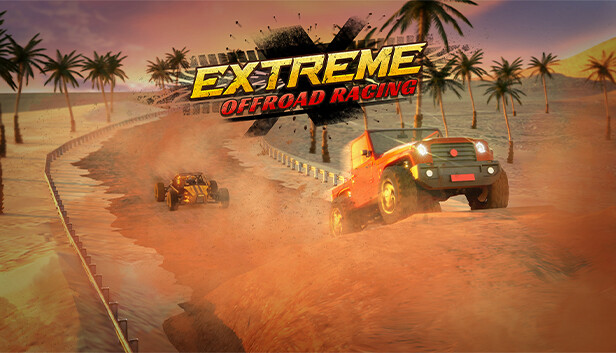
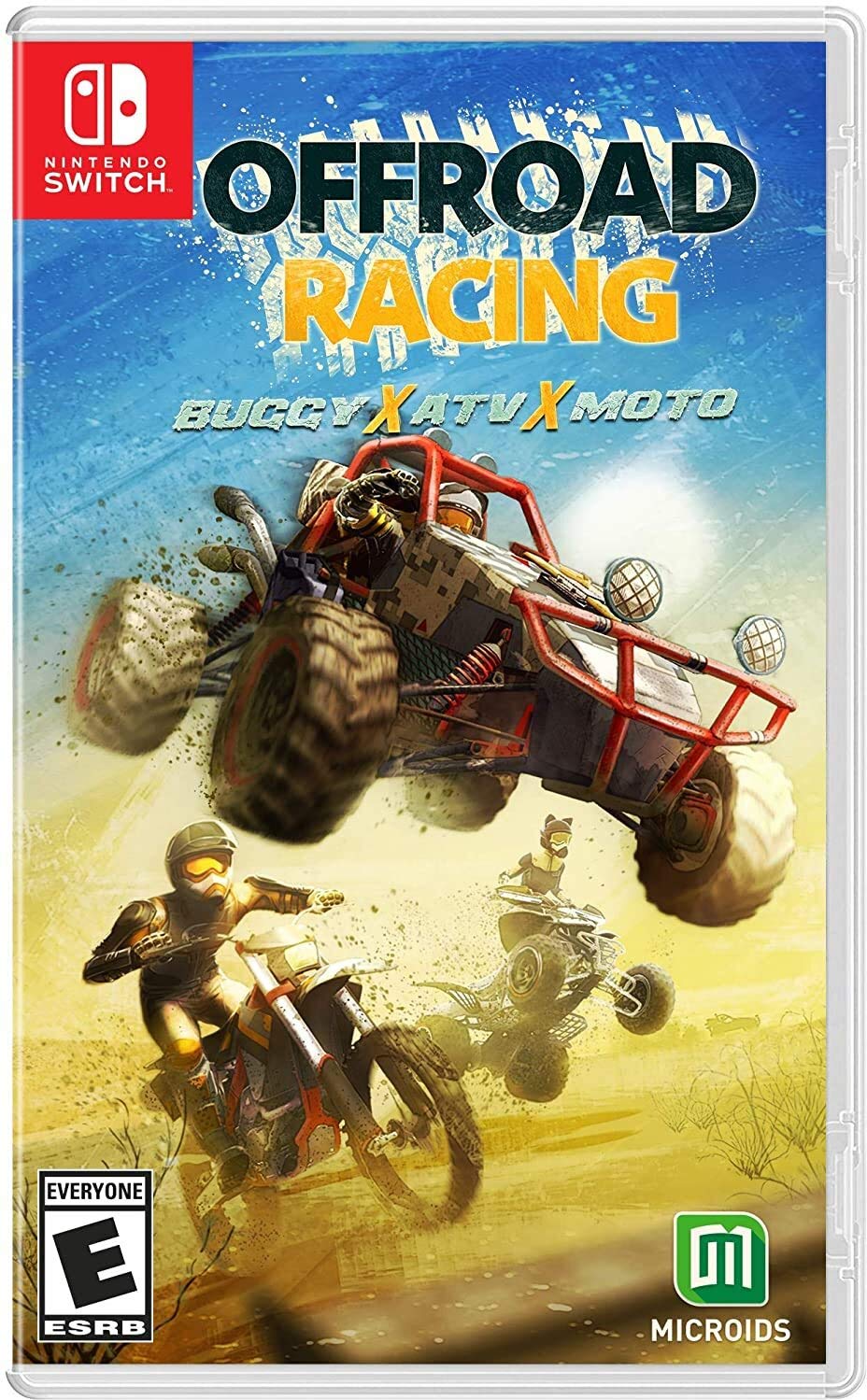
The world of off road driving games is vast, ranging from accessible, high-octane experiences to grueling, slow-paced simulations. At one end of the spectrum, you have arcade-style titles that prioritize fun, boosting, and forgiving handling. These games allow players to traverse mud and rocks at high speeds without worrying about mechanical failure. Conversely, pure physics simulators demand patience and technical precision. In these titles, the game acts as a sandbox for real-world mechanics, where your success depends on understanding how weight distribution, tire pressure, and suspension travel affect your vehicle’s grip on loose surfaces.
1.1.2 Evaluating Terrain Deformation and Soft Body Physics Engines
Modern gaming technology has revolutionized how we perceive digital landscapes. The most immersive titles now utilize advanced terrain deformation and soft body physics. Rather than simply driving over a static surface, players in these games must navigate ground that reacts in real-time. Whether it is deep mud suction that traps your chassis or jagged rocks that cause structural damage to your axles, these engines calculate the interaction between the tire and the ground surface. This level of detail transforms every obstacle into a tactical puzzle that requires careful navigation rather than brute force.
1.1.3 The Impact of Hardware Peripherals on Simulation Immersion
To truly experience the nuance of these environments, the choice of hardware is paramount. While a standard controller offers basic input, a dedicated racing simulator setup—complete with a force feedback steering wheel, pedal set, and shifter—can significantly elevate the experience. Force feedback is essential for off-roading, as it allows you to feel the terrain through the wheel; you can physically sense when your tires lose traction or when a boulder is knocking your alignment out of place. This haptic communication creates a connection between the player and the vehicle that is simply not possible with a game controller.
1.2 Premier Off Road Titles for PC and Console Players
1.2.1 SnowRunner and MudRunner: Tactical Logistics and Environmental Challenges
SnowRunner and its predecessor, MudRunner, are arguably the kings of the logistics-focused off road genre. These games move away from the traditional concept of racing and instead focus on the struggle against the environment. Players are tasked with hauling cargo through treacherous, impassable regions, requiring them to utilize winches, lockable differentials, and high/low gearbox settings to avoid getting stuck. It is a slow, methodical experience that rewards careful planning over speed.
1.2.2 BeamNG.drive: The Industry Benchmark for Vehicle Destruction and Terrain Interaction
BeamNG.drive is widely considered the gold standard for soft body physics. It provides an unmatched level of realism where every individual part of the car—from the suspension struts to the engine blocks—is simulated. When you crash or navigate extreme terrain, the damage is visceral and realistic. It is a sandbox playground where enthusiasts can test the limits of what a vehicle can endure, making it an essential title for those interested in the technical aspects of car driving games.
1.2.3 The Dirt Series: Mastering Technical Rally and High Speed Off Road Precision
For players who prefer the adrenaline of high-speed competition, the Dirt series offers a perfect balance of technical rally driving and accessibility. These games require you to memorize pace notes and manage high-speed maneuvers on shifting gravel and dirt surfaces. Mastering the Dirt series is a rite of passage for many, as it teaches the essential skill of weight transfer and how to use momentum to swing a car through tight hairpins.
1.2.4 Baja: Edge of Control: Desert Racing Mechanics and Suspension Tuning
Baja: Edge of Control captures the brutal essence of desert endurance racing. Unlike track-based racing, this title emphasizes long-distance navigation across massive, open environments. A key component of the game is suspension tuning; because the terrain is incredibly punishing, you must fine-tune your vehicle’s shock absorbers and spring rates to prevent the car from bottoming out on big jumps or losing control in deep sand, which is a great way to learn about vehicle management and optimization.
2. Essential Features and Optimization for Off Road Driving Games
2.1 Critical Technical Components to Evaluate Before Playing
2.1.1 Advanced Vehicle Customization: Differential Locks, Winch Physics, and Tire Selection
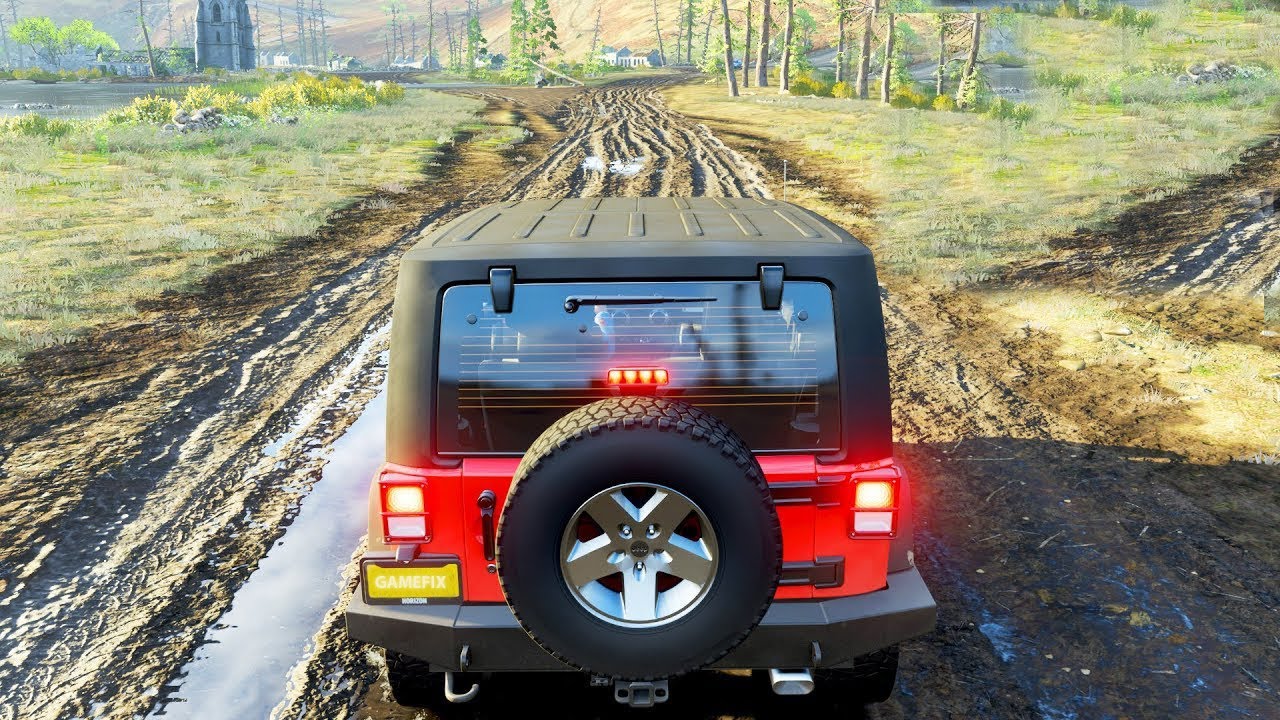
True off-road enthusiasts know that the journey is defined by the technical setup of the vehicle. When exploring various off road driving games, look for titles that treat customization as a core mechanic rather than a cosmetic afterthought. Realism hinges on how the game simulates mechanical components. A robust physics engine should account for the engagement of locking differentials, which is crucial for maintaining traction when wheels leave the ground. Similarly, high-fidelity winch physics that require proper anchor point selection add a layer of tactical decision-making to recovery efforts. Tire selection should also impact performance; mud-terrain tires should behave noticeably differently than all-terrain rubber, particularly when navigating deep slush or slick rock faces.
2.1.2 The Role of Sound Design in Conveying Engine Torque and Surface Texture
While visuals often get the spotlight in racing simulator games, the audio profile is the unsung hero of immersion. Excellent sound design provides essential feedback that you cannot see. When you are crawling over boulders, the granular audio of tires shifting against stone or the high-pitched whine of an engine struggling under load communicates your vehicle’s physical state. Developers who prioritize realistic gear-box sounds and accurate engine torque curves help players “feel” the terrain without needing motion-rig hardware. Paying attention to these auditory cues allows you to better manage throttle input and prevent wheel spin before it happens.
2.1.3 Leveraging Modding Communities to Expand Gameplay Longevity
One of the best ways to ensure your favorite titles stay fresh is by engaging with the community-driven modding scene. Many developers now actively support modding, providing tools for players to create custom maps, vehicle skins, and even entirely new physics mods. For those who enjoy complex car driving games, mods can introduce niche vehicles or extreme environmental conditions that the base game might lack. Checking the Steam Workshop or community forums for a game’s “modability” is a pro-tip for getting the most value out of your purchase, as a dedicated community can extend the life of a simulator for years beyond its initial release.
2.2 Maximizing Your Experience Across Different Platforms
2.2.1 Calibration Tips for Steering Wheels and Force Feedback Controllers
If you are playing on PC or console with a steering wheel, calibration is the most important step for an authentic experience. Start by adjusting your force feedback settings to ensure the wheel weight matches the resistance you would expect on loose surfaces. If the wheel feels too light, you will lose the sense of connection to the terrain. Take a moment to learn more about how to manage your digital assets, and consider using tools found in our guide on managing game accounts and settings to ensure your hardware profiles are optimized for each title. Proper calibration ensures that every bump, rut, and slide is translated through the hardware to your hands.
2.2.2 Foundational Driving Techniques: Throttle Control and Momentum Management
Off-roading is less about speed and more about calculated momentum. New players often make the mistake of pinning the throttle, which usually results in digging the vehicle into the mud or losing control on steep inclines. The secret to success in these titles is learning how to feather the gas. Gentle, consistent throttle input prevents the tires from breaking traction. When facing a steep climb, plan your line, maintain a steady pace to keep your tires biting into the surface, and avoid abrupt steering changes that could destabilize your chassis.
2.2.3 Best Mobile Off Road Experiences: Balancing Graphics and Device Performance
For gamers on the go, finding a solid truck parking simulator or off-road adventure on a mobile device requires a balance between visual fidelity and performance. Mobile gaming hardware has come a long way, but off-road physics are incredibly CPU-intensive due to the calculation of terrain deformation. If you find your frame rate dropping, prioritize lowering shadow quality and particle effects over resolution. This keeps the game fluid, which is vital for the precise inputs needed for technical maneuvering in challenging environments.
Finding the right off road driving games comes down to balancing your desire for technical challenge with the level of realism you crave. Whether you are looking for the slow-burn, strategic logistics found in simulators like SnowRunner or the high-octane, precision-based thrills of rally titles, the genre offers a vast landscape for every type of player. We have explored how soft-body physics, vehicle customization, and proper hardware calibration can transform a standard session into a truly immersive experience that mimics the nuances of real-world terrain navigation.
Ultimately, these games are about more than just crossing a finish line; they are about understanding momentum, mastering throttle control, and respecting the environment. If you want to refine your virtual skills even further, check out our guide on best survival adventure games for titles that feature similarly demanding open-world exploration. As you experiment with different setups and explore new mods, remember that the best way to improve is through practice and patience. Grab your controller or steering wheel, find your favorite rig, and start conquering those trails today.