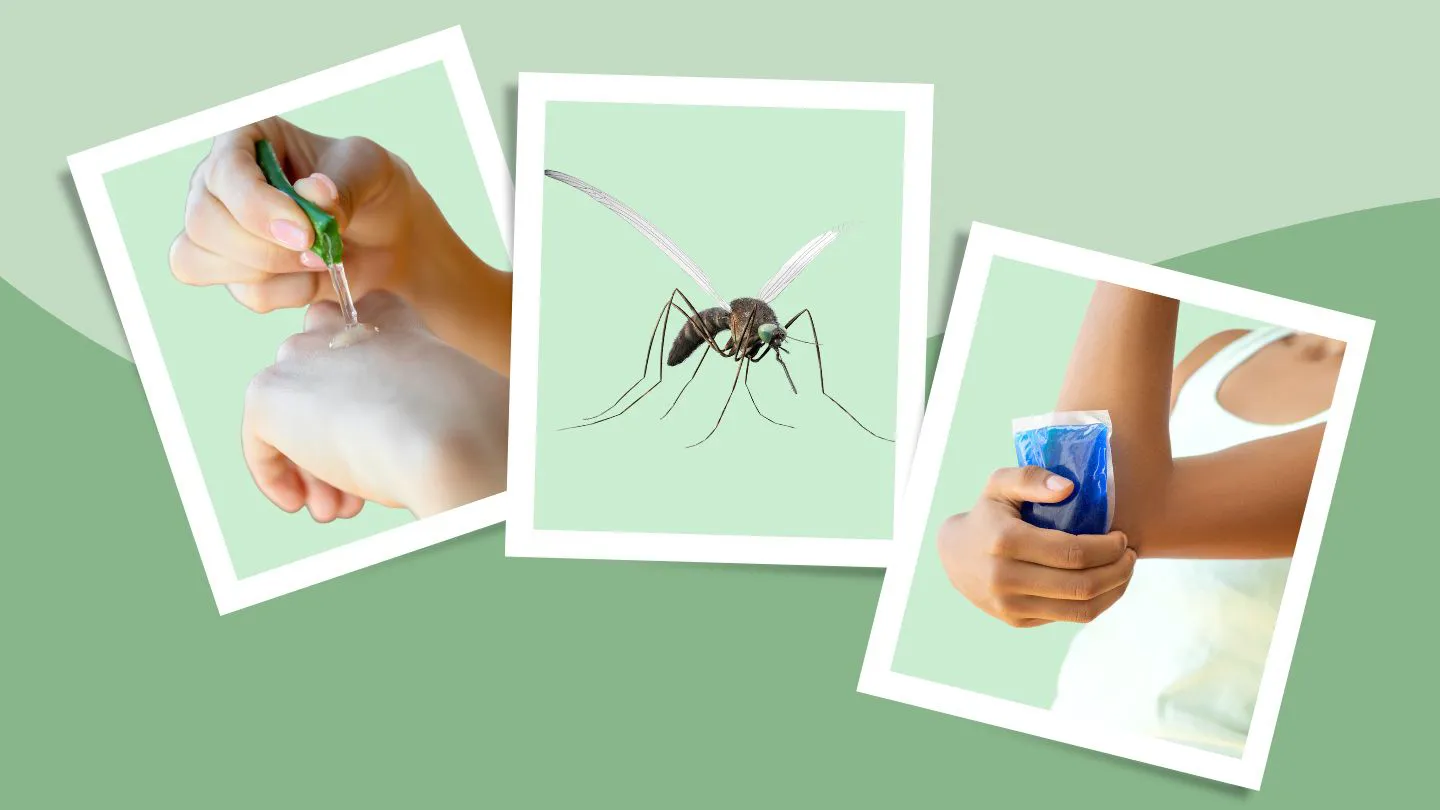

A mosquito bite is tiny, but its talent for ruining a peaceful evening is enormous. One minute you are enjoying the backyard; the next, you are scratching your ankle like it personally offended you.
Although you cannot make a mosquito bite disappear instantly, you can reduce the itching, swelling, and irritation while helping the skin heal. The most effective approach combines gentle cleaning, cold therapy, proven over-the-counter treatments, andthis part is less funresisting the urge to scratch.
Most mosquito bites improve within a few days. However, unusually large reactions, infections, severe allergies, and symptoms of mosquito-borne illness require medical attention. Here is how to recognize an ordinary bite, stop the itch, and know when that little bump deserves a bigger response.
Quick Mosquito Bite Relief: What to Do First
For fast relief from a fresh mosquito bite, follow these steps:
- Wash the area. Use mild soap and water to remove dirt, bacteria, and any products that might further irritate the skin.
- Apply a wrapped cold pack. Hold it on the bite for about 10 minutes to reduce swelling and temporarily numb the itch. Never place ice directly on bare skin.
- Use an appropriate anti-itch treatment. Calamine lotion or an over-the-counter hydrocortisone cream may reduce irritation. Follow the product label.
- Consider an oral antihistamine. It may help when itching is intense or several bites are involved. Ask a pharmacist about the safest option if you take other medications.
- Protect the bite from scratching. Short fingernails, loose clothing, or a small bandage can prevent accidental damage.
Cold therapy is especially useful during the first few hours. You can repeat it as needed, allowing the skin to warm between applications.
Why Do Mosquito Bites Itch?
Female mosquitoes bite because they need nutrients from blood to produce eggs. While feeding, a mosquito releases saliva containing substances that help keep blood flowing. Your immune system recognizes proteins in that saliva as foreign and launches a response.
Part of that response involves histamine, a chemical associated with itching, redness, and swelling. The familiar raised bump is therefore not a piece of mosquito saliva trapped beneath your skin. It is inflammation created by your own immune systemthe biological equivalent of setting off the building alarm because an uninvited guest entered the lobby.
Reactions vary from person to person. Some people develop only a small pink bump, while others experience a larger welt. Children and people with limited previous exposure to a particular mosquito species may react more strongly.
How to Stop Mosquito Bites From Itching
1. Clean the Bite Gently
Wash the bite with mild soap and cool or lukewarm water. Pat it dry instead of rubbing it with a towel. Cleaning does not neutralize mosquito saliva, but it lowers the chance that scratching will push dirt and bacteria into broken skin.
Avoid repeatedly scrubbing the bump or cleaning it with harsh alcohol-based products. Excessive cleaning can dry and irritate the skin, giving you a second itch to accompany the first.
2. Use a Cold Compress
Wrap an ice pack or bag of frozen vegetables in a thin towel and apply it for approximately 10 minutes. A cold, damp washcloth also works. Cooling constricts small blood vessels, decreases swelling, and temporarily slows the nerve signals involved in itching.
Remove the cold pack if the skin becomes painfully numb, pale, or uncomfortable. Longer is not automatically better; frostbite would be an ambitious overreaction to a mosquito.
3. Apply Hydrocortisone Cream
Nonprescription 1% hydrocortisone cream can reduce inflammation and itching from uncomplicated insect bites. Apply only the amount and frequency directed on the package.
Do not use hydrocortisone on open, infected, or badly blistered skin unless a healthcare professional recommends it. Check with a clinician before using it around the eyes, on sensitive areas, for an extended period, or on a very young child.
4. Try Calamine or Pramoxine Lotion
Calamine lotion can cool and soothe an itchy bite. Products containing pramoxine, a topical anesthetic used for minor skin irritation and insect bites, may provide temporary relief by reducing itch signals from the skin.
Test unfamiliar products on a small area, especially if you have sensitive skin. Stop using any treatment that increases burning, redness, or swelling.
5. Consider an Oral Antihistamine
An oral antihistamine may help when the itch is widespread, interferes with sleep, or accompanies a larger allergic reaction. Some antihistamines cause significant drowsiness and can interact with alcohol, sedatives, or other medicines. Never drive after taking a product that makes you sleepy.
Follow the label rather than improvising a dose. Parents, pregnant or breastfeeding people, older adults, and anyone with chronic medical conditions should consult a pediatrician, pharmacist, or healthcare provider first.
6. Cover Bites You Keep Scratching
If nighttime scratching is the problem, place a clean adhesive bandage over the bite after the skin is dry. This creates a physical barrier between your fingernails and the bump. Keep nails short and replace the bandage if it becomes wet or dirty.
Home Remedies That May Help
Baking Soda Paste
The Centers for Disease Control and Prevention suggests mixing one tablespoon of baking soda with just enough water to form a paste. Apply it to the bite, leave it on for about 10 minutes, and wash it off. Discontinue use if it irritates the skin.
Colloidal Oatmeal
A lukewarm bath containing colloidal oatmeal may soothe multiple bites. Hot water can intensify itching, so keep the temperature comfortable rather than steaming. Pat the skin dry afterward and avoid strongly scented lotions.
Aloe Vera
Plain aloe vera gel may feel cooling, but evidence specifically supporting it as a mosquito bite treatment is limited. If you use it, choose an unscented product and stop if the skin becomes more irritated.
Home care should make a bite feel better, not turn your arm into a kitchen experiment. “Natural” substances can still trigger irritation or an allergic reaction.
Mosquito Bite Remedies to Avoid
Several viral internet hacks are more dramatic than helpful. Avoid the following:
- Do not apply extreme heat. Hot spoons, hair dryers, and very hot water can burn the skin.
- Do not cut or puncture the bump. There is nothing inside that needs to be drained.
- Do not squeeze the bite. Pressure adds irritation without removing the cause.
- Do not use bleach or household cleaners. They can cause chemical burns.
- Be cautious with toothpaste, vinegar, citrus juice, and essential oils. These products may irritate the skin, and some citrus oils can increase sun sensitivity.
- Do not apply multiple medicated products at once. Combining creams can cause irritation or make it difficult to identify which product triggered a reaction.
Why Scratching Makes Mosquito Bites Worse
Scratching provides brief relief because mild pain temporarily competes with the itch signal. Unfortunately, it also increases inflammation and can restart the itch-scratch cycle. Repeated scratching may break the skin, delay healing, leave dark marks, or introduce bacteria.
Signs of a possible skin infection include worsening pain, increasing warmth, expanding redness, pus, red streaks, or fever. A bite that becomes progressively worse after initially improving should be evaluated by a healthcare professional.
Antibiotics are not routine mosquito bite treatments. They treat bacterial infections, not the immune reaction responsible for an ordinary itchy bump.
How Long Do Mosquito Bites Last?
A typical bite may appear within minutes or develop into a firmer, itchy bump over the next day. Most improve substantially within several days, although discoloration can remain longerespecially after heavy scratching.
Seek medical advice if a bite continues worsening, fails to improve, develops blisters or drainage, or remains unexplained. Fleas, bedbugs, chiggers, contact dermatitis, hives, and other skin problems can resemble mosquito bites.
What Is Skeeter Syndrome?
Skeeter syndrome is an unusually strong inflammatory reaction to mosquito saliva. It can cause a large area of swelling, warmth, redness, itching, and sometimes pain. The reaction may begin within hours and can be mistaken for cellulitis, a bacterial skin infection.
Children are more likely to experience pronounced reactions, although adults can develop them as well. A healthcare provider may recommend antihistamines, topical corticosteroids, orin severe casesprescription treatment. Because infection and allergic inflammation can look similar, professional evaluation is sensible when swelling is extensive or symptoms are worsening.
When to Get Medical Help
Call Emergency Services for a Severe Allergic Reaction
Seek emergency care immediately if a bite is followed by trouble breathing, fainting, widespread hives, a rapid or weak pulse, or swelling of the lips, tongue, face, eyelids, or throat. Use prescribed epinephrine if available and follow the person’s emergency action plan.
Contact a Healthcare Provider for Infection or Severe Swelling
Arrange medical care for rapidly expanding redness, severe pain, significant warmth, pus, red streaks, fever, or swelling that interferes with movement or vision. Large reactions around an eye also deserve prompt evaluation.
Watch for Symptoms of Mosquito-Borne Illness
Most mosquito bites in the United States do not cause disease. Nevertheless, mosquitoes can transmit infections such as West Nile virus. Other illnesses, including dengue, malaria, chikungunya, and Zika, may be concerns in certain regions or after travel.
Contact a healthcare professional if fever, severe headache, unusual fatigue, body aches, joint pain, vomiting, rash, weakness, confusion, or neck stiffness develops after mosquito exposure. Mention recent travel and the approximate date of the bites. Severe neurological symptoms, breathing problems, confusion, or difficulty waking require urgent care.
Special Care for Children
Use cool compresses, keep fingernails short, and discourage scratching. Choose medicines according to the child’s age and the product label. Do not guess an adult dose, and do not use a topical medicine on a baby without professional guidance.
Ask a pediatrician or pharmacist before giving an oral antihistamine, particularly to an infant or young child. Seek medical advice for extensive swelling, bites near the eye, signs of infection, breathing difficulty, or a child who appears unusually ill.
How to Prevent More Mosquito Bites
The best mosquito bite treatment is preventing the next round. Use an EPA-registered insect repellent containing an approved active ingredient such as DEET, picaridin, IR3535, oil of lemon eucalyptus, PMD, or 2-undecanone. Read the label for age restrictions, application instructions, and reapplication timing.
Do not use oil of lemon eucalyptus or PMD products on children younger than 3. Adults should spray repellent onto their hands before applying it to a child’s face. Never place repellent on a child’s hands, irritated skin, cuts, or beneath clothing.
If using sunscreen and repellent, apply sunscreen first, allow it to dry, and then apply repellent. Avoid combination sunscreen-repellent products because sunscreen generally needs more frequent reapplication.
Additional mosquito prevention strategies include:
- Wear loose-fitting long sleeves, pants, and socks outdoors.
- Use clothing and gear treated with permethrin, following the label.
- Never apply permethrin products intended for fabric directly to skin.
- Repair damaged window and door screens.
- Use air conditioning when practical.
- Empty standing water from flowerpot saucers, buckets, toys, gutters, and birdbaths.
- Use a fan on patios or porches; mosquitoes struggle in steady moving air.
- Pack repellent when traveling instead of assuming it will be available after arrival.
Practical Experiences and Lessons From Itchy Encounters
The following composite scenarios reflect common experiences reported by families, travelers, campers, and clinicians. They illustrate how small choices can determine whether a mosquito bite remains a minor annoyance or becomes a weeklong scratching saga.
The Camping Trip With No Anti-Itch Supplies
A camper returns to the tent with six bites around each anklethe narrow strip of skin between pants and shoes that mosquitoes apparently regard as reserved seating. With no anti-itch cream available, the first useful step is surprisingly ordinary: wash the ankles and apply a cold water bottle wrapped in a clean shirt.
The cooling reduces the urge to scratch long enough to fall asleep. The lesson is not that a water bottle is a miracle treatment. It is that immediate, simple care often works better than waiting until inflammation and scratching have escalated. A small outdoor kit containing repellent, bandages, and an age-appropriate anti-itch product can prevent the second evening from becoming a repeat performance.
The Child Who Scratches While Sleeping
A child may promise not to scratch and mean it sincerelyright up until sleep places the fingernails in charge. By morning, a harmless bump may be raw and crusted.
Cooling the bite before bedtime, trimming fingernails, and covering the dry area with a clean bandage can interrupt this pattern. If the site becomes increasingly painful, warm, swollen, or begins draining, a parent should call the child’s healthcare provider. The key lesson is that preventing unconscious scratching can be just as important as selecting a cream.
The Backyard Evening That Produced a Dozen Bites
When many bites appear at once, treating each bump individually can feel like completing paperwork in triplicate. A cool or lukewarm colloidal oatmeal bath may be more practical, followed by loose clothing and an appropriate treatment on the worst areas.
The more valuable discovery often happens outside. A walk around the yard may reveal water collected in a planter saucer, toy wagon, clogged gutter, or forgotten bucket. Emptying those containers does not remove tonight’s bites, but it helps reduce future breeding sites. The itch becomes a clue pointing toward a preventable household problem.
The Traveler Who Assumes Every Symptom Is “Just Bites”
Most travel-related mosquito bites remain uncomplicated. Still, a traveler who develops fever, severe headache, joint pain, vomiting, rash, or unusual weakness should not simply keep applying lotion and hope the problem becomes bored.
Writing down where the trip occurred, when exposure happened, and when symptoms began gives a healthcare provider useful information. The practical lesson is to separate skin care from illness monitoring: a bite can be treated locally, while new whole-body symptoms require medical judgment.
The Itch-Scratch Cycle at the Office
A bite can become more irritating when someone absentmindedly scratches it throughout the workday. Placing a cold drink against the area for several minutes, covering the bump, and moving medicated products out of reach after proper application can prevent constant fiddling.
Attention matters. People often scratch during meetings, while watching television, or when trying to sleepnot necessarily because the bite suddenly became worse, but because the hand found it. A physical barrier and a substitute response, such as briefly pressing a cool cloth against the site, can help break the habit.
Across these experiences, the pattern is consistent: clean early, cool the inflammation, choose proven treatments, protect the skin, and monitor for changes. The objective is not to attack the bite with every remedy in the cabinet. It is to make the skin comfortable enough to heal without interference.
Conclusion
You cannot erase a mosquito bite on command, but you can make it far less memorable. Wash the area, use a wrapped cold pack, apply an appropriate anti-itch treatment, and protect the skin from scratching. Most bumps then settle down within a few days.
Pay attention when the reaction does not follow that ordinary pattern. Expanding redness, drainage, severe swelling, breathing difficulty, fever, neurological symptoms, or illness after travel requires professional care. Once the itching fades, turn your attention to prevention with EPA-registered repellent, protective clothing, screens, moving air, and fewer containers of standing water.
Research Sources
- Centers for Disease Control and Prevention: About Mosquito Bites
- Centers for Disease Control and Prevention: Preventing Mosquito Bites
- American Academy of Dermatology: Prevent and Treat Bug Bites
- Mayo Clinic: Mosquito Bite Diagnosis and Treatment
- MedlinePlus: Mosquito Bites
- Cleveland Clinic: Mosquito Bites
- Cleveland Clinic: Skeeter Syndrome
- Johns Hopkins Medicine: Insect Bites and Stings
- U.S. Environmental Protection Agency: Using Insect Repellents Safely
- HealthyChildren.org: Insect Bites and Stings in Children
- National Capital Poison Center: Mosquitoes
- Harvard Health Publishing: Mosquito Bite Prevention