The transition from a fan of the game to a master of the front office requires more than just a passion for athletics; it demands a sophisticated approach to organizational leadership. Managerial sports strategies serve as the blueprint for high-performance clubs, blending analytical rigor with the nuanced art of human management. Whether you are navigating the complexities of football manager games to refine your tactical intuition or managing real-world operations in a competitive league, the principles of success remain remarkably consistent. Modern management involves balancing on-field performance with sustainable business growth, requiring executives to wear many hats simultaneously.
In this guide, we explore the essential pillars that define today’s top sports organizations. From leveraging data-driven decision-making to fostering a culture of innovation, we will break down the frameworks necessary for long-term championship success. By understanding how to align front-office objectives with team formation sports games and wider strategic visions, you will learn how to build resilient organizations that thrive under pressure. Whether you are interested in the high-stakes world of professional leagues or the mechanics of global tournament events, these insights provide the foundation you need to excel in the competitive sports landscape.

1. Strategic Frameworks and Managerial Sports Strategies for Organizational Growth

Successful sports organizations operate much like high-stakes businesses, where the intersection of vision and execution determines long-term viability. Mastering managerial sports strategies requires a holistic approach that bridges the gap between the boardroom and the pitch.
1.1 Foundational Pillars of Modern Sports Management
1.1.1 Establishing Long-Term Mission and Organizational Vision
An enduring mission serves as the North Star for any sports entity. Leaders must define a vision that transcends a single season, focusing on brand identity, community impact, and sustainable growth. This clarity ensures that every stakeholder, from coaching staff to marketing executives, understands the ultimate goals of the organization.
1.1.2 Aligning Front-Office Operations with On-Field Performance Objectives
True success occurs when the front office operates in lockstep with the coaching staff. By synchronizing recruitment, scouting budgets, and salary cap management with specific tactical needs, organizations minimize waste and maximize competitive output. This alignment ensures that resources are directed toward players who fit the team’s philosophical and technical requirements.
1.1.3 Strategic Resource Allocation and Financial Stewardship
Effective management demands rigorous financial discipline. Whether it involves stadium infrastructure investments or scaling internal talent development programs, every dollar must be accounted for against expected performance outcomes. Prioritizing high-impact areas prevents operational bloat while maintaining the necessary liquidity to navigate unexpected challenges in the professional landscape.
1.2 Data-Driven Decision Making and Performance Analytics
1.2.1 Leveraging Predictive Modeling for Revenue and Ticket Sales
Modern managers use sophisticated predictive modeling to forecast demand and optimize ticket pricing. By analyzing historical attendance data and localized economic trends, clubs can adjust marketing efforts in real time to ensure high stadium capacity throughout the season.
1.2.2 Interpreting Fan Engagement Metrics for Marketing Adjustments
Understanding the pulse of the fan base is critical. Managers analyze social sentiment, merchandise sales, and digital content consumption to tailor their marketing strategies. This responsiveness keeps the brand relevant and fosters deep, lasting loyalty within the community.
1.2.3 Optimizing Sponsorship ROI Through Advanced Attribution Modeling
Sponsorships remain a primary revenue driver, but legacy measurement techniques are no longer sufficient. Advanced attribution modeling allows executives to map specific sponsorship activations to tangible business KPIs, ensuring that corporate partnerships provide clear, measurable value to all involved parties.
1.3 Implementing Agile Frameworks in Sports Organizations
1.3.1 Utilizing SWOT Analysis for Competitive Positioning
Performing a SWOT analysis helps managers identify internal strengths and weaknesses while scanning for external opportunities and threats. This provides a clear roadmap for competitive positioning, allowing the organization to pivot quickly when the market landscape changes.
1.3.2 Applying OKRs to Drive Accountability Across Cross-Functional Teams
Objectives and Key Results (OKRs) encourage transparency and focus. By setting ambitious goals for departments like player development, digital media, and ticket operations, leaders ensure that every employee is rowing in the same direction. This structure is often mirrored in best clan based strategy games where coordinated team efforts are essential to climbing global leaderboards.
1.3.3 Executing Post-Season Audits for Continuous Operational Improvement
The conclusion of a competitive cycle is the perfect time for a deep-dive audit. Assessing every operational failure and success allows leadership to refine their processes, effectively “patching” flaws in the management system before the next major campaign begins.
2. Leadership, Governance, and Navigating Modern Managerial Sports Strategies
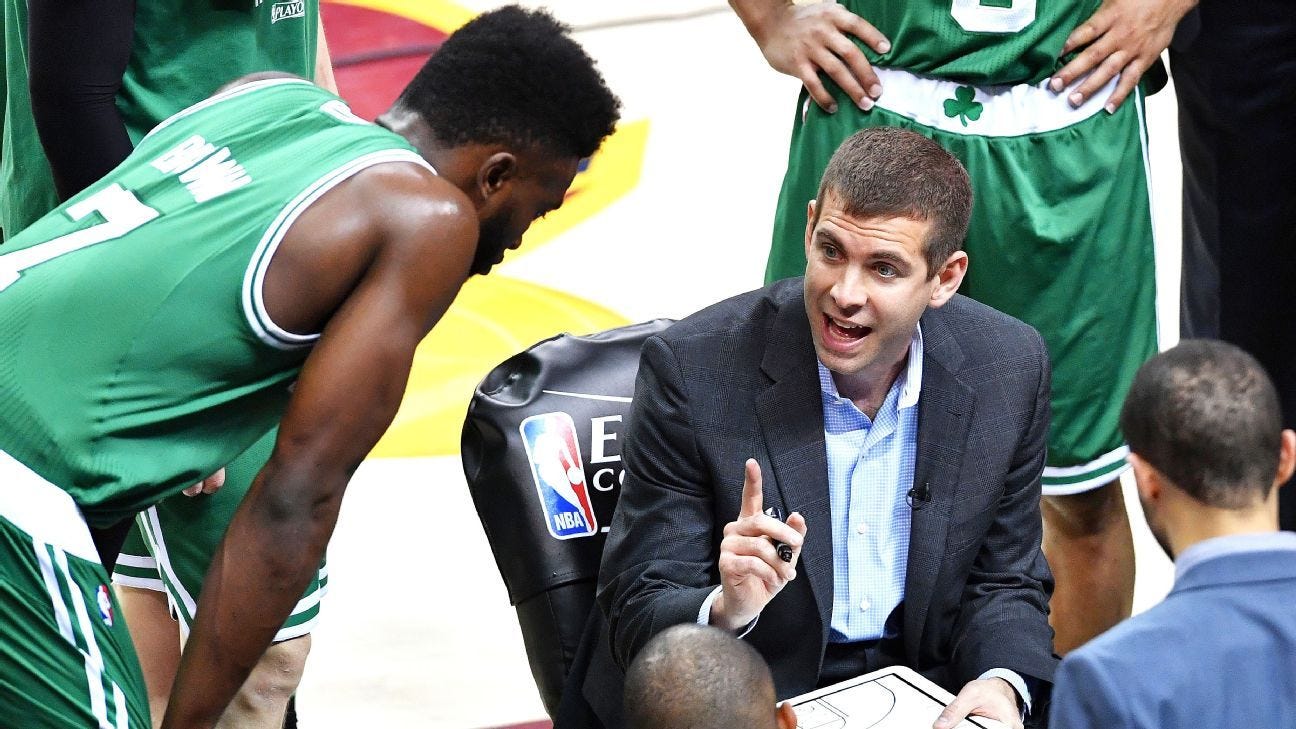
2.1 Cultivating Organizational Culture and Leadership Excellence
2.1.1 Strategies for Talent Acquisition and Front-Office Retention
Building a winning organization requires more than just high-performing athletes; it demands a robust front-office structure. Successful talent acquisition in sports management relies on identifying individuals who possess a blend of analytical prowess and emotional intelligence. Retention is equally critical; it is fostered by providing clear career pathways, competitive compensation structures, and a workplace environment that values professional development. Organizations that treat their administrative staff with the same level of care as their marquee players often see greater stability and operational efficiency.
2.1.2 Managing Cross-Functional Synergy Between Media, Marketing, and Operations
Modern managerial sports strategies necessitate tight integration between historically siloed departments. Marketing teams must work in lockstep with operations to ensure that fan engagement initiatives align with the reality of the stadium experience. Media departments, meanwhile, provide the narrative bridge that connects these internal efforts to the public. By breaking down communication barriers, leaders can ensure that every touchpoint—from digital content to in-game activations—reinforces the organization’s overall mission and value proposition.
2.1.3 Fostering an Innovative Mindset Amid Traditional Sporting Models
Sports are deeply rooted in tradition, which can sometimes stifle necessary evolution. Leadership excellence involves challenging the status quo while respecting the heritage of the franchise. Executives should encourage an experimental culture, allowing for pilot programs in areas like fan technology or stadium amenities. By rewarding calculated risks, managers can transform traditional clubs into agile, forward-thinking enterprises capable of adapting to shifting market demands.
2.2 Navigating Legal, Ethical, and External Governance
2.2.1 Ensuring Compliance in Player Contracts and Labor Relations
Legal scrutiny is an inherent part of the sports industry. Managers must navigate complex labor laws, collective bargaining agreements, and intricate player contracts. Success here hinges on proactive legal consultation and transparent communication with union representatives. By treating labor relations as a collaborative partnership rather than a zero-sum game, teams can avoid costly disputes that distract from on-field performance.
2.2.2 Integrating Social Responsibility and CSR into Business Strategy
Corporate Social Responsibility (CSR) is no longer an optional add-on; it is a fundamental expectation of the modern fan base. Integrating social initiatives—such as youth outreach or sustainability programs—into the core business model enhances brand loyalty. Authenticity is paramount; efforts should align with the organization’s identity and have a measurable impact on the community, thereby strengthening the club’s social license to operate.
2.2.3 Crisis Management Protocols for Public Relations and Operational Failures
Sports organizations are high-profile entities susceptible to sudden reputational crises. Having a pre-established crisis management framework is essential. This includes clear lines of communication, designated spokespeople, and protocols for swift, transparent public responses. Whether dealing with a team scandal or an operational failure, the goal is to control the narrative through honesty and accountability, ensuring that the organization’s reputation remains intact over the long term.
2.3 The Future Landscape of Sports Management
2.3.1 Digital Transformation and AI Integration in Management Workflows
The future of sports management lies in the intelligent application of technology. Digital transformation goes beyond just social media; it includes the adoption of AI-driven systems for inventory management, scheduling, and even player scouting. As you refine your approach to team formation sports games or real-world operations, you will find that automating routine administrative tasks allows your staff to focus on high-level strategic planning and personal engagement.
2.3.2 Mapping Career Trajectories for Emerging Sports Executives
Aspiring executives should prioritize versatility. The modern sports leader needs a foundational understanding of finance, law, data analytics, and communication. By seeking cross-departmental experience early in their careers, emerging managers can build the holistic perspective necessary to oversee complex sporting organizations in the future.
2.3.3 The Growing Importance of Professional Networking and Personal Branding
In a relationship-driven industry, your personal brand is your most valuable asset. Professional networking is not just about exchanging business cards; it is about cultivating long-term, mutually beneficial relationships across the sporting ecosystem. By positioning yourself as a thought leader through active participation in industry forums and transparent communication, you increase your authority and influence within the professional landscape.
Mastering managerial sports strategies requires more than just an understanding of the game; it demands a fusion of analytical foresight, strong leadership, and the agility to adapt to an evolving industry. Whether you are navigating the complex variables of football manager games to optimize a virtual roster or applying these high-level principles to real-world front-office operations, the core objectives remain the same. Success is built upon the pillars of data-driven decision-making, a culture of accountability, and a proactive approach to long-term organizational vision.
As you refine your approach to team formation sports games and sharpen your ability to interpret performance analytics, remember that every tactical shift—from player recruitment to sponsorship ROI optimization—should align with your broader mission. The future of sports management belongs to those who embrace digital transformation while maintaining the human element that drives fan loyalty and community engagement. By continuously auditing your progress and remaining flexible in the face of legal or ethical challenges, you position yourself to thrive in any competitive environment. We encourage you to continue honing your analytical skills by exploring logical problem-solving techniques, as the ability to break down complex scenarios is the hallmark of every elite sports executive.