
Some days, being in a good mood feels effortless. The coffee is hot, your inbox behaves itself, and nobody asks you to “circle back” before 9 a.m. On other days, one dropped spoon can somehow become the final straw in a personal documentary titled Why Is Everything Happening to Me?
The good news is that a good mood is not reserved for naturally cheerful people, golden retrievers, or strangers who wake up at 5 a.m. to run uphill. While no one can feel happy every minute of every day, you can build habits that make it easier to feel calmer, more energized, and more emotionally steady.
Learning how to stay in a good mood is less about pretending life is perfect and more about giving your brain and body the conditions they need to cope well. Sleep, movement, food, friendships, boundaries, humor, and small moments of enjoyment all matter. Think of your mood as a houseplant: it does not need a marching band, but it does need water, light, and someone to stop leaving it next to a freezing air conditioner.
What It Really Means to Be in a Good Mood
A good mood does not mean you are smiling through traffic, taxes, heartbreak, and printer errors. It means you have enough emotional balance to handle ordinary stress without feeling like every inconvenience is an asteroid headed for Earth.
People with a generally positive mood still feel frustration, sadness, anger, disappointment, and anxiety. The difference is that those emotions do not run the entire show. Instead of getting stuck in a bad mood for hours or days, they are more likely to recover, reset, and move forward.
That is the real goal: emotional resilience. You are not trying to become permanently cheerful. You are trying to become someone who can have a rough morning without declaring the entire week emotionally canceled.
Start With the Basics: Sleep, Food, and Movement
Protect Your Sleep Like It Is a Tiny, Important Celebrity
Sleep affects far more than whether you yawn during meetings. When you do not get enough rest, small problems can feel bigger, patience becomes scarce, and your mood can become more reactive. A short night of sleep can make a mildly annoying email feel like a personal attack from the universe.
Most adults benefit from a regular sleep routine. Going to bed and waking up at roughly the same time each day can help support your internal clock. Try reducing bright screens before bed, keeping your room cool and dark, and avoiding the late-night habit of reading news that makes you want to move to a cabin with no Wi-Fi.
You do not need a perfect bedtime ritual involving lavender fog, silk pajamas, and a moon journal. Start with one useful change: set a reminder to begin winding down 30 minutes before you want to sleep.
Move Your Body, Even When Motivation Is Missing
Physical activity is one of the most reliable mood boosters because it helps release tension, improve sleep, and support emotional well-being. You do not need to become a marathon runner or own matching workout sets. A brisk walk, a short dance break, stretching while dinner cooks, or carrying groceries up the stairs all count.
One practical approach is the “ten-minute rule.” Promise yourself you will move for just ten minutes. If you want to stop afterward, you can. Often, getting started is the hardest part. Your brain may complain at first, but it is usually much happier after a little movement.
Walking outdoors is especially useful because it combines exercise, daylight, and a break from whatever tiny digital crisis is currently happening on your phone.
Eat in a Way That Supports Stable Energy
Your mood and your energy level are close relatives. When you skip meals, live on sugary snacks, or drink coffee as if it were a food group, your body may respond with irritability, fatigue, shakiness, or a sudden urge to argue with a customer-service chatbot.
You do not need to eat perfectly to feel better. Focus on regular meals that include protein, fiber, healthy fats, fruits, vegetables, and enough water. A balanced breakfast or lunch can make a surprisingly large difference in how steady your mood feels later in the day.
Also, pay attention to caffeine. Coffee can be delightful, but too much caffeine, especially later in the day, can interfere with sleep and make anxiety feel louder. The goal is not to betray your beloved latte. The goal is simply to avoid turning your nervous system into a drum solo.
Build a Morning Routine That Helps Your Mood
Your morning does not need to be a cinematic montage with green juice, journaling, and a sunrise yoga session on a mountain. But the first hour of your day can influence your mood more than you might realize.
A simple mood-friendly morning routine could include:
- Getting some natural light soon after waking up.
- Drinking water before your second cup of coffee.
- Taking a few minutes away from notifications.
- Making your bed or tidying one small area.
- Choosing one realistic priority for the day.
These small actions create a sense of direction before your brain has a chance to open seventeen tabs of worry. You do not need to control every minute. You just need to begin the day with a little intention instead of immediately entering the digital coliseum.
Practice Emotional Awareness Instead of Emotional Wrestling
Trying to force yourself into a good mood can backfire. Telling yourself, “I should not feel stressed,” while you are stressed is a bit like telling a cat, “Please stop being a cat.” It is unlikely to produce the desired result.
Instead, name what you are feeling. You might say, “I am overwhelmed,” “I am disappointed,” “I am nervous,” or “I am irritated because this meeting should have been an email.” Naming emotions can make them feel more manageable because it gives your brain clarity.
Once you identify the emotion, ask a practical question: What do I need right now? Sometimes the answer is a walk. Sometimes it is food. Sometimes it is a difficult conversation. Sometimes it is putting your phone down and taking a shower. Sometimes it is admitting that you have been staring at a spreadsheet too long and your brain has become mashed potatoes.
Use Mindfulness to Slow Down the Spiral
Mindfulness is often misunderstood as sitting perfectly still while having absolutely no thoughts. In reality, mindfulness is simply paying attention to the present moment without immediately judging it, fixing it, or turning it into a five-part disaster forecast.
You can practice mindfulness anywhere. Notice the temperature of your coffee. Feel your feet on the floor. Take five slow breaths before answering a stressful message. Listen carefully when someone is talking instead of rehearsing your response like you are preparing for a debate tournament.
Try this quick reset when you feel your mood sliding downhill:
- Pause and take one slow breath.
- Notice five things you can see.
- Relax your shoulders and unclench your jaw.
- Ask yourself what is actually happening right now.
- Choose one small next step instead of solving your entire life.
This will not erase every problem. But it can keep one stressful moment from becoming an emotional group project with your entire afternoon.
Spend Time With People Who Help You Feel Like Yourself
Good relationships are powerful mood support. Talking with a trusted friend, laughing with a family member, sharing a meal, or simply sitting with someone who understands you can make stress feel less heavy.
Social connection does not require a packed calendar. For some people, one meaningful conversation is more energizing than three crowded events. A quick call, a voice message, a walk with a neighbor, or a dinner with someone who makes you laugh can all improve your sense of connection.
Pay attention to how you feel after spending time with certain people. The right relationships may challenge you, but they do not consistently leave you drained, anxious, or like you need to submit a written apology for having a personality.
Make Room for Supportive Conversations
When you are struggling, it can be tempting to isolate yourself. You may think you are bothering people or that you should “handle it alone.” But sharing what is going on can reduce emotional pressure. You do not need to give a dramatic speech. Even saying, “I have had a rough week and could use someone to talk to,” can open the door.
A supportive person may not solve your problem, but they can remind you that you are not carrying it alone.
Limit the Things That Quietly Ruin Your Mood
Watch Your Doomscrolling Habit
Your phone can connect you to people, information, entertainment, and a truly impressive number of videos involving raccoons. It can also flood your mind with conflict, comparison, bad news, and opinions from strangers who seem deeply committed to being furious before breakfast.
You do not need to delete every app and become a forest hermit. Try creating boundaries instead. Keep your phone away from your bed, avoid checking notifications during meals, and set a time limit for social media. Curate your feeds so they include things that inspire, educate, or entertain you rather than constantly making you feel behind.
Stop Comparing Your Behind-the-Scenes to Everyone Else’s Highlight Reel
Comparison can quietly damage a good mood. You see someone else traveling, buying a house, getting promoted, becoming engaged, making perfect pancakes, or apparently having a living room that contains no clutter whatsoever. Suddenly, your own life feels less impressive.
Remember that online content is edited. Most people do not post the boring, difficult, awkward, or confusing parts of their day. Your real life is not failing because it does not look like a carefully lit photo carousel.
When comparison shows up, redirect your attention to your own values. Ask yourself: What matters to me this week? The answer may be rest, health, work progress, family time, creativity, or simply surviving Tuesday. All of those count.
Give Yourself Things to Look Forward To
One of the easiest ways to improve your daily mood is to schedule small pleasures. They do not need to be expensive, impressive, or photogenic. The point is to create little moments that remind you life contains more than chores and calendar alerts.
Your mood menu might include:
- Listening to a favorite podcast during a walk.
- Trying a new recipe on Friday night.
- Visiting a park or bookstore.
- Watching a comfort movie.
- Calling someone who makes you laugh.
- Taking a long shower without treating it like a pit stop.
- Buying flowers, even if they are discounted grocery-store flowers.
Anticipation matters. Having something pleasant on the calendar can make an ordinary week feel more manageable. A good mood is often built through small enjoyable moments, not one giant life-changing event.
Use Gratitude Without Pretending Everything Is Fine
Gratitude is not about ignoring problems or telling yourself you should be happy because someone else has it worse. That kind of forced positivity usually feels fake and can make people feel guilty for having normal emotions.
Real gratitude is more grounded. It is noticing what is still good, useful, meaningful, or comforting even during a difficult season. You can be stressed about money and grateful for a friend. You can be tired and grateful for a quiet morning. You can be disappointed and still appreciate a funny text message.
Try writing down three things that went well at the end of the day. Keep it specific. Instead of writing “My family,” write “My sister called me when she knew I was stressed.” Instead of “Food,” write “I had soup for lunch and it made a gloomy day feel less gloomy.” Specific gratitude feels more real because it helps your attention notice what is actually working.
Be Kinder to Yourself When You Are Not at Your Best
Your inner voice has a huge effect on your mood. Many people speak to themselves in ways they would never speak to a friend. They call themselves lazy, stupid, behind, awkward, or a disaster because they made one mistake or had one unproductive afternoon.
Self-compassion does not mean avoiding responsibility. It means correcting yourself without crushing yourself. Instead of saying, “I always ruin everything,” try, “That did not go well, but I can learn from it.” Instead of “I am so lazy,” try, “I am tired and need to make the next step smaller.”
You are more likely to stay motivated when you treat yourself like a human being rather than an employee you are trying to fire from your own brain.
Create Boundaries That Protect Your Energy
A good mood is hard to maintain when every person, task, notification, and obligation has unlimited access to you. Boundaries are not selfish. They are a way of protecting your time, attention, and emotional energy.
You may need boundaries around work messages after hours, family requests, social events, or people who only contact you when they need something. You do not have to become cold or unavailable. You simply need to recognize that constantly saying yes can eventually turn into resentment.
Useful boundary phrases include:
- “I cannot take that on right now.”
- “I need some time to think about it.”
- “I am not available tonight.”
- “That does not work for me.”
- “I can help with this part, but not the whole thing.”
At first, boundaries can feel uncomfortable. That is normal. You are changing a pattern. But protecting your energy often makes you more patient, more present, and yes, much less likely to become annoyed by the sound of someone chewing gum.
Make Humor Part of Your Mood Toolkit
Laughter will not pay your bills, solve every conflict, or make your laundry fold itself. Still, humor can create relief when life feels too serious. Watching something funny, sharing a joke with a friend, remembering an absurd memory, or finding the ridiculous side of a stressful moment can help loosen emotional tension.
Keep a “mood rescue” list on your phone. Add videos, songs, memes, photos, comedy clips, and messages that reliably make you smile. On difficult days, do not underestimate the value of a silly dog video, a favorite sitcom episode, or an old group chat where everyone briefly lost their minds over a typo.
Humor is not avoidance when it helps you reset. It can be a healthy reminder that life is complicated, but it is also occasionally very weird.
Know When a Bad Mood May Be More Than a Bad Day
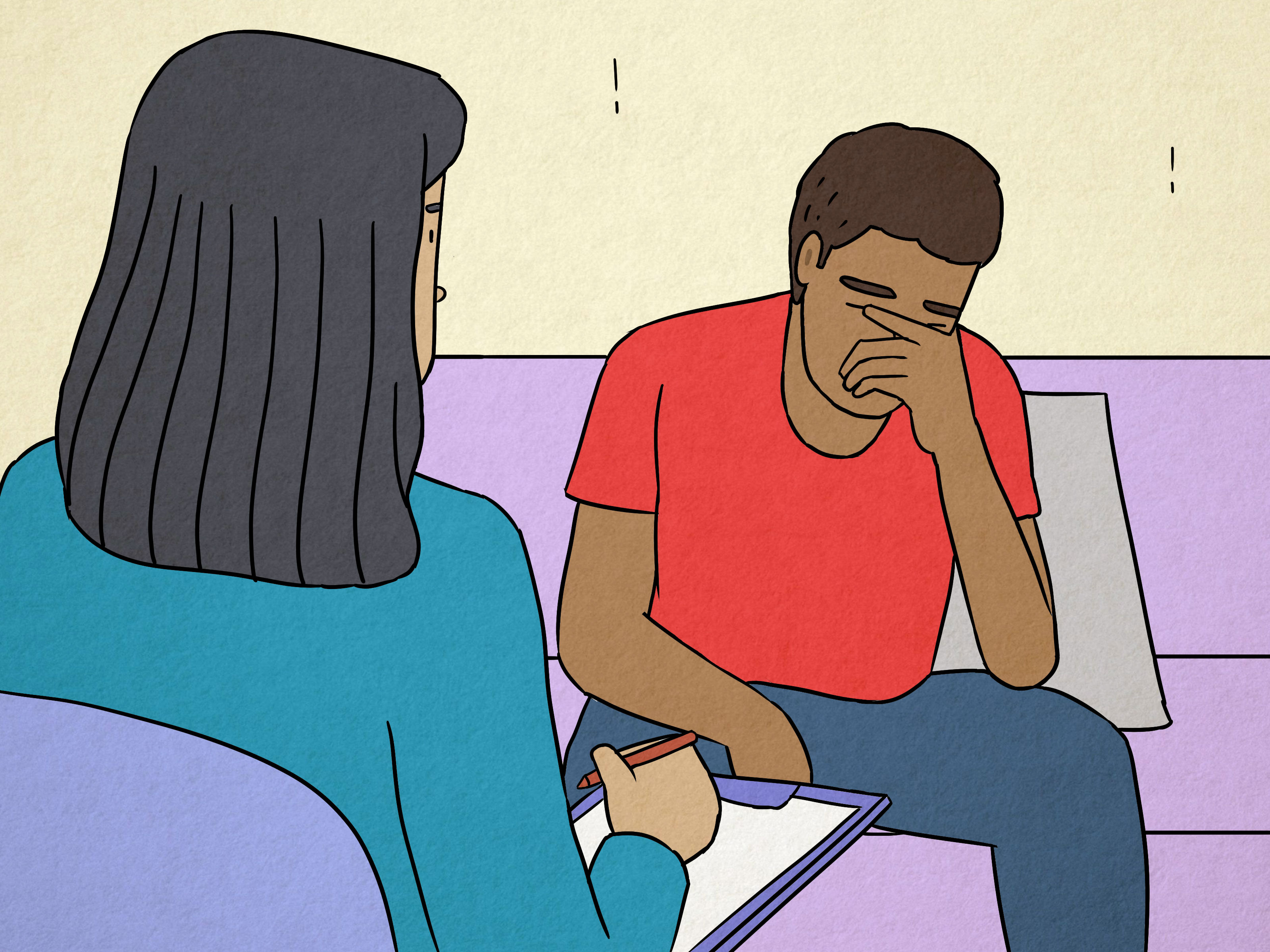
Everyone has difficult periods. But if low mood, hopelessness, anxiety, irritability, or loss of interest lasts for more than a couple of weeks, affects your ability to work or care for yourself, or makes daily life feel overwhelming, it may be time to talk with a mental health professional.
Getting support is not a failure of positive thinking. Therapy, counseling, medical care, support groups, and trusted healthcare professionals can help you understand what is going on and build a plan that fits your needs.
If you ever feel like you may harm yourself or you are in immediate danger, contact emergency services or a crisis support service in your area right away. Your well-being matters more than trying to “push through” alone.
Real-Life Experiences: What Actually Helps People Stay in a Good Mood
In real life, staying in a good mood rarely comes from one dramatic transformation. It usually comes from a collection of ordinary decisions that seem small in the moment but add up over time. People often discover that their mood improves not when life becomes perfect, but when they stop expecting themselves to function like robots with unlimited battery life.
For example, one office worker noticed that she was usually irritable by midafternoon. At first, she blamed her job, her coworkers, the weather, and possibly the chair in her office. Eventually, she realized she had been skipping lunch, drinking three coffees, and staring at a screen for six hours without leaving her desk. Her solution was not glamorous: she began taking a ten-minute walk after lunch and keeping a protein-rich snack nearby. Within a few weeks, she felt less tense and more patient. The problems at work did not disappear, but they stopped feeling like personal attacks from a hostile spreadsheet.
Another person found that his mood dropped every Sunday evening. He would spend the entire night worrying about the coming week, checking work messages, and mentally rehearsing every possible problem. He started creating a Sunday reset routine instead. He made a simple meal, cleaned his apartment for twenty minutes, wrote down his top three priorities for Monday, and watched a comedy show before bed. The routine did not turn Monday into a vacation, but it gave his brain a signal that the week was manageable.
Many people also find that mood improves when they stop waiting to “feel like” doing healthy things. A woman who struggled with stress did not always want to go outside, call a friend, or cook dinner. But she learned that motivation often arrived after action, not before it. She made a list called “Things That Help Even When I Do Not Want to Do Them.” It included walking around the block, showering, putting on clean clothes, listening to music, drinking water, and texting one trusted person. On difficult days, she chose one item from the list instead of trying to solve everything at once.
Another common experience is discovering the mood cost of constant comparison. One college student realized she felt terrible after scrolling through social media late at night. Everyone else seemed to be traveling, dating, working out, making money, and somehow eating meals that looked professionally styled. She started leaving her phone outside her bedroom and replaced late-night scrolling with reading fiction. She did not become a perfectly serene person overnight, but she slept better and stopped beginning every morning with the feeling that everyone else had received a secret life manual.
People who maintain a good mood over time often talk about accepting the reality that some days will simply be off. They do not interpret every bad mood as proof that something is wrong with their entire life. They notice it, take care of their needs, and avoid making huge decisions while exhausted, hungry, lonely, or angry.
That may be the most useful lesson of all: a good mood is not something you win once and keep forever. It is something you support repeatedly. You build it with sleep, movement, decent meals, meaningful connection, humor, boundaries, and realistic expectations. You lose it sometimes. Then you return to the basics, take the next kind step, and keep going.
Conclusion: Build a Mood That Can Handle Real Life
Knowing how to stay in a good mood is not about becoming cheerful 24/7 or pretending that stress does not exist. It is about creating a lifestyle that gives you more emotional breathing room. When you sleep well, move regularly, connect with supportive people, notice what is good, set boundaries, and treat yourself with more patience, your mood becomes more resilient.
Start small. Pick one habit that feels realistic this week: a nightly wind-down routine, a ten-minute walk, a gratitude note, a phone-free meal, or a conversation with someone you trust. Good moods are often built from ordinary choices repeated with care. No confetti cannon required.
Research basis: This article was informed by wellness and mental-health guidance from the Centers for Disease Control and Prevention, National Institute of Mental Health, National Institutes of Health, American Psychological Association, American Heart Association, Mayo Clinic, Cleveland Clinic, Harvard Health Publishing, Johns Hopkins Medicine, MedlinePlus, Substance Abuse and Mental Health Services Administration, and University of Michigan Health.