Whether you are a seasoned gaming veteran looking to test your reflexes or a martial arts enthusiast eager to see your favorite disciplines translated into a digital space, the world of martial arts games offers an incredible breadth of experiences. From the tight, calculated precision of one on one fighters to the high-octane spectacle of anime fighting games, modern gaming has evolved to cater to every level of combat curiosity. These titles do more than just simulate punches and kicks; they capture the rhythm, strategy, and philosophical intensity of real-world training.
In this guide, we will break down the essential mechanics that define top-tier combat games, helping you understand the difference between technical simulations and arcade-style brawlers. Whether you prefer the gritty realism of boss fight arena games or the cinematic flair of supernatural combat, you will learn how to refine your playstyle, advance your skills, and choose the title that best fits your competitive goals. If you enjoy sharpening your mental focus as much as your virtual combat skills, you might also appreciate exploring brain training games to further boost your reaction times and cognitive growth.

1. The Evolution and Classification of Martial Arts Games
The landscape of martial arts games has transformed significantly from the rigid, pixelated sprites of early arcade cabinets to the high-fidelity, motion-captured experiences available on modern consoles. What began as simple tests of reflexes has matured into a sophisticated genre that bridges the gap between digital entertainment and the disciplined artistry of real-world combat. Understanding how these virtual experiences are built—and how they categorize themselves—is essential for any fan looking to find a game that aligns with their personal interest in fighting styles and mechanics.
1.1 Defining the Core Mechanics of Virtual Martial Arts Games
At the heart of the most engaging titles lies a complex system of internal rules that dictate how combat unfolds. These mechanics are what separate button-mashing titles from high-level, skill-based competition.
1.1.1 Evaluating Hit Detection and Collision Physics
Modern developers prioritize precise hit detection to ensure that a strike feels impactful. Advanced collision physics determine not just if an attack lands, but how it interacts with the opponent’s hurtbox. High-quality games account for limb positioning and momentum, meaning a well-timed counter-hit often carries more weight than a basic flurry of attacks.
1.1.2 The Role of Frame Data in Combat Rhythm
For those interested in competitive play, frame data serves as the pulse of the match. Every movement—from a light jab to a heavy roundhouse—is broken down into startup, active, and recovery frames. Understanding this rhythm allows players to predict openings, manage block pressure, and execute frame-perfect punishes that are fundamental to mastering best fighting games online.
1.1.3 Stamina Management and Tactical Positioning Systems
To prevent constant offensive pressure, many titles now incorporate stamina or focus meters. This forces players to consider tactical positioning rather than just aggression. Mismanaged stamina can leave a fighter winded, turning a potential victory into a defensive liability.
1.2 Distinguishing Combat Sub-Genres
The genre is broad, spanning everything from grounded realism to high-fantasy spectacles.
1.2.1 Realistic Simulation Fighters for Technical Accuracy
These titles focus on capturing the nuances of specific disciplines like Brazilian Jiu-Jitsu or wrestling. They prioritize physics-based grappling and stamina-draining transitions over flashy visual effects.
1.2.2 Arcade Style Beat-em-ups and Environmental Combat
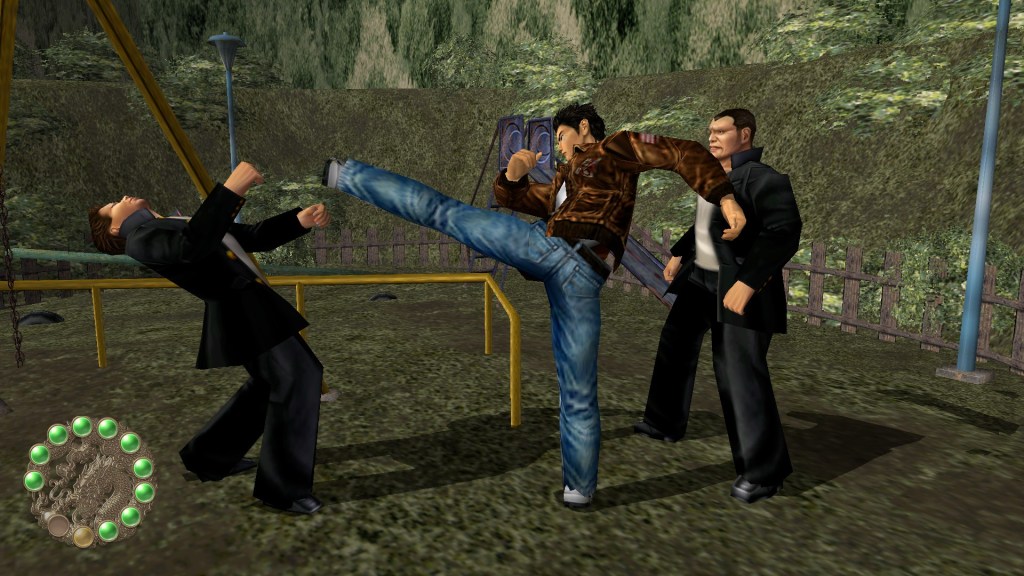
These titles favor accessibility and flow, encouraging players to use the environment as a weapon. They are perfect for those who enjoy fluid, cinematic sequences where the player clears rooms of enemies using makeshift tools and surroundings.
1.2.3 Cinematic Wuxia and Supernatural Action Titles
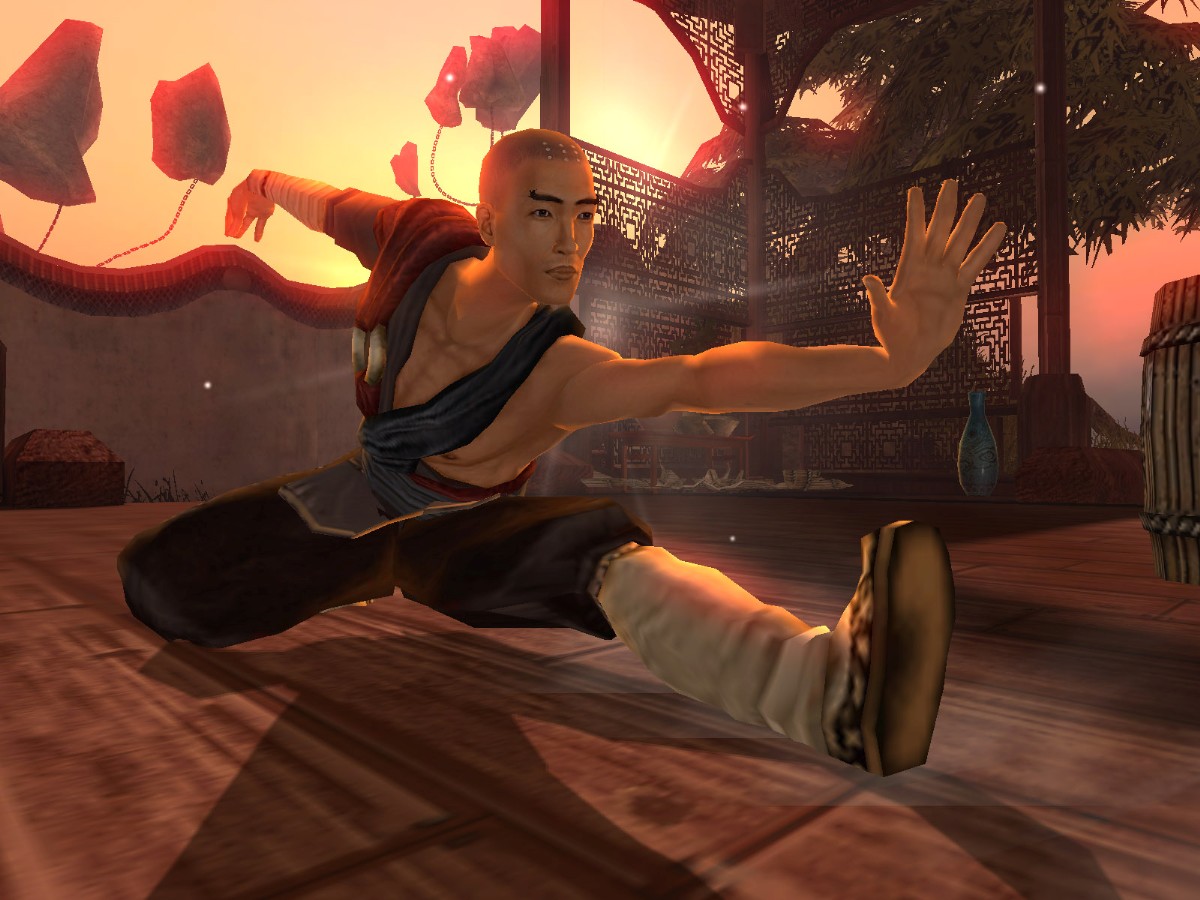
Often overlapping with the popularity of anime fighting games, this sub-genre emphasizes gravity-defying maneuvers, energy projections, and fluid, stylized choreography that prioritizes aesthetic spectacle over real-world physics.
1.3 Balancing Authentic Discipline and Fantasy Elements
The most successful titles find a delicate equilibrium between respect for tradition and the freedom of digital design.
1.3.1 Representing Traditional Arts like Judo and Muay Thai
Developers often consult with real-world martial artists to ensure that key movements—such as the clinch in Muay Thai or the leverage-based throws of Judo—are represented authentically, providing a sense of grounding for enthusiasts of these specific styles.
1.3.2 Integrating Cinematic Flair and Magical Abilities
To keep gameplay exciting, many titles integrate supernatural elements. By layering magical abilities over realistic base mechanics, these games create unique boss fight arena games where players must overcome larger-than-life challenges that blend traditional martial arts with high-fantasy combat scenarios.
2. Mastering Martial Arts Games through Skill Progression and Strategy
2.1 Selecting the Ideal Title Based on Playstyle
Choosing the right title is the first step toward enjoying martial arts games. Your selection should reflect whether you are looking for a relaxing way to unwind or a competitive environment to sharpen your reflexes.
2.1.1 Options for Casual Fans Prioritizing Fluid Animations
If you prefer spectacle and visual storytelling over complex technical inputs, focus on titles that emphasize cinematic choreography. These games often prioritize fluid motion capture and “flow-state” combat, where button mashing still produces visually stunning combinations. These experiences are perfect for those who want to feel like an action movie star without the steep learning curve of professional competitive titles.
2.1.2 High-Skill Floor Titles for Combat Purists
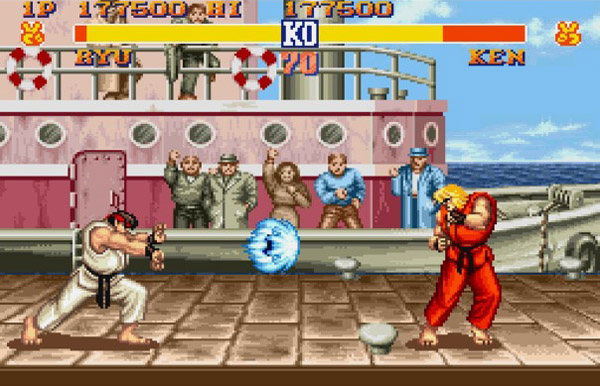
For players who view gaming as a discipline, high-skill floor titles are the standard. These games require you to memorize complex inputs, understand frame data, and anticipate your opponent’s next move. If you enjoy the mental challenge of best fighting games online, look for titles that reward patience and precision rather than reaction speed alone.
2.1.3 Narrative-Focused Experiences for Immersive Storytelling
Some of the most rewarding martial arts experiences are found in action-adventure games where combat is secondary to the journey. These titles often introduce combat mechanics gradually, allowing you to grow alongside the protagonist. The focus here is on character progression, unlocking new techniques through training arcs, and mastering the game’s unique world-building.
2.2 Strategies for Advancing Your Combat Proficiency
Improving at virtual combat requires a blend of pattern recognition and mechanical muscle memory. Regardless of the sub-genre, consistency is the key to mastery.
2.2.1 Mastering Spacing and Tempo in Competitive Play
Spacing, often referred to as “footsies” in the community, is the art of staying just outside your opponent’s strike range while keeping them within yours. Controlling the tempo—deciding when the fight speeds up or slows down—allows you to dictate the flow of the match and force your opponent into making mistakes.
2.2.2 Utilizing Training Modes to Refine Defensive Maneuvering
Most players spend their time practicing offensive combos, but high-level play is defined by defense. Use training modes to record an AI opponent performing specific attack strings. Practice your timing for parries, blocks, and counters until they become second nature. Defensive stability provides the safety net you need to launch effective counter-attacks.
2.2.3 Transitioning Between Empty Hand and Weapon-Based Styles
Many modern titles force you to switch between unarmed techniques and weapon-based combat. The secret to success is understanding the reach and recovery time of each. Empty-hand styles usually offer higher mobility, while weapons provide superior range and damage. Learning to chain these transitions smoothly is what separates casual players from experts.
2.3 Looking Toward the Future of Martial Arts Gaming
The genre is evolving rapidly, moving beyond simple button inputs toward more visceral, realistic representations of combat.
2.3.1 The Impact of VR on Immersive Grappling
Virtual Reality is changing how we perceive physical contact in gaming. Through haptic feedback and motion tracking, players can now experience the tension of grappling and the precise weight of a strike. This shift is turning combat simulations into a form of active digital fitness.
2.3.2 Advancements in Motion Capture and Physics Engines
Physics-based animation is replacing canned, pre-set movements. Modern developers are using advanced motion capture to simulate how bodies realistically react to impact. This means that environmental awareness and momentum now play a much larger role in how your character performs during a fight, making each encounter feel unique and unpredictable.
The world of martial arts games is as diverse as the fighting disciplines they represent, offering everything from technical, one-on-one fighters that demand split-second precision to cinematic experiences that favor spectacle and flow. Whether you are drawn to the strategic depth of competitive arenas or the high-octane narrative of a boss fight arena game, the genre continues to evolve by blending realistic physics with the expressive potential of interactive media. By focusing on your preferred combat rhythm and investing time in understanding frame data or spacing, you can transform from a button-mashing novice into a master of the virtual dojo.
As developers continue to push the boundaries of motion capture and VR integration, the line between playing a game and performing a martial art will only continue to blur. For those looking to sharpen their strategic thinking beyond the digital arena, you may also enjoy exploring best strategy board games for family game night to keep your mind agile. Ultimately, the best martial arts games are those that make you feel the weight of every strike and the satisfaction of a perfectly executed combo. Choose the title that speaks to your combat style, dive into the practice mode, and enjoy the journey of self-improvement that defines this exhilarating genre.