In the high-stakes world of supply chain management, logistical network planning serves as the fundamental blueprint for success. Whether you are orchestrating the flow of goods across global borders or streamlining last-mile delivery, the ability to harmonize infrastructure, inventory, and transportation is what separates industry leaders from those perpetually struggling with bottlenecks. Think of it much like the most intricate resource management games, where every decision—from where you place a warehouse to how you route your fleet—directly impacts your long-term viability and operational health.
Effective network design goes beyond simple cost-cutting; it is about building a resilient, scalable architecture capable of absorbing market shocks while maintaining peak performance. In this guide, we will explore the core pillars of network strategy, from mapping essential nodes to leveraging advanced analytics for dynamic allocation. By mastering these concepts, you can transform your supply chain from a reactive expense into a competitive advantage that scales with your business needs and future-proofs your operations against an increasingly volatile global landscape.
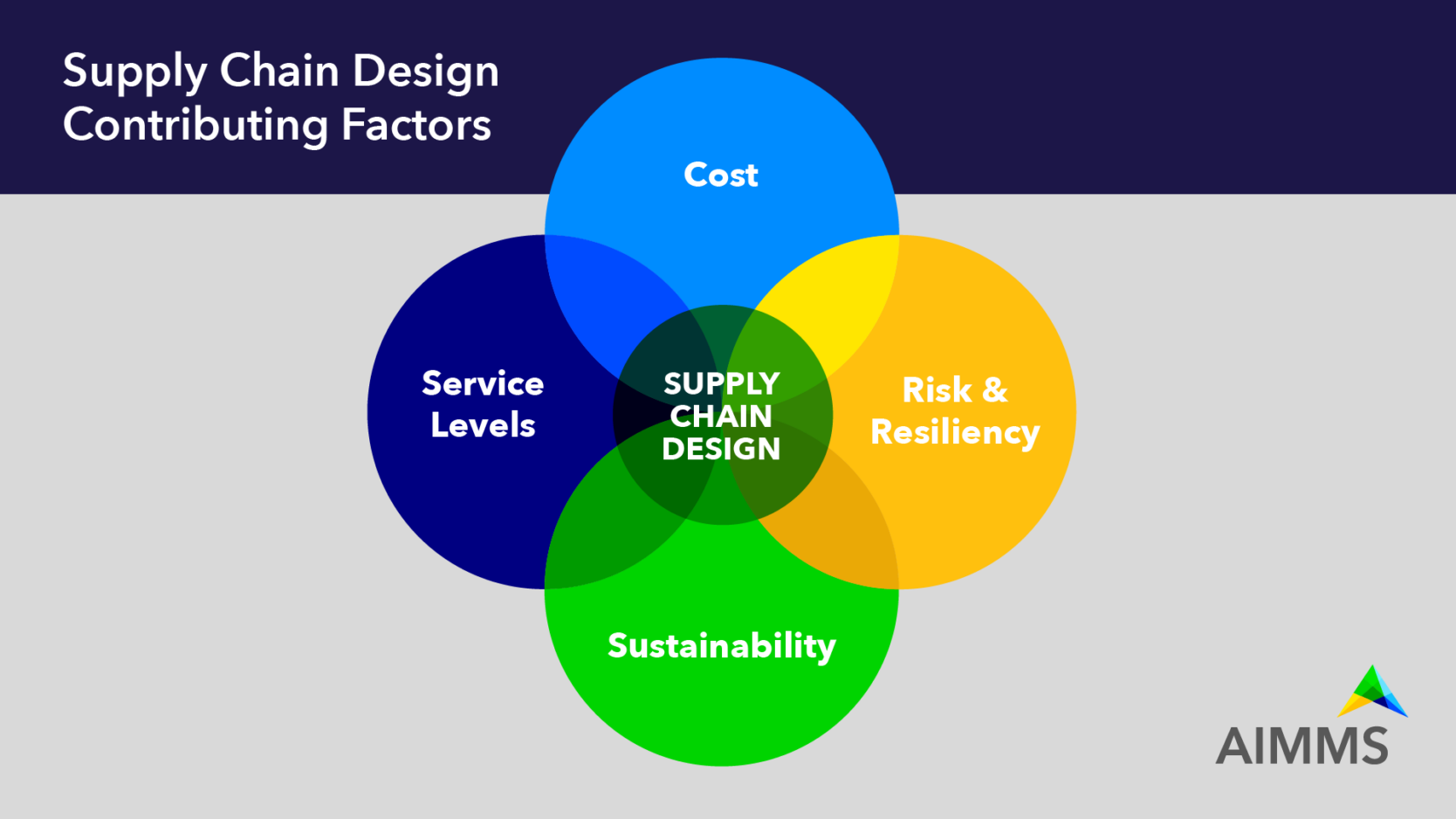
1. Optimizing Logistical Network Planning for Modern Supply Chain Efficiency
Effective logistical network planning is the backbone of any resilient supply chain, serving as the blueprint that dictates how products flow from origin to the final customer. Much like the complex mechanics found in resource management simulations, real-world supply chain leaders must balance finite assets, fluctuating demand, and infrastructure constraints to maintain operational flow. By optimizing your network, you reduce overhead, improve service levels, and create a scalable framework capable of weathering market volatility.
1.1 Foundational Pillars of Network Architecture
1.1.1 Mapping Nodes and Arcs for Operational Visibility
At the core of network architecture lies the identification of nodes—which include production plants, warehouses, and distribution hubs—and the arcs, or transportation lanes, that connect them. To achieve true visibility, planners must map these components with precision. This involves visualizing the entire flow of goods to identify bottlenecks. Think of this as the initial stage of a city building strategy, where placing infrastructure incorrectly leads to congestion; in logistics, failing to account for node connectivity results in delayed transit times and inflated holding costs.
1.1.2 Distinguishing Between Strategic Facility Location and Tactical Routing
Logistical network planning requires a split focus between long-term strategy and immediate tactics. Strategic facility location is a high-level, capital-intensive decision involving where to build or lease permanent sites to optimize market access. Tactical routing, conversely, is an ongoing operational exercise that deals with the daily movement of freight. While strategic choices define your geographic reach, tactical decisions provide the agility to pivot routes in response to daily disruptions.
1.2 Strategic Methods for Resource Mastery
1.2.1 Leveraging Gravity Models for Proximity and Lead Time Reduction
Gravity models allow companies to mathematically determine the ideal location for distribution centers based on the weight of shipments and the distance to customer clusters. By identifying the “center of gravity” for your demand, you can significantly reduce lead times and transportation expenses. This quantitative approach mimics an economic market simulation, where optimal positioning directly correlates to higher throughput and reduced friction in the movement of goods.
1.2.2 Balancing Inventory Positioning Across Tiered Distribution Centers
Modern networks often employ a tiered approach to inventory, segmenting goods into regional, national, or localized micro-fulfillment hubs. Balancing these levels ensures that high-velocity items are kept near the consumer, while slow-moving stock is consolidated to minimize footprint. This strategic positioning reduces the need for emergency expedited shipping, effectively controlling your total cost to serve.
1.3 Integrating Multimodal Transportation and Capacity Flexibility
1.3.1 Evaluating Cost-to-Serve Trade-offs in Global Freight
Managing global freight requires a careful evaluation of the trade-off between speed and cost. Ocean, air, rail, and road each present unique constraints. Planners must assess the “cost-to-serve” by factoring in fuel surcharges, terminal handling fees, and the risk of inventory obsolescence. By diversifying modes, companies can maintain a more predictable logistical flow even when specific carrier segments face disruption.
1.3.2 Determining the Optimal Mix of Fixed Infrastructure and 3PL Partnerships
The decision to own infrastructure versus utilizing Third-Party Logistics (3PL) providers is a critical component of risk management. Fixed assets provide control and brand stability, while 3PLs offer the variable capacity needed to handle seasonal spikes. Much like defense building planning, successful networks use 3PLs as a buffer, allowing the organization to scale resources up or down without the heavy burden of fixed overhead, thereby ensuring long-term operational health.
2. Advanced Data Strategies and Future-Proofing Logistical Network Planning
In a volatile global economy, static planning is no longer sufficient. Modern logistical network planning requires a shift from reactive decision-making to proactive, data-driven orchestration. By integrating advanced analytical tools, organizations can transform their supply chain from a cost center into a resilient competitive advantage, much like players managing complex resource management simulations to optimize output and growth.
2.1 Leveraging Digital Technology and Predictive Analytics
The core of future-proof logistics lies in the ability to process vast amounts of data to simulate potential outcomes before committing capital to physical assets.
2.1.1 Implementing Digital Twins for Real-Time Stress Testing
A digital twin creates a virtual replica of your entire supply chain ecosystem. By feeding real-time data into this model, planners can stress-test the network against various “what-if” scenarios, such as port closures, fuel price spikes, or sudden shifts in consumer demand. This allows for safe experimentation where you can identify bottlenecks without risking actual operational disruption.
2.1.2 Managing Stochastic Variables in Demand Forecasting
Supply chain planners often struggle with stochastic, or random, variables that traditional linear models fail to capture. Advanced analytics use probability distributions to account for this uncertainty. By factoring in variability rather than relying on fixed averages, companies can determine safer safety stock levels and avoid the bullwhip effect that plagues many traditional distribution models.
2.1.3 Utilizing AI and Machine Learning for Dynamic Resource Allocation
Artificial Intelligence acts as the brain behind the network, automatically reallocating resources based on live signals. Machine learning algorithms continuously learn from historical performance and external market shifts, suggesting optimal routing changes or inventory balancing moves that a human planner might miss during high-volume periods.
2.2 Resilience, Sustainability, and Implementation Frameworks
Strategic logistics is no longer just about speed; it is about building a structure that can survive systemic shocks while minimizing environmental impact.
2.2.1 Transitioning from Just-in-Time to Just-in-Case Risk Mitigation
While Just-in-Time (JIT) manufacturing is efficient under stable conditions, modern planners are adopting a Just-in-Case mindset. This involves strategically increasing “buffer” inventory and diversifying supplier bases to protect against external shocks. It is essentially an economic market simulation brought to life, where the goal is to balance the cost of excess holding against the catastrophic risk of a total stockout.
2.2.2 Designing Sustainable Networks to Minimize Carbon Footprints
Sustainability is now a logistical necessity. By optimizing facility locations to reduce total ton-miles and integrating route optimization software, firms can significantly lower their carbon output. Efficient network design inherently reduces wasted energy, proving that ecological responsibility and bottom-line profitability are deeply intertwined.
2.2.3 A Five-Phase Roadmap for Network Restructuring and Change Management
Restructuring a logistical network is a high-stakes endeavor that requires a phased approach. First, conduct a comprehensive diagnostic audit of current nodes. Second, perform rigorous scenario modeling using digital twins. Third, pilot changes in a small, isolated region. Fourth, analyze the results against your baseline metrics. Finally, scale the successful strategies across the entire enterprise, ensuring that all internal stakeholders are aligned with the new operational paradigm.
Mastering logistical network planning is no longer just about moving goods from point A to point B; it is about building a responsive, intelligent ecosystem capable of weathering global volatility. By shifting from static, rigid models to dynamic architectures—much like those found in resource management simulations—organizations can gain the agility required to balance cost, speed, and reliability. We have explored the critical importance of node-arc visibility, the shift toward just-in-case resilience, and the power of digital twins in stress-testing your infrastructure before real-world disruptions occur.
Ultimately, the goal is to design a supply chain that acts as a competitive advantage rather than a simple operational cost. Whether you are optimizing facility locations, integrating AI-driven forecasting, or refining your multimodal transportation mix, the key is continuous iteration. By treating your network as an evolving strategy rather than a static project, you ensure long-term sustainability and operational efficiency. Take these insights and begin auditing your current nodes—your path to a more robust, future-proofed network starts with the next strategic decision you make.