Whether you are commanding a massive mechanized army or leading a small fireteam through a hazardous zone, squad coordination tactics serve as the bridge between chaotic skirmishes and decisive victories. In the high-stakes environment of a real time strategy game, the ability to synchronize movement, manage engagement ranges, and concentrate fire is what separates veteran commanders from novice players. Mastering these mechanics requires more than just fast reflexes; it demands a deep understanding of how to balance immediate frontline decisions with the long-term logistical needs typical of resource management games.
In this guide, we will break down the essential principles of team synchronization, from adapting grid control strategy games logic to your movement patterns to maintaining clear communication under pressure. By exploring how these disciplines compare to the deliberate pace of turn based combat tactics, you will learn how to build a unified force capable of executing complex maneuvers. Prepare to refine your leadership approach, optimize your team’s synergy, and gain the competitive edge needed to dominate the battlefield.
1. Mastering Squad Coordination Tactics Through RTS Principles
The bridge between high-level real time strategy and squad-level tactical execution is narrower than most players realize. When you apply the discipline of an RTS commander to the dynamic chaos of a squad-based engagement, you stop reacting to the battlefield and start dictating it. Mastering squad coordination tactics requires shifting your perspective from individual heroics to the collective efficiency of your team as a functioning engine.
1.1 Developing the RTS Mindset for Tactical Success
A true tactical mindset treats the squad not as a collection of independent players, but as a modular unit. By prioritizing the collective objective over individual K/D ratios, you begin to utilize the same logic found in top-tier resource management games, where every unit must serve a specific utility.
1.1.1 Applying Macro-Management to Human Assets
In RTS gaming, macro-management focuses on long-term efficiency and production. In squad-based combat, this translates to positioning teammates based on their class capabilities rather than their current whim. A sniper is your long-range artillery; an assault class is your front-line infantry. Macro-management means ensuring your assets are always in a position where their specific utility—whether it be suppression, flanking, or healing—is optimized for the current engagement.
1.1.2 Managing the Fog of War via Predictive Positioning
You cannot effectively coordinate a squad if you are constantly surprised. Treat the map like a grid control strategy games environment, where information is your most valuable currency. Instead of chasing enemies, position your squad to guard high-traffic lanes or objectives before the opposition arrives. By anticipating enemy movement based on map knowledge and sound cues, you effectively lift the fog of war, allowing your team to set traps rather than falling into them.
1.1.3 Resource Optimization: Ammo, Health, and Time
Success often hinges on how you manage your team’s collective health and munitions. Encourage your squad to rotate in and out of the line of fire to share the damage burden, ensuring no single player becomes a liability. Much like maintaining a supply chain in a base-building scenario, you must monitor your team’s resources to ensure that when a critical objective fight breaks out, your team has the firepower and physical health to see it through.
1.2 Establishing Effective Squad Command Frameworks
Without a shared framework, even the most skilled individual players will struggle to synchronize. Establishing clear protocols early in a match prevents the frantic, uncoordinated efforts that typically lead to defeat.
1.2.1 Implementing Mission Command Philosophy
The mission command philosophy relies on intent over instruction. Rather than calling out every movement, the squad lead should clearly define the “why” and the “what” of a mission. When every member understands the ultimate goal, they can make autonomous decisions that align with the team’s strategy, allowing for faster response times during high-pressure moments.
1.2.2 Balancing Strategic Delegation vs. Micromanagement
Micromanagement is the death of squad flow. While you may have a specific vision for a flank or a push, your team members need the agency to react to immediate threats. Squad based tactical assault relies on trust. Delegate tasks to specific players, such as designating a “point person” or a “support anchor,” and trust them to hold their zones without constant over-the-shoulder direction.
1.2.3 Designing Communication Protocols to Prevent Information Overload
Communication is vital, but chatter can quickly become noise. Implement strict protocols: keep comms clear for critical call-outs only, such as enemy locations, movement directions, and cooldown status. Use consistent terminology to describe map landmarks. By filtering out non-essential talk during active combat, you ensure that vital tactical information is heard, processed, and acted upon immediately by every member of the unit.
2. Advanced Tactical Execution and Team Synergy
2.1 Optimizing Formations and Positional Play
Transitioning from the bird’s-eye view of a real time strategy game to the boots-on-the-ground perspective of an FPS requires a shift in how you view squad geometry. In an RTS, you might simply click and drag to snap units into a line or box, but in high-stakes shooters, formations are fluid entities shaped by the geometry of the map. True mastery of squad coordination tactics depends on your ability to visualize the battlefield as a series of interconnected sightlines rather than just static points.
2.1.1 Adapting RTS Unit Formations for FPS Environments
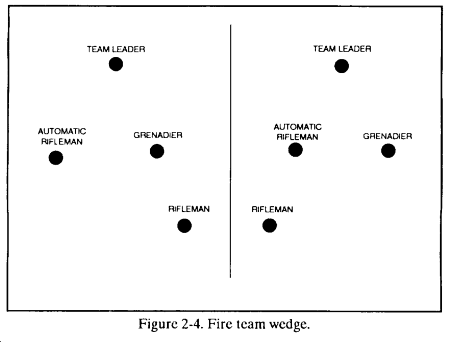
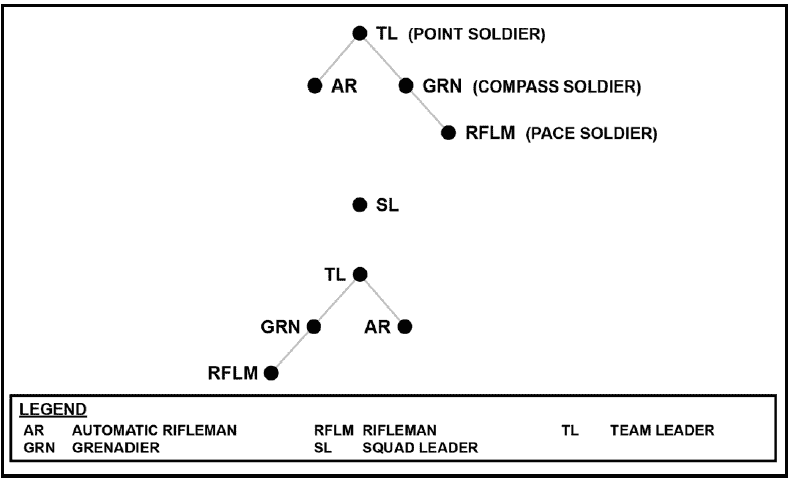
In an RTS, the “death ball” or simple line formation is a common default. In an FPS, this often leads to a single grenade or flanking maneuver wiping out your entire squad. Instead, translate these concepts into “staggered columns” or “bounding overwatch.” By maintaining spatial separation—ensuring no two squad members are susceptible to the same splash damage or suppressing fire—you mimic the efficiency of top-down command while respecting the granular threats of a 3D environment. Focus on maintaining a “loose but connected” presence, where teammates are close enough to trade kills but far enough to avoid being pinned down simultaneously.
2.1.2 Maximizing Overlapping Fields of Fire
Effective synergy relies on the principle that no corridor should be left unguarded. Borrowing from grid control strategy games, divide your area of influence into distinct sectors. Each squad member should be responsible for a primary and secondary sector of fire. When fields of fire overlap, you create “kill zones” that make it nearly impossible for enemies to push without sustaining heavy damage. This coordination ensures that even if one squad member is reloading or suppressed, a teammate is perfectly positioned to cover their blind spot, effectively neutralizing the opponent’s momentum.
2.1.3 Executing Dynamic Rotations and Map Control
Static defense is often a death sentence in competitive gaming. You must treat your team like a rotating engine. When one member needs to rotate back to heal or resupply, the rest of the squad must adjust their positioning to compensate for the temporary loss of coverage. This constant, fluid movement makes your squad unpredictable. By mastering real-time terrain conquest, you can force the enemy into unfavorable angles, ensuring that your team always holds the positional advantage regardless of how the map evolves.
2.2 Refining Adaptability and Group Performance
2.2.1 Building a Shared Mental Model of Win Conditions
A squad that communicates well is powerful; a squad that thinks in sync is unstoppable. A shared mental model means every player intuitively knows the team’s next move without needing explicit instructions. This is cultivated by pre-match discussions about win conditions: are we playing for territory, resource denial, or objective capture? When everyone understands the current priority, individual decisions align with the broader strategic goals.
2.2.2 Identifying Strategic Turning Points for Pivots or Retreats
Every engagement has a “tipping point” where the cost of continuing exceeds the potential gain. Recognizing these moments is the hallmark of elite squad coordination. If your team loses a key utility item or suffers a personnel deficit, you must have an established trigger for a pivot. Learning when to trade space for safety—performing an orderly retreat rather than a desperate last stand—prevents the enemy from compounding their lead, allowing you to reset and re-engage on your own terms.
2.2.3 Conducting Structured After-Action Reviews
Growth requires looking back at your performance with brutal honesty. A structured after-action review (AAR) should happen immediately after a match while the details are fresh. Focus on the “why” behind your successes and failures rather than just the “what.” By analyzing communication breakdowns and missed rotation opportunities, you turn every loss into a lesson, continuously refining your coordination tactics for the next round.
Mastering squad coordination tactics is less about raw mechanical speed and more about cultivating a shared tactical consciousness. By applying the principles of real-time strategy to the fast-paced environments of team-based gaming, you transform your group from a collection of individual players into a cohesive, high-functioning unit. Remember that the most successful squads are those that prioritize communication, maintain a clear vision of their win conditions, and are willing to pivot their strategy the moment the situation demands it.
As you continue to refine your group performance, keep in mind that even the best-laid plans require constant adjustment. Whether you are navigating intense squad-based tactical assault scenarios or balancing resource-heavy objectives, the key remains your team’s ability to remain calm and decisive under pressure. Use the techniques discussed here to evaluate your performance after every match, identifying what worked and where you can tighten your coordination. By fostering this culture of continuous improvement, you will find that your squad becomes significantly more resilient, predictable, and capable of dominating the leaderboard, no matter the challenge you face.