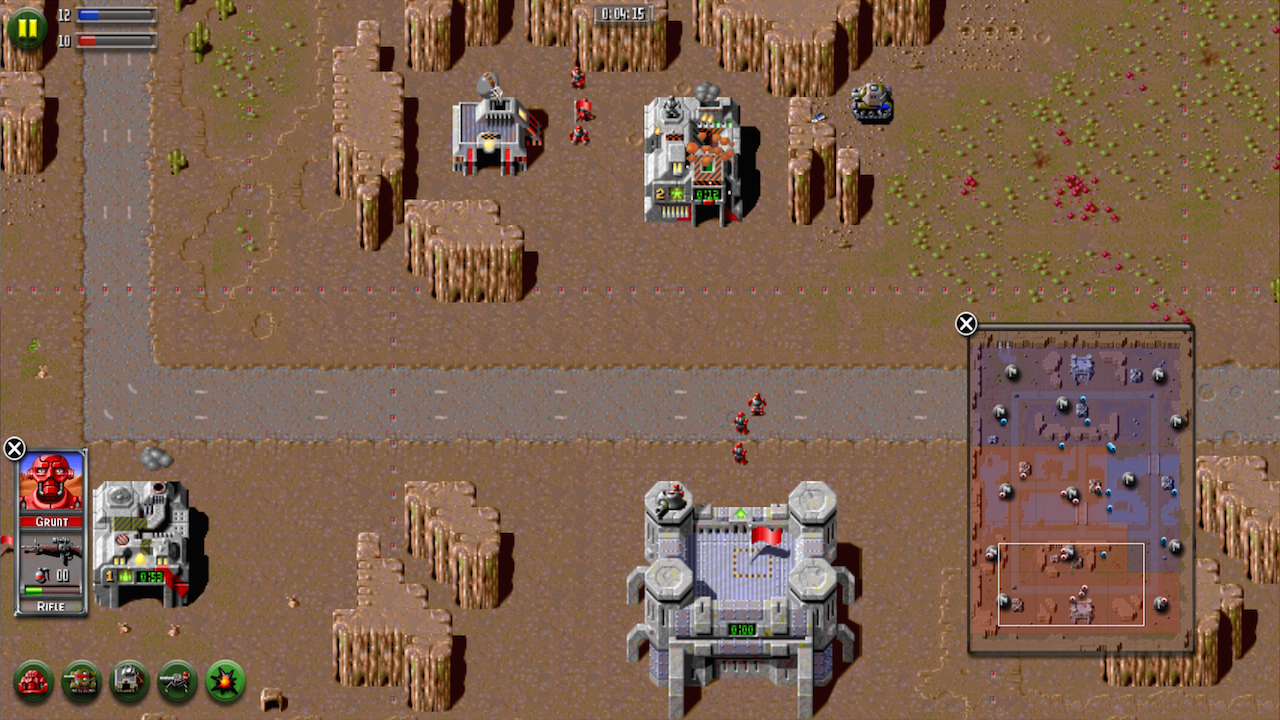
Building a thriving empire from a single settler unit is one of the most rewarding challenges in gaming, but it requires more than just luck. Mastering civilization building strategies is about balancing the immediate needs of your population with long-term technological and economic goals. Whether you are navigating the complex web of resource management games or trying to outsmart a rival leader, the difference between a golden age and a total collapse often comes down to how you plan your infrastructure and manage your diplomatic standing.
In this guide, we will break down the essential pillars of empire growth. You will learn how to optimize your city layouts for maximum output, refine your logistical network planning to keep your economy stable, and employ advanced tactics to protect your borders. By focusing on efficient expansion and smart decision-making, you can transform your fledgling settlement into a dominant force that stands the test of time. For those interested in mastering the fundamental economic loops that drive this progress, you can find further insights in our guide on resource management simulations.
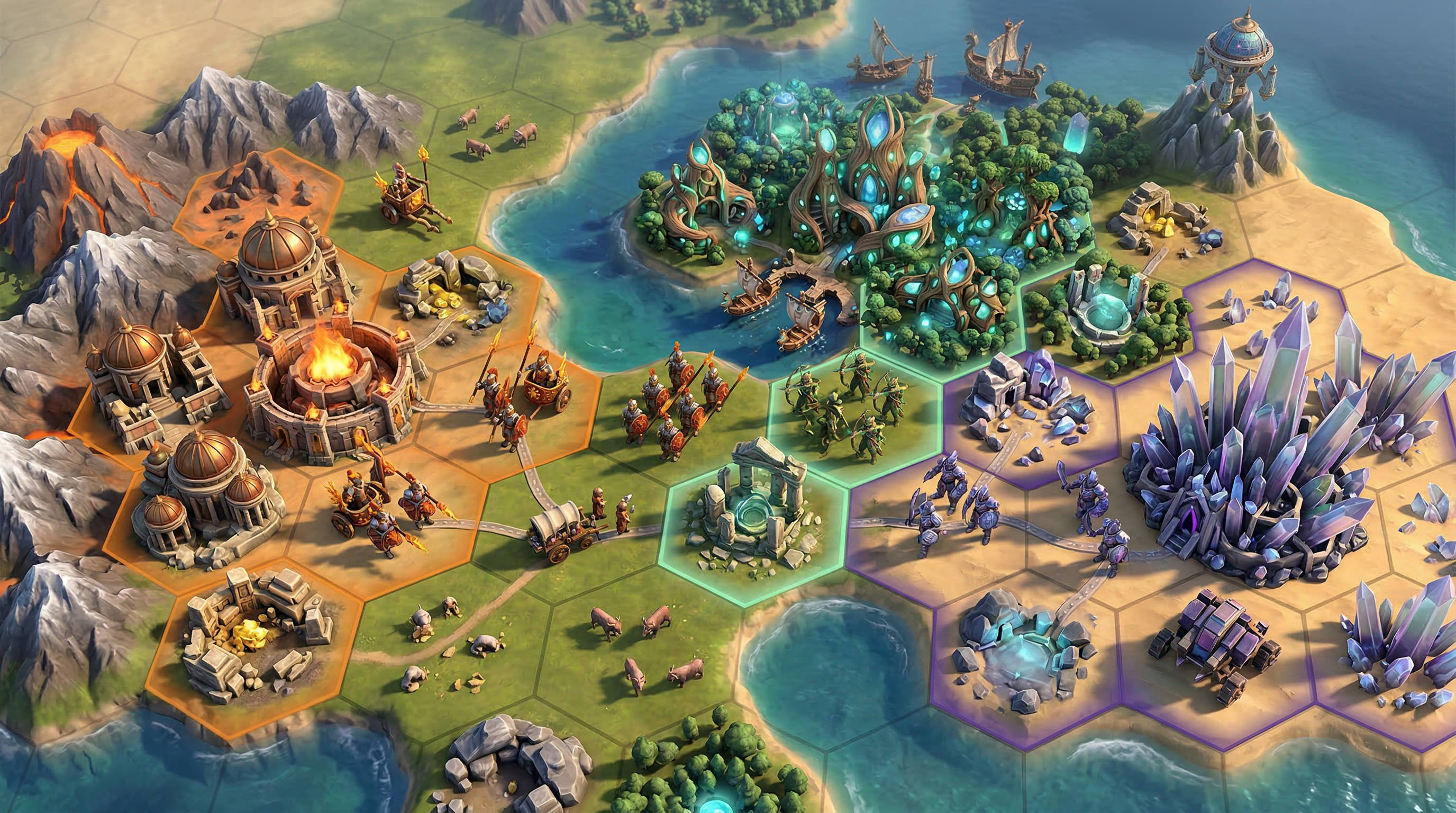
Mastering effective civilization building strategies is a journey of patience, foresight, and adaptability. By prioritizing your early-game resource foundation, carefully planning your district layouts, and balancing your military presence with diplomatic finesse, you create the bedrock for a thriving empire. Remember that the most successful leaders are those who can pivot when circumstances change, whether that means shifting from rapid expansion to specialized technological development or recalibrating your economy to support a sudden defensive need.
Every decision, from the placement of a single settler to the long-term management of internal trade routes, contributes to the ultimate success of your civilization. If you want to refine your approach to geopolitical balance, be sure to explore our guide on turn-based war diplomacy to ensure your expansion remains secure against rivals. As you continue to experiment with different leaders and map types, your intuitive understanding of these complex systems will only grow. Take these principles into your next session, stay flexible in your planning, and lead your people toward a legacy that stands the test of time.