Helping your child develop a rich, expressive vocabulary is one of the most powerful ways to set them up for lifelong academic success. While traditional methods like flashcards have their place, modern language vocabulary builders have transformed the process into an engaging, dynamic experience that feels more like play than study. Whether your child is just beginning to map sounds to letters or is ready to tackle complex nuances in creative writing, today’s digital and physical tools are designed to meet them exactly where they are. In this guide, we will explore the science behind effective word acquisition and how you can select the right resources to foster a genuine love for language.
You will learn how to move beyond simple memorization by incorporating educational games for kids that prioritize context, curiosity, and meaningful interaction. We will also dive into practical strategies—from building memory concentration builders to integrating daily habits—that ensure the words your child learns stick for the long term. If you are looking for ways to boost their confidence and articulation, you will find actionable advice on turning everyday routines into opportunities for growth. For parents looking to blend these skills with other developmental activities, check out our guide on coding logic puzzles to further enhance their critical thinking and overall problem-solving abilities.
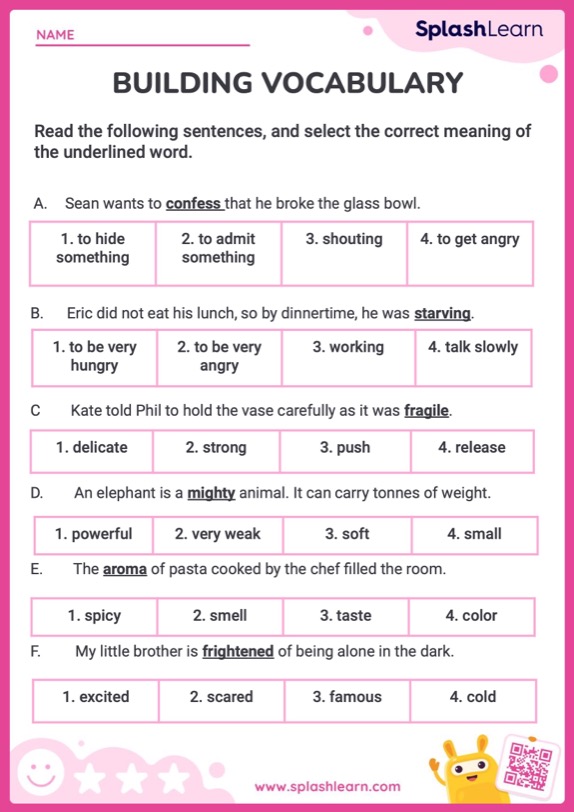
1. Mastering Language Vocabulary Builders Through Science and Strategy
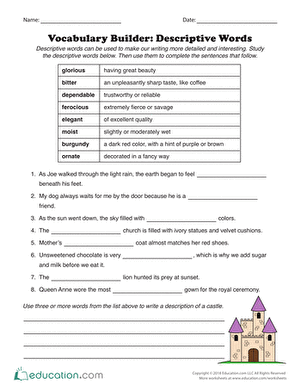
1.1 The Cognitive Benefits of a Robust Vocabulary
1.1.1 How Words Influence Critical Thinking and Problem Solving
A child’s vocabulary is more than just a list of definitions; it is the primary framework through which they interpret reality. When children utilize high-quality language vocabulary builders, they move beyond basic labeling and into nuanced expression. This lexical depth directly impacts their ability to engage in complex problem-solving educational quests, as language provides the tools to categorize, analyze, and resolve challenges. By possessing a broader mental dictionary, children can articulate the steps required to solve a logical puzzle or navigate a difficult social situation, turning abstract thoughts into actionable outcomes.
1.1.2 Strengthening Neural Pathways Through Language Acquisition
Learning new words is a rigorous workout for the developing brain. Each time a child encounters and uses a new term, they are essentially forging new neural connections. This process of language acquisition increases synaptic plasticity, which is vital for overall cognitive development. Just as one might train for physical endurance, engaging with sophisticated vocabulary challenges stimulates the brain’s processing speed and memory retention. This is why parents often find that integrating [https://gameturn.net/coding-logic-puzzles-best-tips-for-better-problem-solving/](coding logic puzzles and language games) into a child’s routine accelerates their ability to understand relationships between disparate ideas.
1.2 Understanding How the Brain Retains New Language
1.2.1 The Mechanics of Spaced Repetition and Long-term Memory
The brain is naturally wired to forget information that isn’t revisited. To counteract this, modern language tools rely on spaced repetition—a scientific method that prompts a child to recall a word at gradually increasing intervals. This technique forces the brain to retrieve the information from long-term memory, which reinforces the neural trace of that word. By using educational games for kids that feature built-in algorithms for spacing, children can transition words from short-term recognition to permanent knowledge without the frustration of traditional rote memorization.
1.2.2 Active Versus Passive Vocabulary: Moving From Recognition to Fluent Usage
There is a distinct gap between the words a child understands in a story (passive) and the words they actually use in conversation (active). Bridging this gap requires intentional interaction. When a child learns a new word, they must be encouraged to use it in context—whether through storytelling or structured gameplay. This movement from passive recognition to active usage is what transforms a casual learner into a confident communicator.
1.3 Essential Principles for Effective Word Acquisition
1.3.1 Context Over Memorization: Why Meaning Matters More Than Rote Learning
Rote memorization often results in words that a child can repeat but cannot apply. Effective vocabulary growth happens when children encounter words within meaningful narratives or scenarios. By prioritizing context, learners understand the emotional and practical weight of a word. This creates a deeper semantic link, ensuring that the word isn’t just a sound to be mimicked, but a concept to be utilized in their daily lives.
1.3.2 The Role of Phonetics and Auditory Reinforcement in Language Mastery
Foundational skills like alphabet and phonics games are essential because they provide the auditory building blocks of language. Hearing the rhythm, stress, and pronunciation of a word helps solidify its place in a child’s memory. Auditory reinforcement ensures that vocabulary builders do more than just display text; they teach the child how the language sounds in the real world, paving the way for improved reading comprehension and clearer self-expression.
2. Implementing the Best Language Vocabulary Builders for Kids
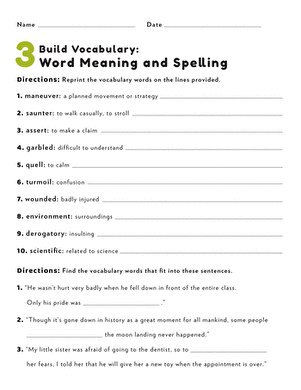
2.1 Evaluating Top-Tier Digital and Physical Tools
2.1.1 Curating the Best Interactive Apps and Digital Vocabulary Builders
When selecting language vocabulary builders, look for platforms that balance entertainment with genuine pedagogical value. The most effective digital tools go beyond repetitive flashcards by integrating context-rich learning environments. Seek apps that adapt to your child’s progress, ensuring that the difficulty level remains challenging but achievable. Many modern platforms gamify the experience, which can be an excellent way to maintain long-term engagement.
2.1.2 Selecting High-Quality Dictionaries and Lexical Reference Materials
Physical reference materials remain a staple for deep learning. A kid-friendly, illustrated dictionary helps children visualize word definitions, bridging the gap between abstract concepts and concrete understanding. Pair these with thesauruses to encourage the discovery of synonyms, which aids in developing nuance in communication. These tools act as a physical anchor for language acquisition, providing a reliable resource when digital devices are not the primary focus.
2.1.3 The Impact of Audio-Based Tools on Auditory Learners
Many children process information more effectively when they hear it. Audio-based builders—such as interactive talking pens, podcasts designed for young learners, or phonics-based audiobooks—provide crucial auditory reinforcement. These tools assist with pronunciation and rhythm, ensuring that a child’s understanding of a word is not just visual but also spoken and heard. This multi-sensory approach is particularly helpful for younger children who are still mastering basic speech patterns.
2.2 Proven Methods for Daily Vocabulary Growth
2.2.1 Immersive Reading Techniques for Appropriate Challenge Levels
Reading is the cornerstone of vocabulary growth, but the key lies in selecting material that provides the right level of “stretch.” Encourage your child to read texts that introduce just enough new language to challenge them without causing frustration. Shared reading, where you read a more complex passage aloud while they follow along, allows them to encounter sophisticated sentence structures and deeper vocabulary that they might not yet tackle on their own.
2.2.2 Leveraging Gamification and Word Games to Sustain Interest
Integrating educational games for kids into the daily routine transforms study time into play. Whether it is a classic crossword puzzle, a word-association card game, or a digital quest that requires solving riddles, gamification makes the process of word acquisition feel rewarding. These activities often require memory concentration builders, which help cement new terms in a child’s long-term memory while keeping their interest high.
2.2.3 Creative Writing and Storytelling as Engines for Word Usage
Active vocabulary is built through usage. Encourage your child to write short stories, keep a diary, or even tell oral tales during dinner. By prompting them to use new words they have learned throughout the week, you move those terms from passive recognition to active fluency. For a creative boost, check out these best text-based adventure games to inspire new narrative structures and storytelling techniques.
2.3 Establishing a Sustainable Home Learning Environment
2.3.1 Setting Realistic Goals with the Fifteen-Minute Daily Challenge
Consistency is far more important than intensity. Implementing a fifteen-minute daily challenge allows children to practice without feeling overwhelmed. This short, focused window is ideal for quick activities like learning a “word of the day,” practicing alphabet and phonics games, or completing a short puzzle. By keeping the session brief, you ensure the child remains enthusiastic and eager to return to the process the following day.
2.3.2 Transforming Family Conversations into Vocabulary Building Opportunities
Vocabulary does not have to be learned in isolation. Use mealtimes or car rides to introduce new words in a natural, conversational way. Simply modeling more descriptive language—such as using “vibrant” instead of “bright” or “exhausted” instead of “tired”—exposes children to a wider lexical range. Encourage them to explain their day using these new, more precise descriptors to solidify their understanding.
2.3.3 Tracking Progress Through Personal Word Journals and Collections
Creating a physical or digital “Word Journal” gives children a sense of ownership over their learning. When they encounter a word they like, have them write it down, draw a picture to define it, and use it in a sentence. This simple documentation process tracks their growth over time, providing a tangible record of their progress that can be incredibly motivating as they see their collection of mastered words expand.
Building a robust vocabulary is more than just memorizing definitions; it is about equipping young minds with the precision and confidence to express their thoughts clearly. By integrating language vocabulary builders into a child’s daily routine, you transform the daunting task of learning new words into an engaging exploration of language. Whether through sophisticated educational games for kids that challenge critical thinking or simple, consistent habits like word journaling, the goal is to create a sustainable environment where curiosity thrives.
Remember that the most effective growth often happens in the quiet moments—during family conversations or while reading together—where new concepts can be discussed in a real-world context. As your child masters these tools, you are not just improving their literacy; you are fostering the cognitive agility required for lifelong success. If you are looking for more ways to challenge their growing problem-solving skills, explore our guide on coding logic puzzles to boost problem-solving abilities. Stay patient, keep the process fun, and celebrate every new word they add to their growing internal library.