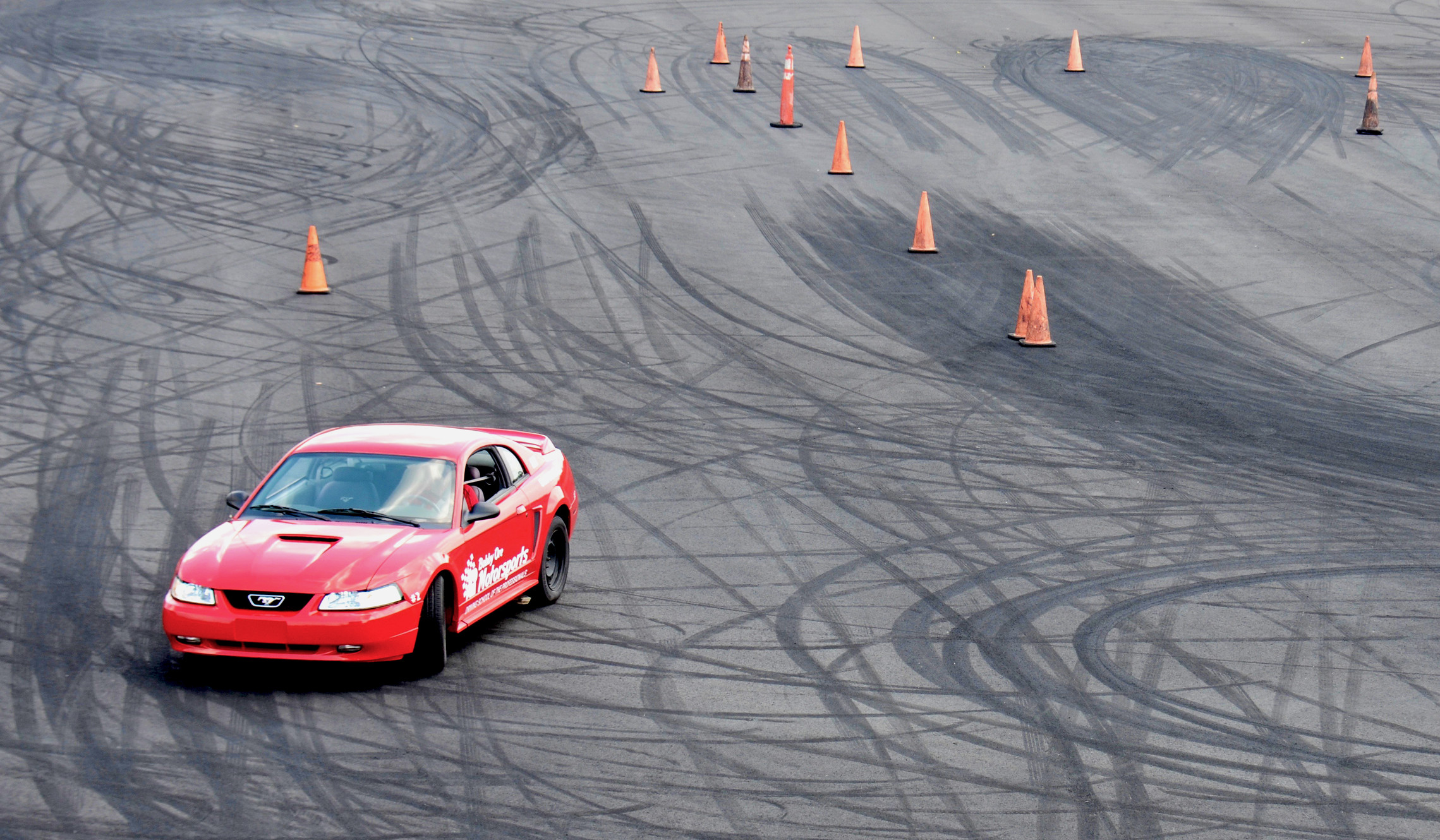
There is a distinct, visceral satisfaction that comes from nailing the perfect racing line, feeling the exact moment your tires regain grip at the apex, and launching out of a corner with surgical precision. For enthusiasts, the difference between a casual arcade experience and a true professional setup lies entirely in the depth of physics based vehicle handling. In modern racing simulator games, developers strive to mirror real-world automotive dynamics, forcing players to account for complex variables like weight distribution, thermodynamic tire models, and aerodynamic load. Mastering these systems is not just about raw speed; it is about developing an intuitive connection between your hardware inputs and the virtual machine on the track.
In this guide, we will break down the mechanics behind how your vehicle interacts with the asphalt, dirt, or gravel. You will learn how to refine your driving inputs, leverage advanced tuning techniques to balance your chassis, and interpret feedback to shave crucial tenths of a second off your lap times. Whether you are struggling to keep your car stable in stunt track driving scenarios or looking to dominate in high-stakes simulation leagues, understanding these core principles is your first step toward becoming a more consistent and competitive driver.
1. Mastering Physics Based Vehicle Handling Through Core Mechanics and Input Control
1.1 Fundamental Dynamics of Virtual Vehicles
1.1.1 Mastering Weight Transfer During Acceleration and Braking
In high-fidelity racing simulator games, the car is never a static object; it is a dynamic system constantly shifting its mass. When you accelerate, weight shifts toward the rear, increasing traction for the driven wheels but potentially lightening the front, which can lead to understeer. Conversely, hard braking compresses the front suspension. Understanding this weight transfer is vital for maintaining balance. If you brake too abruptly, you risk locking the front tires and losing steering authority, as the rear end becomes light and prone to rotation.
1.1.2 Understanding Tire Friction Circles and Lateral Grip Limits
The concept of the friction circle is the cornerstone of advanced driving. Imagine a circle representing the total grip available to a tire; if you use 100% of that grip for braking, you have 0% left for steering. By gradually blending your inputs—a technique often referred to as trail braking—you manage the transition of forces. Staying within these lateral grip limits prevents the tires from scrubbing off speed and keeps the vehicle on the racing line, especially in drift racing games where managing the slip angle is a deliberate act of controlled instability.
1.1.3 The Impact of Center of Gravity on Cornering Stability
A vehicle’s center of gravity dictates how much it leans during a turn. A lower center of gravity reduces body roll, allowing for faster cornering speeds without the suspension geometry losing its ideal contact patch with the road. While you cannot always change the base chassis design, recognizing how your specific vehicle reacts to weight shifts helps you anticipate roll-induced oversteer, allowing you to settle the car before hitting the apex.
1.1.4 Aerodynamic Principles and the Role of Downforce at High Speeds
Aerodynamics create a invisible tether between your tires and the asphalt. As speed increases, downforce pushes the vehicle into the track, exponentially increasing grip. You must learn to trust that the car will “stick” more at 120 mph than it does at 60 mph. If you find your car feeling floaty, you may need to adjust your aero profile in vehicle modification workshops to maximize your high-speed stability.
1.2 Refining Driver Inputs for Maximum Precision
1.2.1 Advanced Throttle Modulation to Mitigate Wheelspin
Mashing the throttle is the fastest way to lose momentum. To master physics based vehicle handling, you must treat the gas pedal as a precision instrument. By rolling onto the throttle as you unwind the steering wheel, you match the engine’s power delivery to the tire’s ability to grip the surface, effectively mitigating wheelspin and maintaining optimal exit speed.
1.2.2 Threshold Braking Techniques for Stable Entry
Threshold braking involves pushing the brake pedal to the absolute limit just before the point of lock-up. This minimizes stopping distances and ensures you enter the corner at the highest possible speed while still being able to turn. Constant practice allows you to feel the vibration or audio cues in the game that signal the tires are at their limit.
1.2.3 Smooth Steering Inputs and Corrective Counter-Steering
Jerky steering inputs upset the car’s chassis, leading to unwanted weight transfer. Keep your inputs fluid. If the rear end begins to slide, rapid but measured counter-steering is necessary to catch the drift. The goal is to keep the steering wheel as straight as possible to minimize rolling resistance and maintain consistent velocity through complex turns.
1.2.4 Utilizing Force Feedback to Sense Real-Time Traction Loss
Force feedback is your primary sensory tool. It communicates what the tires are doing against the track surface, from the graining of the rubber to the subtle shimmy of an impending loss of traction. By paying attention to the wheel’s resistance, you can react to understeer or oversteer before it becomes a terminal error, making you a more proactive and intuitive driver.
2. Advanced Tuning Strategies and Performance Optimization for Physics Based Vehicle Handling
2.1 Chassis Setup and Suspension Geometry
Mastering physics based vehicle handling requires more than just raw driving skill; it demands a deep understanding of how your car’s mechanical setup interacts with the virtual environment. Tuning is the bridge between a car that feels disconnected and one that feels like a natural extension of your inputs.
2.1.1 Configuring Spring Rates and Dampening for Surface Variations
Spring rates dictate how much your car compresses under load. For smooth track surfaces, stiffer springs minimize body roll, keeping the contact patch flat. However, in off road driving games, you must soften these rates to allow the suspension to absorb undulations, preventing the tires from losing touch with the ground.
2.1.2 Balancing Tire Pressure and Operating Temperatures
Tires are the only point of contact between your vehicle and the road. Lower tire pressure increases the contact patch for better grip but generates more heat, which can lead to rapid tire degradation. Conversely, higher pressures reduce friction and heat, potentially increasing top speed at the cost of stability.
2.1.3 Adjusting Gear Ratios for Optimal Power Delivery
Gear ratios should be tailored to the specific track layout. Tight, technical circuits benefit from shorter ratios, which provide quicker acceleration out of low-speed corners. Long straights require taller ratios to prevent the engine from hitting the rev limiter prematurely. Properly matching your gears ensures you are always in the engine’s power band.
2.1.4 Diagnosing and Resolving Chronic Understeer and Oversteer
Understeer occurs when the front tires lose grip, causing the car to plow forward rather than turn. To correct this, soften the front anti-roll bar or increase front downforce. If you face oversteer, where the rear end steps out, you may need to increase the rear wing angle or soften the rear suspension to improve rear-end planting. For a more comprehensive look at how these modifications change how your car feels, check out our guide on vehicle modification workshops.
2.2 Professional Driving Techniques and Data Analysis
Once your setup is dialed in, the focus shifts to extracting every ounce of performance through refined driving techniques.
2.2.1 Executing Trail Braking to Improve Rotation
Trail braking involves carrying brake pressure past the turn-in point. This shifts the vehicle’s weight forward, increasing the front tires’ grip and helping the car rotate into the apex more aggressively, which is essential for competitive lap times.
2.2.2 Managing Slip Angles for Controlled Drifting
In drift racing games, the goal is to maintain the car in a state of controlled sliding. By managing the slip angle—the difference between where the tire is pointing and where it is traveling—you can use the throttle to rotate the car while counter-steering to maintain your intended path.
2.2.3 Utilizing Telemetry Data to Identify Driver Errors
Modern racing simulator games often provide telemetry logs. Review these to compare your inputs against a reference lap. Look for inconsistencies in braking points, throttle application, and steering angle. If your racing line consistently deviates from the ideal, telemetry will highlight exactly where you are losing momentum.
2.2.4 Transitioning Between Driving Assists and Raw Physics Models
Driving assists like traction control and stability management act as safety nets. While helpful for beginners, they often mask the true physics of the vehicle. To master handling, gradually reduce these assists. This forces you to learn throttle modulation and counter-steering, granting you full authority over the car’s dynamics in raw physics models.
Mastering physics based vehicle handling is a journey of patience, observation, and technical refinement. By moving beyond basic inputs and focusing on the nuances of weight transfer, tire grip limits, and precise throttle control, you transform your driving experience from reactive to calculated. Whether you are navigating the technical corners of stunt track driving or pushing your limits in high-fidelity simulators, the key lies in understanding how every minor adjustment—from suspension geometry to gear ratios—alters the machine’s behavior on the tarmac.
Remember that even the most advanced setup cannot compensate for poor habits. Consistent practice, combined with a willingness to analyze your telemetry data and adapt your style to different surface conditions, will eventually yield a more intuitive connection with your vehicle. As you continue to refine your craft, view your car not just as a collection of parts, but as a dynamic system that responds to your every command. Keep experimenting with your vehicle modification workshops, stay patient with your learning curve, and enjoy the satisfaction that comes with truly mastering the art of the drive.