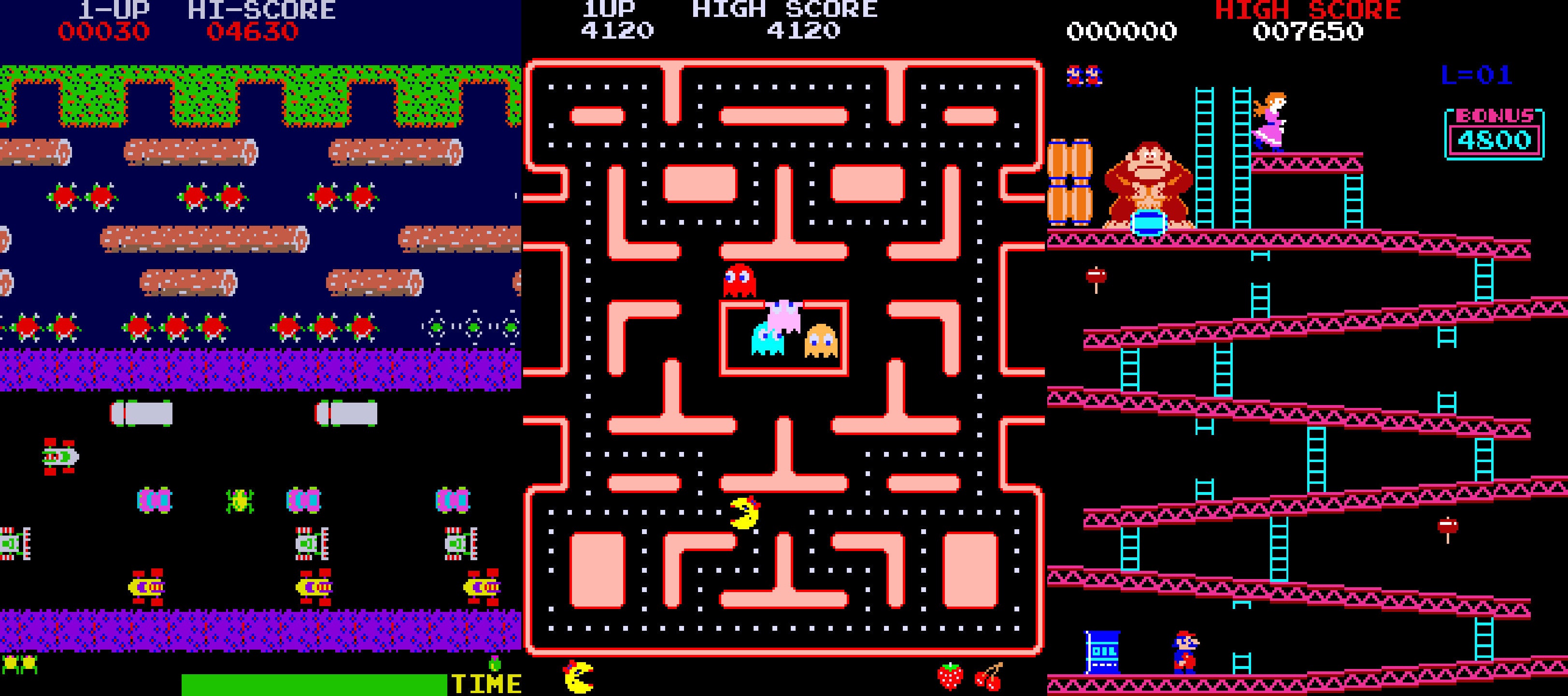
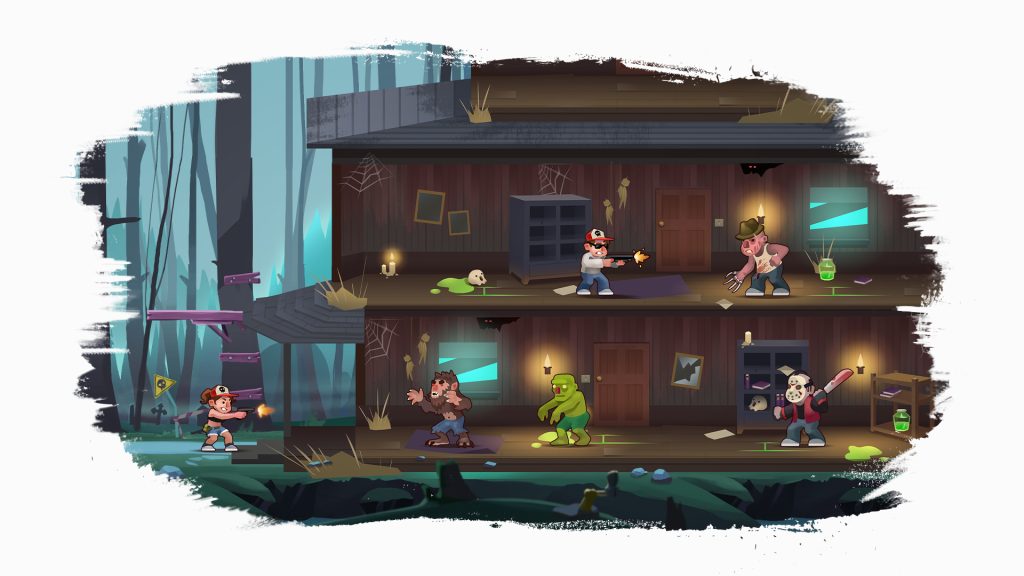
There is an undeniable magic to the glowing neon and synthesized chiptune melodies of a local arcade. While modern gaming has evolved toward expansive open worlds and complex narratives, many players find themselves returning to the raw intensity of classic coin-op style games. These titles offer a unique brand of excitement that prioritizes immediate engagement, offering a pure gameplay loop that is as rewarding today as it was in the golden age of gaming. Whether you are driven by the nostalgia of physical cabinets or the competitive rush of climbing a leaderboard, mastering these experiences requires a blend of muscle memory and tactical foresight.
In this guide, we will explore the essential mechanics that define this enduring genre. You will learn how to improve your performance through pattern recognition, understand the history of arcade design, and discover how to build your own dedicated home setup. If you are looking to level up your skills, check out our guide on mastering global leaderboard challenges to gain a competitive edge. By the end of this journey, you will have a deeper appreciation for the precision and craftsmanship behind these timeless digital challenges.
1. Mastering Classic Coin-Op Style Games and Arcade Mechanics
1.1 The History and Evolution of Arcade Gameplay
1.1.1 From Electromechanical Roots to the Golden Age of 80s Cabinets
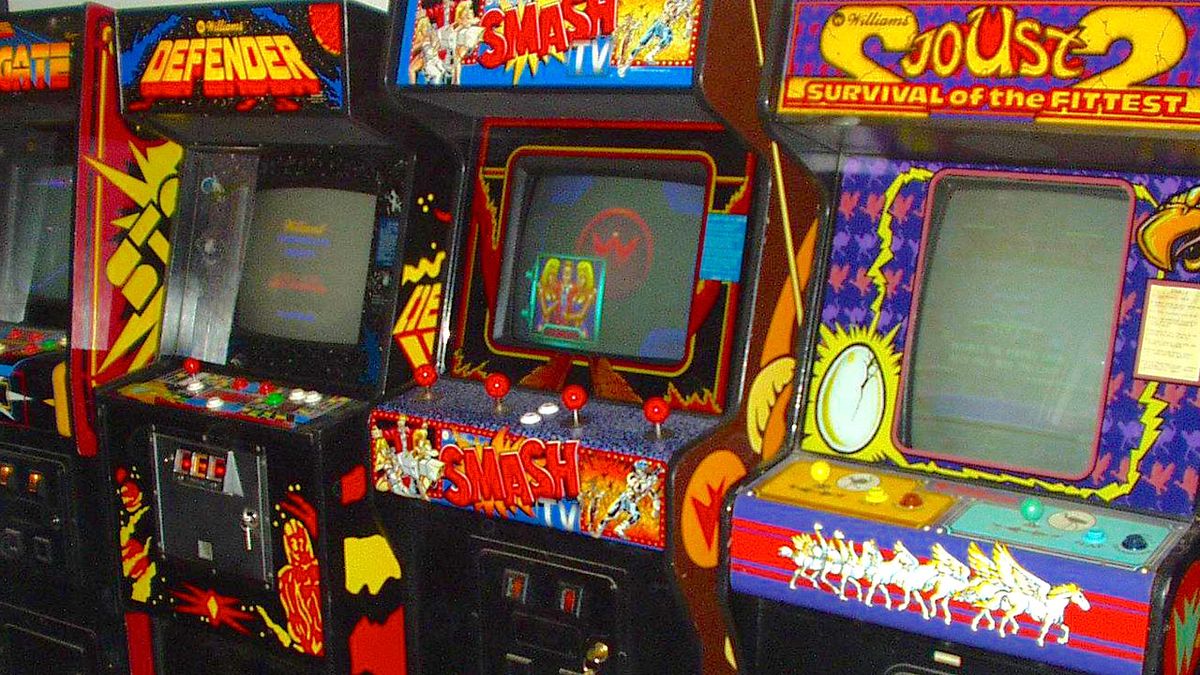
The lineage of classic coin-op style games traces back further than many realize, moving from early pinball-style electromechanical devices to the sophisticated digital cabinets that defined the 1980s. Initially, these machines relied on simple light bulbs and mechanical switches to register play. However, as microprocessors became accessible, the industry shifted toward the “Golden Age” of arcades. This era transformed public spaces into social hubs where players gathered around glowing CRT monitors to test their skills against increasingly complex hardware.
1.1.2 Technological Innovations That Shaped the Arcade Experience
The transition to dedicated printed circuit boards (PCBs) allowed developers to push graphical fidelity and audio capabilities far beyond what home consoles of the time could manage. Innovations like scrolling backgrounds, parallax effects, and specialized sound chips created an immersive atmosphere. These technological leaps weren’t just for show; they provided the necessary responsiveness for intense reflex based obstacle dodging, a core pillar of the arcade experience that remains a benchmark for precision gaming today.
1.2 Essential Gameplay Strategies for Retro Titles
1.2.1 Understanding Pattern Recognition and Enemy AI Predictability
Success in vintage arcade titles is rarely about luck; it is a discipline of memorization and observation. Most early AI systems operated on rigid, deterministic logic. By spending time with a cabinet, you can learn specific enemy spawn points and movement cycles. Mastering these patterns allows you to anticipate threats before they appear on screen, turning what looks like chaotic action into a structured, manageable sequence of events.
1.2.2 The Psychology of Difficulty and the Quarter-Drop Loop
Arcade developers meticulously balanced the “quarter-drop loop” to be punishing enough to encourage continued play but rewarding enough to keep players engaged. This psychological design creates the perfect environment for high score chasing challenges. When you feel the sting of a game over, the proximity to a “continue” screen is designed to tempt you into another attempt to beat your personal best. This loop is the foundation of competitive arcade culture, where the primary goal is often to etch your initials onto the machine’s global leaderboard. If you want to refine your approach, check out these tips for mastering global leaderboard challenges.
1.3 Navigating Iconic Genres and Essential Titles
1.3.1 Defining Characteristics of Platformers and Beat-Em-Ups
Classic arcade platformers often utilized single screen arcade challenges, where the entire level was visible at once. This forced players to navigate vertical space and jump with pixel-perfect timing. Meanwhile, beat-em-ups introduced a sense of momentum, rewarding aggressive spatial awareness as you cleared groups of enemies across a side-scrolling plane. Both genres demand high levels of physical coordination and an intimate knowledge of character hitbox geometry.
1.3.2 The Intensity of Shoot-Em-Ups and Puzzle Game Mechanics
Retro pixel art shooters represent the ultimate test of focus. These titles require a “bullet hell” mentality, where weaving through dense patterns of projectiles becomes a trance-like state of movement. Conversely, puzzle-based coin-ops emphasize rapid decision-making under time pressure. Whether you are clearing rows of blocks or navigating a maze, the core appeal remains the same: the drive to optimize your inputs for maximum efficiency and survival.
2. Building and Maintaining a Home Arcade Experience
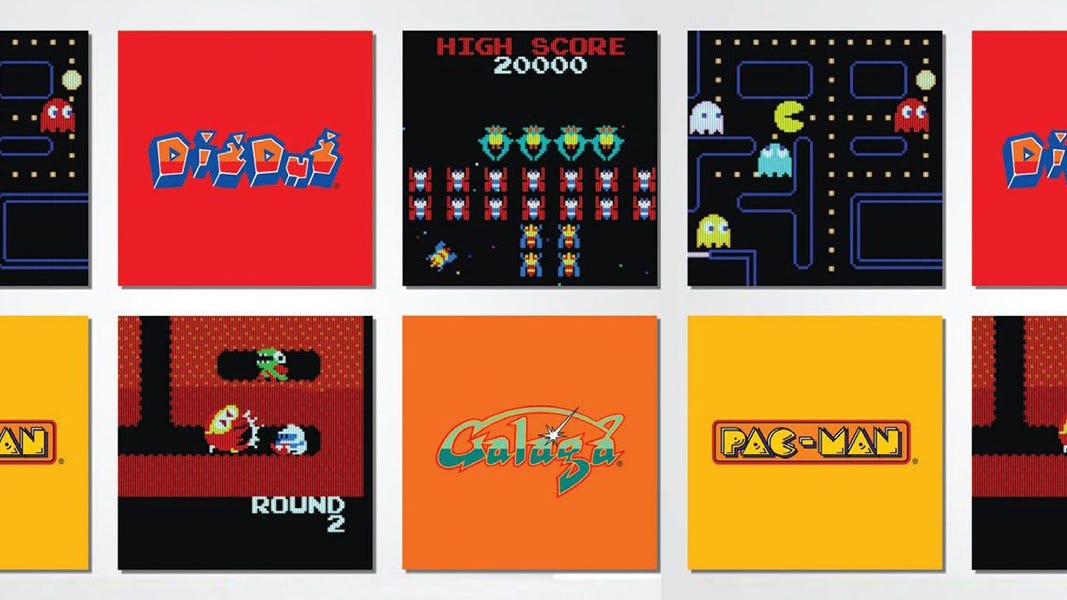
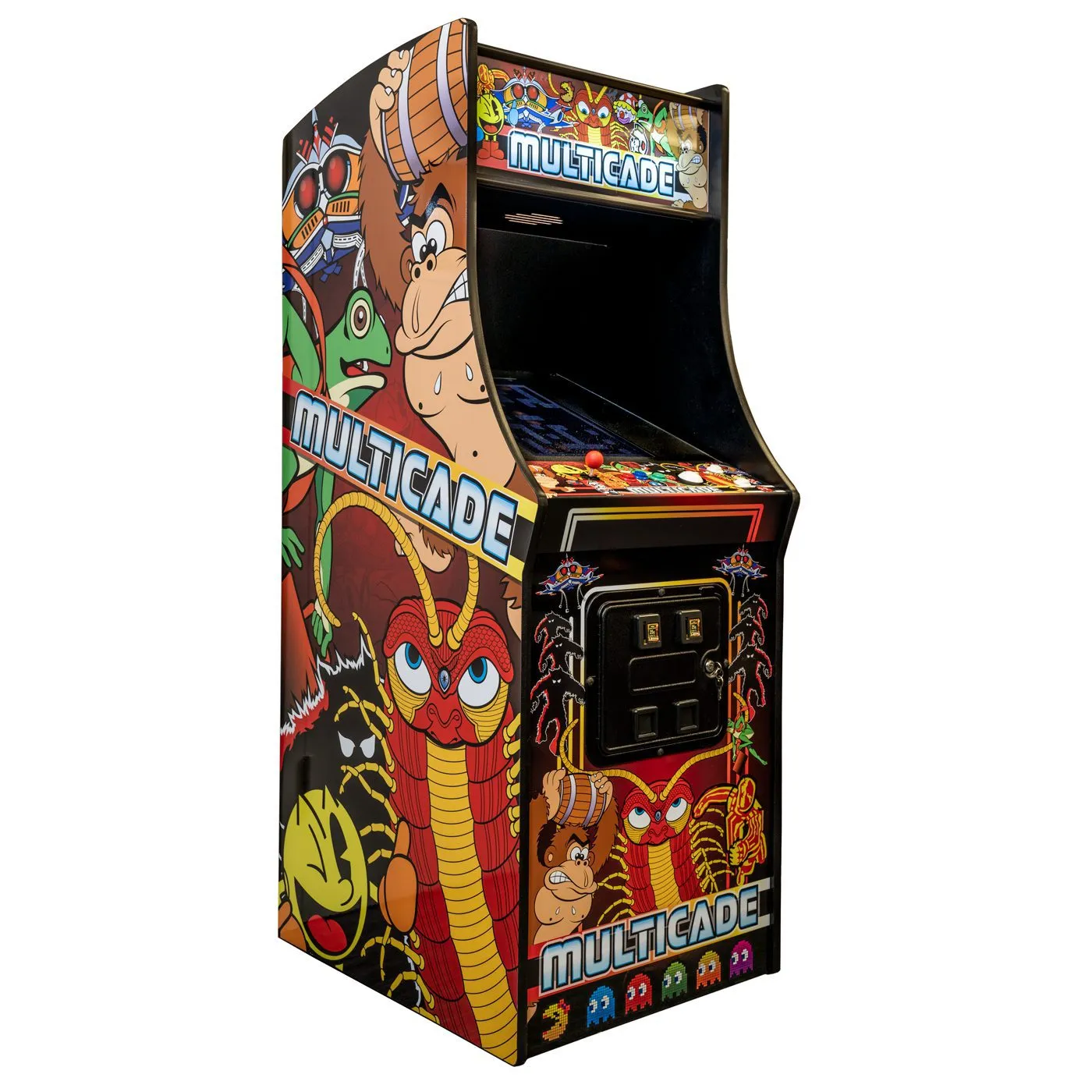
Creating a personal sanctuary for classic coin-op style games is a rewarding project that blends technical skill with genuine nostalgia. Whether you are aiming for an authentic restoration of a vintage cabinet or a sleek, modern emulation station, the process requires an understanding of both hardware maintenance and digital configuration.
2.1 Sourcing and Preserving Authentic Cabinets
Finding a genuine arcade cabinet is often a hunt through local auctions, warehouse liquidations, or dedicated enthusiast forums. Once you secure a unit, the focus shifts to preservation. Many collectors prioritize keeping the original aesthetics, including the side-art and marquee, which are often the most difficult components to replace. If you are serious about maintaining these machines, you can learn more about mastering retro pixel arcade games as you dive into the restoration process.
2.1.1 Restoration Basics for Vintage Hardware and CRT Monitors
Restoring a classic machine almost always involves reviving the CRT monitor. These heavy, glass-tube displays provide the authentic scanlines and warm glow that modern screens often struggle to replicate. Be warned: working with CRTs involves high-voltage components that require caution. Often, a simple chassis capacitor kit—a common repair for flickering or shrinking images—can breathe new life into a monitor that appears dead.
2.1.2 Understanding JAMMA Standards Versus Dedicated PCBs
To keep a cabinet functional, you must understand the wiring. Most cabinets built after the mid-1980s utilize the JAMMA (Japanese Amusement Machine Manufacturers Association) standard. This interface allows you to swap different game boards into the same cabinet cabinet easily. In contrast, older or more unique machines may use proprietary wiring and dedicated PCBs. Knowing the difference is vital for troubleshooting and ensuring your power supply voltages are correctly calibrated to prevent hardware damage.
2.2 Modern Methods to Emulate Classic Coin-Op Style Games
For those without the space or budget for original hardware, modern emulation offers a way to experience the same high score chasing challenges without the maintenance headache. Emulation has evolved significantly, allowing enthusiasts to run hundreds of titles on a single piece of hardware.
2.2.1 Setting Up MAME and Professional Front-Ends
MAME (Multiple Arcade Machine Emulator) remains the gold standard for software-based preservation. It accurately simulates the original game hardware, ensuring that the timing and sound remain faithful to the source. To manage a large library, users typically pair MAME with a front-end like LaunchBox or Attract-Mode. These graphical interfaces turn your computer or console into a visual catalog, letting you navigate your collection with the same excitement as walking through a 1980s arcade floor.
2.2.2 Choosing Between Raspberry Pi Kits and High-End Arcade Sticks
Hardware choice largely depends on your endgame. A Raspberry Pi kit is an excellent, compact solution for running single screen arcade challenges on a TV or a small monitor. However, if you are looking for tournament-grade precision, you should invest in a high-end arcade stick with Sanwa or Seimitsu components. These controls offer the tactile, reflex based obstacle dodging performance required to hit those record-breaking scores.
2.3 Engaging with the Global Retro Gaming Community
The arcade hobby thrives on competition, and the internet has made it easier than ever to prove your skills against players worldwide.
2.3.1 Platforms for Competitive High Score Submissions
Dedicated platforms allow you to record your gameplay and submit it to global leaderboards. Verification is strict, often requiring video evidence that shows the cabinet’s serial number or clear gameplay capture. Participating in these challenges provides a sense of community, connecting you with players who share your dedication to perfecting retro pixel art shooters and other skill-heavy genres.
2.3.2 Utilizing Rollback Netcode for Modern Online Arcade Play
The biggest hurdle for retro gaming used to be input lag, but modern emulation platforms now support rollback netcode. This technology predicts your button presses during online matches, effectively eliminating the delays that once made head-to-head arcade competition impossible over long distances. Whether you are playing fighting games or cooperative shooters, rollback ensures the action remains as crisp and responsive as it would be on an original machine.
Whether you are chasing a top-tier score on a dimly lit machine or fine-tuning your home emulation setup, the enduring appeal of classic coin-op style games remains as strong as ever. These titles offer a unique blend of nostalgia and genuine mechanical challenge that modern, expansive games often overlook. By mastering pattern recognition, understanding the rhythm of reflex-based obstacle dodging, and appreciating the intentional design constraints of single-screen arcade challenges, you gain a deeper respect for the roots of gaming history. The pursuit of perfection—one quarter, or one virtual credit, at a time—is a timeless experience that continues to bridge the gap between generations of players.
As you dive deeper into your own retro journey, remember that the spirit of the arcade is truly about the community and the personal drive to improve. If you want to refine your skills further, explore our guide on mastering global leaderboard challenges to learn how to turn your passion for these classics into competitive mastery. Whether you are preserving authentic hardware or utilizing modern digital tools, keep pushing your limits and enjoying the thrill of the chase. The world of classic arcade gaming is vast, challenging, and always ready for your next play.