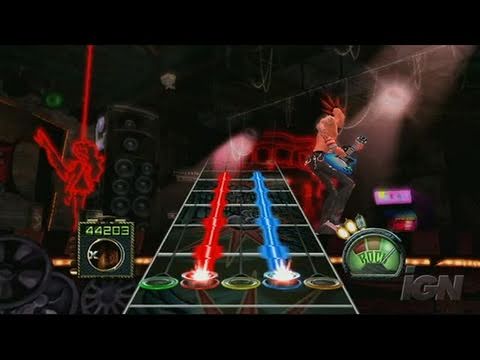
There is a unique thrill in perfectly syncing your movements to the rhythm of a soaring guitar solo. Whether you are a bedroom shredder or someone who just loves the adrenaline of a high-energy arcade cabinet, guitar rhythm games offer an unparalleled way to engage with music. From the tactile satisfaction of plastic peripherals to the precision of modern touch-based interfaces, the genre has evolved significantly, bridging the gap between passive listening and active performance. Mastering these titles requires more than just quick fingers; it demands an understanding of timing, auditory processing, and pattern recognition.
In this guide, we will explore the best guitar rhythm games available today, ranging from authentic learning software that teaches you real-world chords to fast-paced experiences designed for pure high-score chasing. You will discover how to optimize your hardware for lower latency, refine your beat matching tap challenges, and master complex charts. Whether you are looking to sharpen your musical ear or dominate global leaderboards, these insights will help you elevate your performance to the next level.
2. Technical Mastery and Optimization for Guitar Rhythm Games
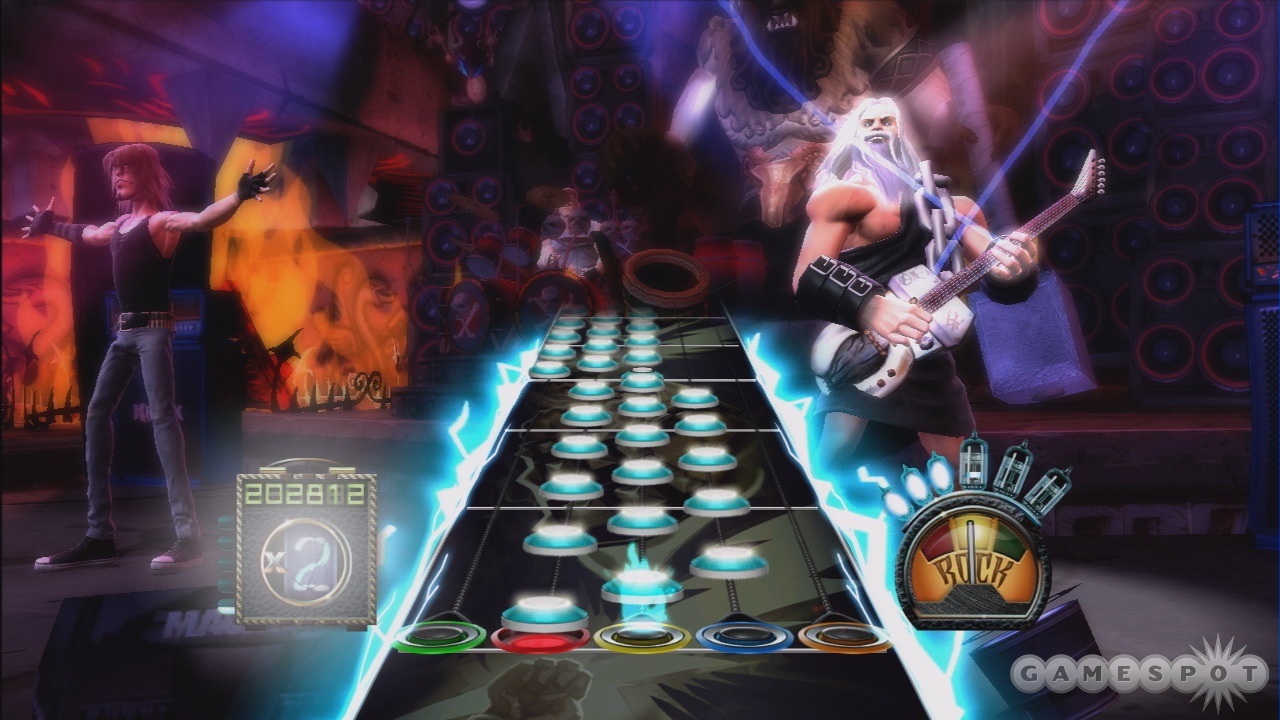
Achieving excellence in guitar rhythm games goes beyond simple button mashing; it requires a deep understanding of hardware interaction and refined motor skills. Whether you are aiming for a full combo or trying to survive rhythm based boss battles, the bridge between your intentions and the game’s output must be as seamless as possible.
2.1 Calibrating Hardware for Perfect Input Accuracy
Input lag is the silent killer of high scores. Even a few milliseconds of delay can cause you to miss notes that your brain correctly identified, leading to frustration during intense tracks.
2.1.1 Reducing Audio Latency via External Interfaces and Wired Connections
For titles that utilize real instruments or complex controllers, your connection method matters. Wireless controllers often introduce minor input overhead; sticking to high-quality wired connections is the gold standard for competitive play. If you are using a PC setup, utilizing an external audio interface with dedicated drivers can significantly reduce the processing time between plucking a string and hearing the feedback, ensuring your audio engine stays tight and responsive.
2.1.2 Visual and Auditory Sync Calibration Procedures
Most modern rhythm games provide a built-in calibration tool. Never skip this. Use these manual sync settings to align the game’s engine with your monitor’s refresh rate and your speaker system’s output. If you are struggling with note timing, perform the test during a quiet time of day, as external noise can interfere with your perception of the synchronization clicks.
2.1.3 Selecting High-Refresh Rate Displays for Responsive Note Tracking
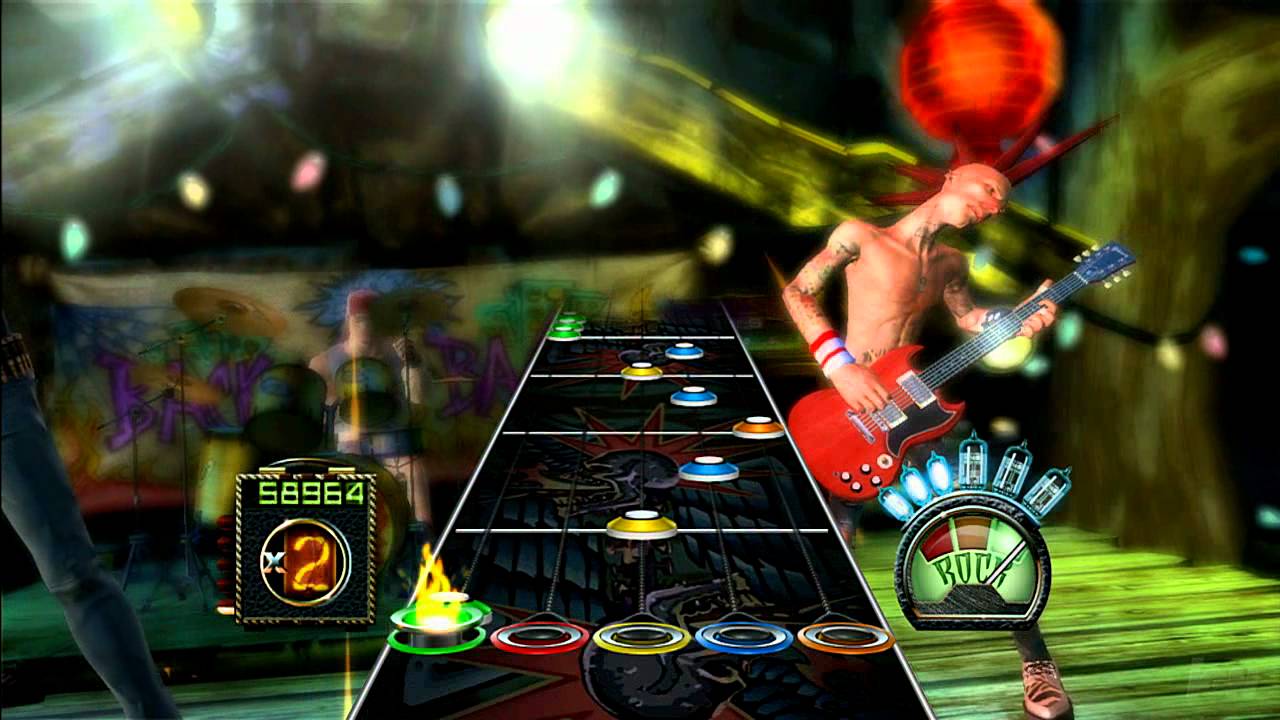
While standard 60Hz displays are sufficient for casual play, high-refresh-rate monitors (144Hz and above) provide a significant advantage. The increased frames per second result in smoother note scrolling, allowing your eyes to track fast-moving dynamic tempo arcade games more accurately. This visual clarity makes it easier to anticipate complex patterns before they hit your strike zone.
2.2 Advanced Techniques for Improving Beat Matching
True mastery comes when you stop reacting to notes and start feeling the song’s pulse. Beat matching tap challenges are a core component of this skill, requiring you to internalize the rhythmic structure of a track.
2.2.1 Deconstructing Song Structure and BPM Synchronization
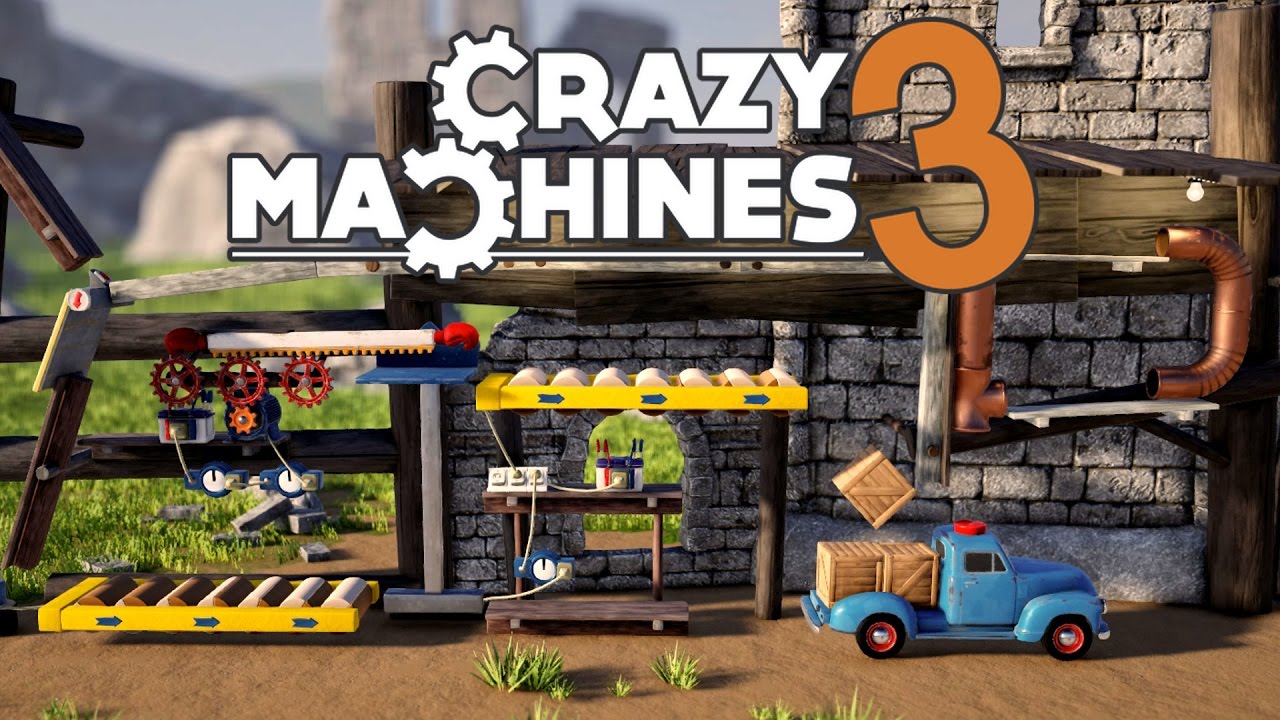
Professional players don’t just look at the screen; they listen for the snare and kick drums. By breaking a song down into its constituent parts—identifying the beat per minute (BPM) and the time signature—you can predict where the most difficult clusters of notes will occur. If you enjoy mastering complex sequences, check out our guide on best physics puzzle games to see how logic-based pattern recognition can sharpen your analytical gaming skills.
2.2.2 Developing Muscle Memory Through Incremental Speed Training
Attempting to play a song at 100% speed on the first try is a recipe for failure. Use practice modes to slow down complex sections to 50% or 75%. Once you can hit every note consistently at the lower speed, increment it by 5-10% until you reach full tempo. This builds the specific muscle memory required for high-speed technical passages.
2.2.3 Utilizing Haptic Feedback and Visual Cues to Master Complex Charts
Modern controllers often include advanced haptic feedback. Use the physical vibrations as an auxiliary timing guide, especially when the visual track becomes cluttered. When combined with the visual indicators for note streaks, these sensory inputs create a multi-layered reinforcement that keeps you locked into the track’s flow.
2.3 Sustainable Practice Routines and Performance Growth
Consistency beats intensity every time. Pushing yourself too hard during marathon sessions can lead to physical fatigue and a plateau in your skill growth.
2.3.1 Establishing Measurable Goals for Accuracy and Full-Combo Milestones
Set clear, incremental objectives. Rather than obsessing over the global leaderboard, focus on increasing your accuracy percentage on a specific song each day. Hitting a full combo on an expert track is a major milestone, but breaking that song into smaller, manageable segments will make the goal feel achievable rather than daunting.
2.3.2 Avoiding Physical Burnout During High-Speed Technical Sessions
Repetitive strain is a real risk in high-intensity rhythm gaming. Always warm up your hands and wrists before starting a session. If you feel tension or pain, stop immediately. Short, focused sessions—roughly 30 to 45 minutes—are significantly more effective for neuroplasticity and skill acquisition than hours of mindless, fatigued grinding.
2.3.3 Analyzing Performance Metrics to Identify Skill Gaps
Many games provide post-performance breakdowns showing where you hit early or late. Use this data to identify your weaknesses. If you are consistently “late” on trills but “early” on sustained notes, you know exactly which specific techniques need extra attention during your next practice block. Targeted training based on hard data is the fastest route to becoming a top-tier player.
Whether you are looking to master complex beat matching tap challenges or simply want to relive the glory days of plastic instrument controllers, the world of guitar rhythm games offers something for every skill level. We have explored the transition from high-energy arcade classics to modern, sophisticated simulation software that bridges the gap between gaming and genuine musical education. By focusing on proper calibration, refining your timing through consistent practice, and staying mindful of physical comfort, you can significantly elevate your performance and climb those global leaderboards.
Remember that the best rhythm games are those that encourage you to keep playing, whether through a deep and diverse song library or the thrill of conquering intense, rhythm-based boss battles. Take the time to experiment with different platforms and titles to find which interface resonates most with your personal style. If you find yourself needing a break from the intensity of musical gaming, you might enjoy exploring some best physics puzzle games to keep your mind sharp and refreshed. Now, grab your controller or guitar, find your rhythm, and start climbing toward that next high score. Every master started with a single note, so keep practicing and enjoy the music.