
There is a unique, high-stakes thrill that comes with orchestrating the perfect defensive formation as the screen fills with encroaching hostiles. Whether you are a casual player looking to pass the time or a hardcore strategist obsessing over efficiency, war defense games offer a deep sandbox for tactical experimentation. At their core, these titles challenge you to balance rapid decision-making with long-term foresight, pushing you to master everything from intricate grid layouts to the nuances of economy management. If you enjoy testing your brain against complex challenges, you might also appreciate exploring our guide on mastering high score arcade games to sharpen your reflexes and strategic focus.
In this guide, we will break down the essential components that separate amateur base-builders from true defensive tacticians. You will learn how to optimize your resource flow, manipulate enemy pathing to create lethal choke points, and synergize your unit compositions to survive even the most relentless waves of enemy defense. Let us turn your battlefield into an impenetrable fortress.
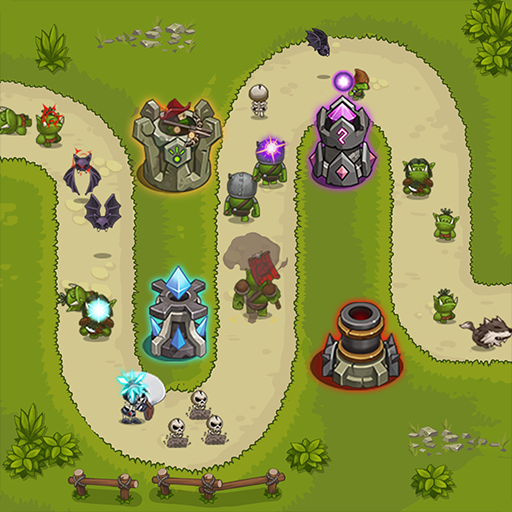
1. Mastering Mechanics and Strategy in War Defense Games
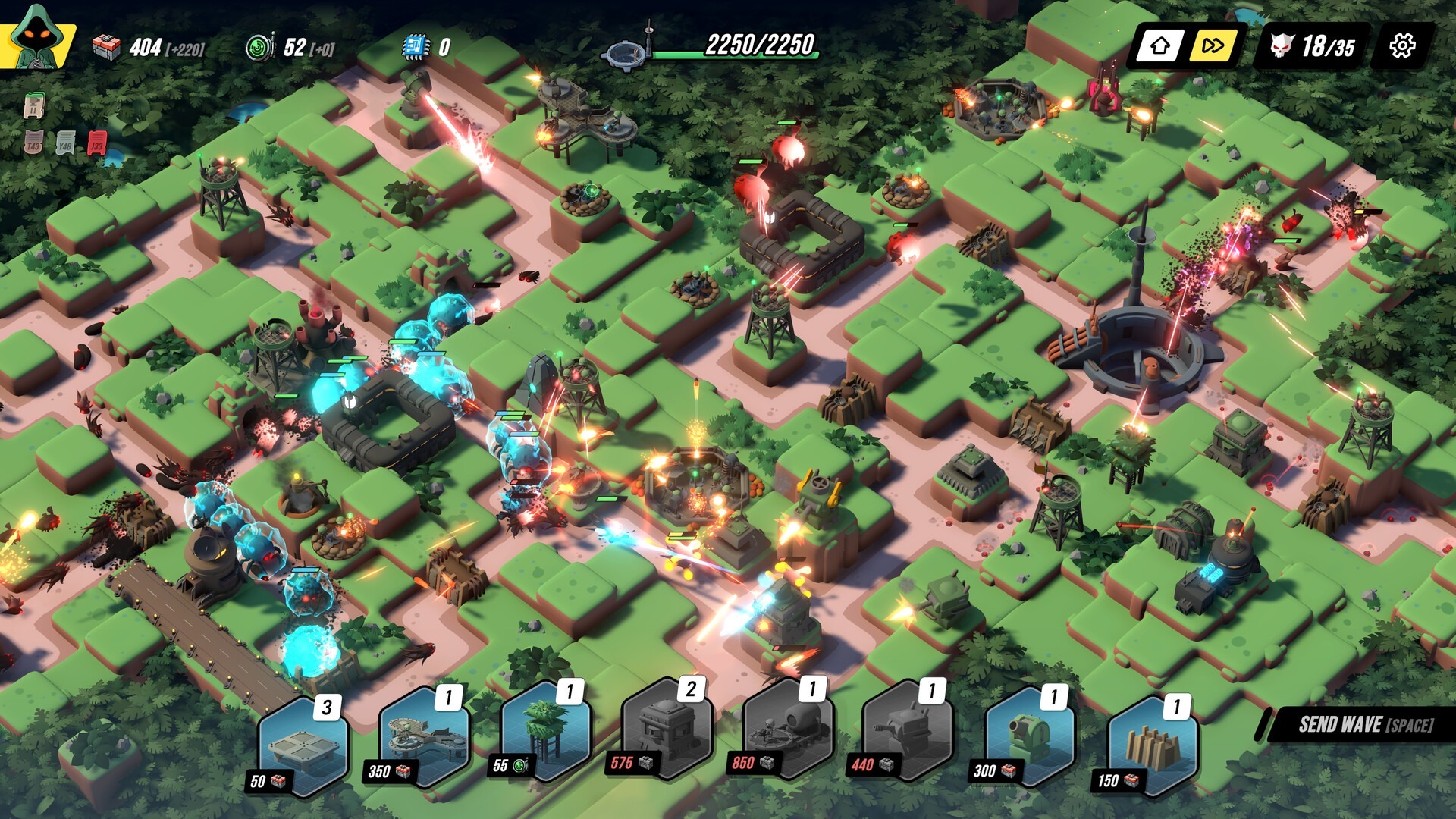
To dominate the most challenging war defense games, you must look beyond mere reaction time and focus on the deeper, underlying systems that govern victory. Success in this genre is rarely about overwhelming force; it is about efficiency, foresight, and a profound understanding of the game’s economic and tactical engine.
1.1 Foundational Pillars of Tactical War Defense
1.1.1 Optimizing Resource Allocation and Economic Scaling
Resource accumulation defense relies on your ability to balance short-term survival against long-term growth. Spending your entire budget on early-game turrets may keep you safe initially, but it often leads to stagnation. Savvy players prioritize reinvesting surplus currency into income-generating structures early on. By calculating the break-even point for every investment, you ensure that your defensive power scales exponentially alongside the mounting costs of mid-game upgrades.
1.1.2 The Geometry of Defense: Choke Points and Kill Zones
The most effective strategy involves turning the map’s layout against your enemies. Identify natural chokepoints where you can force units into a confined space, effectively creating a kill zone. By focusing your high-damage units within these constrained areas, you maximize the overlap of area-of-effect (AoE) damage, ensuring that no resources are wasted on redundant targeting.
1.1.3 Wave Analysis: Countering Air, Ground, and Armored Threats
Success requires mastering the rhythm of waves of enemy defense. You must proactively analyze the composition of upcoming waves. If an approaching swarm consists of high-speed, low-health units, you need rapid-fire, low-damage weapons. Conversely, slow-moving armored units require high-penetration cannons. Failing to tailor your arsenal to the specific enemy type is a leading cause of defensive collapse.
1.2 Advanced Pathing and Maze Construction Techniques
1.2.1 Forced Rerouting: Manipulating Enemy AI Movement
In many tactical titles, enemy AI follows the shortest path to your base. You can exploit this behavior by placing structures to block direct routes, effectively forcing the enemy into a longer, more circuitous path. This “mazes” the enemy, buying your defensive units precious extra seconds to deplete incoming forces before they reach your perimeter.
1.2.2 Multi-Layered Defensive Architectures
A single wall of defenses is rarely enough. Robust strategies employ a layered approach: outer rings of slowing towers, a mid-section of high-damage artillery, and a final line of heavy-duty blockers. This structure ensures that if one layer is breached, you have depth in your defense to stall the advance while your primary systems reset.
1.2.3 Balancing Front-Line Blockers Against Back-Line Artillery
Your front line must serve as an anchor, drawing fire and holding the position, while your back line provides the raw damage output. You can improve your results by practicing mastering high score arcade games tactics, such as maintaining consistent focus on your unit spacing, which prevents accidental “bunching” that makes your forces vulnerable to splash damage.
1.3 Synergizing Unit Compositions for Maximum Damage Output
1.3.1 Utilizing Elemental and Mechanical Damage Modifiers
Understanding damage types is non-negotiable for high-level play. Many units possess hidden resistances or vulnerabilities—fire might melt ice armor, while electrical damage might stun mechanical foes. Check the unit logs for each map to identify the damage type that yields the highest multiplier against the current enemy roster.
1.3.2 Managing Unit Proximity Buffs and Aura Stacking
Strategic placement is further enhanced by aura-providing structures. By clustering units around support towers that offer rate-of-fire or damage bonuses, you create a multiplicative effect that far outweighs the strength of any individual tower. Watch for overlapping radii; the goal is to create “death pockets” where your units perform at their peak capacity, turning the tide against even the most overwhelming odds.
2. Evaluating Top War Defense Games and Platform Optimization
2.1 Categorizing the Best Modern Titles for 2026
The landscape for war defense games has evolved significantly, offering experiences that range from gritty realism to abstract tactical management. When choosing your next title, it is helpful to understand the core thematic pillars that define current market leaders.
2.1.1 Realistic WW2 and Historical Military Simulations
These titles appeal to players who prioritize authenticity and historical accuracy. They often emphasize authentic weapon ballistics and period-accurate troop movements. Success here requires a deep understanding of historical logistics, where managing supply lines is just as vital as direct combat.
2.1.2 Sci-Fi and Futuristic Grid-Based Base Management
Sci-fi entries in the genre often introduce complex technological trees. These games lean heavily into grid-based construction, where your defensive layout must account for unconventional enemy flight paths and high-tech weaponry that alters the very terrain of the battlefield.
2.1.3 Choosing Between Casual Quick-Session and Hardcore Simulation Games
Casual games focus on bite-sized, satisfying experiences—perfect for those who want to test their reflexes against waves of enemy defense without a heavy time investment. Conversely, hardcore simulations demand hours of research into optimal unit stats and long-term economic planning. Identifying your preferred playstyle is the first step in avoiding burnout.
2.2 Platform Specifics and Input Strategy
The way you interact with your defensive setup significantly changes the game’s difficulty curve. Understanding your device’s unique input quirks can give you a major competitive edge.
2.2.1 Leveraging Touch Interface Strengths for Mobile War Defense
Mobile platforms excel at intuitive, drag-and-drop placement, making them ideal for quick adjustments. Use this to your advantage by focusing on reactive gameplay where rapid unit repositioning is the key to preventing a breach.
2.2.2 Utilizing PC Precision for Macro-Management and Hotkeys
PC gaming offers unmatched precision. Mastering keyboard hotkeys for rapid unit cycling and economic scaling allows for complex, high-APM (actions per minute) strategies that are impossible on other platforms. This precision is essential when managing large, multi-front operations.
2.2.3 Cross-Platform Considerations for Persistent Strategy
If you enjoy playing across devices, look for titles with cloud-save integration. Managing a sprawling base during your commute on a phone, then refining your tactical unit positioning on your desktop when you get home, ensures your progress remains consistent.
2.3 Essential Troubleshooting for Mid-Game Crises
Every seasoned commander faces the moment where their perfect defense begins to crumble. Staying calm during these high-pressure scenarios is a skill in itself.
2.3.1 Recovery Protocols After Defensive Breaches
When a breach occurs, do not panic. Instead, initiate a temporary retreat to a secondary defensive layer. Identify which specific unit type failed and quickly supplement that sector with specialized fire support, such as slow-effect artillery or high-damage burst units, to stabilize the perimeter.
2.3.2 Determining When to Overhaul Versus Fortify Existing Infrastructure
Ask yourself if a failure is due to poor positioning or an obsolete damage output. If your current towers are simply outclassed by enemy armor, it is time to sell and pivot to higher-tier tech. If your geometry is flawed, a structural overhaul—such as creating a more restrictive choke point—is often more cost-effective than adding more firepower.
2.3.3 Evaluating Co-op Versus Competitive Multiplayer Modes
Multiplayer modes introduce layers of unpredictability. Co-op requires shared resource management, where talking to your partner about economy is just as important as the strategic deployment of your defenses. Competitive modes, however, focus on disruption—using your resources to weaken your opponent’s lines rather than just reinforcing your own.
Mastering war defense games is a journey of continuous improvement, where every failed wave serves as a vital lesson in efficiency and tactical foresight. Whether you are constructing elaborate mazes to force enemy pathing or carefully balancing your resource accumulation to fund high-tier artillery, success ultimately comes down to your ability to adapt under pressure. By focusing on the foundational pillars of unit positioning and synergetic damage output, you can turn overwhelming odds into decisive victories.
Remember that the best players aren’t just reacting to threats—they are proactively designing their defense to exploit the specific weaknesses of every incoming wave. As you refine your strategies, don’t be afraid to experiment with different unit compositions or overhaul your infrastructure when a breakthrough reveals a structural flaw. If you find yourself hitting a wall in more complex titles, consider taking a break to sharpen your reflexes with some mastering high score arcade games tactics, which can help improve your decision-making speed. Embrace the challenge, keep your base fortified, and enjoy the satisfaction that comes with crafting the perfect defense.



Pingback: Best War Strategy Games: Mastering Tactics and Diplomacy - GameTurn
Pingback: Resource Accumulation Defense: Master Tactical Base Strategy - GameTurn