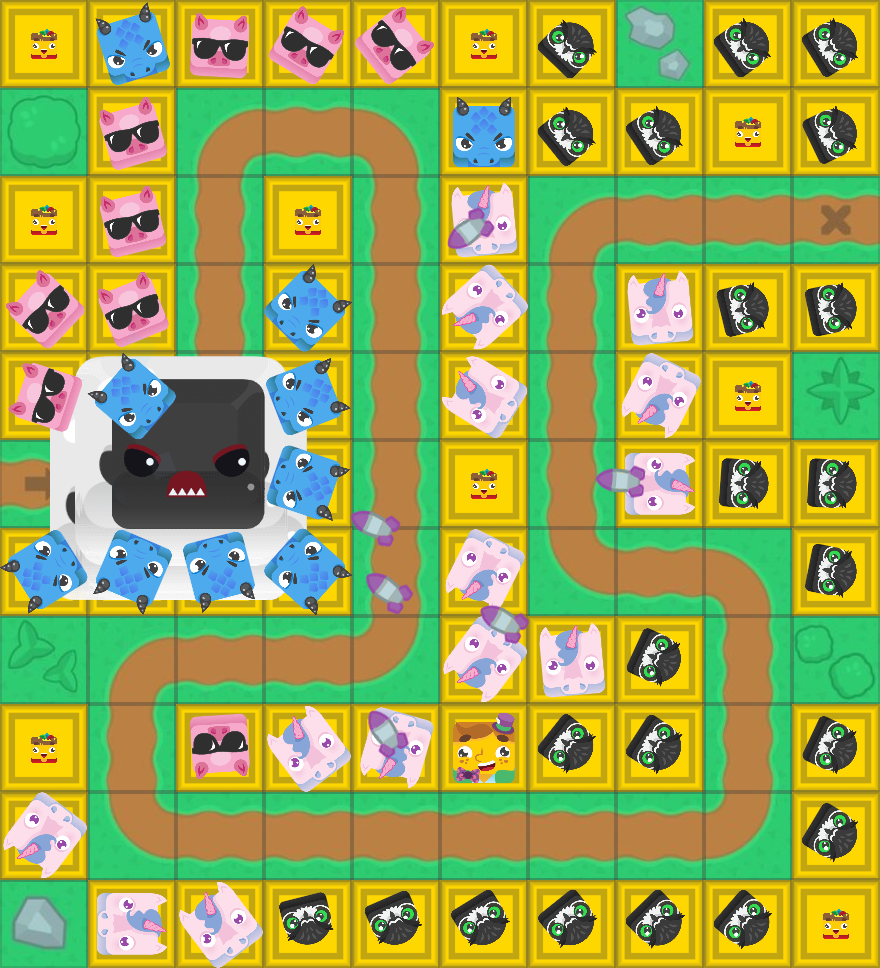
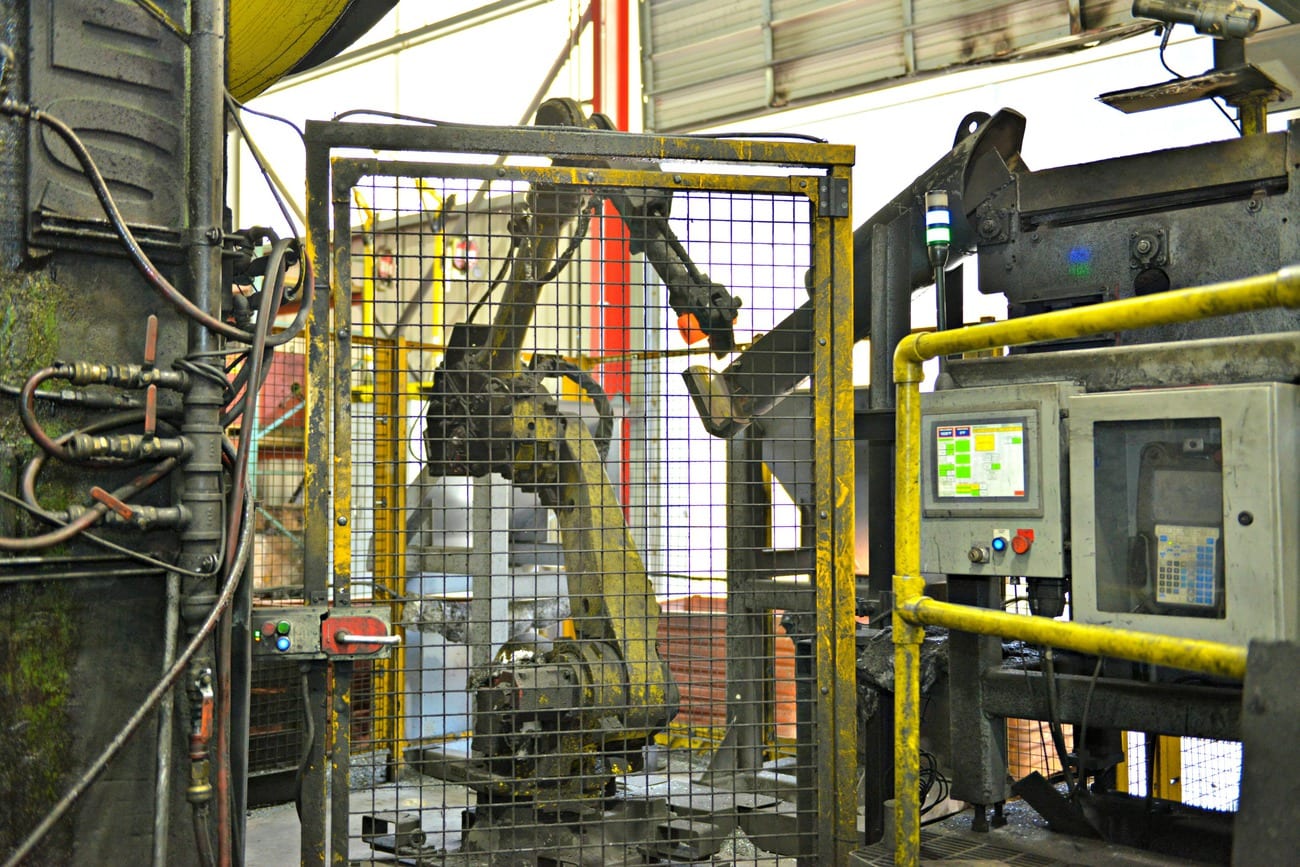
In the high-stakes world of strategy gaming, the difference between total victory and a crushing defeat often comes down to your mastery of resource accumulation defense. Whether you are building an impenetrable fortress or managing a complex supply chain, protecting your assets is the cornerstone of a winning base defense strategy. Without a robust system to safeguard your munitions, fuel, and capital, even the most formidable units will eventually stall out when the pressure mounts. Newcomers and veterans alike often overlook the importance of logistical security, leaving their hard-earned supplies vulnerable to raids and sabotage. In this guide, we will break down the essential tactics needed to secure your assets, optimize your logistics, and ensure your base remains resilient against even the most determined opposition. By implementing these structural and predictive frameworks, you will transform your approach to resource management and secure your position on the global leaderboard, much like the experts who excel in best war defense games.

1. Strategic Frameworks for Resource Accumulation Defense and Site Resilience

Mastering resource accumulation defense requires a fundamental shift from simple stockpiling to active site resilience. In any high-stakes tactical environment, your resources are not just inventory; they are the lifeblood of your base defense strategy. If you fail to protect these assets, your ability to sustain long-term operations—or even survive a sudden surge—will vanish the moment an adversary exploits a logistical gap.
1.1 Categorizing and Securing Critical Tactical Assets
Before you can defend your assets, you must categorize them by their role in your operational lifecycle. Not all resources hold the same weight during a crisis.
1.1.1 Inventory classification systems for munitions, fuel, and medical supplies
Implement a tripartite classification system: consumables, strategic reserves, and essential infrastructure components. Munitions are high-turnover assets that require proximity to frontline firing positions, while fuel is a utility asset that demands specialized containment to prevent catastrophic chain reactions. Medical supplies, being low-volume but mission-critical, should be held in decentralized caches to ensure they remain accessible even if a primary hub is compromised.
1.1.2 Identifying Tier 1 assets requiring priority fortification
Tier 1 assets are those whose loss triggers immediate mission failure. These include core power generators, primary command interfaces, and rare resource stockpiles. These should never be stored in a single, high-traffic facility. By identifying these critical nodes early, you can focus your engineering efforts on hardening the structures that surround them rather than wasting time reinforcing lower-value peripheral storage.
1.2 Infrastructure Hardening and Vulnerability Mitigation
Your physical layout often dictates the outcome of a defensive engagement. A well-designed base uses architecture to turn environmental factors against an attacker.
1.2.1 Architectural design principles for impact-resistant storage facilities
Storage facilities should follow the principle of compartmentalization. Instead of one large warehouse, distribute resources across several smaller, reinforced bunkers. This minimizes the “blast radius” or theft potential if one area is breached. For deeper insights into designing resilient structures, you can explore home renovation planning and design to adapt those structural concepts for your defensive site.
1.2.2 Implementing dispersal tactics to minimize high-value target exposure
Dispersal is your greatest ally against concentrated fire. By spreading your Tier 1 assets across the perimeter, you force an enemy to split their force, weakening their pressure on any single point. This naturally supports effective lane management strategy, as it creates a wider, more complex pathing web that prevents attackers from making a straight dash for your primary supplies.
1.3 Logistical Security and Digital Inventory Oversight
Physical walls are only half the battle; information security keeps the machine running.
1.3.1 Protocols for preventing resource leakage and unauthorized access
Resource leakage—whether through inefficient transit or theft—is a silent killer of momentum. Establish clear protocols that limit access to supply hubs to designated personnel or units. If your system allows for it, establish “dead-man” switches on storage locks that trigger automated defenses or alarms if an unauthorized entity lingers too long near the cache.
1.3.2 Integrating automated tracking with human oversight for inventory integrity
Do not rely solely on automated sensors, as they can be spoofed or bypassed. A human overseer must verify the data coming from your inventory management systems. This “human-in-the-loop” approach ensures that if a digital error occurs, there is an immediate, reactive override to prevent the loss of critical resources during an active defensive event.
2. Scaling Logistics and Predictive Planning for Resource Accumulation Defense
2.1 Transitioning to Rapid Surge Capacity
The transition from a stable, maintenance-focused state to a high-intensity conflict requires a shift in your logistical philosophy. In the context of resource accumulation defense, surge capacity refers to your ability to rapidly increase the inflow of supplies when your base comes under threat. Peacetime operations focus on sustainability and waste reduction, but wartime expansion necessitates a higher risk tolerance regarding storage density and logistical throughput.
To scale procurement effectively, you must establish “surge thresholds.” These are pre-determined inventory levels that, when hit, trigger an automated shift toward aggressive resource acquisition. By automating this transition, you eliminate the latency between recognizing a threat and adjusting your supply chains, ensuring your defensive systems are never left under-resourced during the initial stages of an assault.
2.1.2 Managing dual-use technology and private-public supply chains
Maximizing your defensive potential often involves integrating dual-use technology—assets that serve both your economic growth and your tactical security. By leveraging infrastructure originally intended for non-combat production, you can build a more resilient foundation that doesn’t rely solely on specialized military hardware. This approach is highly effective for players interested in best war strategy games: mastering tactics and diplomacy, where flexibility often outweighs raw power.
Private-public supply chains allow you to offload some of the resource management burden. By creating trade agreements or partnerships, you gain access to external logistics networks that act as a buffer. During a crisis, these connections provide the extra resources required to harden your perimeter without forcing you to pause your primary production cycles.
2.2 Predictive Analytics and Resource Allocation Modeling
Effective defense is rarely reactive. Utilizing data-driven forecasting allows you to calculate “burn rates”—the speed at which your resources are consumed under different levels of enemy pressure. By modeling these rates, you can move from a state of hoarding to a state of optimized allocation, where every unit of fuel, ammunition, or capital is assigned to its most critical defensive location.
When you align your long-term capital investment with immediate mission objectives, you ensure that your base isn’t just surviving, but thriving. This involves prioritizing upgrades that yield the highest return on investment, such as automated repair systems or enhanced perimeter detection, rather than sinking resources into low-impact cosmetic fortifications.
2.3 Stress Testing and Operational Simulation
Before an actual breach, you must simulate how your supply chain handles disruption. Modeling scenarios where specific routes are cut off or storage facilities are compromised helps you identify “single points of failure.” If your defense relies entirely on one lane, a well-placed enemy strike could cause a total system collapse. Diversification of your supply paths is the key to preventing this.
Coordinating distribution networks through collaborative inter-unit defense allows you to treat your base as an interconnected web rather than an isolated fortress. By sharing surplus resources with adjacent defensive points, you create a fail-safe that ensures no single sector is left vulnerable. This collaborative approach turns the logistics of resource accumulation into a proactive weapon, forcing adversaries to confront a unified, self-sustaining front rather than a series of easy, isolated targets.
Mastering resource accumulation defense is about more than just building walls; it is about creating a dynamic ecosystem where your supplies remain protected while you continue to scale. By classifying your assets, hardening your infrastructure, and utilizing predictive analytics, you transform your base from a vulnerable collection of items into an resilient stronghold capable of weathering any assault. Remember that even the most well-fortified position can fail without a consistent strategy for managing supply chains and responding to shifting threats in real-time.
As you refine your approach, keep in mind that defense is an ongoing process of iteration. Whether you are adjusting your lane management strategy to counter new infiltration patterns or stress-testing your logistical networks against surprise disruptions, your ability to adapt will be the true measure of your success. If you are looking to further improve your tactical prowess, exploring our guide on the best war defense games can provide additional insights into how elite commanders manage complex battlefield environments. Stay vigilant, keep your supply lines secure, and continue evolving your defensive doctrine to stay one step ahead of the competition.