
For many players, the allure of the casino floor often hits a wall of cold, hard math. While luck plays a role in any single hand, consistent success in blackjack relies on disciplined strategy and an understanding of probability. If you have ever wondered how professional players refine their skills without risking their bankroll, a blackjack simulator is the ultimate tool for the job. These sophisticated programs allow you to test your decision-making in a risk-free environment, effectively bridging the gap between theory and execution.
In this guide, we will explore how to use simulation technology to sharpen your blackjack card strategy, manage your bankroll effectively, and understand the mathematical mechanics behind the house edge. Whether you are a casual player looking to minimize losses or an aspiring pro aiming to master table game strategy training, you will learn how to leverage these digital tools to transform your approach and approach the table with newfound confidence.
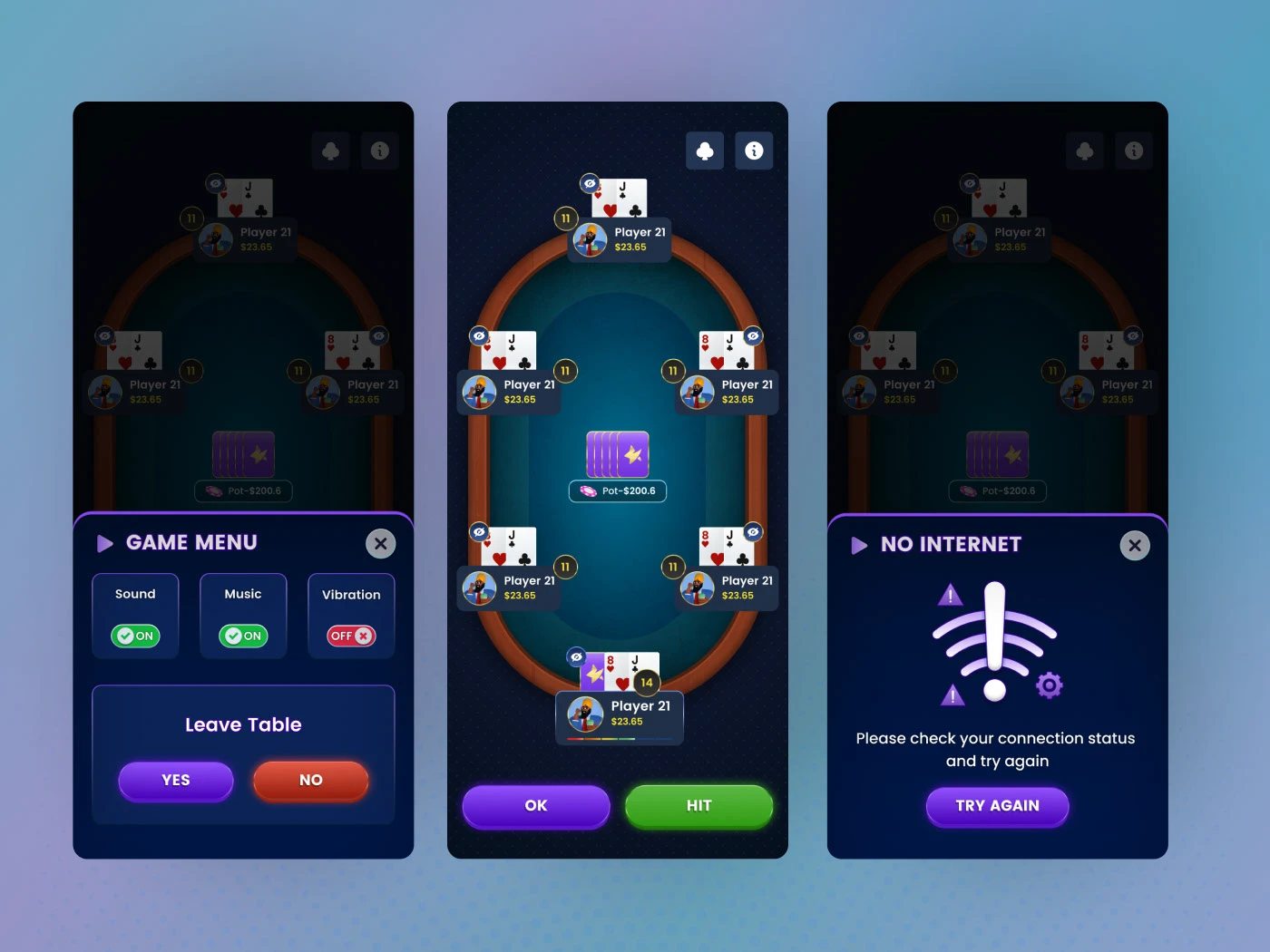
1. Optimizing Your Game Through Blackjack Simulator Technology
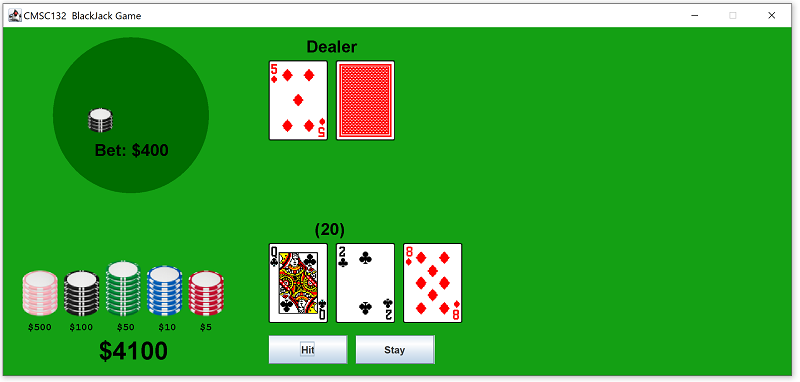
1.1 Understanding Simulation Mechanics and RNG Accuracy
1.1.1 Distinguishing Between Trainers and Analytical Calculators
To master the game, you must first understand the distinction between a trainer and an analytical calculator. A blackjack simulator designed as a trainer acts as a practice environment where you make real-time decisions, receiving instant feedback on whether your move aligns with mathematically optimal strategy. In contrast, analytical calculators are backend tools used by researchers to crunch millions of hands to determine the house edge or test specific betting systems. While trainers are essential for building muscle memory and skill, calculators are better suited for studying the theoretical framework behind blackjack card strategy.
1.1.2 The Role of Random Number Generators in Replicating Real Shoe Dynamics
Modern simulation software relies on complex Random Number Generators (RNGs) to replicate the unpredictability of a physical casino shoe. A high-quality simulator ensures that the shuffle is mathematically sound, mimicking the distribution of cards found in a real-world environment. This accuracy is vital because it ensures that the frequency of specific card combinations—and the resulting probability based betting games math—remains consistent with standard casino operations. When the RNG is properly calibrated, it provides a realistic testing ground for your table game strategy training.
1.2 Configuring Simulators for Specific Casino Rule Sets
1.2.1 Identifying Impact Variables: S17 vs H17 and DAS Rules
Not all blackjack games are created equal, and your simulator should be configured to mirror the exact rules of your local casino. Variables like whether the dealer stands on soft 17 (S17) or hits (H17) significantly alter the house edge. Similarly, the ability to Double After Split (DAS) changes the optimal play for many hands. By accurately inputting these rules into your simulator, you ensure that the strategy you practice is actually the correct one for the specific table you plan to play at.
1.2.2 Adjusting for Deck Penetration and Number of Decks in Play
The number of decks in a shoe drastically shifts the game’s mechanics. A single-deck game requires a different approach than a six or eight-deck shoe. Furthermore, deck penetration—how deep into the shoe the dealer goes before shuffling—impacts the reliability of card counting. Serious players use simulation tools to see how these variables interact with their risk management gambling games, helping them choose the most favorable conditions.
1.3 Practical Drills for Strategy Retention
1.3.1 Utilizing Heat Maps to Pinpoint Decision-Making Errors
Visual learning is often the fastest way to bridge gaps in your gameplay. Many top-tier simulators feature heat maps that track your performance over hundreds of hands, highlighting the specific scenarios where you consistently deviate from basic strategy. By reviewing these heat maps, you can stop guessing and start focusing your practice sessions on the exact hands that hurt your long-term returns.
1.3.2 Transitioning from Basic Strategy Memorization to Timed Decision Speed
Knowing the right move is only half the battle; executing it without hesitation under pressure is what defines a pro. Once you have memorized your charts, set your simulator to a timed mode. This forces you to make decisions within seconds, just as you would under the fluorescent lights of a busy casino. Improving your decision speed helps you maintain focus and avoid the common cognitive load that often leads to mistakes.
1.4 Common Pitfalls and Misconceptions to Avoid
1.4.1 Overcoming the Gambler’s Fallacy During Simulation Sessions
A common trap for new players is falling into the gambler’s fallacy—the belief that a string of losses makes a win “due.” Simulations often expose how dangerous this line of thinking is by showing you long sequences of results that defy intuition. If you are struggling to maintain a disciplined approach, you might find it helpful to read about mastering high score arcade games, as the mindset required to track patterns and ignore irrelevant streaks is remarkably similar to the focus needed for blackjack.
1.4.2 Distinguishing Between Short-Term Variance and Long-Term Mathematical Averages
Finally, always remember that a simulator is a tool for long-term improvement, not short-term gratification. Even with perfect strategy, you will encounter sessions where the cards simply do not go your way due to variance. Use your simulation sessions to confirm that your strategy is sound over thousands of hands, rather than judging your skill based on the outcome of a single shoe.
2. Advanced Application of Blackjack Simulator Results
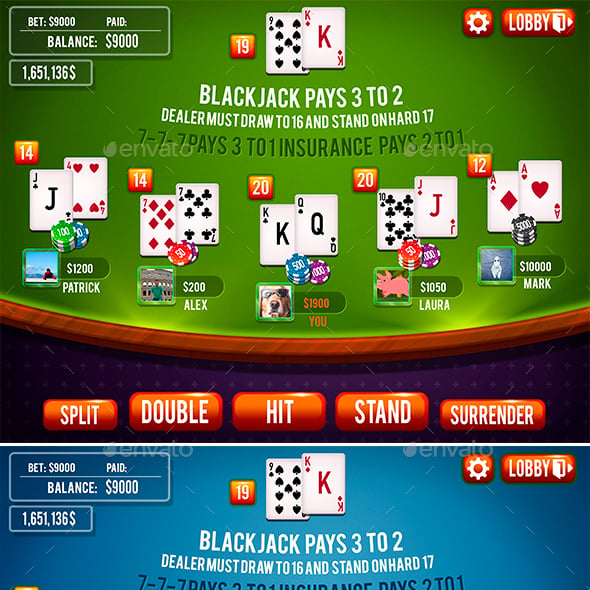
2.1 Mathematical Foundations and Strategic Adjustments
2.1.1 Hard Hand Versus Soft Hand Tactical Aggression
Once you understand the basic mechanics, the next step involves dissecting your performance data to refine tactical aggression. A high-quality blackjack simulator will show you that playing “hard” hands—hands without an Ace or where an Ace must count as one—requires a conservative approach. Conversely, “soft” hands, which offer more flexibility, invite more aggressive betting and hitting strategies. By reviewing your session logs, you can identify if you are under-betting soft doubles or playing hard 16s too timidly. Adjusting these tendencies based on the simulator’s feedback loop helps you align your gameplay with the mathematical house edge, ensuring you maximize your expected value over thousands of hands.
2.1.2 The Statistical Necessity of Proper Pair Splitting and Doubling Down
Many novice players avoid splitting pairs or doubling down out of fear, but these maneuvers are often where the player gains the most ground against the casino. Using a blackjack simulator, you can run experiments to see how specific pairs perform under various dealer up-cards. You will quickly realize that failing to split eights or aces is a significant statistical error that erodes your bankroll. Understanding the math behind these moves transforms them from risky gambles into essential components of probability based betting games. Consistency in these areas is what separates a casual enthusiast from a disciplined player.
2.2 Bridging the Gap from Practice to the Casino Floor
2.2.1 Managing Cognitive Load Under Real-World Pressure
The biggest challenge in table game strategy training is replicating the sensory input and social pressure of a live casino. During simulation, you are in a controlled environment; on the floor, distractions like chatter, drink service, and pacing can disrupt your focus. To mitigate this, practice your decision-making until it becomes muscle memory. If you have to consciously calculate every move, you are prone to fatigue and error under pressure. Aim for high-speed sessions in your simulator to build the mental stamina required to maintain accuracy when the stakes feel real.
2.2.2 Internalizing Strategy to Eliminate Reliance on External Tools
While simulators are excellent for learning, you cannot bring charts or software to a casino table. Your ultimate goal is internalizing these patterns. By regularly reviewing your heat maps, you can isolate the specific hands where you hesitate. Focus your practice on these “weak points” until your reaction time is near-instant. Once you no longer need to check a reference sheet, you have achieved the level of mastery necessary to play with confidence. You might find that mastering high score arcade games helps you develop a similar mindset for intense, pattern-based focus.
2.3 Introduction to Advanced Play Patterns
2.3.1 Moving Beyond Basic Strategy into Composition-Dependent Play
Basic strategy is your foundation, but composition-dependent play is the next level. This involves making decisions based not just on the total of your cards, but on the specific cards you hold. For instance, holding a 16 made of an 8 and an 8 is statistically different from a 16 made of a 10 and a 6. Advanced simulators allow you to observe how these slight variations in hand composition impact the probability of a bust or a win. While the differences are marginal, they are critical for long-term optimization.
2.3.2 Evaluating Effectiveness of Basic Card Counting Concepts within Simulators
Once you are comfortable with basic strategy, you can use your simulator to test the validity of card counting systems. By simulating thousands of shoes, you can verify if your tracking method actually changes the expected value. Many beginners overestimate the power of counting; simulation proves that it requires strict discipline and significant bankroll to see results. It is also a great way to practice risk management gambling games, as you can see how your betting spread fluctuates with the count, teaching you how to protect your capital during negative counts.
2.4 FAQ: Navigating Simulator Usage
2.4.1 Is Simulation Training Considered Cheating by Casinos?
No, using a simulator to learn strategy at home is perfectly legal and encouraged. Cheating involves using devices at the table to gain an advantage; what you do on your own time to improve your mental skill is simply personal development.
2.4.2 Does a Simulator Guarantee Profits or Faster Outcomes?
A simulator provides the knowledge to play optimally, but it cannot override the house edge inherent in the game. It increases your ability to reduce losses and improve your long-term outcomes, but it does not guarantee immediate profits.
2.4.3 Reconciling Simulator Output Differences with Standard Strategy Charts
If your simulator results differ from a standard chart, check your configuration settings. Often, rule sets like S17 versus H17, or the number of decks in play, will alter the optimal move. Ensure your software matches the specific rules of the casino where you plan to play.
2.4.4 Recommended Daily Training Volume for Skill Acquisition
Consistency beats intensity. Aim for 30 to 60 minutes of high-intensity practice daily rather than long, draining sessions once a week. This maintains high retention rates and prevents the “burnout” that can lead to sloppy, habitual mistakes.
Mastering the game of 21 is a journey of discipline, mathematical understanding, and consistent practice. By utilizing a high-quality blackjack simulator, you bridge the gap between theoretical knowledge and real-world execution. We have explored how these tools allow you to refine your blackjack card strategy, adjust to varying casino rules, and build the mental stamina required to make optimal decisions under pressure. Remember, the goal of simulation is not to find a shortcut to instant wealth, but to internalize perfect play so that your decisions become second nature regardless of the table environment.
As you incorporate these drills into your routine, keep in mind that consistent, focused training is far more effective than sporadic, high-volume sessions. Treat your practice as a serious form of table game strategy training; track your progress, identify your weaknesses through heat maps, and stay grounded in the reality of long-term probability. If you are looking to further refine your analytical skills or explore other ways to sharpen your mind for complex games, you might find our guide on mastering high score arcade games useful for understanding the balance of pattern recognition and reaction speed. Stay patient with your growth, prioritize your bankroll management, and enjoy the process of becoming a more skilled, calculated player.



Pingback: Virtual Card Table Games: Master Strategy & Risk Management - GameTurn