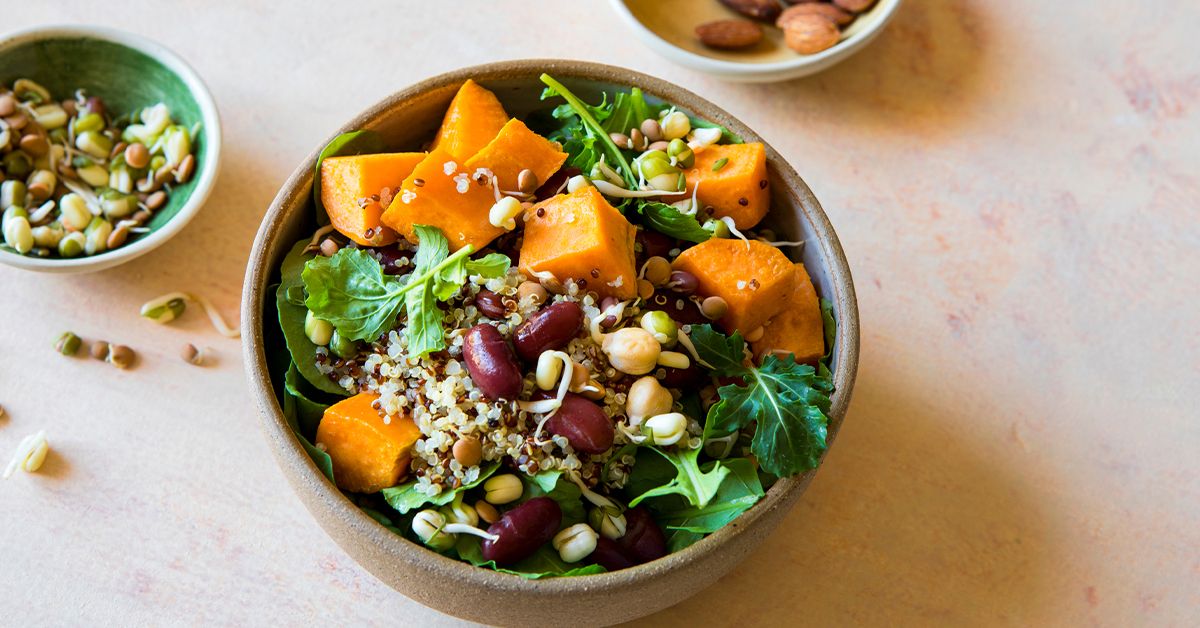

If food had a personality, pranic foods would be the friend who shows up early, brings fresh fruit, remembers your birthday, and somehow makes everyone feel calmer. In yogic traditions, food is not viewed only as calories, protein, carbs, and the occasional late-night cookie confession. It is also seen as a source of prana, often described as vital life energy.
The idea of pranic foods comes from ancient Indian wellness traditions, especially yoga and Ayurveda. These systems suggest that what we eat may influence not only the body, but also mood, clarity, energy, digestion, and spiritual awareness. Modern nutrition science does not measure “prana” in a laboratory, so you will not see a blood test labeled “low on lentil-powered life force.” Still, many foods praised in pranic eatingfresh fruits, vegetables, whole grains, nuts, seeds, and legumesline up surprisingly well with evidence-based healthy eating patterns.
This guide explores the types of pranic foods, their history, what science can and cannot say about them, and practical ways to use the idea without turning your kitchen into a temple with Wi-Fi.
What Are Pranic Foods?
Pranic foods are foods classified according to how they are believed to affect prana, or vital energy. In yoga-based food philosophy, some foods are thought to increase vitality and mental clarity, some are considered neutral, and others are believed to reduce energy or create heaviness.
In simple terms, pranic eating asks a different question from modern dieting. Instead of only asking, “How many calories are in this?” it asks, “How do I feel after eating this?” That question may sound soft, but it is practical. Anyone who has eaten a greasy lunch before a 2 p.m. meeting knows that food can absolutely change your afternoon from “productive professional” to “office chair potato.”
The Three Main Types of Pranic Foods
Pranic foods are commonly divided into three broad groups: positive pranic foods, negative pranic foods, and neutral pranic foods. These categories are traditional, not medical labels, but they can be useful as a mindful eating framework.
Positive Pranic Foods
Positive pranic foods are believed to increase vitality, alertness, balance, and overall well-being. They are usually fresh, plant-based, minimally processed, and easy to digest. This group overlaps heavily with foods that modern nutrition experts often recommend for general health.
Examples of positive pranic foods may include:
- Fresh fruits such as apples, berries, bananas, pears, oranges, and melons
- Fresh vegetables, especially leafy greens, carrots, cucumbers, squash, and cruciferous vegetables
- Whole grains such as oats, brown rice, barley, and quinoa
- Legumes including lentils, chickpeas, mung beans, and black beans
- Nuts and seeds such as almonds, walnuts, sesame seeds, chia seeds, and flaxseeds
- Natural sweeteners in small amounts, such as raw honey or dates
- Fresh herbs, mild spices, and clean water
From a scientific perspective, many of these foods are rich in fiber, vitamins, minerals, antioxidants, and phytonutrients. They support digestion, heart health, blood sugar balance, and long-term wellness. In pranic language, they “raise energy.” In nutrition language, they help your body do its job without filing a complaint.
Neutral Pranic Foods
Neutral pranic foods are believed to neither strongly increase nor strongly decrease prana. They may provide calories, flavor, and comfort, but they are not traditionally viewed as especially energizing. In some pranic food lists, tomatoes and potatoes are often placed in this category.
This does not mean neutral foods are “bad.” Potatoes, for example, can provide potassium, vitamin C, and satisfying carbohydrates. Tomatoes contain lycopene, a plant compound studied for its antioxidant properties. The pranic label is more about traditional energetic qualities than nutrient value.
A practical way to view neutral pranic foods is this: they can be part of a healthy plate, but they may not be the main stars of a high-vitality meal. Think of them as the supporting actors. Not everyone can be the avocado.
Negative Pranic Foods
Negative pranic foods are traditionally believed to reduce vitality, cloud the mind, overstimulate the senses, or create heaviness in the body. Depending on the tradition, this category may include foods such as garlic, onions, heavily processed foods, stale leftovers, alcohol, excessive caffeine, refined sugar, and very spicy or greasy meals.
This category can be confusing because some foods considered negative pranic, such as garlic and onions, have recognized culinary and nutritional value in other contexts. Garlic, for example, has been studied for heart-health-related compounds, and onions provide prebiotic fibers and antioxidants. The pranic view is not always about nutrients alone; it is also about how certain foods are believed to affect meditation, breath, mental stillness, and sensory stimulation.
In everyday life, the most useful takeaway is not that you must fear onions like tiny white villains. It is that highly processed, stale, overly greasy, and excessive foods often do make people feel sluggish. On that point, ancient wisdom and modern common sense are happily sharing a table.
Pranic Foods and the Sattvic, Rajasic, and Tamasic Framework
Pranic food ideas are closely related to the yogic classification of foods into sattvic, rajasic, and tamasic categories.
Sattvic Foods
Sattvic foods are associated with clarity, calmness, harmony, and balance. They are usually fresh, light, nourishing, and plant-forward. A sattvic diet often includes fruits, vegetables, whole grains, legumes, nuts, seeds, milk or ghee in some traditions, and mild spices.
Positive pranic foods are often similar to sattvic foods. Both emphasize freshness, simplicity, moderation, and mindful preparation.
Rajasic Foods
Rajasic foods are linked to activity, stimulation, passion, and restlessness. This group may include very spicy foods, salty foods, sour foods, coffee, strong tea, and highly stimulating meals. Rajasic foods are not always considered harmful, but they may be viewed as less ideal for meditation or mental calm.
For a busy person, rajasic food can feel like rocket fuel. Sometimes you need a little rocket fuel. The problem begins when every meal becomes a launch sequence.
Tamasic Foods
Tamasic foods are associated with dullness, inertia, heaviness, and lethargy. This group may include stale food, spoiled food, heavily processed food, excessive fried food, alcohol, and overeating in general. In modern nutrition terms, many tamasic-style eating patterns resemble diets high in ultra-processed foods, refined carbohydrates, unhealthy fats, and added sugars.
A Brief History of Pranic Food Philosophy
The concept of prana has deep roots in Indian philosophical and spiritual traditions. In Sanskrit, prana is often translated as breath, life force, or vital energy. It appears in yogic texts, Ayurveda, meditation traditions, and systems of breathwork known as pranayama.
Ayurveda, often described as a traditional system of medicine from India, has long emphasized that food affects the body, mind, and spirit. Rather than treating diet as one-size-fits-all, Ayurveda considers constitution, digestion, season, age, lifestyle, and balance. Yogic food traditions later developed dietary ideas intended to support meditation, clarity, discipline, and nonviolence.
In this context, pranic foods are not a trendy invention created for social media, although social media has certainly dressed them in linen and placed them beside a smoothie bowl. The roots are old. What is new is the modern interest in connecting these traditional categories with contemporary conversations about plant-based eating, gut health, mental well-being, and sustainable food choices.
What Does Science Say About Pranic Foods?
Here is the honest answer: science does not currently prove that foods contain measurable prana in the traditional spiritual sense. There is no standard medical device that detects whether a mango has better life-force vibes than a microwave burrito.
However, science does support many health benefits of the foods commonly labeled positive pranic or sattvic. Diets rich in fruits, vegetables, whole grains, legumes, nuts, and seeds are associated with better heart health, improved digestion, healthier body weight, and lower risk of several chronic diseases.
Research and public-health guidance consistently encourage people to eat more whole plant foods and fewer highly processed foods. This overlaps strongly with pranic eating. The language differs, but the practical grocery list often looks familiar: more beans, greens, berries, oats, nuts, seeds, and water; fewer sugary drinks, processed meats, deep-fried snacks, and mystery foods from the back of the freezer.
Fiber and Digestive Health
Positive pranic foods tend to be fiber-rich. Fiber supports regular digestion, feeds beneficial gut bacteria, helps manage cholesterol, and can support steady blood sugar. Fruits, vegetables, legumes, nuts, seeds, and whole grains each provide different types of fiber, which is why variety matters.
If your digestive system had a customer-service department, fiber would be the employee who actually answers emails.
Antioxidants and Plant Compounds
Colorful plant foods contain antioxidants and phytochemicals that help protect cells from oxidative stress. Berries, leafy greens, citrus fruits, carrots, beets, herbs, and spices all bring different compounds to the table. Traditional pranic systems may call these foods energizing; modern nutrition may describe them as nutrient-dense and protective.
Freshness and Food Quality
Pranic eating places strong emphasis on freshness. This makes practical sense. Fresh foods often have better flavor, texture, and nutrient quality than stale or heavily processed foods. Fresh meals may also encourage slower eating, better satisfaction, and more awareness of hunger and fullness.
Mindful Eating
One overlooked benefit of pranic food philosophy is mindfulness. It encourages people to notice how food affects energy, mood, sleep, focus, and digestion. That awareness can be powerful. A person may discover that a heavy lunch makes them sleepy, that too much caffeine makes them anxious, or that a simple breakfast with oats, fruit, and nuts keeps them steady until noon.
Potential Benefits of a Pranic Food Approach
A balanced pranic food approach may offer several practical benefits, especially when interpreted through a modern nutrition lens.
1. More Whole Foods
Most positive pranic foods are whole or minimally processed. Eating more whole foods can naturally increase fiber, potassium, magnesium, vitamins, minerals, and beneficial plant compounds.
2. Less Ultra-Processed Food
Pranic eating discourages stale, processed, greasy, and overly stimulating foods. Reducing these foods can help lower intake of added sugars, sodium, refined grains, and unhealthy fats.
3. Better Meal Awareness
Because pranic eating asks how food makes you feel, it can help people become more aware of their own patterns. This is especially useful for energy management, digestion, and emotional eating.
4. A Calmer Eating Routine
The sattvic side of pranic eating encourages simple meals, regular timing, gratitude, and moderation. These habits can reduce rushed eating and help meals feel less chaotic.
5. Support for Plant-Forward Living
Pranic food choices often lean vegetarian or plant-forward. When well planned, plant-forward diets can support heart health, weight management, and overall wellness.
Possible Downsides and Precautions
Pranic foods can be a helpful wellness framework, but they should not become a source of fear, guilt, or nutritional imbalance. Food is not a moral scoreboard. Eating garlic does not mean your aura has packed a suitcase and left.
Risk of Over-Restriction
Some people may interpret pranic eating too rigidly. Avoiding too many foods can make it harder to meet needs for protein, iron, calcium, vitamin B12, omega-3 fatty acids, and overall calories. This is especially important for children, pregnant people, older adults, athletes, and anyone with a medical condition.
Confusion Between Tradition and Evidence
Traditional food categories can be meaningful, but they are not the same as clinical nutrition guidelines. For example, onions and garlic may be avoided in some yogic contexts, yet they can still be part of a nutritious diet for many people.
Ayurvedic Supplements Need Caution
Food-based practices are generally different from concentrated herbal or mineral preparations. Some Ayurvedic products have raised safety concerns, including contamination with heavy metals. Anyone considering supplements should consult a qualified healthcare professional and choose products carefully tested for safety.
How to Build a Positive Pranic Plate
You do not need to move to a mountain, wear all white, or whisper affirmations to your lentils. A positive pranic plate can be simple, affordable, and realistic.
Start With Fresh Produce
Fill half your plate with vegetables and fruits. Try spinach, kale, carrots, cucumbers, zucchini, berries, apples, oranges, or seasonal produce. Fresh, colorful foods are the backbone of both pranic eating and modern healthy eating.
Add a Plant Protein
Choose lentils, chickpeas, black beans, tofu, tempeh, mung beans, peas, nuts, or seeds. Protein helps with fullness, muscle maintenance, and steady energy.
Choose a Whole Grain
Brown rice, oats, quinoa, barley, millet, and whole-wheat options provide complex carbohydrates and fiber. They are more satisfying than refined grains and help create a steady energy release.
Use Healthy Fats
Add small amounts of nuts, seeds, avocado, olive oil, or sesame tahini. Healthy fats support satiety and help the body absorb fat-soluble vitamins.
Keep Seasoning Gentle
Use herbs and mild spices such as basil, cilantro, parsley, turmeric, cumin, coriander, fennel, ginger, or cardamom. If you enjoy stronger spices, use them thoughtfully and notice how they affect your body.
Pranic Food Meal Examples
Breakfast
Try warm oatmeal with sliced banana, berries, chia seeds, cinnamon, and a spoonful of almond butter. It is simple, fiber-rich, and steady enough to keep you from negotiating with the office vending machine at 10:17 a.m.
Lunch
Build a bowl with brown rice, mung beans or lentils, steamed greens, roasted carrots, cucumber, sesame seeds, and a lemon-tahini dressing. This meal is fresh, balanced, and satisfying without being heavy.
Dinner
Make a vegetable stew with lentils, squash, spinach, mild spices, and a side of quinoa. Keep the seasoning warm but not fiery if your goal is a calmer evening.
Snack
Choose fruit with nuts, hummus with cucumber sticks, dates with walnuts, or a smoothie made with berries, greens, and unsweetened yogurt or plant milk.
Who Might Benefit From Pranic Eating?
Pranic eating may appeal to people who want a more mindful, plant-forward, and gentle approach to food. It can be especially useful for those who notice that heavy, greasy, or highly processed meals affect their energy, mood, or digestion.
It may also fit people who practice yoga, meditation, breathwork, or Ayurveda-inspired routines. For these individuals, food is not just fuel; it is part of a broader lifestyle that includes sleep, movement, breathing, mental focus, and emotional balance.
However, people with diabetes, kidney disease, eating disorders, digestive disorders, pregnancy-related needs, or other medical conditions should seek personalized advice from a registered dietitian or healthcare provider before making major dietary changes.
Common Myths About Pranic Foods
Myth 1: Positive Pranic Foods Cure Disease
Positive pranic foods can support a healthy lifestyle, but they do not cure disease. A bowl of lentils is powerful, but it is not a substitute for prescribed medication, medical testing, or professional care.
Myth 2: All Negative Pranic Foods Are Nutritionally Bad
Not always. Some foods labeled negative in yogic traditions, such as garlic and onions, may have nutritional value. Their classification is often based on spiritual or meditative goals rather than standard nutrient analysis.
Myth 3: You Must Eat Perfectly
No one eats perfectly. Even the most serene wellness influencer probably has a snack drawer. The goal is not perfection. The goal is awareness, balance, and consistency.
Practical Tips for Trying Pranic Foods
- Begin by adding more fresh fruits and vegetables instead of immediately removing many foods.
- Cook simple meals at home when possible.
- Notice how you feel one, two, and four hours after eating.
- Reduce ultra-processed foods gradually.
- Drink enough water throughout the day.
- Eat in a calm environment when you can.
- Avoid turning food choices into guilt or rigid rules.
Personal Experiences and Real-Life Reflections on Pranic Foods
Many people who experiment with pranic foods describe the experience less like “going on a diet” and more like changing the mood of their meals. Instead of chasing extreme results, they begin paying attention to the small signals their body has been sending for years. The signals were always there; they were just buried under coffee, deadlines, and the occasional emergency slice of pizza.
A common experience is improved awareness of post-meal energy. For example, someone might compare two lunches: one made with fried takeout, soda, and a sugary dessert, and another made with rice, lentils, vegetables, herbs, and fruit. The difference may not feel mystical. It may feel practical. After the heavier meal, they feel sleepy, thirsty, and mentally foggy. After the fresher meal, they feel lighter and more stable. In pranic language, the second meal may feel more “life-giving.” In everyday language, it simply does not knock them out like a food-based tranquilizer dart.
Another experience is a shift in cravings. When people add more whole foodsespecially fruits, vegetables, beans, nuts, seeds, and whole grainsthey often find that their taste buds slowly adjust. Fresh fruit begins to taste sweeter. A simple soup feels more satisfying. A handful of nuts becomes a real snack instead of a sad little health assignment. This does not happen overnight, and it does not mean cravings vanish forever. It means the body can learn new patterns when given enough repetition.
People who practice yoga or meditation may also notice that meal timing and heaviness affect their practice. A large, greasy dinner may make evening meditation feel like trying to achieve enlightenment while carrying a backpack full of bricks. A lighter meal, eaten earlier, may make breathing exercises or stretching feel easier. This does not prove the existence of prana scientifically, but it does support the practical idea that food influences comfort, attention, and body awareness.
Some people also report emotional benefits from the ritual of preparing fresh food. Washing greens, cutting fruit, simmering lentils, or making tea can become a pause in the day. In a world where many meals are eaten while scrolling, driving, or standing in front of the refrigerator like a confused raccoon, the act of preparing a simple meal can feel grounding. The benefit is not only in the nutrients; it is also in the rhythm.
Of course, real life matters. Not everyone has time to cook fresh meals three times a day. Budgets, work schedules, family preferences, culture, health needs, and access to groceries all shape food choices. A realistic pranic-inspired approach might mean adding fruit to breakfast, choosing beans twice a week, cooking a pot of soup on Sunday, drinking more water, or replacing one ultra-processed snack with nuts and dates. Small changes count. Your lunch does not need to levitate to be successful.
The most useful experience many people gain from pranic foods is self-trust. They learn to ask, “What helps me feel clear, steady, and nourished?” That question can guide better choices without shame. Pranic eating works best when it becomes a flexible tool, not a strict identity. Eat fresh foods often, enjoy treats without drama, and let your body’s feedback be part of the conversation.
Conclusion
Pranic foods offer a fascinating bridge between ancient yogic wisdom and modern nutrition habits. While science does not verify prana as a measurable dietary substance, many positive pranic foods are the same foods strongly associated with better health: fruits, vegetables, legumes, whole grains, nuts, seeds, and minimally processed meals.
The smartest way to use pranic food philosophy is not to treat it as a rigid rulebook. Instead, use it as a mindful eating lens. Choose fresh foods more often. Notice how meals affect your energy. Reduce foods that leave you sluggish. Build plates that support digestion, clarity, and long-term wellness. And remember: the goal is not to become perfect. The goal is to feel more alive in your actual, beautifully imperfect life.