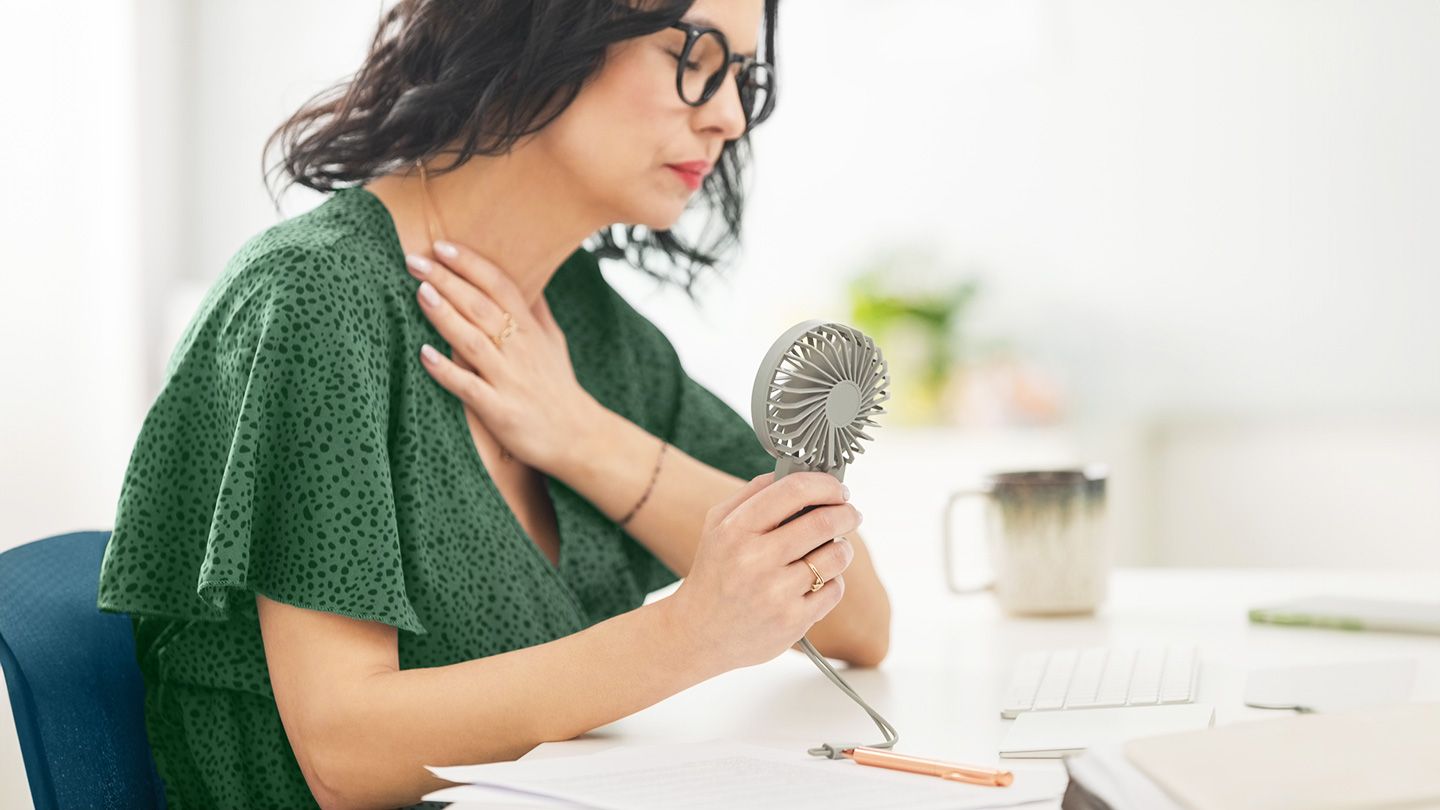

For most people, a little workplace sweat appears after climbing the stairs, rushing to a meeting, or discovering that the office printer has jammed five minutes before a deadline. For someone with hyperhidrosis, however, sweating can arrive without exercise, hot weather, or an obvious trigger. Hands may become too damp to handle paperwork, underarm marks may appear before the first coffee break, and socks can feel as though they have completed a swimming lesson.
Hyperhidrosis is a medical condition involving excessive, often unpredictable sweating. It commonly affects the underarms, palms, feet, face, or scalp and may occur even in cool conditions or while a person is resting. Beyond physical discomfort, it can interfere with concentration, professional interactions, equipment handling, clothing choices, and confidence at work.
The good news is that workplace sweating does not have to control every presentation, handshake, commute, or carefully selected pale-blue shirt. A combination of practical preparation, environmental adjustments, stress-management strategies, and medical treatment can make the workday significantly more manageable.
Understand What Kind of Sweating You Are Managing
Primary focal hyperhidrosis usually causes excessive sweating in specific areas, such as both palms, both feet, the underarms, or the face. It often begins earlier in life and is not caused by another medical condition. Secondary hyperhidrosis develops because of an underlying condition, medication, hormonal change, substance use, infection, or another identifiable factor. It may affect larger areas of the body and can begin more suddenly.
This distinction matters because treating secondary hyperhidrosis often begins with addressing its cause. Thyroid disorders, low blood sugar, menopause, certain neurologic conditions, infections, and medications are among the possibilities a healthcare provider may investigate. Blood, urine, or other tests may be recommended when the sweating pattern suggests an underlying problem.
Track Your Workplace Triggers
Keep a simple sweat diary for two or three weeks. Record where the sweating occurs, how severe it becomes, what you were doing, what you ate or drank, the room temperature, and whether you felt rushed or anxious. You may discover that your symptoms spike after a large coffee, during afternoon presentations, while wearing a particular uniform, or when working near heat-producing machinery.
Common aggravating factors include caffeine, alcohol, spicy foods, emotional stress, warm temperatures, physical exertion, and certain medicines. Not every trigger affects every person, so the goal is not to ban everything enjoyable from your life. It is to identify the repeat offenders. Your morning espresso may be innocent; the triple-shot version may be conducting a tiny sauna experiment.
Prepare Before the Workday Begins
Apply Antiperspirant at the Right Time
Antiperspirant and deodorant perform different jobs. Deodorant helps control odor, while antiperspirant reduces the amount of sweat that reaches the skin. For mild symptoms, an over-the-counter antiperspirant may be enough. More persistent hyperhidrosis may require a prescription-strength product containing aluminum chloride.
Application technique matters. Dermatologists commonly recommend applying antiperspirant to completely dry skin before bedtime, when sweat production is lower. Once symptoms improve, the product may only be needed once or twice a week for maintenance. Applying it to wet, freshly shaved, or irritated skin can increase stinging, so follow the product instructions and ask a clinician about irritation rather than attempting to prove that your armpits are tougher than chemistry.
Create a Sweat-Smart Clothing System
Choose clothing based on airflow, moisture management, color, and the realities of your job. Light cotton, wool, silk, and breathable mesh can improve ventilation during ordinary office work, while moisture-wicking performance fabrics may be more practical for active jobs. Darker colors, patterned fabrics, jackets, and absorbent underlayers can make sweat marks less noticeable.
Consider buying duplicates of dependable work outfits or uniform pieces. Changing into an identical shirt halfway through the day is far less noticeable than spending the afternoon strategically holding a folder under one arm. Employees with sweaty feet may benefit from rotating shoes, using moisture-managing socks, and bringing a fresh pair of socks to work.
Pack a Small Workday Emergency Kit
A discreet hyperhidrosis kit can prevent a manageable situation from becoming an all-day distraction. Useful items may include:
- A spare shirt, undershirt, pair of socks, or uniform top
- A sealable bag for damp clothing
- A clean absorbent handkerchief or microfiber cloth
- Antiperspirant or prescribed topical medication
- Fragrance-free body wipes
- A small towel or cooling cloth
- Blotting papers for facial sweating
Store the kit in a desk drawer, locker, vehicle, or work bag. The purpose is not to carry a mobile bathroom cabinet. It is to have two or three reliable tools available before an important meeting or customer interaction.
Control Your Immediate Work Environment
Build a Cooler Microclimate
A cooler workstation may reduce heat-triggered sweating and improve comfort. Depending on workplace rules, options include a small desk fan, improved air circulation, a seat away from direct sunlight, a cooling cloth, or access to an air-conditioned recovery area. Employees working near ovens, furnaces, machinery, loading docks, or outdoor heat should treat cooling as a safety issue rather than merely a cosmetic preference.
NIOSH notes that environmental heat, physical exertion, limited air movement, clothing, and personal protective equipment can increase heat stress. Sweaty palms, fogged safety glasses, dizziness, fatigue, and loosened protective equipment may also contribute to workplace injuries.
Do Not Reduce Water Intake to Reduce Sweat
Drinking less water is not a safe sweat-control strategy. Sweating removes fluid from the body, and dehydration increases the risk of heat-related illness. Workers in hot environments should have access to cool drinking water, appropriate rest periods, and a cooler location in which to recover. OSHA also advises workers not to wait until they feel thirsty before drinking.
If you work in prolonged heat, wear impermeable protective clothing, or perform strenuous labor, follow your employer’s heat-safety plan. Symptoms such as confusion, faintness, severe weakness, or unusual behavior require prompt action and may indicate heat illness.
Manage Sweaty Hands During Office Tasks
Palmar hyperhidrosis can complicate typing, writing, touchscreen use, tool handling, fingerprint scanning, and handshakes. Keep an absorbent cloth near your keyboard and dry your hands before handling shared documents or delicate equipment. A removable keyboard cover or washable mouse surface may be useful when permitted by your employer.
Before a meeting, hold a cool water bottle or briefly rinse your hands with cool water, then dry them thoroughly. For introductions, a friendly verbal greeting, small wave, fist bump, or immediate transition to the agenda can replace a handshake when appropriate. Most people are thinking about their own introduction, not conducting a moisture audit of yours.
For persistent hand or foot sweating, iontophoresis may be discussed with a dermatologist. This treatment passes a mild electrical current through water while the hands or feet are submerged. Treatment is usually repeated initially and then continued on a maintenance schedule. Possible adverse effects include irritation, dryness, tingling, and, when used incorrectly, mild burns.
Prepare for Meetings, Interviews, and Presentations
Arrive Early Enough to Cool Down
Rushing can combine physical heat with emotional stress, producing what might be called the deluxe workplace sweat package. Arrive early, remove outdoor layers, drink water, use the restroom, and allow your body temperature to settle before the meeting begins.
Modify the Presentation Setup
Use a clicker instead of repeatedly touching a laptop trackpad. Keep notes on a podium or table rather than gripping damp index cards. Place a folded cloth beside your water glass. During virtual meetings, position a quiet fan outside microphone range and wear a breathable top that remains professional on camera.
Reduce the Stress-Sweat Cycle
Stress does not cause every case of hyperhidrosis, but anxiety can intensify sweating. Then noticing the sweat increases anxiety, which causes more sweat, and suddenly the nervous system is running a meeting no one invited it to attend.
Before a demanding interaction, try slow breathing, brief meditation, progressive muscle relaxation, or a short walk in a cool area. These techniques do not cure hyperhidrosis, but they may reduce stress-triggered spikes and help you direct attention back to the task.
Discuss Practical Workplace Adjustments
You do not necessarily need to share every medical detail with coworkers. However, a private conversation with a supervisor, human resources representative, or occupational health professional may be useful when excessive sweating affects safety, attendance, required clothing, equipment use, or job performance.
Ask for a specific adjustment rather than simply saying, “The office makes me sweat.” Depending on the job, helpful requests might include:
- Permission to use a desk fan or move to a cooler workstation
- A breathable alternative to part of the required uniform
- Short breaks to cool down, dry off, or change clothing
- Access to a private changing space
- Flexible scheduling during periods of extreme heat
- Remote work for suitable duties
- Additional moisture-safe grips, gloves, or equipment covers
Whether hyperhidrosis qualifies for legal accommodation depends on the circumstances, the degree of limitation, applicable law, and the essential functions of the job. The Job Accommodation Network notes that employers may consider adjustments such as modified temperature, flexible dress requirements, fans, modified breaks, and remote work for qualifying temperature-related limitations. A clinician’s documentation may help explain the functional problem without disclosing unnecessary personal information.
Consider Medical Treatment When Daily Strategies Are Not Enough
See a primary care clinician or dermatologist when excessive sweating disrupts work, social activity, sleep, clothing choices, or emotional well-being. Treatment is usually selected according to the body area involved, symptom severity, medical history, and previous response to therapy.
Prescription Topical Treatments
Prescription aluminum chloride is frequently used as an initial treatment for focal hyperhidrosis. Prescription anticholinergic wipes or gels may also be used for excessive underarm sweating. Glycopyrronium medicated cloths, for example, reduce signals that activate sweat glands and must be applied exactly as directed to clean, dry, intact underarm skin. Hands should be washed afterward, and the medication should be kept away from the eyes.
Botulinum Toxin Injections
Botulinum toxin injections temporarily block the nerve signals that activate sweat glands. Dermatologists use them for areas including the underarms, hands, feet, and face. Benefits are temporary, and repeat treatment may be necessary. Injection-site pain, bruising, headache, or localized muscle weakness can occur, so treatment should be performed by a qualified medical professional.
Oral Medication
Oral anticholinergic medicines such as glycopyrrolate or oxybutynin may be considered when several body areas are affected or other treatments have not provided enough relief. Side effects can include dry mouth, constipation, drowsiness, blurred vision, dilated pupils, and difficulty emptying the bladder.
Because these medicines reduce sweating throughout the body, they can also make it harder to cool down in hot conditions. This is especially important for outdoor workers, athletes, kitchen employees, warehouse staff, and anyone wearing heat-trapping protective gear. These medications should only be used under medical supervision.
Procedures and Surgery
For severe underarm hyperhidrosis, clinicians may discuss procedures that use microwave energy or other technologies to damage sweat glands. Surgery, including sweat-gland removal or sympathectomy, is generally reserved for severe cases that have not improved with less invasive treatment. Sympathectomy can cause compensatory sweating in other parts of the body, so its risks and potential benefits require careful discussion.
Know When Excessive Sweating Needs Prompt Evaluation
Schedule a medical appointment if sweating begins suddenly, occurs regularly at night, becomes generalized, causes unexplained weight loss, follows a medication change, or substantially interferes with daily activities. Seek immediate medical care when heavy sweating occurs with chest pain, nausea, lightheadedness, shortness of breath, fainting, or a rapid pounding heartbeat. These symptoms may signal a condition more urgent than hyperhidrosis.
Conclusion
Managing hyperhidrosis at work is rarely about finding one magical shirt, wipe, gadget, or breathing exercise. The most effective plan usually combines several layers: correctly applied antiperspirant, breathable clothing, a backup kit, cooling strategies, trigger awareness, realistic workplace adjustments, and professional medical care when needed.
Excessive sweating is not a failure of confidence, hygiene, or professionalism. It is a recognized medical problem that can affect occupational performance and emotional health. With experimentation and appropriate treatment, many workers can spend less energy hiding sweat and more energy doing what they were hired to dowhich, fortunately, is probably not pretending the conference room is located inside a rainforest.
Workplace Experiences: What Successful Management Can Look Like
The following examples are composites designed to illustrate common workplace challenges and practical responses.
The Office Presenter With Sweaty Palms
Jordan worked in sales and regularly delivered product demonstrations. The technical portion of the job was easy; the five minutes before each presentation were not. His palms became so wet that paper notes curled at the edges, and the thought of shaking hands made him more nervous. That nervousness increased the sweating, creating a loop that felt impossible to interrupt.
Instead of trying to eliminate every drop of sweat, Jordan redesigned his routine. He arrived 15 minutes early, carried digital notes on a tablet, used a presentation remote, and kept a small cloth beside his water glass. He also began greeting clients with direct eye contact and an enthusiastic verbal welcome instead of automatically extending his hand. After discussing the symptoms with a dermatologist, he started a treatment plan for palmar hyperhidrosis. The practical changes did not make him a different salesperson. They simply removed several unnecessary obstacles between him and the work he already knew how to do.
The Employee Managing Underarm Sweat
Maya worked in a client-facing financial office with a business-professional dress code. Light-colored blouses looked polished at 8:00 a.m. and betrayed her by 8:17. She began wearing heavy jackets throughout the year, even when the office was warm, which made the sweating worse.
Her improvement came from treating clothing as a system rather than a disguise. She applied her antiperspirant to dry skin at night, switched to breathable patterned tops, used absorbent undershirts, and kept an identical blouse in a garment bag at work. She also asked to move her desk away from a sunny window. None of these changes completely cured the problem, but together they made it predictable. Once she knew she had a backup plan, she stopped checking her underarms every time she passed a reflective surface.
The Warehouse Worker in Heat and Protective Gear
Carlos worked in a warehouse where summer heat, physical labor, safety gloves, and protective clothing intensified his symptoms. His first instinct was to drink less water because he assumed less water would mean less sweat. Instead, he developed headaches and felt lightheaded late in his shifts.
After speaking with the safety supervisor, he adopted the workplace heat plan more consistently. He drank water regularly, used scheduled cooling breaks, changed damp gloves when safety rules permitted, and rotated to a cooler task during the hottest part of the afternoon. He also sought medical advice before trying prescription medication because reducing his ability to sweat could increase heat risk in his job. His experience highlights an important distinction: in a hot workplace, managing visible sweat must never take priority over the body’s need to cool itself.
The Remote Worker Who Still Struggled
Priya expected working from home to solve her facial hyperhidrosis. It removed the commute but introduced a new challenge: video meetings made her intensely aware of every bead of sweat. She positioned herself close to the camera, used bright lights, and wore makeup that felt increasingly uncomfortable as meetings continued.
She adjusted the setup by moving the lights farther away, improving airflow, keeping a cool cloth nearby, and scheduling five-minute buffers between calls. She stopped using the self-view window after confirming her framing, which reduced the temptation to monitor her face constantly. She also began recording patterns and learned that large amounts of caffeine before afternoon meetings made symptoms worse. The biggest change was not perfect dryness. It was realizing that coworkers were paying attention to her ideas rather than studying her forehead in high definition.
These experiences show that progress often comes from solving one concrete workplace problem at a time. A person may begin with a better antiperspirant, a spare shirt, a cooler desk, safer break timing, or a medical appointment. Small changes accumulate. Eventually, the workday can become a schedule of tasks again rather than an eight-hour strategy for hiding perspiration.
Note: This article provides general educational information and is not a substitute for diagnosis, treatment, workplace-safety guidance, or individualized advice from a licensed healthcare professional.