
A 5,500-year-old stone tomb in Sweden contained infants, adults, and elderly people. What it barely contained were skulls and major limb bonesand that anatomical vanishing act may reveal how Neolithic communities treated their dead.
Archaeologists expect ancient tombs to raise uncomfortable questions. Who was buried here? How did they die? Were they relatives, neighbors, leaders, or the unfortunate victims of a prehistoric disagreement over property lines?
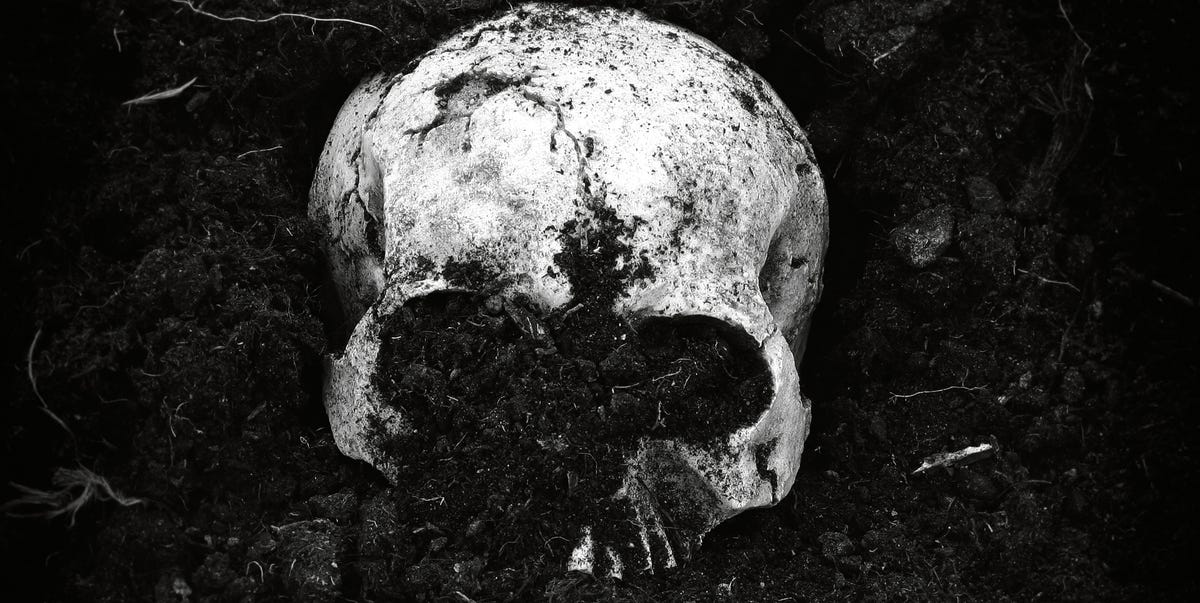
The Early Neolithic tomb at Tiarp Backgården, however, delivered a stranger question: Where did everyone’s head go?
The stone burial chamber, located near Falköping in southwestern Sweden, dates to approximately 3500 BCE. Researchers recovered human teeth, rib fragments, and numerous bones from hands and feet representing at least 12 people. The dead ranged from newborn infants to elderly adults. Yet skulls, thigh bones, and major arm bones were unusually scarce.
This is not the pattern archaeologists typically see when time, soil, animals, and moisture gradually dismantle a skeleton. Small bones are normally the easiest pieces to lose. At Tiarp, many of the little bones remained while some of the largest and most recognizable parts were gone. Nature may be messy, but it usually does not organize its mess this neatly.
A Tomb From the Dawn of Scandinavian Farming
Tiarp Backgården lies in Falbygden, a fertile area known for its concentration of prehistoric monuments. More than 250 passage graves have been identified in the region, creating one of northern Europe’s most remarkable Neolithic burial landscapes.
The Tiarp tomb is older than most of those monuments. Radiocarbon evidence places its construction around 3500 BCE, approximately 150 to 200 years before the region’s major passage-grave-building phase. That makes it one of the oldest known stone burial chambers in Sweden and among the earliest examples in Scandinavia.
By this period, farming had been present in Falbygden for roughly five centuries. The people associated with the tomb probably cultivated grain, raised livestock, and consumed dairy products. Stable-isotope evidence supports an agrarian lifestyle, although farming likely existed alongside the continued use of local wild resources. The transition was not an overnight software update from “hunter-gatherer” to “full-time farmer.” It was gradual, regional, and complicated.
What Is a Dolmen?
The monument is classified as a simple dolmen: a burial chamber constructed from large upright stones that once supported covering slabs and an exterior mound. Dolmens appeared in many parts of Neolithic Europe and often served as collective tombs used for more than one burial.
Building one required planning, labor, and cooperation. Large stones had to be selected, moved, positioned, and stabilized without cranes, trucks, or a foreman holding a clipboard and asking why everyone was behind schedule.
The Tiarp chamber also has a small niche at each end, a design feature not known from the region’s later passage graves. Its architecture suggests that the builders participated in wider northern European megalithic traditions while still making distinctly local choices.
What Archaeologists Found Inside
The site had been known since 1929, but later investigations indicated that the burial deposit was substantially intact. Archaeologists from the University of Gothenburg, Lund University, and Kiel University conducted a detailed excavation in 2023, using modern documentation and sampling methods.
Osteological analysis identified remains from at least 12 individuals. The chamber included people from several age groups rather than a collection limited to adult men, elite leaders, or one narrow category of the population.
The surviving material included:
- Numerous bones from hands and feet
- Teeth and dental fragments
- Fragments of ribs and other skeletal elements
- Remains of infants, children, adults, and elderly people
- Very few skulls, femurs, and major arm bones
The abundance of small hand and foot bones is particularly important. Those bones can become separated easily when decomposed remains are collected and transferred. Their presence suggests that at least some bodies may originally have been placed in the chamber relatively complete.
In other words, the tomb does not appear to have received only a carefully selected bundle of miscellaneous bones. Complete bodies may have decomposed there before someone deliberately removed or rearranged particular skeletal elements.
Why the Missing Skulls Are So Unusual
Archaeological bone assemblages are shaped by taphonomy, the collection of processes affecting remains after death. Soil chemistry can dissolve bone. Water can move fragments. Burrowing animals can scatter them. Roots can damage them, later people can disturb them, and excavation practices from earlier centuries can make matters worse.
None of those explanations can be dismissed automatically at Tiarp. The bones are fragmented, and thousands of years have passed. Still, ordinary preservation problems do not fully explain the anatomical pattern.
If acidic soil alone had destroyed the skeletons, researchers would not expect delicate toe and finger bones to survive while dense femurs and substantial cranial portions disappeared so consistently. If animals had dragged bones away, the distribution would probably be less selective. If recent looters had entered, signs of disturbance would likely remain.
The excavation team concluded that the chamber had probably remained undisturbed since prehistoric times. That makes deliberate ancient removal a serious possibility.
This Does Not Automatically Mean Violence
A tomb missing skulls sounds like the opening scene of a horror movie in which one archaeologist ignores several excellent opportunities to leave. The surviving bones, however, did not display clear evidence of lethal trauma.
Researchers found no injuries indicating that the people had been massacred or decapitated during a violent event. That does not reveal their causes of death, but it weakens the most sensational interpretation.
The missing elements may therefore represent a funerary practice rather than punishment, warfare, or execution. Ancient communities often interacted with human remains in ways that do not fit modern expectations of burial as a one-time, permanent event.
The Leading Explanations for the Vanished Bones
1. The Skulls Were Removed During a Burial Ritual
One possibility is that mourners returned after decomposition and selected skulls and long bones for ceremonial purposes. These body parts are large, durable, and visually recognizable. A skull immediately represents a person in a way that a loose ankle bone generally does not.
Skulls may have been displayed, carried during gatherings, deposited at another sacred location, or kept within settlements. Archaeologists have documented the deliberate handling and relocation of human bones at various prehistoric European sites.
Such comparisons show that the behavior was possible, not that every missing skull had the same destination. Tiarp did not come with a ritual instruction manual tucked under a capstone.
2. The Dead Had a Long, Multi-Stage Funeral
Modern Western funerals often move quickly from death to burial or cremation. Neolithic funerary practices could unfold over months or years. A body might be placed in a chamber, allowed to decompose, revisited, reorganized, and eventually incorporated into a collective deposit.
Under this model, burial was a process rather than a single event. Returning to the tomb may have renewed relationships among the living, the dead, and the land occupied by the community.
Removing certain bones could have marked the end of one stage. The skull or femur might then have entered another ritual setting while smaller bones remained in the shared chamber.
3. Ancestors May Have Remained Socially Active
Collective tombs can do more than store bodies. They can materialize ancestry. By placing generations together inside a durable stone monument, a community creates a physical claim about continuity: our people lived here, our dead remain here, and this landscape belongs to our history.
Selected bones might have allowed ancestors to participate symbolically in ceremonies or negotiations outside the tomb. A curated skull could represent a family line, a founding figure, or a connection to particular territory.
This interpretation is plausible, but the identities and social roles of the people at Tiarp remain unknown. Archaeologists must be careful not to turn an intriguing pattern into a confident prehistoric biography.
4. The Chamber Was Reorganized Repeatedly
Collective tombs can become crowded. Later burials may require older remains to be moved aside, stacked, sorted, or removed. Large bones are easy to recognize and handle, making them logical targets during efforts to create space.
Repeated rearrangement could explain why certain elements left the chamber even if their removal was partly practical. In prehistoric ritual, however, practical and symbolic actions were not necessarily separate. Making room for a new burial could also reinforce ideas about genealogy and community membership.
What DNA and Isotope Testing May Reveal
The Tiarp bones contain well-preserved genetic material, giving researchers an opportunity to investigate biological relationships among the people in the chamber. Ancient DNA may reveal whether the tomb served one extended family, several unrelated households, or a broader community.
DNA can also help identify biological sex and genetic ancestry. In favorable circumstances, researchers may detect pathogens, although the presence or absence of disease must be interpreted cautiously. Not every infection leaves a readable genetic calling card after five and a half millennia.
Stable-isotope analysis adds another layer. Carbon and nitrogen isotope values can provide evidence about diet, while strontium isotopes may indicate whether individuals grew up locally or moved into the region. Together, these methods can address questions that bones alone cannot answer:
- Were the deceased closely related?
- Did children and adults eat similar foods?
- Were some individuals migrants?
- Was access to the tomb inherited through family lines?
- Did burial customs change over the monument’s period of use?
Even excellent DNA will not directly explain why the skulls disappeared. Genetics can identify relationships; it cannot replay the funeral. The ritual explanation must still be reconstructed from anatomy, architecture, chronology, and comparisons with other sites.
Why Tiarp Matters Beyond Its Missing Skulls
The headline-worthy mystery should not overshadow the monument’s broader importance. Tiarp captures a transformative period in Scandinavian history when farming communities were establishing new relationships with food, property, ancestry, and place.
Constructing a stone tomb signaled permanence. Crops could fail and wooden buildings could rot, but a megalithic chamber could outlast generations. It provided a visible center where the living could gather and where selected dead became part of a shared social memory.
The tomb also helps connect Falbygden with a wider zone of early megalithic construction extending through southern Scandinavia and northern Central Europe. Similar building traditions appeared across considerable distances at approximately the same time. Ideas, practices, and perhaps people were moving through prehistoric networks long before anyone could complain about airport delays.
At the same time, Tiarp was not a carbon copy of monuments elsewhere. Its unusual niches and distinctive bone pattern point to regional choices. Early European farming communities shared broad traditions while adapting them to local landscapes and beliefs.
An Evidence-Based Experience: Entering the World of the Tiarp Tomb
Imagine approaching the excavation before the burial chamber has fully emerged. From a distance, the site does not resemble a movie tomb filled with golden masks and dramatically placed torches. It looks like an organized wound in an ordinary Swedish field: exposed soil, measuring tapes, buckets, tools, and people moving with exaggerated care.
The slowness is the first thing you would notice. Archaeology is less like treasure hunting and more like performing surgery on a landscape while keeping extremely detailed paperwork. Soil is removed in controlled layers. Every stone matters. Every fragment receives a location. A tiny tooth may answer a question that a giant capstone cannot.
As the chamber becomes visible, its age is difficult to process. The people who built it lived before the pyramids of Giza and long before Stonehenge reached its famous final form. They had no written language to explain their intentions. The monument is their surviving statement, but it speaks in stones, soil stains, and anatomical patterns.
Then the bones begin to form a puzzle. A finger bone appears. A tooth follows. There are fragments of ribs and the fragile remains of very young individuals. The material confirms that this was not one person’s grave. Generations or multiple households may have entered the chamber.
Yet expected bones fail to appear. A collective tomb containing at least 12 people should produce substantial cranial material and numerous long bones. Instead, excavation trays fill with smaller elements. The absence becomes almost physical. Archaeologists are trained not to treat “nothing” as automatic evidence, but repeated nothing in the right pattern can become highly informative.
The emotional experience would also be complicated. These are scientific materials, but they are human remains. Each fragment belonged to a person who ate, worked, became ill, aged, or died young. An infant’s bone does not become less affecting because it is 5,500 years old.
There is also the discipline of resisting a good story. Missing skulls invite instant explanations: enemies took them, priests displayed them, or relatives kept them at home. Any of those ideas might produce a magnificent documentary trailer. None is proven by the evidence presently available.
The responsible experience of Tiarp is therefore one of controlled uncertainty. You can stand beside one of Scandinavia’s earliest stone tombs and know remarkable things. At least 12 people were buried there. They belonged to an early farming society. Bodies were probably placed in the chamber with hands and feet intact. Major bones later disappeared through an unusual process that may have involved deliberate human action.
Beyond that boundary, certainty fades. The skulls may have become ritual objects, traveled to another monument, circulated among descendants, or been removed while the chamber was reorganized. Perhaps future DNA, isotope, and microscopic evidence will narrow the possibilities. Perhaps the central mystery will survive.
That unresolved feeling is not a failure of archaeology. It is one of the field’s most honest experiences. The excavation has recovered part of a conversation between the living and the dead, but only one side remains audible. The stones and bones give us the grammar. The missing skulls leave us searching for the final sentence.
Conclusion: The Missing Bones Are the Most Important Evidence
The Tiarp Backgården excavation reveals far more than a creepy case of missing skulls. It documents one of Scandinavia’s earliest megalithic tombs, a collective burial containing people of many ages, and a community living through the spread of agriculture in northern Europe.
The selective absence of skulls and large limb bones suggests that death did not end a person’s role within Neolithic society. Bodies may have been revisited, rearranged, and divided as part of rituals linking ancestors, families, and territory.
For now, archaeologists cannot say where the bones went or exactly why they were removed. That uncertainty should remain in the story. The most fascinating interpretation is not always the most accurate one, and prehistoric people deserve better than being turned into horror-movie extras merely because they left us an excellent mystery.
The tomb has been opened. Its occupants have begun to tell their story. Unfortunately, some of the most talkative-looking witnessestheir headsleft the scene thousands of years ago.