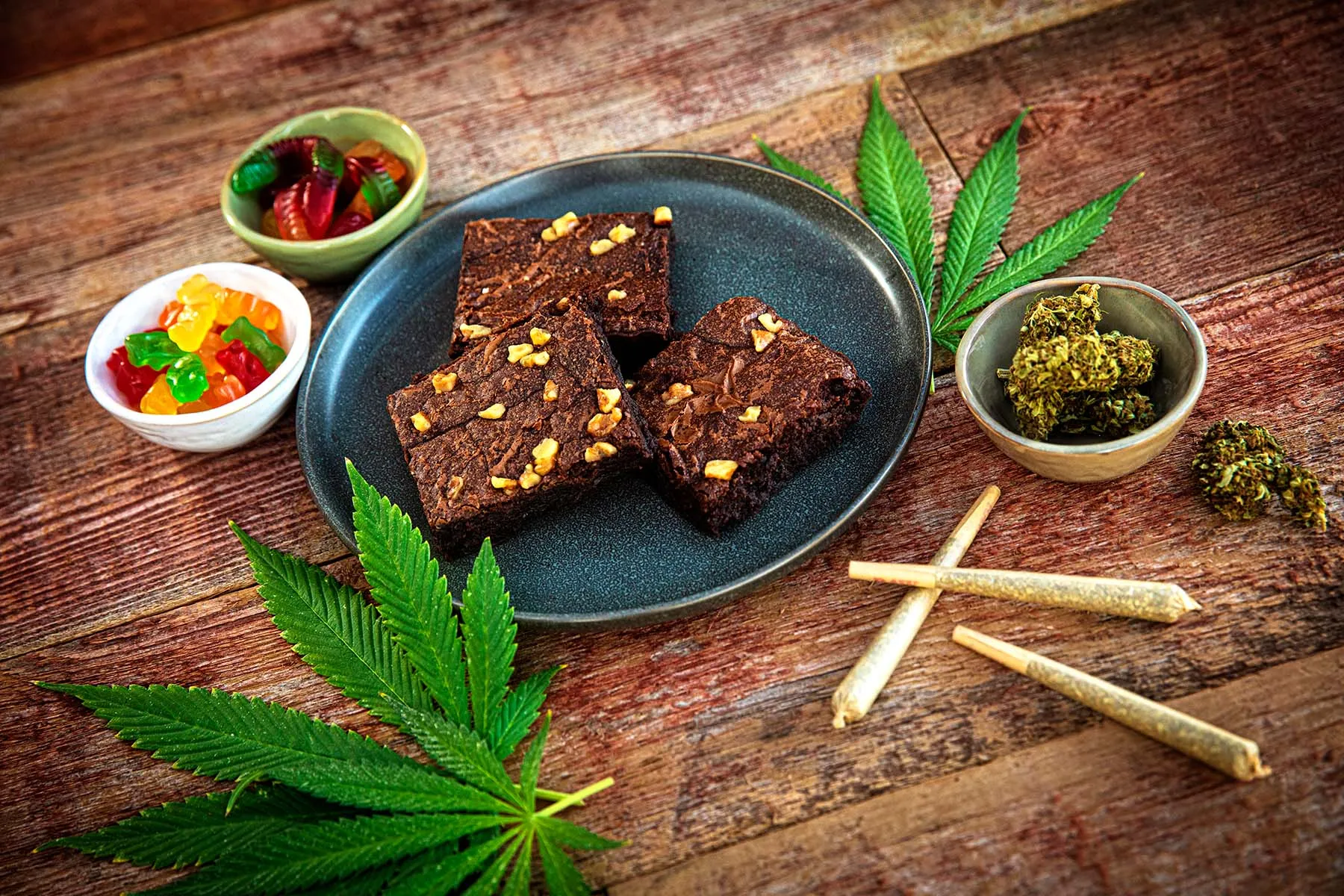

Marijuana can make music feel richer, snacks seem unusually important, and five minutes feel like a small geological era. Behind those familiar effects, however, cannabis produces real changes in the brain, heart, lungs, digestive system, coordination, mood, and behavior.
The effects are not identical for everyone. They depend on the amount of tetrahydrocannabinol, or THC, the product’s strength, how it is consumed, how often it is used, a person’s age and health, and whether alcohol, medications, or other drugs are involved.
Some adults use cannabis recreationally, while others use cannabinoid products for symptoms such as pain, nausea, or sleep problems. That does not make every product equally effective or safe. “Natural” describes where something came from; it is not a safety certificate. Poison ivy is natural too, and nobody is putting that in a wellness smoothie.
Note: This article provides general health information and is not a substitute for medical advice, diagnosis, or treatment. Anyone who is pregnant, breastfeeding, taking prescription medication, managing a heart or mental health condition, or considering cannabis for medical purposes should speak with a qualified healthcare professional.
How Marijuana Interacts With the Body
THC, CBD, and the endocannabinoid system
Cannabis contains numerous biologically active compounds known as cannabinoids. THC is the main intoxicating cannabinoid. It can alter perception, memory, mood, coordination, and judgment. Cannabidiol, better known as CBD, does not produce the same high, but it is not biologically inactive. CBD can cause side effects, interact with medications, and, at sufficiently high doses, affect the liver.
THC works largely by interacting with cannabinoid receptors that are part of the body’s endocannabinoid system. This system helps regulate functions such as appetite, pain processing, stress responses, memory, movement, and sleep. When THC activates these receptors, it changes normal signaling. The result may feel relaxing or euphoric to one person and dizzy, anxious, confused, or disorienting to another.
Evidence synthesis: CDC, NIDA, NCCIH, and FDA.
Short-Term Effects of Marijuana on the Body
Brain, memory, and attention
Recent marijuana use can affect attention, short-term memory, learning, decision-making, and the perception of time. A person may lose track of a conversation, reread the same sentence repeatedly, or become convinced that an ordinary thought is a philosophical breakthrough.
These effects are not merely comic inconveniences. They can interfere with school, work, cooking, caregiving, and any activity that requires accurate judgment. THC can also impair reaction time, balance, and fine motor coordination.
That matters when driving, cycling in traffic, swimming, operating machinery, climbing a ladder, or handling hot cookware. A person may feel capable while performing less accurately than usual, which is an especially risky combination.
Mood and perception
Some people experience relaxation, euphoria, laughter, or intensified sensory experiences. Others develop anxiety, panic, suspiciousness, or paranoia. High-THC products, large doses, unfamiliar surroundings, and a personal or family history of certain mental health conditions may increase the likelihood of an unpleasant reaction.
At high doses, marijuana can cause severe confusion, hallucinations, delusional thinking, or temporary psychosis. These reactions may require medical attention when a person becomes extremely agitated, cannot distinguish reality from imagination, behaves dangerously, or cannot be kept safe.
Brain and mental-health effects: CDC, NIDA, SAMHSA, and Mayo Clinic.
Heart rate and circulation
Marijuana can make the heart beat faster and may raise blood pressure shortly after use. Some people notice pounding, fluttering, dizziness, or a sense that their heart has suddenly joined a percussion section.
For a healthy young adult, these effects may be temporary. For someone with coronary artery disease, an irregular heartbeat, uncontrolled blood pressure, or a history of stroke, the additional cardiovascular stress may be more concerning.
Observational research has found associations between cannabis use and cardiovascular events such as heart attack and stroke, particularly with frequent use. Researchers are still working to separate the effects of THC from smoke exposure, tobacco use, underlying health conditions, and other factors. The reasonable conclusion is not that every exposure guarantees a heart problem, but that cannabis should not be treated as cardiovascularly neutral.
Cardiovascular effects: CDC and American Heart Association.
Eyes, mouth, and appetite
Common physical effects include red or dry eyes, dry mouth, dizziness, drowsiness, and increased appetite. The famous “munchies” are related to cannabinoid signaling that influences appetite and the reward value of food.
Increased appetite may be useful in certain medical settings, but it can also encourage overeating. A family-size bag of chips remains family-size even when the brain begins negotiating otherwise.
Digestive effects
Marijuana may reduce nausea in some medical situations, yet it can also cause nausea and vomiting. Long-term, frequent use can lead to cannabinoid hyperemesis syndrome, or CHS, a condition involving repeated episodes of severe nausea, abdominal pain, and vomiting.
People with CHS may take frequent hot showers because heat temporarily eases their symptoms. Continued vomiting can cause dehydration, kidney stress, and electrolyte problems, so persistent or recurring symptoms require medical evaluation.
Common side effects and cannabinoid hyperemesis syndrome: Mayo Clinic.
How the Method of Use Changes the Effects
Smoking marijuana
Smoking delivers THC to the bloodstream quickly, so effects may begin within minutes. The speed makes it easier to notice intoxication before consuming much more, but the smoke itself is harmful.
Marijuana smoke contains many of the same toxins and irritants found in tobacco smoke. Regular smoking is associated with cough, phlegm, wheezing, airway irritation, and chronic bronchitis symptoms.
Holding smoke in the lungs does not turn the lungs into a THC savings account. It mainly increases exposure to combustion products. People with asthma, chronic bronchitis, emphysema, immune suppression, or other respiratory conditions may be especially vulnerable.
Vaping and concentrates
Vaping avoids burning plant material, but “not smoke” does not automatically mean “safe.” Cannabis oils and concentrates can contain very high THC levels, making accidental overconsumption more likely.
Contaminants, additives, device temperatures, and inconsistent manufacturing may create additional risks. Concentrates used for dabbing can produce an intense dose rapidly, increasing the chance of panic, vomiting, severe impairment, or an accident.
Edibles
Edibles usually take longer to produce noticeable effects because THC must pass through digestion and liver metabolism. The delay encourages a classic mistake: someone eats one serving, feels nothing, eats more, and then discovers that both servings were simply waiting for the same elevator.
Edible effects can be stronger, less predictable, and longer-lasting than expected. Serving sizes may be smaller than the entire package, and homemade products may distribute THC unevenly.
Edibles should be stored in locked, child-resistant packaging away from ordinary food. Gummies, cookies, brownies, and chocolates can look completely normal to children and pets.
Respiratory and edible risks: American Lung Association, Poison Control, and CDC.
Long-Term and Frequent Marijuana Use
Cannabis use disorder
Marijuana can be addictive. Cannabis use disorder occurs when someone continues using despite health, work, school, financial, or relationship problems, or repeatedly tries and fails to reduce use.
Signs may include craving cannabis, using more than intended, spending substantial time obtaining or using it, giving up important activities, needing more to achieve the same effect, and using in hazardous situations.
The CDC reports that approximately three in ten people who use cannabis have cannabis use disorder. Risk is higher among those who start during adolescence and those who use more frequently.
Withdrawal after regular heavy use may include irritability, anxiety, sleep difficulty, reduced appetite, restlessness, low mood, and strong cravings. These symptoms are generally not as medically dangerous as severe alcohol or sedative withdrawal, but they can make quitting difficult.
Learning and cognitive performance
Frequent intoxication can repeatedly interfere with memory, concentration, and learning. The long-term picture is complicated because studies must account for age of first use, genetics, mental health, education, sleep, social environment, and other substance use.
Evidence is strongest for concern when regular cannabis use begins during adolescence, while the brain is still developing. Young users may have more difficulty with attention, memory, school performance, and learning new information.
Mental health
Cannabis use is associated with anxiety, depression, suicidal thinking, psychotic episodes, and schizophrenia, but an association does not prove that marijuana directly causes every condition.
The relationship may work in several directions. Cannabis can worsen existing symptoms, people may use it to cope with mental distress, and shared genetic or environmental factors may contribute to both cannabis use and mental illness.
The connection with psychosis is particularly concerning for early, frequent, and high-potency use. Anyone with a personal or family history of psychosis, schizophrenia, or bipolar disorder should discuss cannabis with a clinician instead of assuming a product labeled “calming” will produce a safe psychiatric response.
Dependence, cognition, and mental-health associations: CDC and SAMHSA.
Who Faces Greater Risks?
Teenagers and young adults
The brain continues developing into the mid-20s. Cannabis exposure during adolescence may affect attention, learning, memory, and the development of important brain connections. Starting young is also associated with a greater risk of cannabis use disorder.
This does not mean every teenager who experiments will experience permanent harm. It means that earlier, heavier, and more frequent use generally shifts the risk in the wrong direction.
Pregnant and breastfeeding people
THC can reach a developing fetus, and cannabis use during pregnancy has been associated with outcomes including lower birth weight and preterm birth. Major U.S. health organizations recommend avoiding marijuana during pregnancy.
Cannabinoids can also pass into breast milk. Because the effects on infants remain uncertain, professional guidance recommends avoiding cannabis while breastfeeding and discussing any use with an obstetric or pediatric healthcare professional.
People with heart, lung, or mental health conditions
Someone with heart disease may be more sensitive to rapid heart rate and blood-pressure changes. Someone with asthma or chronic lung disease may experience worse irritation from smoke or aerosol.
A person with panic disorder, bipolar disorder, or vulnerability to psychosis may be more likely to experience severe psychiatric effects. Individual health history matters more than a friend’s reassuring story.
Older adults and people taking medications
Dizziness, sedation, blood-pressure changes, and impaired balance can increase the risk of falls. Cannabis and CBD products may interact with blood thinners, antiseizure medicines, sedatives, alcohol, and other drugs.
Patients should also tell healthcare professionals about cannabis use before surgery because regular use may affect anesthesia requirements and the risk of complications.
Pregnancy, lactation, medication, and vulnerable-population guidance: ACOG, FDA, and Mayo Clinic.
Medical Marijuana: Potential Benefits and Important Limits
Cannabis research is not a simple contest between “miracle plant” and “dangerous drug.” Certain cannabinoid-based prescription medicines have demonstrated benefits for specific conditions.
The FDA has approved a purified CBD medication for seizures associated with particular rare epilepsy syndromes. It has also approved synthetic or THC-related medicines for chemotherapy-related nausea and vomiting and for appetite or weight-loss problems associated with HIV/AIDS.
Evidence suggests cannabis or cannabinoids may provide small or modest benefits for some types of chronic pain and symptoms related to multiple sclerosis. Benefits vary, side effects are common, and many commercial products have not been tested like prescription medications.
The cannabis plant itself is not FDA-approved as a universal treatment for pain, insomnia, anxiety, cancer, or every condition advertised online. Medical use should involve a defined goal, an appropriate product, and a plan for evaluating benefits, side effects, dosage, and drug interactions.
“I started taking it and now I take it” is not a clinical monitoring strategy.
Medical evidence and approved cannabinoid medicines: NCCIH and FDA.
Marijuana and Driving
Marijuana can slow reaction time, reduce coordination, impair distance judgment, and make divided-attention tasks more difficult. Driving requires all of those abilities at once, usually while other drivers are doing creative things with turn signals.
Feeling relaxed is not the same as being road-ready. Combining marijuana with alcohol can produce greater impairment than either substance alone.
There is no dependable do-it-yourself calculation that converts a THC dose, product label, or number of hours into guaranteed driving safety. Do not drive, cycle in traffic, or operate machinery while impaired. Arrange a sober ride before using, not after judgment has already clocked out.
Driving impairment: NHTSA.
Warning Signs That Need Immediate Help
Seek emergency assistance if a person collapses, has a seizure, has trouble breathing, develops chest pain, cannot be awakened, becomes dangerously confused or violent, or appears likely to harm themselves or someone else.
Severe vomiting, dehydration, fainting, extreme panic, or psychotic symptoms also warrant prompt medical attention.
If a child consumes a cannabis edible, contact Poison Control immediately even when symptoms have not appeared. Children may develop profound drowsiness, vomiting, trouble walking, confusion, abnormal heart rate, low blood pressure, or breathing problems. Waiting for symptoms is not a good experiment.
Poisoning guidance: Poison Control.
Ways to Reduce Marijuana-Related Harm
- Avoid cannabis during pregnancy and breastfeeding.
- Delay cannabis use during adolescence and young adulthood.
- Never drive or operate machinery while impaired.
- Do not combine cannabis with alcohol, sedatives, or other impairing drugs.
- Use extra caution with high-THC concentrates and unfamiliar products.
- With edibles, check the THC amount per serving and allow ample time before considering more.
- Avoid inhaled products if you have asthma or another lung condition.
- Keep every cannabis product locked, labeled, and separate from ordinary food.
- Review cannabis and CBD use with a doctor or pharmacist when taking medication or preparing for surgery.
- Seek help when use becomes difficult to control or begins harming health, relationships, finances, school, or work.
What Marijuana’s Effects Can Feel Like: Experience-Based Scenarios
The following examples are fictional composites based on commonly reported patterns. They are not personal testimonials, and they do not predict how any specific person will respond.
Scenario 1: The edible that “was not working”
An adult at a social gathering eats part of a THC-infused brownie. After 30 minutes, nothing seems different, so the person eats another portion. Later, both doses take effect: racing thoughts, dry mouth, dizziness, a pounding heartbeat, and the conviction that everyone in the room can detect every awkward thought.
The person is not experiencing a moral failure or necessarily “going crazy.” The dose was simply stronger and slower than expected. A calm environment, reassurance, hydration, and observation may help with mild symptoms. Chest pain, fainting, breathing difficulty, severe agitation, or dangerous behavior requires medical care.
Scenario 2: Relaxation gradually becomes reliance
Another person begins using marijuana at night to unwind. At first, one or two evenings a week seem helpful. Months later, use has become daily. Without it, the person feels irritable and sleeps poorly. Weekend plans are skipped, concentration at work slips, and attempts to cut back last only a few days.
The key issue is not whether cannabis is socially accepted. The issue is loss of control and continued use despite consequences, which are common signs of cannabis use disorder. Treatment may include behavioral therapy, motivational counseling, support for anxiety or sleep problems, and help managing withdrawal symptoms.
Scenario 3: The “healthy lungs” assumption
A physically active person smokes marijuana regularly and assumes exercise protects the lungs. Over time, morning cough, mucus, and wheezing become routine.
Fitness may reduce many health risks, but it does not create a force field around airway tissue. Combustion still exposes the lungs to irritants and toxins. A healthcare visit can help evaluate asthma, bronchitis, infection, or another cause, while eliminating smoke exposure gives irritated airways an opportunity to recover.
Scenario 4: Cannabis and an anxious brain
A person uses a high-THC product expecting calm but instead experiences racing thoughts, intense fear, and suspiciousness. The room feels unfamiliar, time seems distorted, and ordinary sounds feel threatening.
A trusted sober person moves them to a quiet place and avoids arguing about what is real. The episode eventually passes, but it provides useful information: the dose, product, or cannabis itself may be a poor fit for that person’s nervous system.
Repeated paranoia, hallucinations, mania, or disconnection from reality deserves professional assessment, especially when there is a personal or family history of serious mental illness.
Scenario 5: The symptom that points to hyperemesis
A long-term daily user develops repeated morning nausea and vomiting. Hot showers provide temporary relief, so the person assumes the problem is food poisoning, stress, or a mysterious stomach disorder. After several emergency visits, cannabinoid hyperemesis syndrome is considered.
The surprising part is that cannabis may once have relieved nausea but now contributes to it. Stopping cannabis is central to recovery. Because repeated vomiting can cause dehydration, kidney stress, and dangerous electrolyte changes, medical supervision is important.
These scenarios illustrate why marijuana experiences vary so widely. Dose, product type, tolerance, health history, surroundings, and expectations all matter. A pleasant experience in one person does not prove safety for another, and a frightening experience should not automatically be dismissed as “just anxiety.”
Paying attention to patterns and being honest with healthcare professionals usually provides more useful information than relying on strain names, social media anecdotes, or a friend who insists that one gummy solved civilization.
Conclusion
Marijuana affects far more than mood. THC can alter memory, attention, coordination, perception, appetite, heart rate, and judgment. Smoking can irritate and damage the airways, edibles can produce delayed and unexpectedly intense intoxication, and frequent use can lead to dependence, psychiatric symptoms, cognitive problems, or cannabinoid hyperemesis syndrome.
Risks are greater for teenagers, pregnant or breastfeeding people, children, people with heart or lung disease, and those vulnerable to psychosis, falls, or medication interactions.
Cannabinoid-based medicines have legitimate uses for selected conditions, but medical potential does not make every cannabis product safe, accurately labeled, or clinically appropriate. The most useful approach is neither panic nor hype. It is informed caution: understand the product, recognize the body’s signals, avoid impaired driving, protect children, discuss medical use with a professional, and seek help when cannabis begins causing harm.