
Some table accessories announce themselves with gold trim, elaborate embroidery, or enough decorative enthusiasm to compete with the dinner. Fog Linen placemats take the opposite approach. Quiet, textured, practical, and deliberately understated, they represent the kind of design that makes a dining table look better without appearing to have tried terribly hard.
Fog Linen Work is known for bringing Japanese design sensibility to everyday household objects, especially linen goods intended to be used rather than kept in a cabinet waiting for an imaginary royal visit. Its linen placemats typically combine simple rectangular proportions, natural colors, restrained stripes or checks, and the wonderfully imperfect texture that makes real linen so appealing. Current U.S. product listings describe models made from 100% linen, generally measuring about 14 by 18 inches, with gentle cool washing and low-temperature or line drying recommended. Because some versions are sold unwashed, the brand also advises buyers to expect approximately 10% to 15% shrinkage.
That may sound like a lot of information for something whose basic job is to sit underneath a plate. Yet a good placemat does more than wait patiently for spaghetti sauce to happen. It protects the tabletop, organizes each place setting, introduces texture, and creates a visual frame around plates, flatware, and glassware. Fog Linen placemats do all of that with an unusually relaxed personality.
What Makes Fog Linen Placemats Distinctive?
A Design Philosophy Built Around Everyday Use
The appeal of Fog Linen Work lies in the marriage of usefulness and visual restraint. Founder Yumiko Sekine has approached household textiles as multitasking objects rather than precious decorations, an idea visible across the brand’s linen kitchen and dining collections. The result is a style that feels influenced by Japanese minimalism but never sterile. A Fog Linen placemat may be neutral, striped, checked, or softly patterned, yet it rarely screams for attention.
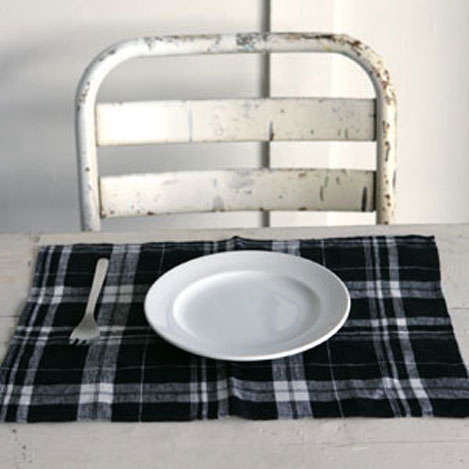
This makes the placemats unusually adaptable. A natural linen version can sit beneath white stoneware for a warm minimalist table. A gray-and-white stripe can sharpen a modern breakfast setting. An ivory and navy plaid can add pattern without turning dinner into a costume party. The textile works as a background player, and good background players are often the reason the whole production succeeds.
Real Linen With Real Texture
Fog Linen placemats are made from linen rather than a fabric merely designed to imitate its appearance. Linen is produced from flax fibers and is valued in household textiles for its strength, absorbency, distinctive texture, and ability to develop a softer hand through repeated use. In table linens, that combination creates a useful balance: the fabric feels refined enough for guests but casual enough for Tuesday-night pasta.
The natural irregularities are part of the attraction. Unlike a perfectly smooth synthetic mat, linen can display subtle slubs, wrinkles, and variations in texture. Those characteristics give the table depth. They also mean that the placemat does not need to look freshly pressed to look intentional. Linen is one of the rare materials that can arrive slightly rumpled and somehow make everyone else in the room feel underdressed.
A Practical Size for Everyday Place Settings
Many Fog Linen placemats are approximately 14 by 18 inches, a familiar rectangular size that provides room for a dinner plate while leaving space for utensils and a glass nearby. That proportion is useful on both dining tables and smaller breakfast tables because it defines an individual setting without covering the entire surface.
Traditional table-setting guidance places the dinner plate near the center of the placemat, with flatware arranged around it according to the formality of the meal. A simple mat therefore acts as a visual organizer. Even a bowl of takeout noodles can look suspiciously well planned once it has been centered on linen.
Why Linen Placemats Work So Well on a Dining Table
They Add Softness Without Hiding the Table
A tablecloth creates a complete textile layer. A placemat is more selective. It gives each diner a soft, defined zone while allowing wood, stone, glass, or another tabletop material to remain visible. This is particularly useful when the table itself contributes to the room’s character.
Fabric also changes how a table feels. Hard surfaces, ceramic plates, flatware, and glass can create a visually and acoustically sharp environment. Linen introduces softness and texture between those materials. Design publications have noted that table linens can make dining spaces feel warmer and more intimate, while contemporary tabletop styling frequently relies on layered natural textures rather than rigid matching sets.
They Can Move From Breakfast to Dinner
One of the strongest qualities of neutral linen placemats is versatility. The same natural mat can support:
- a coffee mug and toast on a weekday morning;
- handmade ceramics and a salad for lunch;
- white dinnerware, wine glasses, and candles for guests;
- seasonal greenery during the holidays;
- bright napkins and flowers for summer entertaining.
Editors testing and comparing modern placemats consistently emphasize a combination of size, construction, visual versatility, table protection, and ease of care. Linen earns attention because it provides an organic, relaxed appearance that works across many styles, even though it requires more thoughtful laundering than wipe-clean synthetic mats.
They Age Rather Than Simply Wear Out
Fog Linen Work describes its linen placemats as becoming softer with washing. That gradual change is central to the appeal of linen. A new placemat may initially feel relatively crisp, but use and laundering can relax the fibers and create a more familiar hand over time.
This aging process suits the brand’s understated aesthetic. A slightly softened edge or natural wrinkle does not necessarily make the placemat look tired. Instead, it can make the textile feel lived in. The goal is not eternal showroom perfection. The goal is a table that looks good while actual people eat at it.
How to Style Fog Linen Placemats
For a Minimalist Everyday Table
Start with natural, gray, or subtly striped Fog Linen placemats. Add simple white or cream dinnerware, clear glasses, and stainless-steel flatware. Keep the centerpiece low: a small ceramic vase, a branch clipped from the yard, or a bowl of fruit is enough.
The key is restraint, not emptiness. Minimalist dining spaces still need warmth. Linen supplies that warmth through texture, allowing an otherwise simple arrangement to avoid feeling like a conference-room lunch.
For a Modern Farmhouse Look
Pair natural linen placemats with handmade-looking stoneware, wood serving boards, and cloth napkins in soft checks or stripes. Skip the temptation to add every rustic object you own. One wooden bowl is charming. Seven wooden bowls may suggest you have accidentally opened a colonial gift shop.
Because Fog Linen patterns tend to be restrained, they mix easily with tactile materials such as wood, glazed ceramics, and woven baskets. The look feels casual without becoming messy.
For a Layered Dinner Party
Placemats do not have to be used only on a bare table. Designers and entertaining publications frequently layer mats with runners or tablecloths to create more visual depth. A Fog Linen placemat in a check or stripe can sit over a solid cloth, while a neutral placemat can calm a more colorful runner.
For a cohesive result, repeat colors rather than trying to match everything exactly. For example, an ivory-and-navy placemat might connect with a blue-rimmed plate, while a rust-colored napkin introduces contrast. The table will feel collected rather than purchased as a single boxed set.
For Seasonal Decorating
Neutral linen is an excellent base for seasonal changes because the placemat itself does not have to change every month.
In spring, add pale ceramics, herbs, and small flowers. During summer, combine linen with blue-and-white dishes and clear glassware. In fall, introduce warm napkins, brass candlesticks, or small natural elements. For winter, darker ceramics and candlelight can transform the same understated mat.
Current tabletop guidance often favors mixing organic linens with simple dishware and natural decorative elements, reinforcing the idea that a relaxed table can still look carefully designed.
How to Care for Fog Linen Placemats
Read the Product Instructions Before the First Wash
The most important detail is that some Fog Linen placemats are not pre-washed. The brand’s U.S. listings warn that approximately 10% to 15% shrinkage may occur and recommend a gentle, cool machine wash followed by cool drying or line drying.
That means you should not panic if a new placemat changes slightly after laundering. It also means that someone trying to maintain extremely exact dimensions should consider washing the entire set using the same method so the pieces change consistently.
Treat Spills Promptly
Table linens live dangerous lives. Tomato sauce, butter, coffee, wine, and the mysterious oily substance that appears after every dinner party are all part of the job description.
General table-linen care guidance recommends addressing visible spills promptly rather than allowing them to remain in the fibers until the next geological era. Blotting is usually preferable to aggressive rubbing, which can spread a stain. Follow the garment’s care label and test any stain treatment cautiously, particularly on colored linen.
Embrace the Natural Wrinkle
Fog Linen placemats can be pressed for a crisp table, but ironing is not essential for the relaxed aesthetic most people associate with linen. Smooth the pieces after washing, reshape them, and allow them to dry neatly. A few soft wrinkles generally add character rather than looking careless.
For a formal occasion, ironing can create sharper edges and a more polished place setting. For everyday dinner, the linen police are unlikely to arrive.
Choosing the Right Fog Linen Placemat
Consider the Table Color
Natural linen works beautifully on dark walnut, painted surfaces, and pale oak. Gray can create subtle contrast on warmer wood. Navy checks or dark stripes add definition to light tables, while softer patterns are useful when the room already contains strong colors.
Think About Your Dinnerware
Plain dinnerware can support a more noticeable stripe or check. Patterned dishes usually benefit from a quieter placemat. The goal is visual conversation, not six design elements yelling simultaneously.
Before buying a full set, imagine the complete place setting: placemat, plate, napkin, flatware, and glass. A fabric that seems almost boring by itself may be exactly what a detailed ceramic plate needs underneath it.
Buy for the Way You Actually Eat
A household that eats at the table every day needs different things from someone who hosts a formal dinner twice a year. Linen is washable and durable, but it is still a textile. Families prioritizing instant wipe-clean convenience may prefer vinyl or another nonporous material for the messiest meals. Those who enjoy natural texture and do not mind laundering will likely find linen more visually rewarding.
The best placemat is not the one that photographs most impressively while unused. It is the one you are willing to put on the table again tomorrow.
Are Fog Linen Placemats Worth It?
Fog Linen placemats make the strongest case for themselves when viewed as everyday design objects rather than formal accessories. They are simple, reusable, easy to combine with existing dinnerware, and capable of changing character depending on what surrounds them.
The 100% linen construction gives them genuine textile character, while the understated colors and patterns make them unusually flexible. They can protect a tabletop from routine scratches and minor spills, define individual place settings, and make an ordinary meal feel more considered. They are not necessarily the best choice for someone who wants a rigid, waterproof barrier or a perfectly smooth appearance after every wash. Linen has wrinkles. Food stains can happen. Life remains stubbornly unscripted.
For people who appreciate natural materials, practical minimalism, and household goods that become softer through use, however, Fog Linen placemats offer a compelling combination. They do not demand a new dining room, matching plates, or advanced flower-arranging certification. Put one under a bowl, add a napkin, and the table is already halfway dressed.
My Experience Living With the Fog Linen Placemat Aesthetic
The best way to understand the appeal of a Fog Linen-style table is not through an elaborate holiday tablescape. It is through repetition. A placemat becomes interesting after you have used it for breakfast, washed it after a coffee spill, brought it back for dinner, and eventually stopped treating it like something that needs permission to leave the linen drawer.
In everyday use, the first thing I notice about a linen placemat is how dramatically it changes a table with almost no effort. A bare wooden surface can look perfectly pleasant, but adding a rectangular piece of textured linen immediately gives the plate a destination. Instead of placing dishes somewhere in the general neighborhood of the chair, the mat creates a natural frame. The table looks organized before the food even arrives.
Neutral colors are especially useful. I have found that the quieter the placemat, the more freedom there is to change everything else. White plates feel clean and modern. Speckled stoneware feels earthy. A colorful bowl suddenly becomes the focal point instead of fighting with a loud background pattern. Even mismatched dishes can look intentional when every setting shares the same textile foundation.
The relaxed wrinkles are another practical advantage. At first, it is tempting to believe that linen should be ironed every time. Then reality arrives carrying laundry. After a few uses, the lightly rumpled texture starts to look better than a perfectly pressed surface because it makes the table feel approachable. Guests are less nervous about touching things. Dinner feels like dinner rather than an exhibition called Please Do Not Spill Anything Near the Expensive Fabric.
Washing also changes the relationship with the material. Linen that begins crisp gradually becomes softer and more flexible. That transformation makes an everyday textile feel personal. It is similar to a favorite cotton shirt or a well-used kitchen towel: the object becomes more comfortable because it has participated in daily life.
I also appreciate how a linen placemat can quietly control visual clutter. A table often contains more objects than we realizeplates, glasses, bottles, serving dishes, phones, keys, and occasionally a piece of mail that has apparently moved in permanently. The defined rectangle beneath each setting creates order. It tells the eye where the meal begins.
For casual entertaining, this is particularly helpful. There is no need to construct a complicated tablescape. I would use neutral or striped linen mats, add simple cloth napkins, place a few low flowers or candles in the center, and stop before decorating reaches the stage where guests need instructions on how to find their plates.
The main lesson from using this style is that good table linens do not need to make dining more formal. They can make it easier. Fog Linen placemats represent that idea particularly well: natural material, useful proportions, restrained patterns, and enough character to improve the table without dominating it.
That may be the real charm of Fog Linen Work. The placemat is not trying to become the most important object in the room. It simply makes the things around it look more considered. In a home filled with products competing for attention, an object that quietly does its job can feel surprisingly luxurious.
Conclusion: Quiet Design That Earns a Place at the Table
Fog Linen placemats demonstrate how a small household textile can influence the atmosphere of an entire meal. Their 100% linen construction, natural texture, restrained patterns, and practical proportions fit easily into everyday dining while still looking appropriate when guests arrive.
They are especially appealing for people who prefer materials that age gracefully rather than remain artificially perfect. With appropriate washing, realistic expectations about shrinkage, and a willingness to embrace linen’s relaxed wrinkles, these placemats can become dependable pieces of the daily table.
Most importantly, they make styling easier. Whether paired with minimalist white plates, handmade ceramics, colorful napkins, or seasonal decorations, Fog Linen placemats create a calm foundation. They prove that setting a beautiful table does not require a complicated theme. Sometimes it requires only good linen, good food, and the wisdom to stop decorating before the centerpiece blocks everyone’s view.