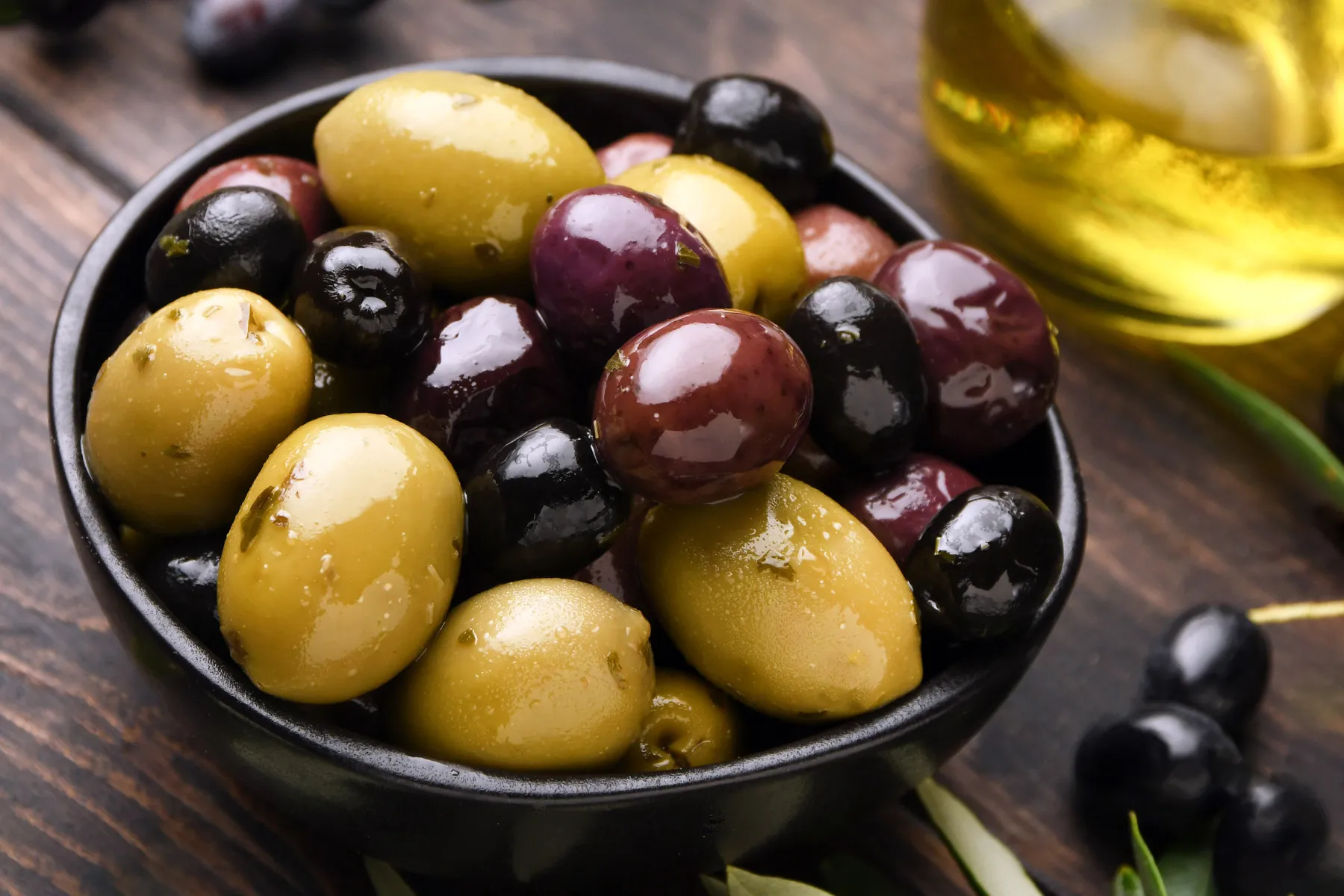

Olives are tiny, salty, slightly mysterious fruits that somehow manage to appear everywhere from Mediterranean salads to pizza, pasta, tapenade, and the occasional martini. They are also the fruit behind olive oil, one of the best-known staples of Mediterranean-style eating.
Despite their small size, olives provide mostly unsaturated fat, along with vitamin E, fiber, and a collection of plant compounds known as polyphenols. Research on Mediterranean eating patterns and olive-derived foods has linked these components with cardiovascular benefits, antioxidant activity, and better overall diet quality. At the same time, most table olives come with one nutritional catch: they are cured in salty solutions, so sodium can add up surprisingly fast.
So, are olives actually good for you? For most people, yes. The smartest approach is to enjoy them as a flavorful part of a balanced diet rather than treating an olive jar like a bottomless movie-theater popcorn bucket.
What Are Olives?
Olives are the fruits of the olive tree, Olea europaea. Freshly picked olives are naturally extremely bitter because they contain compounds such as oleuropein. For that reason, olives normally undergo curing, fermentation, brining, drying, or other processing before they reach your plate. UC Davis notes that curing is what removes much of the bitterness that makes raw olives unpleasant to eat.
Green and black olives are not necessarily completely different fruits. Color can reflect variety, maturity, and processing. In general, green olives are harvested earlier, while darker olives are usually harvested later or processed to achieve their characteristic color.
Olive Nutrition: What Is Inside Those Little Fruits?
The nutritional profile of olives varies significantly according to variety and curing method. Kalamata olives, canned black olives, green olives, and stuffed olives can all have different amounts of calories, fat, iron, and especially sodium.
What they generally have in common is a high proportion of monounsaturated fat relative to saturated fat. Olives also provide vitamin E, small amounts of fiber and minerals, and various phenolic compounds.
Healthy Monounsaturated Fat
Much of the fat in olives consists of monounsaturated fatty acids, especially oleic acid. This is the same predominant type of fatty acid associated with olive oil.
Unsaturated fats are generally considered preferable to saturated fats when they replace them in the diet. The American Heart Association and Harvard’s Nutrition Source both emphasize that replacing saturated fat with unsaturated fat can help improve blood cholesterol patterns and reduce cardiovascular risk.
Vitamin E
Olives can contribute vitamin E, a fat-soluble antioxidant involved in protecting cells against oxidative damage. Whole foods containing vitamin E can fit naturally into a healthy eating pattern without requiring high-dose supplements.
Fiber
Olives are not a fiber superstar on the level of beans, raspberries, or bran cereal, but whole olives do contain fiber something olive oil does not provide. Cleveland Clinic notes that approximately half a cup of olives can provide around 1.5 grams of fiber.
Fiber supports normal digestion and contributes to satiety, although olives should complement rather than replace higher-fiber foods such as vegetables, legumes, whole grains, nuts, seeds, and fruit.
Polyphenols and Other Antioxidants
Olives contain naturally occurring plant compounds, including hydroxytyrosol and other phenolics. Laboratory and clinical research has investigated these compounds because of their antioxidant and anti-inflammatory properties.
The amount remaining in the final product can vary considerably. Olive variety, ripeness, fermentation, curing, storage, and processing all affect the concentration of phenolic compounds.
Potential Health Benefits of Olives
1. May Support Heart Health
The cardiovascular angle is where olives have their strongest nutritional résumé.
Oleic acid and other unsaturated fats can be useful when olives replace foods rich in saturated fat. For example, adding chopped olives to a sandwich instead of bacon or using an olive-based spread instead of a butter-heavy topping can change the overall fat profile of a meal.
Mediterranean-style diets, which emphasize olive oil, vegetables, legumes, whole grains, nuts, seafood, and other minimally processed foods, have repeatedly been associated with cardiovascular benefits. Research reviewed by Harvard found that Mediterranean diets rich in extra-virgin olive oil or nuts reduced major cardiovascular events in people at elevated cardiovascular risk.
It is important, however, not to give one olive superhero status. Mediterranean diets work as complete eating patterns. Putting five olives beside a giant plate of fries does not magically turn dinner into preventive cardiology.
2. Provide Antioxidants
Everyday metabolism, pollution, smoking, ultraviolet radiation, and other factors can contribute to oxidative stress. Antioxidants help the body manage reactive molecules that can otherwise damage cellular structures.
Olives supply vitamin E as well as plant polyphenols. Research on olive-derived polyphenols has demonstrated antioxidant and anti-inflammatory activity, although the exact clinical impact of eating a particular number of table olives is still being investigated.
In other words, olives are a useful antioxidant-containing food, but claims that they can single-handedly prevent cancer, Alzheimer’s disease, or every illness known to humanity go several steps beyond the evidence.
3. May Help Make Meals More Satisfying
Fat slows digestion and can contribute to satiety. Because olives contain fat and intense flavor, relatively small portions can make salads, grain bowls, and snacks feel more satisfying.
Cleveland Clinic estimates that about 10 olives may contain roughly 50 calories, although the exact figure depends on their size and preparation.
This makes olives useful when you want something savory without eating a large serving. A few olives alongside vegetables, hummus, or whole-grain crackers can create a more substantial snack.
4. Fit Well Into Mediterranean-Style Eating
Olives feel perfectly at home in a diet built around vegetables, beans, whole grains, seafood, herbs, and healthy fats. MedlinePlus and Mayo Clinic describe olive oil and unsaturated plant fats as characteristic components of Mediterranean-style eating.
The advantage here extends beyond one nutrient. Olives provide strong flavor, which can make vegetables, beans, and whole grains considerably less depressing than they sound on a badly written diet plan.
5. May Support Healthy Cholesterol Levels
The monounsaturated fats found in olives can contribute to a healthier dietary fat pattern, especially when they replace foods rich in saturated fat.
Research is clearer about replacing saturated fats with unsaturated fats than it is about eating olives as a stand-alone cholesterol treatment. Therefore, someone trying to improve cholesterol levels should think in terms of substitutions: olives instead of processed meat, olive oil instead of butter, nuts instead of pastries, and so forth.
6. May Play a Role in Blood Sugar-Friendly Eating
Olives are naturally low in carbohydrate and contain mostly fat, meaning they generally contribute little glucose directly to a meal.
Dietary patterns rich in unsaturated fats may also support metabolic health. However, evidence specifically proving that table olives lower blood glucose is limited. They should therefore be considered one useful component of an overall diet rather than a treatment for diabetes.
7. Whole Olives Offer Something Olive Oil Does Not
Olive oil gets most of the publicity, but whole olives retain components that pure oil does not, including fiber and more of the fruit’s solid material.
That does not mean whole olives are automatically healthier. Olive oil provides a concentrated source of unsaturated fats and beneficial plant compounds, while whole olives offer chewing satisfaction and fiber but often contain substantially more sodium because of curing.
The best choice depends on the job. Dressing a salad? Olive oil wins. Looking for a savory snack? Whole olives have the advantage.
Green Olives vs. Black Olives: Which Are Healthier?
There is no universal nutritional champion.
Green olives are typically harvested earlier, whereas many black olives are riper at harvest or undergo particular processing methods. Their fat, calorie, mineral, and sodium levels vary among products.
Rather than choosing by color alone, compare Nutrition Facts labels. Sodium is often the number worth watching most closely.
Possible Side Effects and Drawbacks of Eating Olives
High Sodium Content
This is the biggest practical concern with table olives.
Because olives are commonly cured or stored in brine, some products can contain considerable sodium. The American Heart Association specifically lists olives among foods that may be high in sodium, while the FDA sets the Daily Value for sodium at less than 2,300 milligrams per day for adults.
People with hypertension, kidney problems, heart failure, or another condition requiring sodium restriction may need to be particularly careful.
Useful strategies include:
- Comparing sodium levels among brands.
- Choosing reduced-sodium olives when available.
- Draining the brine before eating.
- Rinsing olives under water.
- Using smaller quantities as a flavor accent instead of eating large bowls.
Calories Can Accumulate
Healthy fat is still energy-dense. Eating a modest portion of olives is very different from eating half a jar while standing in front of the refrigerator debating what to cook.
A practical serving can be around a small handful or roughly one-quarter cup, depending on the type and your overall dietary needs. Cleveland Clinic similarly recommends moderation because both calories and sodium can accumulate when portions become large.
Digestive Discomfort
Some people may experience bloating, stomach discomfort, or loose stools after eating a large quantity of fatty or heavily brined foods. Stuffed or seasoned olives can also contain ingredients such as garlic, cheese, peppers, or preservatives that may be responsible for symptoms rather than the olive itself.
Food Allergy
Allergic reactions to olives are uncommon, but allergies can occur with virtually any food. Anyone who develops hives, swelling, wheezing, difficulty breathing, or other signs of a severe allergic reaction should seek urgent medical care.
Watch Out for the Pit
Whole olives containing pits deserve a little respect. Biting down aggressively can damage a tooth, and pits can pose a choking hazard, especially for young children. Pitted olives are generally easier to use in family meals.
How Many Olives Should You Eat Per Day?
There is no official requirement saying every adult must eat a precise number of olives.
For most healthy adults, a small handful is a sensible portion. Around one-quarter cup provides enough flavor to make an impact without turning sodium and calories into the main event.
Your ideal serving depends on the rest of your diet. Someone eating several other salty foods that day may want fewer olives, while a person following a mostly whole-food, low-sodium diet may have more room for them.
Healthy Ways to Use Olives
Add Them to Salads
Slice Kalamata or green olives into tomato, cucumber, chickpea, leafy green, or whole-grain salads. Their salty intensity may reduce the amount of additional salt you feel tempted to shake over the dish.
Mix Them Into Grain Bowls
Quinoa, brown rice, farro, and bulgur pair well with chopped olives, roasted vegetables, beans, lemon juice, and fresh herbs.
Make a Tapenade
Blend olives with herbs, lemon, garlic, and a modest amount of olive oil. Spread the mixture thinly on whole-grain toast or use it as a condiment for fish and vegetables.
Upgrade Eggs
Chopped olives add flavor to scrambled eggs, omelets, and frittatas without requiring much additional seasoning.
Pair Them With Beans
Lentils, chickpeas, cannellini beans, and olives are remarkably good friends. Add tomatoes, parsley, lemon, and vegetables and suddenly canned beans have developed a passport.
Use Them as a Pizza Accent
Olives can bring plenty of flavor to pizza, but remember that cheese, cured meats, sauce, and olives can collectively create a sodium-heavy meal. Pair olives with vegetables and use salty toppings strategically.
Practical Experience: What Eating Olives Regularly Is Actually Like
One of the most useful lessons from everyday cooking with olives is that a little goes a surprisingly long way. Olives are intensely savory, so five or six chopped pieces can season an entire bowl of vegetables, beans, or grains. This makes them less like a bulk ingredient and more like an edible seasoning.
The first practical challenge is choosing a variety. Mild canned black olives are usually easy for beginners because their flavor is relatively gentle. Kalamata olives have a stronger, fruitier, wine-like character. Castelvetrano olives are often buttery and crisp. Green olives stuffed with peppers, garlic, or almonds offer still another experience. Anyone who thinks they dislike olives after trying only one style may simply have met the wrong olive at the wrong time.
Sodium becomes noticeable very quickly when olives are eaten straight from the container. A useful habit is to drain a portion instead of carrying the entire jar to the table. For particularly salty varieties, a quick rinse can soften the saltiness without removing the olive’s distinctive flavor.
Olives also work best when paired with relatively unsalted ingredients. Toss them into plain lentils, tomatoes, cucumbers, roasted vegetables, eggs, or whole grains and their salt becomes an asset. Combine them with bacon, pepperoni, feta, salty dressing, and cured meat, however, and dinner can become a sodium convention where everyone has brought a plus-one.
Another practical observation is that chopped olives often give better flavor distribution than whole ones. Four finely chopped olives scattered through a salad may deliver more enjoyment than four olives sitting together in one corner of the bowl. This trick naturally encourages smaller portions.
For snacks, olives are especially useful when combined with foods offering fiber or protein. A few olives beside raw vegetables and hummus, for example, feels more complete than eating olives alone. The fat and strong flavor add satisfaction, while the vegetables and chickpeas bring more volume, fiber, and nutrients.
People watching calories may find portioning particularly helpful. Olives are not extremely calorie-dense by snack-food standards, but they are easy to eat absentmindedly. Putting a reasonable portion on a small plate turns eating into a deliberate snack rather than a mysterious disappearance of half a jar.
Storage and texture matter as well. Olives generally taste better when stored according to package directions and kept submerged in their recommended liquid after opening. Using clean utensils helps maintain quality. If an olive product develops an unusual smell, unexpected mold, significant bubbling not associated with its normal fermentation, or other obvious signs of spoilage, throwing it away is far cheaper than conducting an amateur gastrointestinal experiment.
Perhaps the biggest practical advantage of olives is not a dramatic biological effect but their ability to make nutritious foods genuinely enjoyable. Healthy eating becomes easier when vegetables, whole grains, beans, and lean proteins actually taste good. A few olives can provide saltiness, acidity, richness, bitterness, and umami-like savoriness in one tiny package.
That is where olives fit best: not as medicine, not as a miracle superfood, and certainly not as permission to consume unlimited amounts, but as a flavorful whole food that makes a well-balanced diet easier to enjoy.
Are Olives Good for You? The Bottom Line
For most people, olives are a nutritious addition to a balanced diet. They provide predominantly monounsaturated fat, vitamin E, some fiber, and antioxidant plant compounds. Their nutritional profile fits particularly well within Mediterranean-style dietary patterns associated with better cardiovascular health.
The biggest downside is sodium. Brining and curing can make table olives considerably saltier than fresh fruits and vegetables, so portions and labels matter. Choosing lower-sodium varieties, rinsing olives, and using them as a flavorful accent can help keep intake reasonable.
The healthiest way to think about olives is simple: enjoy them because they taste good, use them to replace less nutritious salty or saturated-fat-rich ingredients when practical, and let them support an overall diet rich in vegetables, fruits, legumes, whole grains, nuts, seafood, and other minimally processed foods.
SEO Information
Note: Nutrition, calorie, and sodium content can vary substantially by olive variety, brand, serving size, stuffing, and curing method. People who have hypertension, kidney disease, heart disease, food allergies, or medically prescribed dietary restrictions should follow individualized advice from their healthcare professional.