Whether you are a casual fan looking to kill time or a data-driven enthusiast aiming to dominate a digital league, the world of basketball games online offers something for every type of player. From high-octane arcade shooters to complex management sims, these platforms have evolved far beyond simple browser distractions. Navigating this space effectively requires more than just a love for the game; it demands an understanding of the diverse digital ecosystem—ranging from predictive sports analytics to intense, skill-based competitive play. Just as with the best fun web games available today, success in basketball gaming often comes down to mastering specific mechanics and staying informed about current trends. In this guide, we will break down how to evaluate different digital basketball platforms, sharpen your competitive strategies, and leverage modern data tools to ensure you have the best experience possible on the virtual court.

1. Mastering the Ecosystem of Basketball Games Online

The landscape of basketball games online has evolved far beyond simple arcade button-mashing. Today, it encompasses a sophisticated digital ecosystem where fan engagement, statistical analysis, and high-stakes competition intersect. Understanding this environment is essential for anyone looking to transition from a casual observer to an active participant in digital sports.
1.1 Diverse Formats for Digital Basketball Engagement
The modern digital basketball experience is fragmented into distinct categories, each catering to different types of players. While some users seek the immediate gratification of quick-play arcade modes, others gravitate toward complex systems that mirror real-world professional environments.
1.1.1 Sports Betting and Predictive Analytics Platforms
Modern sports games online often integrate with real-time betting and analytics platforms. These systems allow users to utilize predictive modeling, track live odds, and understand market fluctuations. Engaging here requires more than just sports knowledge; it demands an understanding of probability and line movement, effectively turning the game into an exercise in data evaluation.
1.1.2 Competitive Fantasy Leagues and DFS Optimization
Daily Fantasy Sports (DFS) and season-long leagues represent a core pillar of the basketball gaming community. Unlike simulation-based play, these formats rely on the real-world performance of athletes. Successful participants focus on roster construction, salary cap management, and exploiting positional matchups to maximize their scoring potential.
1.1.3 Professional Esports and NBA 2K Simulation Leagues
At the highest level, competitive gaming shifts to structured simulation leagues, such as those found in the NBA 2K circuit. These platforms require intense mechanical skill, deep tactical understanding, and team coordination. This is where gaming meets professional esports, offering a highly polished, skill-based experience that stands in stark contrast to more casual fun web games.
1.2 Fundamental Concepts for Informed Participation
Regardless of your preferred format, success in any basketball-themed digital environment hinges on three key pillars of literacy.
1.2.1 Core Basketball Terminology and Statistical Benchmarks
To navigate these platforms effectively, you must understand the language of the sport. Familiarity with advanced metrics—such as Effective Field Goal Percentage (eFG%), Usage Rate, and Player Efficiency Rating (PER)—is non-negotiable. These numbers serve as the baseline for evaluating talent and making informed decisions, whether you are drafting a fantasy team or setting a lineup.
1.2.2 The Role of Data Literacy in Evaluating Player Performance
Data literacy is the differentiator between a hobbyist and a competitor. It involves the ability to parse noise from signal. By looking at historical trends, injury reports, and defensive ratings, you can identify value that others might overlook. This analytical mindset is universal, whether you are playing a complex management sim or participating in a live wagering environment.
1.2.3 Aligning Your Personal Gaming Goals with the Right Platform
Ultimately, your satisfaction depends on choosing the platform that matches your goals. If you enjoy deep, long-term strategic management, a simulation-heavy league is ideal. If you prefer high-intensity, skill-based gameplay, esports circuits are your destination. Identifying whether you are in it for the tactical depth or the mechanical challenge is the first step toward mastering the ecosystem.
2. Advanced Strategies for Competitive Success in Basketball Games Online
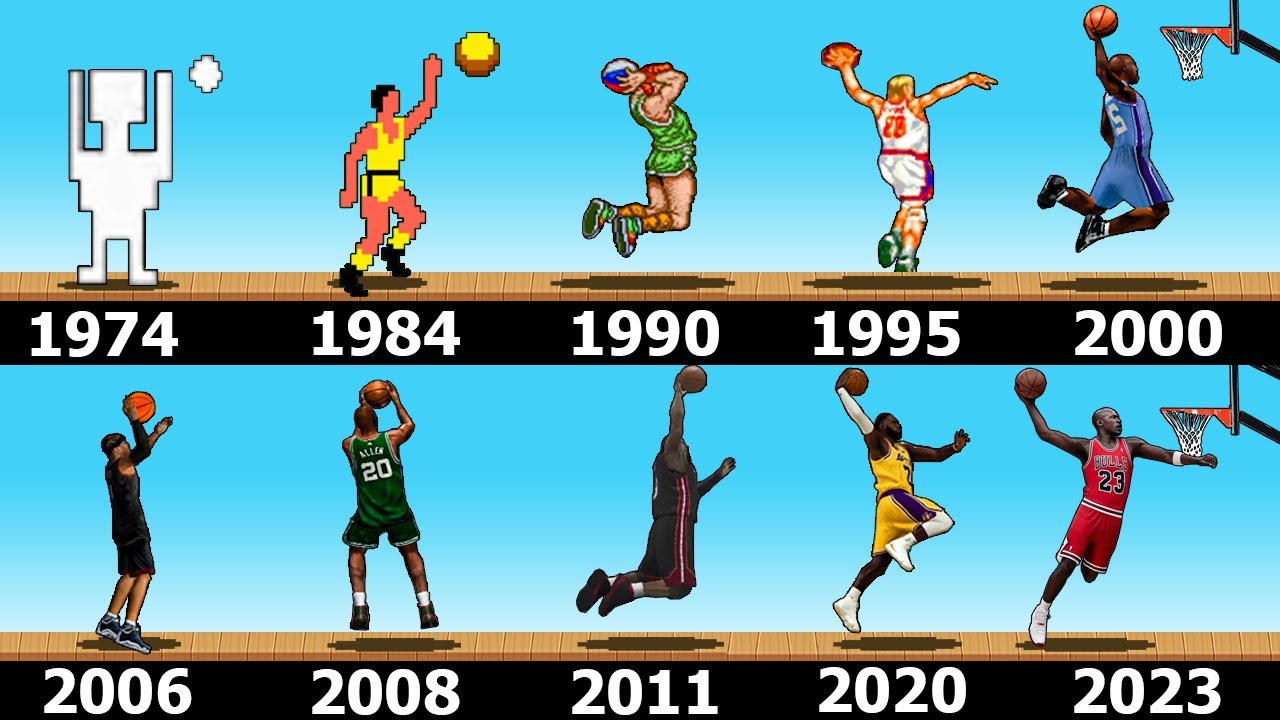
Moving beyond basic controls requires a shift toward analytical gameplay. Whether you are managing a digital franchise or competing in high-stakes fantasy leagues, success in basketball games online demands a blend of statistical intuition and tactical execution. By treating your virtual roster with the same rigor as professional front-office personnel, you can bridge the gap between casual play and competitive dominance.
2.1 Analytical Approaches to Market and Roster Decisions
Making informed decisions starts with moving past player ratings and diving into the underlying metrics that determine game outcomes.
2.1.1 Evaluating Injury Reports and Pace-of-Play Metrics
In simulation titles, player availability is the most significant variable. Always cross-reference injury reports with your roster’s depth. Beyond health, pay close attention to “pace-of-play” statistics. A team that plays at a high tempo creates more possessions, which inherently inflates the statistical output of your players. If you are managing a roster, prioritizing players who thrive in fast-paced environments is often more effective than chasing high-rated individual talents in slow-moving schemes.
2.1.2 Analyzing Spreads, Moneyline Odds, and Over/Under Totals
When participating in competitive leagues that mirror real-world sports games online, use betting markets as a barometer for team strength. The “spread” is rarely just a number; it represents a comprehensive evaluation of team chemistry, recent form, and external pressures. Comparing your internal projections against the “Over/Under” totals can reveal undervalued players or teams that are expected to score in bunches, providing you with a strategic edge during drafting or matchup selection.
2.1.3 Implementing Effective Waiver Wire and Drafting Tactics
The waiver wire is where championships are won. Do not cling to underperforming players simply because of their pre-season draft value. Instead, look for statistical anomalies—such as a player seeing an increase in minutes due to a teammate’s injury or a shift in coaching strategy. Effective managers prioritize consistency and volume over flashes of brilliance, ensuring their roster remains resilient throughout the season.
2.2 Leveraging Technology and Risk Management Protocols
Advanced players treat digital basketball as a science, utilizing external tools and disciplined protocols to mitigate variance.
2.2.1 Utilizing Predictive AI Models for Data-Driven Projections
Leverage online simulators and predictive models to run “what-if” scenarios. These tools help you visualize how your roster performs against specific defensive archetypes. For a broader look at how strategic depth and simulation mechanics function, you can study the principles found in poker simulation games, where calculating odds and managing risk is central to long-term profitability.
2.2.2 Bankroll Management and Strategic Budgeting for Long-Term Play
Whether you are dealing with a virtual currency or entry fees, apply strict bankroll management. Never commit more than a small percentage of your resources to a single contest. By setting a fixed budget for player acquisition or tournament entry, you prevent emotional decision-making, allowing you to survive inevitable losing streaks and capitalize on favorable opportunities when they arise.
2.2.3 Recognizing and Mitigating Risks in Online Sports Environments
Every digital sports environment carries inherent risks, from platform volatility to sudden gameplay patches. Diversify your participation across different formats—such as mixing long-term league play with short-term daily fantasy contests. This ensures that a single bad week or a surprise update to game mechanics does not compromise your entire competitive standing.
Navigating the world of basketball games online offers far more than just quick arcade thrills. Whether you are diving into the complex data-driven landscape of fantasy leagues, testing your coaching mettle in simulation management, or keeping a close eye on live betting metrics, the key to success lies in your ability to synthesize information. By blending a solid understanding of player statistics with disciplined bankroll management and the latest technological tools, you can transform your gaming experience from a casual hobby into a more strategic pursuit. Just as you might refine your skills in other competitive hobbies—like mastering one-on-one combat simulators—the path to winning in the digital basketball arena requires patience, research, and a willingness to adapt your tactics as the season evolves.
As you explore these platforms, remember that the most rewarding digital experiences are those where your preparation meets opportunity. Stay informed, stay disciplined, and continue to refine your approach as you climb the leaderboards. Now that you have a firmer grasp on the mechanics of the game, it is time to log in, analyze the data, and put your strategies to the test. Which digital court will you dominate first?