
Diabetic neuropathy is nerve damage caused by diabetes, and while that sounds like something from a dusty medical textbook, it is actually one of the most common and important diabetes complications to understand. Think of your nerves as the body’s electrical wiring. They carry messages about pain, temperature, movement, digestion, heartbeat, bladder function, and even whether your feet are currently arguing with your shoes. When diabetes damages those wires, the messages can become distorted, delayed, or lost completely.
For some people, diabetic neuropathy feels like tingling, burning, stabbing, or “pins and needles,” especially in the feet. For others, it may be numbness, dizziness, digestive trouble, bladder changes, or muscle weakness. And yes, neuropathy can be sneaky. Some people have nerve damage without obvious symptoms at first, which is why routine diabetes checkups and foot exams matter so much.
This guide explains the major types of diabetic neuropathy, the most common symptoms, why it happens, and what warning signs should send you to a healthcare provider. It is written in plain English, because nerves are complicated enough without making the article sound like it was assembled by a robot wearing a lab coat.
What Is Diabetic Neuropathy?
Diabetic neuropathy is a group of nerve disorders linked to diabetes. It can happen in people with type 1 diabetes, type 2 diabetes, and sometimes diabetes that has gone undiagnosed for years. Over time, high blood sugar can injure nerves directly and damage the tiny blood vessels that supply nerves with oxygen and nutrients. When nerves do not get what they need, they stop working properly.
The symptoms depend on which nerves are affected. Damage to sensory nerves may cause pain, numbness, or reduced ability to feel heat and cold. Damage to motor nerves can lead to weakness or balance problems. Damage to autonomic nerves can affect automatic body functions such as digestion, sweating, urination, sexual function, blood pressure, and heart rate.
Diabetic neuropathy is not one single condition with one single pattern. It is more like a family reunion of nerve problemssome common, some awkward, some showing up uninvited at the worst possible time.
Why Diabetic Neuropathy Matters
Nerve damage can reduce quality of life in a big way. Pain can interrupt sleep. Numbness can make walking feel uncertain. Loss of feeling in the feet can allow cuts, blisters, burns, or pressure sores to go unnoticed. A tiny foot wound may not sound dramatic, but in diabetes, poor circulation and reduced sensation can turn a small problem into an infection, ulcer, or serious medical emergency.
Neuropathy can also affect confidence. People may avoid exercise because walking hurts. They may feel embarrassed by digestive or bladder symptoms. They may not realize dizziness when standing is related to nerve damage. Understanding the signs helps people seek care earlier instead of blaming everything on age, shoes, stress, or “sleeping funny” for the 47th time.
Main Types of Diabetic Neuropathy
Healthcare professionals usually describe diabetic neuropathy in several major types: peripheral neuropathy, autonomic neuropathy, proximal neuropathy, and focal neuropathy. Each type affects different nerves and causes different symptoms.
1. Peripheral Neuropathy
Peripheral neuropathy is the most common type of diabetic neuropathy. It usually affects the feet and legs first, then sometimes the hands and arms. Symptoms often follow a “stocking-glove” pattern, meaning they begin in areas that would be covered by socks or gloves.
Common symptoms include tingling, burning, stabbing pain, numbness, sensitivity to touch, cramps, weakness, and reduced ability to feel temperature or pain. Some people say their feet feel like they are buzzing, freezing, burning, or walking on pebbleseven when the floor is perfectly innocent.
Peripheral neuropathy can be painful, but it can also be painless. That painless version is especially risky because a person may step on something sharp, develop a blister, or get a small cut and not notice it. This is why daily foot checks are not just a “nice idea.” They are a practical safety habit.
2. Autonomic Neuropathy
Autonomic neuropathy affects nerves that control automatic body functions. These are the tasks your body handles without asking permission, such as digestion, blood pressure, sweating, bladder emptying, and heart rate.
Symptoms may include dizziness or faintness when standing, rapid heartbeat, nausea, vomiting, bloating, constipation, diarrhea, trouble swallowing, bladder problems, frequent urinary tract infections, sexual dysfunction, and abnormal sweating. Some people may sweat heavily while eating or stop sweating normally in the feet and legs.
Autonomic neuropathy can also interfere with how the body recognizes low blood sugar. Normally, low blood sugar may cause shakiness, sweating, or a racing heart. If autonomic nerves are damaged, those warning signals may be reduced, which can make hypoglycemia more dangerous.
3. Proximal Neuropathy
Proximal neuropathy, sometimes called diabetic amyotrophy, usually affects nerves in the hips, thighs, buttocks, or upper legs. It is less common than peripheral neuropathy and often appears on one side of the body, though it can spread.
Symptoms may include sudden or severe pain in the hip, thigh, or buttock; weakness in the legs; difficulty rising from a chair; muscle shrinking; and weight loss in some cases. It can make ordinary movementsstanding, climbing stairs, getting out of a carfeel like a surprise fitness test nobody signed up for.
This type of neuropathy is more often seen in older adults and people with type 2 diabetes, but it can occur in others as well. Because the pain and weakness can be dramatic, medical evaluation is important to rule out other causes.
4. Focal Neuropathy
Focal neuropathy affects a single nerve or a specific group of nerves. It often comes on suddenly and may affect the head, torso, leg, or hand. Carpal tunnel syndrome, which involves pressure on the median nerve in the wrist, is more common in people with diabetes and is one example of a focal nerve problem.
Symptoms may include sudden weakness, pain in a specific area, double vision, trouble focusing the eyes, facial weakness, chest or abdominal pain, or pain in the front of the thigh. Because focal neuropathy can mimic other serious problems, chest pain, sudden weakness, vision changes, or severe unexplained pain should never be brushed off.
Common Symptoms of Diabetic Neuropathy
Diabetic neuropathy symptoms vary widely, but several patterns are common. In the feet and legs, symptoms may include burning, tingling, numbness, stabbing pain, aching, cold sensations, balance problems, or feeling like socks are bunched up when they are not. At night, pain may become more noticeable because the world gets quiet and the nerves apparently decide to host a tiny fireworks show.
In the digestive system, neuropathy may cause nausea, bloating, constipation, diarrhea, or slow stomach emptying. In the urinary system, it may cause trouble emptying the bladder, leaking urine, or frequent infections. In the cardiovascular system, it may cause dizziness when standing due to blood pressure changes. In sexual health, it may contribute to erectile dysfunction, vaginal dryness, or reduced sexual response.
Some warning signs deserve prompt medical attention. These include a foot sore that will not heal, signs of infection, new numbness or weakness, burning or shooting pain that disrupts sleep, dizziness or fainting, bladder changes, digestive symptoms that persist, or sudden vision or facial movement problems.
What Causes Diabetic Neuropathy?
The main cause is long-term exposure to high blood glucose. When blood sugar remains elevated, it can damage nerves and the small blood vessels that nourish them. High triglycerides and other metabolic changes may also contribute. In simple terms, nerves need a healthy environment. Diabetes can turn that environment into a messy garage where nothing is labeled and the extension cords are tangled.
Several factors can increase the risk of diabetic neuropathy:
- Longer duration of diabetes: The longer someone has diabetes, the greater the risk.
- Poor blood sugar control: Frequent high glucose levels can accelerate nerve damage.
- High blood pressure: It can harm blood vessels that supply nerves.
- High cholesterol or triglycerides: Blood fat abnormalities may worsen nerve and vessel injury.
- Kidney disease: Diabetes-related kidney problems are linked with higher neuropathy risk.
- Smoking: Smoking damages circulation and reduces oxygen delivery to tissues.
- Alcohol overuse: Alcohol can contribute to nerve damage and worsen symptoms.
- Vitamin B12 deficiency: This can cause neuropathy-like symptoms and may occur in some people taking metformin long term.
- Obesity and inactivity: These can worsen insulin resistance, inflammation, and circulation problems.
How Diabetic Neuropathy Is Diagnosed
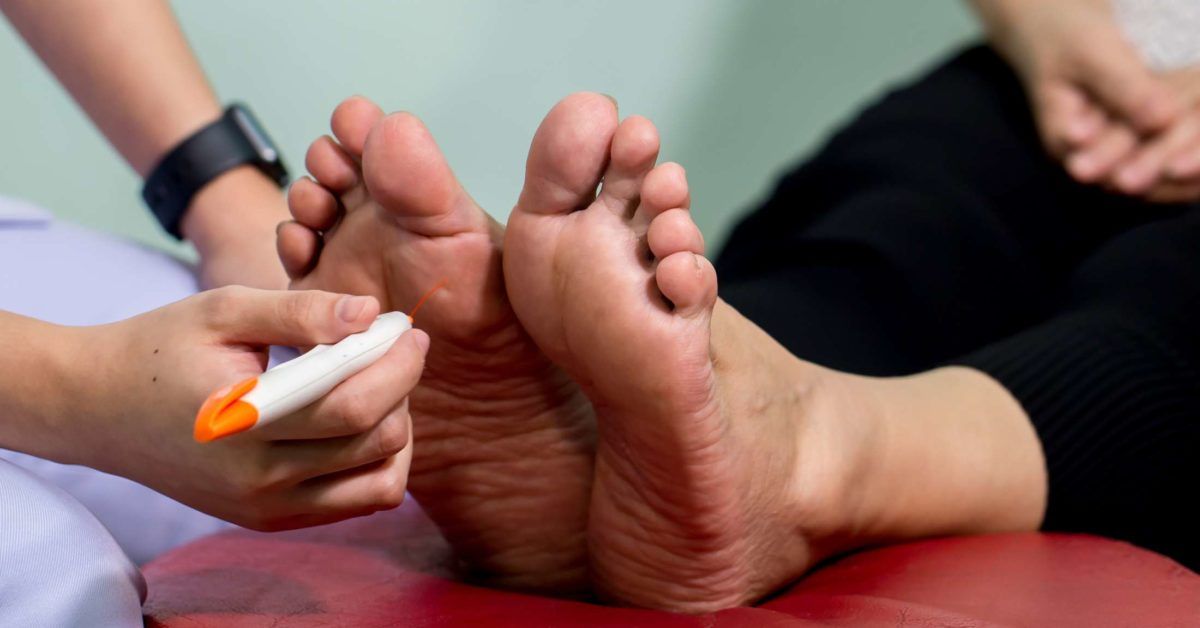
Diagnosis usually begins with symptoms, medical history, and a physical exam. A healthcare provider may check reflexes, muscle strength, skin condition, foot pulses, vibration sense, temperature sense, and sensitivity to light touch. A common tool is the monofilament test, where a thin nylon fiber is pressed against parts of the foot to see whether the person can feel it.
In some cases, additional tests may be needed. Nerve conduction studies and electromyography can measure how well nerves and muscles are working. Blood tests may check glucose control, kidney function, thyroid function, vitamin B12, and other possible causes of nerve symptoms. This matters because not every tingle in a person with diabetes is automatically diabetic neuropathy. Pinched nerves, medication effects, vitamin deficiencies, autoimmune disorders, and other conditions can also cause nerve problems.
Can Diabetic Neuropathy Be Prevented?
Diabetic neuropathy cannot always be completely prevented, but risk can often be reduced. The foundation is steady diabetes management: keeping blood sugar in the target range recommended by a healthcare provider, managing blood pressure, improving cholesterol levels, staying active, eating a balanced diet, avoiding tobacco, limiting alcohol, and attending regular checkups.
Foot care is especially important. People with diabetes should inspect their feet daily for cuts, blisters, redness, swelling, calluses, cracks, or nail problems. Shoes should fit well, socks should be clean and dry, and walking barefoot should be avoidedeven indoors. The floor may look harmless, but Lego bricks, pet toys, and mystery crumbs are basically tiny land mines for numb feet.
Living With Diabetic Neuropathy
Living with neuropathy often means building routines that protect nerves, feet, sleep, and peace of mind. Pain management may involve prescription medications, topical treatments, physical activity, physical therapy, improved footwear, and better glucose control. Some people benefit from working with a podiatrist, diabetes educator, neurologist, endocrinologist, or pain specialist.
It is also important to talk openly about symptoms. Many people mention foot pain but stay quiet about bladder, bowel, or sexual symptoms. Healthcare providers have heard these issues before. You will not shock them. Their inbox is full of stranger things than “my stomach feels weird after meals” or “I get dizzy when I stand up.” Honest details help them connect the dots.
Everyday Experiences: What Diabetic Neuropathy Can Feel Like in Real Life
Diabetic neuropathy is not just a diagnosis written in a chart. It shows up in ordinary moments. It is the person who removes a shoe and finds a blister they never felt. It is the parent who wants to walk around the park but stops early because their feet burn by the second lap. It is the office worker who sits through a meeting pretending everything is fine while their toes feel like they are plugged into a low-voltage outlet.
One common experience is nighttime discomfort. During the day, distractions can hide mild nerve pain. At night, when the house is quiet, symptoms may seem louder. A person may describe burning feet, electric shocks, crawling sensations, or pain from bedsheets touching the skin. This can interrupt sleep, and poor sleep can make blood sugar harder to manage. The result is a frustrating loop: diabetes affects nerves, nerve pain affects sleep, and poor sleep makes the whole next day harder.
Another everyday challenge is uncertainty. Numbness changes how people trust their own bodies. A person may wonder, “Did I step on something?” or “Is my shoe rubbing?” or “Why does my foot feel cold when it is warm to the touch?” Because sensation becomes unreliable, visual checks become essential. Looking at the feet every day may feel silly at first, but it is the same logic as checking the stove before leaving home. You do it not because disaster is guaranteed, but because prevention is easier than regret.
Neuropathy can also affect mood. Chronic tingling, pain, or weakness can make people irritable, anxious, or discouraged. Someone who used to enjoy long walks may feel betrayed by their own feet. Someone with digestive symptoms may avoid restaurants. Someone with dizziness may worry about falling. These emotional effects are real, and they deserve attention. Support from family, clinicians, diabetes educators, and peer groups can make the condition feel less isolating.
Footwear becomes a surprisingly big deal. People with neuropathy often learn that “cute but painful” shoes are not worth the drama. Supportive shoes with enough room, smooth interiors, and protective soles can reduce rubbing and pressure. Socks without irritating seams may help. Some people need custom inserts or diabetic shoes. It may not be runway fashion, but neither is limping dramatically across the grocery store because a shoe decided to become a medieval torture device.
Daily habits make a difference. Checking blood sugar as directed, taking medications consistently, moving the body safely, staying hydrated, trimming nails carefully, moisturizing dry skin while avoiding lotion between the toes, and keeping medical appointments all add up. None of these habits are glamorous. There is no movie montage for “person checks feet under good lighting.” But these small routines are often what prevent bigger problems.
The most hopeful part is that neuropathy management is not all-or-nothing. Even when nerve damage is already present, people can often slow progression, reduce complications, and improve comfort. Better glucose control, safer movement, pain treatment, foot protection, and earlier reporting of symptoms can make life more manageable. Diabetic neuropathy may be persistent, but it does not get to be the boss of every decision.
When to Call a Healthcare Provider
Call a healthcare provider if you notice new numbness, tingling, burning pain, weakness, balance problems, dizziness, digestive changes, bladder issues, sexual function changes, or any wound on the foot that is slow to heal. Seek urgent care for signs of infection, blackened skin, spreading redness, fever, sudden weakness, chest pain, or sudden vision changes.
Diabetic neuropathy is easier to manage when it is found early. Waiting until symptoms become severe is like ignoring a smoke alarm because the beep is annoying. The beep may be annoying, but it is trying to help.
Conclusion
Diabetic neuropathy is a common diabetes complication that affects nerves throughout the body. The most familiar type is peripheral neuropathy, which often begins in the feet and legs, but autonomic, proximal, and focal neuropathies can affect digestion, blood pressure, bladder function, muscles, and individual nerves. Symptoms may include pain, tingling, numbness, weakness, dizziness, digestive trouble, urinary changes, and loss of sensation.
The main driver is long-term high blood sugar, often combined with blood vessel damage, high blood fats, high blood pressure, smoking, kidney disease, vitamin deficiencies, and other risk factors. The good news is that early detection, steady diabetes management, regular foot care, and medical support can reduce complications and improve daily life. Your nerves may be tiny, but they are not minor. Treat them like VIP wiring, because that is exactly what they are.
Note: This article is for educational purposes only and does not replace medical advice, diagnosis, or treatment. Anyone with diabetes-related nerve symptoms, foot wounds, sudden weakness, severe pain, dizziness, or signs of infection should contact a qualified healthcare professional.