
Note: This is an original, publication-ready educational synthesis. Adapt the examples, standards, language supports, and accessibility tools to your studd learning has a funny habit of looking effortless from the hallway. Students are building models, debating solutions, filming videos, interviewing experts, and generally appearing far more productive than adults during a staff meeting. Inside the classroom, however, teachers know the truth: a strong PBL unit is not “assign a poster and hope for glittery greatness.” It requires careful scaffolding, purposeful assessment, and enough flexibility to support students who begin in very different places.
That is where differentiated instruction in PBL earns its superhero cape. Differentiation does not mean creating 28 separate lesson plans, one for every student and one for the classroom hamster. It means keeping the learning goal rigorous while offering different pathways, supports, pacing options, and ways for students to show what they know.
In project-based learning, students investigate meaningful questions, create solutions or products, collaborate with others, and revise their thinking over time. Because a project has multiple entry points, it gives teachers unusual opportunities to respond to student readiness, interests, strengths, language needs, and support needs. The trick is to design those opportunities on purpose instead of relying on classroom chaos to sort itself out.
Why Differentiated Instruction Works So Well in Project-Based Learning
A traditional lesson often moves at one speed: the teacher explains, students practice, everyone takes the same quiz, and the bell rings before anyone can ask why the worksheet has a cartoon astronaut on it. PBL is more flexible. Students may research in different ways, take on varied roles, use multiple resources, receive targeted instruction, and create products for authentic audiences.
That flexibility can become either a strength or a headache. Without clear structures, confident students may take over, struggling students may disappear behind the group, and teachers may feel like air-traffic controllers during a thunderstorm. Differentiated instruction provides the guardrails. It helps every learner work toward common standards while receiving the support or challenge needed to make meaningful progress.
The goal is not to make work easier for some students and harder for others. The goal is to make high-quality work accessible, appropriately challenging, and worth doing for everyone. A student who needs a vocabulary scaffold and a student ready to analyze competing sources can both contribute to the same community-health project. They simply need different next steps.
1. Differentiate Through Purposeful Teams
Teamwork is one of the most visible features of PBL, but “put them in groups” is not a differentiation strategy. It is an invitation for one student to become the unpaid chief executive officer of a four-person organization.
Instead, build teams with a clear instructional purpose. Sometimes heterogeneous groups work best because students bring different strengths, perspectives, and problem-solving approaches. In other moments, temporary skill-based groups may be useful for a focused workshop, such as analyzing a complex source, practicing data interpretation, or revising a claim with evidence.
Use flexible grouping, not permanent labels
A student should not be known as “the low group kid” for the entire project. Grouping should change as needs change. During a project on local water quality, students might work in mixed teams to design a public-awareness campaign. Later, the teacher may pull a short-term group for graph-reading support, while another group explores advanced questions about environmental policy.
Give teams clear roles, but rotate them. Researcher, facilitator, designer, fact-checker, editor, and presenter are useful roles when they are treated as skills to practice rather than personality labels stamped on a student forever. The quiet student may need a supported chance to facilitate. The confident talker may need practice listening without narrating every breath in the room.
Before forming a group, ask: What is the purpose? Are students grouped for content readiness, language support, collaboration practice, interest, or production needs? When the answer is clear, grouping becomes a teaching move instead of a seating chart with extra drama.
2. Build Reflection and Goal Setting Into the Project Calendar
Reflection is not the decorative parsley of PBL. It is how students notice what they understand, what they still need, and how their habits affect their work. It also gives teachers a direct line to differentiation.
Schedule brief reflection checkpoints throughout the project rather than saving one giant “What did you learn?” question for the final day, when everyone is tired and someone has misplaced the extension cord. Ask students to identify one content goal and one success-skill goal, such as collaboration, time management, source evaluation, or public speaking.
Make goals specific enough to guide instruction
“I will get better at science” is admirable but difficult to teach. “I will explain how runoff affects the creek using two pieces of data” gives both student and teacher something concrete to work with. A student who sets a goal around speaking may need rehearsal time, sentence stems, or a small-audience practice round. A student who has mastered the goal may be ready to compare conflicting evidence or coach a peer.
A simple weekly reflection can include four prompts:
- What did I contribute to my team this week?
- What concept or skill is still confusing?
- What evidence shows I am making progress?
- What is one realistic next step?
Use these reflections during brief conferences. Even a two-minute conversation can reveal more than a polished final product. Students learn that feedback is not a surprise attack; it is fuel for the next move.
3. Offer Just-in-Time Mini-Lessons, Learning Stations, and Resource Paths
In a PBL classroom, the teacher does not disappear into a cloud of inspirational quotes and let students “discover” every academic skill through vibes. Students still need direct instruction. They simply need it at the right time and in the right dosage.
Mini-lessons are short, targeted lessons delivered when students are ready to use the skill. A teacher might teach a 10-minute lesson on evaluating website credibility after students begin gathering sources, not two weeks earlier when the concept has the shelf life of cafeteria lettuce.
Create resource pathways without creating a maze
Offer a small menu of quality resources that address the same learning target through different formats. Students may choose from a grade-level article, an annotated text, a short video, an infographic, a podcast excerpt, a data set, or a teacher-created guide. The target remains consistent; the access route changes.
Learning stations can also support differentiated instruction in PBL. One station may focus on vocabulary and background knowledge. Another may provide practice with a technical skill. A third may offer challenge tasks for students ready to extend their analysis. A teacher-led station can give targeted support to a small group without stopping the entire project.
For multilingual learners, include visuals, translated key terms when appropriate, sentence frames, modeled examples, and structured talk opportunities. For students who need executive-function support, provide checklists, chunked deadlines, visual schedules, and exemplars. These are not “extras”; they are access tools that help students spend their energy on learning rather than decoding what the assignment is asking.
4. Give Students Voice and Choice in Their Products
Student choice is one of PBL’s greatest strengths, but unlimited choice can quickly become “I made a meme, therefore I have completed chemistry.” Product choice needs boundaries, criteria, and a shared understanding of what mastery looks like.
Students can demonstrate learning through a documentary, podcast, public-service campaign, website, museum-style exhibit, formal proposal, model, presentation, panel discussion, or illustrated report. The format may vary, but the essential evidence should remain aligned to the standard.
Keep the rubric steady while the product changes
Suppose students are investigating renewable-energy options for their town. One team may produce a persuasive video, another may create a policy brief, and another may develop an interactive display for a community event. All teams should still be expected to use credible sources, explain scientific reasoning, consider trade-offs, and communicate a clear recommendation.
Choice is especially powerful when students can connect a project to personal interests. A student interested in graphic design might create a visual campaign. A student who loves coding may build a simple data dashboard. A student who enjoys writing may produce a feature article. The academic target does not vanish; it becomes more personally meaningful.
Use a choice board when students need structure. Offer three to five vetted options, explain the nonnegotiable criteria, and require a quick proposal before students begin. This preserves creativity while preventing a last-minute cardboard volcano from wandering into a social-studies unit.
5. Differentiate Through Formative Assessment
Formative assessment is the project’s navigation system. Without it, teachers may not realize students are lost until the final presentation, when a team confidently announces that erosion is caused by “the Earth getting tired.”
Check understanding often and in low-stakes ways. Use quick conferences, annotated sketches, exit tickets, verbal explanations, concept maps, draft reviews, self-assessments, peer feedback, observation notes, or short demonstrations. Students may sometimes show understanding in different formats, especially when the goal is conceptual understanding rather than a specific writing skill.
Use feedback to change what happens next
The key word is not assessment. It is formative. The information should shape instruction. If several students cannot distinguish a claim from evidence, plan a mini-lesson. If one team is ready for deeper analysis, give them a more complex source set. If a student understands the science but struggles to organize ideas, provide a planning template rather than reteaching the entire concept.
Build a simple tracking system. It can be a clipboard, spreadsheet, digital dashboard, or a collection of color-coded sticky notes. Record what students can do, what they are attempting, and what support they need next. The system does not need to be glamorous. It only needs to help you make better decisions before the project reaches its final week.
6. Balance Teamwork With Individual Work
PBL celebrates collaboration, but teamwork should not become a fog machine that hides individual learning. Every student needs chances to think independently, practice skills, and demonstrate understanding.
Build in “solo moments” throughout the project. These can include individual research notes, personal reflection entries, independent claim statements, mini-quizzes, one-on-one conferences, skill practice, or individual sections of a final product. Students benefit from time to process quietly, particularly after lively group discussions.
Assess both the team process and individual growth
Use separate criteria for collaborative work and individual mastery. A team may earn feedback on project planning, communication, and product quality. Individual students may be assessed on their research log, reflection, content explanation, revision process, or contribution to the final presentation.
This balance also supports students who learn differently. Some students generate their best ideas in conversation. Others need silence before they can contribute. Some need a peer model; others need an independent challenge. A well-designed PBL unit makes room for both, because learning is not a personality contest.
How to Start Without Building 30 Different Projects
The most sustainable approach is to start small. Choose one project phase to differentiate first. You might begin with flexible research resources, weekly student goal-setting, or a choice board for final products. Once that routine feels manageable, add another layer.
Keep three elements common for everyone: the learning goal, the success criteria, and the expectation that every student does meaningful work. Then vary supports, pacing, tools, grouping, and ways of showing understanding. This approach keeps the classroom equitable without turning planning into a late-night craft project powered by coffee and mild panic.
It also helps to plan for likely barriers before the project launches. Which vocabulary may block access? Which steps require organization? Which students need more background knowledge? Which students need additional challenge? Anticipating those questions allows teachers to prepare flexible supports that are available to everyone, rather than waiting for students to struggle publicly.
Additional Classroom Experience: What Differentiated PBL Often Looks Like in Practice
Consider a middle-school project in which students are asked to answer the question, “How can our school reduce waste during lunch?” The class begins by collecting data on trays, plastic utensils, food waste, and recycling habits. At first glance, the project seems simple: count trash, research solutions, create a proposal. In reality, it contains enough moving pieces to make a school cafeteria look like a small airport terminal.
One student may be comfortable organizing survey data but unsure how to speak in front of adults. Another may have excellent ideas but need help reading technical articles. A third may be ready to calculate cost savings, while a fourth is still learning how to distinguish a reliable source from a website that promises to solve climate change with one reusable straw.
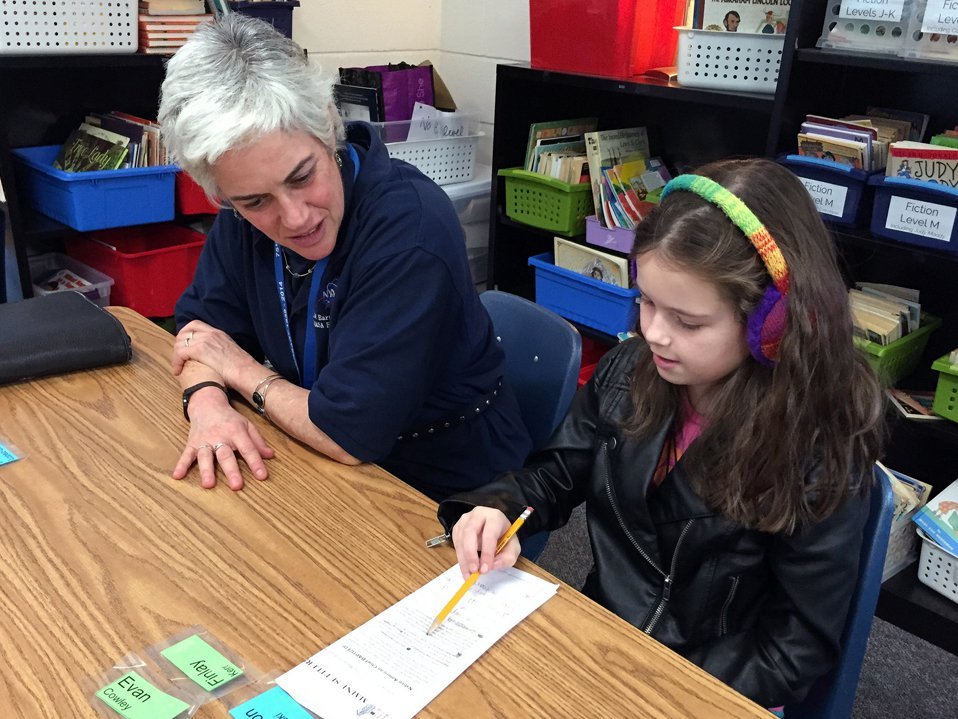
A differentiated PBL teacher does not separate these students into entirely different projects. Instead, the teacher creates supports around the shared challenge. Students work in mixed teams to observe lunchroom patterns and generate solutions. During research time, the teacher provides several source pathways: a visual infographic, a short local-government report, a student-friendly article, and a more detailed budget document for learners ready for greater complexity.
At one station, students practice reading tables and graphs. At another, students use sentence frames to build claims such as, “Our data suggests that ______ because ______.” A teacher-led group reviews how to evaluate sources. Students who already understand that skill move into an extension task: comparing the trade-offs of composting, reusable trays, and food donation programs.
Midway through the project, students complete an individual reflection. They rate their confidence with data analysis, research, teamwork, and presentation skills. One student writes that she understands the waste problem but wants help explaining costs. Another says he wants to take a larger speaking role but worries about forgetting his words. The teacher responds differently to each need: one receives a budget template, while the other practices a short portion of the presentation with a partner before speaking to the full class.
For final products, teams choose between a presentation to administrators, a short documentary, a digital campaign, or a formal proposal. The rubric stays consistent. Each product must explain the problem, use accurate evidence, include a realistic solution, address costs or feasibility, and persuade a real audience. A polished video cannot hide weak evidence, and a beautiful poster cannot escape the requirement to explain the data.
On presentation day, the differences among students become assets rather than obstacles. One student explains the cost calculations, another leads the visual portion, another answers questions from guests, and another shares a personal reflection on why food waste matters. Each student also submits an individual evidence folder showing research notes, reflections, and a short explanation of their learning.
That is differentiated instruction in PBL at its best: common purpose, varied support, real accountability, and enough structure that every student has a place to contribute. Nobody gets trapped in a permanent label. Nobody is excused from meaningful thinking. And nobody has to pretend that a group grade alone captures what they learned.
Conclusion: Make the Path Flexible, Not the Expectations Fuzzy
Differentiated instruction in PBL is not about lowering the bar, creating endless options, or turning every lesson into a custom menu with 47 toppings. It is about designing a rigorous shared destination and giving students practical ways to reach it.
Purposeful teams, personal goals, targeted mini-lessons, product choice, formative assessment, and a healthy balance of group and individual work can make project-based learning more equitable, manageable, and genuinely engaging. Start with one strategy, observe what students need, and adjust. Over time, differentiation becomes less like juggling and more like good project design: clear goals, responsive support, and plenty of room for students to surprise you.