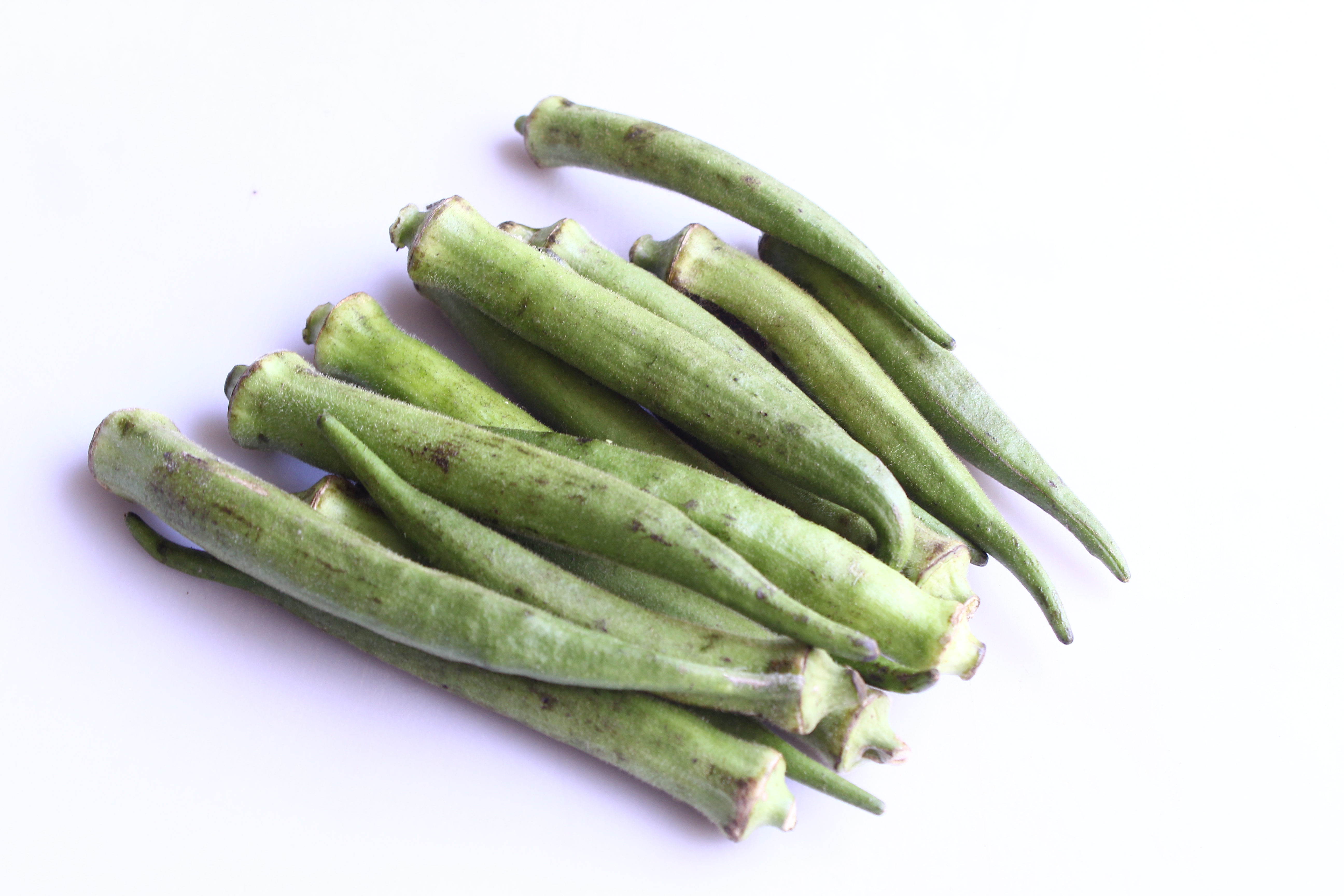

Fresh okra has a short but glorious career. One day it is crisp, bright green, and ready to become gumbo royalty. A few forgotten days later, it may look like it has been through an emotional breakup in the back of the refrigerator. The good news is that preserving fresh okra is not complicated. You simply need to choose the method that matches your plans: keep it fresh for a few days, freeze it for future meals, or pickle it for a tangy pantry treat.
Whether you picked a basket from the garden, scored a bargain at the farmers market, or bought more than your household can reasonably eat before Tuesday, these three methods can help you waste less okra and enjoy it longer. The secret is starting with young, firm pods and treating them gently. Okra is tough in a skillet, but it can be surprisingly dramatic when bruised, overheated, or left damp in a sealed bag.
Start With the Best Fresh Okra
Preservation begins before the refrigerator door opens. Look for pods that are bright green, firm, dry, and free from dark spots, cuts, or shriveled ends. Smaller pods are usually more tender, while oversized pods can become woody, fibrous, and about as pleasant to chew as a garden stake.
Try to preserve okra as soon as possible after buying or harvesting it. The longer it sits around, the more its texture and flavor decline. If you grow okra at home, pick pods regularly while they are young and tender. A good rule of thumb is simple: if a pod looks like it could double as a tiny sword, it may be past its prime.
Before storing or preserving okra, handle it with clean hands and keep it away from raw meat, poultry, and seafood. Rinse okra under cool running water when you are ready to prepare it. Avoid soap, bleach, or commercial produce cleaners. Plain running water is plenty; your okra does not need a spa treatment.
1. Store Fresh Okra in the Refrigerator
Refrigeration is the easiest way to preserve fresh okra when you plan to cook it within a few days. It will not turn your harvest into a year-long supply, but it can buy enough time for a stir-fry, a batch of fried okra, or a gumbo night that arrives after a long workday.
How to Refrigerate Fresh Okra
- Sort through the pods and remove any that are bruised, soft, moldy, or damaged.
- Keep the okra dry. Do not wash it before storage unless it is especially dirty.
- Place the pods in a loosely closed plastic bag, reusable produce bag, or container lined with a paper towel.
- Store the bag in the refrigerator, ideally in a spot that stays cold without freezing the pods.
- Use the okra within two to three days for the best flavor and texture.
The paper towel helps absorb excess moisture, which matters because wet okra can become slimy or spoil more quickly. Do not seal the pods into a swampy airtight environment. Okra likes cool conditions, but it does not want to live in a tiny humidity prison.
When you are ready to cook refrigerated okra, rinse it under cold running water and dry it well. Drying is especially useful if you plan to roast, grill, sauté, or fry it. Less surface moisture means better browning and fewer chances of the pan becoming a steam room.
Best Uses for Refrigerated Okra
Fresh refrigerated okra works well in quick recipes where texture matters. Slice it for a skillet with onions and tomatoes, roast it whole with olive oil and spices, or coat it lightly for frying. This method is best for people who want to enjoy fresh okra soon rather than stash it away for a future version of themselves with better meal-planning habits.
2. Freeze Okra for Long-Term Storage
Freezing is the most practical long-term method for preserving fresh okra. It keeps your harvest available for soups, stews, casseroles, gumbo, curries, and other cooked dishes long after the garden has packed up for the season. Frozen okra will not have the same crisp bite as freshly picked pods, but it remains wonderfully useful in recipes where tenderness is part of the plan.
Why Blanching Matters
Before freezing okra, blanch it briefly in boiling water. Blanching slows natural enzyme activity that can cause frozen vegetables to lose color, flavor, and quality over time. Skipping this step may seem like a clever shortcut, but it often leads to tough, dull, freezer-weary okra later. The freezer remembers everything.
How to Freeze Fresh Okra
- Select young, tender pods. Avoid very large or tough pods.
- Wash the okra under cool running water and drain it well.
- Trim the stem ends without cutting into the seed cells.
- Separate small pods from larger pods so they blanch evenly.
- Blanch small pods in boiling water for about three minutes and larger pods for about four minutes.
- Immediately transfer the blanched okra to ice water for roughly the same amount of time.
- Drain thoroughly and pat dry if needed.
- Pack the okra into freezer-safe bags or containers, removing as much air as possible.
- Label each package with the date and freeze promptly.
You can freeze okra whole or sliced. Whole pods are convenient for soups and stews, while sliced okra is useful when you want to toss it straight into gumbo or a skillet. For breaded fried okra, some home cooks slice, coat, and freeze it in a single layer before transferring it to freezer bags. That approach can make weeknight frying much easier, although the coating may not stay quite as crisp as freshly breaded okra.
For the best quality, use frozen okra within about a year. Keep your freezer at 0°F or below, and avoid letting the packages thaw and refreeze repeatedly. When it is time to cook, add frozen okra directly to hot soups, stews, curries, or sauté pans. Thawing it first can make it softer and wetter, which is not always a disaster, but it may invite the famous okra slime to the party early.
How to Prevent Freezer Burn
Freezer burn happens when food loses moisture and comes into contact with air. It is not usually dangerous, but it can make okra dry, leathery, and less flavorful. Use quality freezer bags or rigid freezer containers, press out excess air, and avoid overfilling. Flattening freezer bags also saves space and creates neat portions that stack better than mystery-shaped frozen lumps.
3. Pickle or Can Okra for a Tangy, Shelf-Stable Option
Pickled okra is for people who want their vegetables to bring personality. It is crunchy, tangy, garlicky, often spicy, and capable of making a snack board look much more sophisticated than it really is. Pickled okra can be served with sandwiches, grilled meats, charcuterie boards, salads, or cocktails. Yes, your Bloody Mary may be quietly begging for one.
There are two important paths here: refrigerated pickled okra and shelf-stable canned pickled okra. Refrigerator pickles are kept cold and should be treated as a short-term food. Shelf-stable pickled okra requires a tested recipe, the correct vinegar acidity, proper jar preparation, and boiling-water canning instructions designed specifically for pickled okra.
How to Make Refrigerator Pickled Okra
For a simple refrigerator version, place clean whole okra pods in a clean jar with garlic, dill, peppercorns, red pepper flakes, or other seasonings. Cover the pods with a hot brine made using a tested ratio of vinegar, water, salt, and optional sugar. Let the jar cool, seal it, and refrigerate it. The flavor improves after a few days, but refrigerator pickles should stay refrigerated and should not be treated as pantry-stable.
Use plain white vinegar or apple cider vinegar with at least 5% acidity when following a tested pickling recipe. Do not casually reduce the vinegar, swap it for flavored vinegar, or increase the water because you prefer a milder taste. Pickling is delicious chemistry, not a place for freestyle improvisation.
How to Safely Can Pickled Okra
For shelf-stable pickled okra, follow a current, tested recipe from a trusted food-preservation authority. Tested recipes specify the exact vinegar strength, salt amount, headspace, jar size, processing time, and altitude adjustments. A boiling-water canner may be appropriate for properly acidified pickled okra, but plain unpickled okra is a low-acid vegetable and requires pressure canning for safe shelf storage.
Never use an untested internet recipe that promises “easy pantry pickles” while skipping processing instructions. Also avoid dry-canning raw okra in jars. A sealed lid does not automatically mean food is safe. When preserving low-acid vegetables, safety depends on the right method, not on optimism and a cute handwritten label.
Best Uses for Pickled Okra
Pickled okra shines as a snack, appetizer, sandwich topping, or bright acidic side dish. It adds crunch to potato salad, brings zip to grain bowls, and pairs beautifully with rich foods such as fried chicken, barbecue, cheese, and cured meats. It can also convert an okra skeptic, which is honestly one of the more impressive things a vegetable can accomplish.
Common Okra Preservation Mistakes to Avoid
- Preserving old pods: Large, tough okra will remain large and tough after freezing, pickling, or canning.
- Freezing without blanching: This can reduce color, flavor, and texture quality during storage.
- Storing wet okra: Extra moisture encourages faster spoilage in the refrigerator.
- Using the wrong canning method: Plain okra is low acid and should not be made shelf-stable in a boiling-water canner.
- Ignoring damaged pods: Bruised or moldy okra can affect the quality of the entire batch.
- Forgetting labels: A freezer bag labeled “green stuff” is funny only until dinner time.
Which Okra Preservation Method Is Best?
Choose refrigeration when you will cook the okra in the next few days. Choose freezing when you want a convenient supply for soups, stews, gumbo, and cooked dishes throughout the year. Choose pickling when you love bold flavor, crunchy snacks, and the possibility of putting a vegetable in a cocktail without judgment.
Many gardeners use all three methods. They refrigerate a few pods for dinner, freeze several bags for winter meals, and pickle a few jars for later. This approach turns one enthusiastic harvest into a useful, delicious supply rather than a countertop situation that spirals out of control.
Practical Kitchen Experiences With Preserving Fresh Okra
One of the first lessons home cooks learn about okra is that timing matters more than fancy equipment. A basket of just-picked pods can look nearly indestructible, especially when the plant has been producing like it is trying to feed an entire neighborhood. But fresh okra changes quickly. The tender pods that are perfect on Saturday may become less appealing by Wednesday, especially when they are stored wet, crowded, or forgotten behind a container of leftovers.
People who preserve okra regularly often develop a sorting routine right away. The smallest, brightest pods are set aside for frying, roasting, or quick sautés. Medium pods are usually reserved for freezing because they will become part of soups, stews, and gumbo where their texture is less noticeable. The larger pods may be used for sliced dishes, pickling experiments, or compost if they have become especially tough. It sounds dramatic, but accepting that not every pod deserves a starring role can save a lot of disappointing dinners.
Freezing teaches another useful lesson: preparation creates convenience. A bag of blanched, sliced okra can turn a rushed weeknight into a meal that feels intentional. Instead of washing, trimming, and slicing vegetables while hungry people circle the kitchen like impatient sharks, you can open the freezer, grab a measured portion, and add it directly to a simmering pot. Frozen okra is not glamorous, but it is dependable, and dependable food deserves more respect than it usually gets.
Pickling brings out the playful side of okra preservation. Some cooks prefer classic dill and garlic, while others add chili peppers, mustard seeds, black peppercorns, or a touch of sweetness. The key experience here is learning that flavor is flexible, but food-safety ratios are not. You can change herbs and spices within the limits of a tested recipe, but the vinegar, water, processing method, and jar instructions should remain exactly as written. The jar may look rustic and charming, but the science behind it should be extremely unromantic and precise.
Another common experience is discovering that okra is easier to enjoy when cooked with confidence. High heat, dry surfaces, acidic ingredients, and quick cooking methods can all help manage its naturally thick texture. Frozen okra works beautifully in tomato-based dishes, gumbo, curry, and soups because its natural thickening quality becomes an advantage instead of a surprise. Pickled okra, meanwhile, proves that the same vegetable can be crisp, sour, spicy, and snackable. It is less a single ingredient than a small green shape-shifter.
Ultimately, preserving fresh okra becomes less about preventing waste and more about building a flexible kitchen. A few bags in the freezer, a jar of pickles in the refrigerator, and a small fresh batch waiting for dinner can make seasonal produce feel useful instead of overwhelming. With a little planning, okra stops being the vegetable you buy with good intentions and becomes the ingredient you are genuinely happy to find months later.
Conclusion
Fresh okra is worth preserving because it is versatile, flavorful, and surprisingly useful once you have a plan. Refrigerate it for short-term meals, freeze it for long-term cooking, or pickle it for a punchy snack with serious personality. Start with tender pods, keep everything clean, use safe preservation methods, and label what you store. Your future gumbo, skillet dinner, and snack board will thank you.