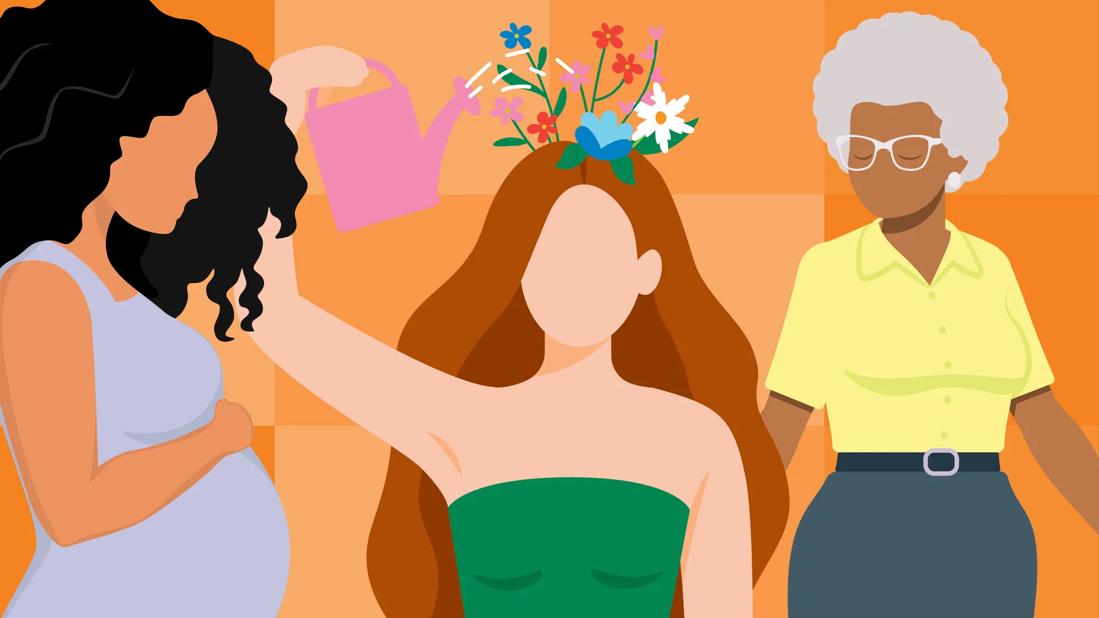

Women’s health is not just about gynecology, periods, pregnancy, or that yearly appointment everyone promises to book “next week.” It is the bigger picture of how a woman’s body, mind, hormones, lifestyle, environment, and access to care all work together across her entire life. In other words, women’s health is not one lane on the highway. It is the whole map.
That matters because women do not experience health and disease in exactly the same way men do. Symptoms can look different. Risks can change with hormones, pregnancy, menopause, and aging. Some conditions are more common in women, some are more severe, and some are more likely to be missed because the textbook version was written with somebody else in mind. Add in work, caregiving, stress, cost barriers, and the tendency many women have to put everyone else first, and you get a topic that is both deeply personal and profoundly important.
If we want healthier families, healthier communities, and better public health overall, women’s health cannot be treated like a side conversation. It has to be part of the main event.
What Women’s Health Really Means
At its core, women’s health means supporting physical, mental, emotional, sexual, and reproductive well-being at every stage of life. It includes obvious areas like periods, fertility, pregnancy, and menopause, but it also includes heart disease, diabetes, autoimmune conditions, sleep, bone strength, cancer screening, mental health, and preventive care.
That broader definition is important because women’s health has often been boxed into reproductive care alone. Reproductive health is a major piece of the puzzle, of course, but it is not the entire puzzle. A woman can have concerns about blood pressure, migraine, cholesterol, depression, urinary incontinence, breast health, thyroid disease, pelvic pain, or bone loss, and all of that still falls squarely under women’s health.
Think of it this way: women’s health is not just about whether the reproductive system is functioning. It is about whether a woman is truly doing well. That includes whether she is sleeping, eating, moving, managing stress, getting screened, being heard by her clinician, and getting care that fits her life instead of bulldozing right over it.
Why Women’s Health Matters So Much
1. Women face unique health risks and life-stage changes
From puberty to the reproductive years, from pregnancy to postpartum recovery, from perimenopause to older adulthood, women go through major biological transitions that can influence everything from mood to metabolism. Hormonal shifts are not imaginary, dramatic, or “just part of being a woman.” They can shape energy, sleep, bone health, cardiovascular risk, bleeding patterns, and quality of life.
Pregnancy alone can reveal or worsen underlying conditions such as high blood pressure, diabetes, heart disease, and depression. Menopause can affect hot flashes, sleep, mood, vaginal health, and long-term risks tied to heart and bone health. These transitions deserve attention, not eye rolls.
2. Women’s symptoms are not always recognized quickly
One of the biggest reasons women’s health matters is that women’s symptoms are not always textbook. Heart disease is a classic example. Many people still think of it as a “men’s issue,” even though it is a major threat to women. A woman may not describe symptoms in the same way a man does, and she may delay seeking care because her signs feel vague, unusual, or easy to dismiss.
The same problem shows up in other areas. Endometriosis is often normalized for far too long as “bad periods.” Autoimmune diseases can take years to diagnose. Mental health concerns can hide behind exhaustion, irritability, or the pressure to keep functioning no matter what. When women’s symptoms are minimized, diagnosis gets delayed and outcomes get worse.
3. Prevention works best when it happens early
Women’s health matters because preventive care changes the game. A well-woman visit is not a ceremonial weigh-in followed by awkward paper gowns. It is a chance to screen for problems early, update vaccines, review family history, talk about birth control or fertility goals, address sexual health, discuss mood changes, check blood pressure, and build a plan for the years ahead.
Preventive care also makes it easier to catch issues before they become louder, scarier, and more expensive. Cervical cancer screening, breast screening, cholesterol checks, blood pressure monitoring, STI screening, depression screening, and discussions about lifestyle habits are all examples of small actions that can pay off in a big way.
4. Women often carry invisible health burdens
Many women are managers of everyone else’s lives before they become managers of their own health. They schedule the dentist for the kids, remember the parent-teacher meeting, refill someone else’s medication, and still somehow get asked what is for dinner. The result is that many women postpone care until a problem becomes impossible to ignore.
That delay is not about laziness or lack of intelligence. It is often about time, money, transportation, caregiving pressure, fear, prior bad experiences in health care, or simply the habit of putting themselves last. When women’s health gets pushed down the list, small concerns can quietly become major ones.
The Major Pillars of Women’s Health
Preventive and primary care
This is the foundation. Regular checkups create a space to track changes over time and catch early warning signs. Preventive care can include blood pressure checks, cholesterol screening, diabetes risk review, cancer screening, immunizations, weight and nutrition counseling, and conversations about sleep, exercise, tobacco, alcohol, and family history.
Good women’s health care is not only about running tests. It is also about asking better questions: Are your periods changing? Do you feel safe at home? Are you leaking urine when you laugh or exercise? Are you thinking about pregnancy this year, never, or maybe later? Have you been feeling more anxious than usual? The best care sounds less like a checklist and more like an intelligent conversation.
Reproductive and sexual health
Reproductive health includes menstruation, contraception, fertility, pregnancy planning, STI prevention, pelvic pain, fibroids, endometriosis, PCOS, menopause, and sexual well-being. It also includes the right to receive accurate information and make informed decisions.
For some women, reproductive health means finding a birth control method that works without making life miserable. For others, it means investigating infertility, managing heavy bleeding, or getting help for pain that has been brushed off for years. Sexual health matters here too. Pain during sex, low desire, vaginal dryness, and recurrent infections are real health concerns, not topics to be whispered about like secret family recipes.
Mental and emotional health
Mental health is women’s health. Anxiety, depression, burnout, trauma, and postpartum mood changes affect daily functioning, relationships, sleep, work, and physical health. Emotional distress can also show up in physical ways, including headaches, digestive problems, body pain, and exhaustion.
Women may be more likely to seek help than men in some situations, but that does not mean care is always easy to access or that symptoms are always taken seriously. Mental health deserves the same respect as blood pressure, cholesterol, or a broken bone. If it affects how you live, it belongs in the exam room.
Heart and metabolic health
Women’s health conversations sometimes focus so heavily on breast and reproductive topics that cardiovascular health gets left in the shadows. That is a mistake. Heart disease, stroke risk, blood pressure, cholesterol, diabetes, and metabolic syndrome all deserve serious attention.
Women can have risk factors that deserve extra notice, including high blood pressure during pregnancy, gestational diabetes, preeclampsia, early menopause, autoimmune disease, and family history. A healthy diet, physical activity, smoking avoidance, good sleep, and regular screening are not glamorous, but neither is a preventable health crisis.
Bone and healthy aging
Bone health becomes especially important with age, particularly after menopause when estrogen levels fall and bone loss can speed up. Muscle strength, balance, vitamin D, calcium intake, fall prevention, and weight-bearing activity all play important roles in protecting long-term mobility and independence.
Healthy aging in women is also about brain health, cancer prevention, bladder health, sexual comfort, social connection, hearing, vision, and maintaining a life that still feels like your own. Living longer is great. Living longer while feeling ignored, frail, or exhausted is a much less exciting sales pitch.
Women’s Health Across the Life Span
Teens and young adults
Early adulthood is a key time to build habits and establish a relationship with trusted health care providers. Topics often include menstrual concerns, vaccines, STI prevention, contraception, body image, eating patterns, sports participation, stress, and mental health.
This stage is also where many women learn whether their symptoms will be taken seriously. A young woman who is told that severe pain is “normal” may spend years delaying care for a treatable condition. Listening early matters.
The 30s and 40s
These years often bring competing pressures: career growth, caregiving, finances, relationships, pregnancy decisions, and changing energy levels. Health care may include fertility conversations, prenatal planning, postpartum recovery, cervical screening, breast awareness, blood pressure monitoring, mental health check-ins, and management of chronic conditions.
Many women in this phase become experts at functioning while exhausted. Unfortunately, “I’m managing” is not always the same as “I’m healthy.”
Pregnancy and postpartum
Pregnancy is not a pause in health care. It is a time when health care becomes even more important. Prenatal visits, recommended testing, medication review, nutrition support, blood pressure monitoring, diabetes screening, and postpartum follow-up all matter. So do conversations about mood, safety, breastfeeding support, sleep, and recovery.
The postpartum period deserves more attention than it often gets. A healthy baby is wonderful, but the mother’s physical and emotional health matters just as much. Recovery is not complete just because the baby photo came out cute.
Midlife, menopause, and beyond
Perimenopause and menopause can bring hot flashes, sleep disruption, brain fog, mood changes, irregular bleeding, vaginal dryness, and changes in cholesterol or body composition. Some women glide through this transition. Others feel like their thermostat, sleep cycle, and patience all filed for resignation at the same time.
This stage is also a major moment for preventive care. Heart health, bone density, cancer screening, bladder symptoms, sexual health, and physical activity all become increasingly important. Women should not have to “just deal with it” when treatment, symptom relief, and better support are available.
What Better Women’s Health Care Looks Like
Better women’s health care means listening carefully, screening thoughtfully, and treating the whole person. It means asking about goals, not just symptoms. It means recognizing that a woman may be dealing with work stress, caregiving strain, financial pressure, trauma history, or cultural barriers that affect what care is realistic.
It also means closing research and care gaps. Women need evidence-based care that reflects how diseases show up in real life, not just how they appear in a simplified model. They need clinicians who understand that chest pain is not the only warning sign worth noticing, that pelvic pain should not be shrugged off, and that mental health deserves immediate attention instead of polite neglect.
Most of all, better care means treating women as reliable narrators of their own bodies. That should not be revolutionary, but here we are.
Experiences That Show Why Women’s Health Matters
Talk to enough women and a pattern appears. One woman goes in for a routine visit thinking she is “fine,” only to find out her blood pressure has been high for months. She had chalked up the headaches to stress and too much coffee. Another woman spends years believing her painful periods are simply her personal burden, until a specialist finally identifies endometriosis. A third woman assumes her crushing fatigue after childbirth is just part of new motherhood, then learns she is dealing with postpartum depression and severe sleep deprivation at the same time.
These experiences are different, but they share one lesson: women’s health problems do not always arrive wearing a giant neon sign. Sometimes they show up quietly. Sometimes they look like irritability, skipped workouts, brain fog, or “I’m just tired lately.” Sometimes they hide under a woman’s ability to keep functioning even when she is struggling.
Consider a woman in her early 40s who begins waking up at 3 a.m. most nights. She feels anxious, her periods are changing, and she cannot focus the way she used to. She wonders whether she is stressed, overworked, or somehow failing at adulthood. In reality, she may be entering perimenopause. The problem is not that her body is betraying her. The problem is that nobody explained what this life stage can look like.
Or think about a woman who had high blood pressure during pregnancy years ago and now assumes that chapter is closed. She may not realize that pregnancy complications can offer clues about future cardiovascular risk. What happened during pregnancy did not stay politely in the pregnancy folder. It may still matter now.
There is also the emotional side. Many women describe the relief of finally hearing a clinician say, “That is not normal, and we should look into it.” That sentence can be more powerful than people realize. It turns confusion into validation and silence into action. It reminds women that pain, bleeding changes, sexual discomfort, low mood, urinary leaks, or persistent exhaustion are not personality traits. They are health issues.
Positive experiences matter too. A woman who builds a trusting relationship with a primary care doctor or gynecologist often gets care sooner, asks better questions, and feels less fear about screening or treatment. She is more likely to bring up the awkward symptoms, the embarrassing concerns, the things she almost left out. That is often where the most useful care begins.
In real life, women’s health is rarely one dramatic diagnosis. More often, it is a series of ordinary decisions: scheduling the exam, mentioning the symptom, following up on the lab result, asking about the medication, getting the mammogram, talking honestly about mental health, and refusing to accept “you’re probably fine” when the body keeps saying otherwise. Those choices may look small from the outside, but over time they can change everything.
Final Thoughts
Women’s health means caring for the whole woman, not just one body part, one hormone, or one chapter of life. It matters because women face unique risks, common conditions can look different in women, and preventive care can catch problems early enough to make a real difference. It matters because mental health, reproductive health, heart health, bone health, and aging are all connected. And it matters because women deserve care that is accurate, respectful, timely, and built around real lives.
The best message is also the simplest: do not wait for a crisis to take your health seriously. Book the visit. Ask the question. Mention the symptom. Follow up on the screening. Protect the body you live in every single day. It has been carrying a lot. The least we can do is listen to it.