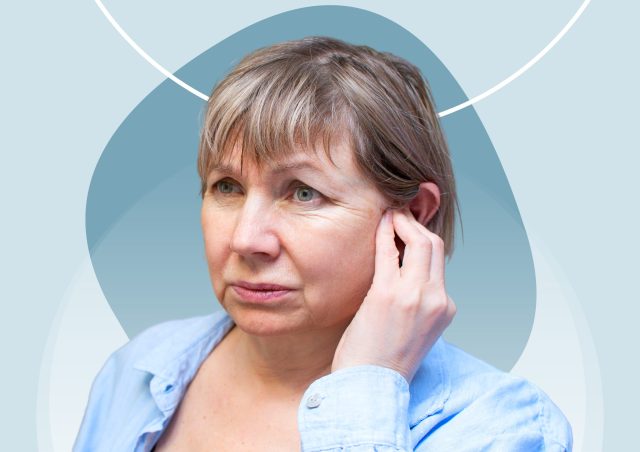

Note: This article is for general educational purposes only. Tinnitus can be linked to hearing loss, earwax, medication side effects, jaw problems, blood pressure issues, infections, or other medical conditions. Anyone with sudden hearing loss, one-sided tinnitus, pulsatile “heartbeat” tinnitus, dizziness, ear pain, drainage, or neurological symptoms should seek medical care promptly.
Introduction: Can You Really Get Rid of Tinnitus?
Tinnitus is that mysterious ringing, buzzing, hissing, roaring, clicking, or tea-kettle-in-the-distance sound that seems to appear when the room finally gets quiet. Some people hear it in one ear, some in both, and some describe it as coming from “inside the head,” which is not exactly the relaxing spa experience anyone ordered.
Before we dive into how to get rid of tinnitus, let’s clear up the big question: tinnitus is not always something you can instantly “delete” like a spam email. In many cases, there is no single cure that makes it vanish overnight. However, many people can reduce tinnitus, make it less noticeable, sleep better, concentrate more easily, and regain a sense of control. That is the real goal: not chasing panic-inducing silence, but training the brain to stop treating tinnitus like breaking news.
The best tinnitus relief plan usually combines medical evaluation, hearing support, sound therapy, stress management, sleep improvement, and smart lifestyle changes. Think of it like turning down the emotional volume knob even when the actual sound is stubborn. Below are four evidence-informed ways to manage tinnitus in 2024 and beyond.
What Is Tinnitus?
Tinnitus is the perception of sound when no outside sound source is present. It may sound like ringing, buzzing, humming, roaring, clicking, pulsing, or static. It is often connected to hearing loss, noise exposure, aging, ear injury, earwax buildup, jaw disorders, certain medications, and some circulatory conditions.
Millions of Americans experience tinnitus, and for some, it becomes more than a mild annoyance. It can interfere with sleep, work, conversations, concentration, and mood. The frustrating part is that tinnitus is a symptom, not a disease by itself. That means the first smart move is not to buy a random “miracle pill” online at 2:00 a.m. The first smart move is to understand what may be causing it.
Way 1: Get a Proper Ear and Hearing Evaluation
Why this matters
If tinnitus is new, persistent, one-sided, or affecting your life, start with a healthcare professional. A primary care doctor, ear-nose-throat specialist, or audiologist can help identify whether the sound is related to hearing loss, earwax, infection, jaw issues, medication side effects, or another condition.
This step is not glamorous. Nobody brags, “Guess who had their ear canal inspected today?” But it is important. Something as simple as impacted earwax can make tinnitus worse. Treating an ear infection, adjusting a medication under medical supervision, managing blood pressure, or addressing jaw tension may reduce symptoms for some people.
When tinnitus needs urgent attention
Seek prompt medical help if tinnitus appears suddenly with hearing loss, follows a head injury, occurs with severe dizziness, is only in one ear, or sounds like a heartbeat. Pulsatile tinnitus can sometimes be related to blood vessel or circulation issues and deserves professional evaluation.
What to expect at an appointment
A clinician may ask when the tinnitus started, whether it is constant or occasional, whether it changes with jaw or neck movement, what medications you take, and whether you have been exposed to loud noise. An audiologist may perform a hearing test to check whether hearing loss is part of the picture. This matters because hearing loss and tinnitus often travel together like two annoying cousins at a family reunion.
If hearing loss is found, treating it may make tinnitus less noticeable. When the brain receives clearer outside sound, it may pay less attention to the internal ringing. That is one reason hearing aids can be useful for people who have both tinnitus and hearing loss.
Way 2: Use Sound Therapy and Hearing Support
How sound therapy helps
Sound therapy uses external sound to reduce the contrast between tinnitus and silence. The goal is not always to cover tinnitus completely. Sometimes the goal is to soften it, distract from it, or help the brain classify it as background noise.
Common sound therapy options include white noise machines, fans, soft music, nature sounds, rainfall tracks, ocean waves, sound pillows, sleep headphones, hearing aids with tinnitus programs, and wearable sound generators. The best sound is usually one that feels calming rather than irritating. If your “relaxing rainstorm” track sounds like a raccoon power-washing a trash can, choose something else.
Hearing aids for tinnitus
For people with hearing loss, hearing aids may help in two ways. First, they improve access to everyday sound, which can make tinnitus less dominant. Second, many modern hearing aids include built-in sound therapy programs. These may play gentle tones, broadband noise, or nature-inspired sounds.
Over-the-counter hearing aids are now available in the United States for adults 18 and older with perceived mild to moderate hearing loss. However, tinnitus can be complicated, so people with severe symptoms, one-sided tinnitus, sudden changes, or uncertainty about their hearing should still consider professional evaluation.
What about tinnitus apps?
Tinnitus apps can be useful tools for sleep, relaxation, concentration, and sound enrichment. Many provide white noise, pink noise, brown noise, rainfall, music, breathing exercises, or guided relaxation. They are not magic, but they can help create a sound-rich environment, especially at bedtime.
A simple sound therapy routine
Try this: choose a soft background sound and keep it slightly below or around the loudness of your tinnitus. Use it while reading, working, or falling asleep. Avoid blasting sound directly into your ears. Louder is not better; louder is just louder. The aim is comfort, not an acoustic wrestling match.
Way 3: Train Your Brain With CBT, Mindfulness, and Sleep Strategies
Why the brain’s reaction matters
Tinnitus becomes more disruptive when the brain treats it as a threat. The sound triggers frustration, fear, monitoring, and “Is it louder now?” checking. That stress response can make the tinnitus feel even more intrusive. Cognitive behavioral therapy, often called CBT, helps people change their reaction to tinnitus. It may not erase the sound, but it can reduce distress and improve quality of life.
This is not “just think positive” advice. CBT is a structured approach that teaches practical skills: reframing catastrophic thoughts, reducing avoidance, improving sleep routines, managing stress responses, and building coping habits. For tinnitus, that can mean moving from “This sound will ruin my life” to “This is unpleasant, but I have tools and it does not control everything.” That shift is powerful.
Mindfulness for tinnitus
Mindfulness-based approaches can also help. Instead of fighting tinnitus every second, mindfulness teaches the skill of noticing the sound without grabbing it emotionally by the collar. You acknowledge it, breathe, and return attention to something else. At first, this may feel impossible. With practice, many people become less reactive.
Sleep tips when tinnitus gets louder at night
Tinnitus often feels worse at night because the world gets quiet and your brain has fewer distractions. A sleep-friendly plan can include low-level background sound, a consistent bedtime, less screen time before bed, reduced late caffeine, and a calming wind-down routine.
Try keeping the bedroom gently sound-enriched. A fan, sound machine, or soft nature track can reduce the sharp contrast between silence and tinnitus. Keep the volume comfortable. The goal is to make the sound blend into the environment, not recreate a nightclub for your pillow.
Stress management is not optional
Stress does not always cause tinnitus, but it can make tinnitus feel louder and harder to ignore. Exercise, breathing exercises, counseling, journaling, and relaxation routines may reduce the body’s alarm response. Even a daily walk can help, especially if it gives your brain something else to process besides the internal soundtrack.
Way 4: Protect Your Ears and Reduce Triggers
Noise protection: the boring hero
Noise exposure is one of the most common contributors to tinnitus and hearing damage. Protecting your ears can prevent tinnitus from worsening. Use earplugs or earmuffs around concerts, power tools, motorcycles, fireworks, lawn equipment, or loud workplaces. If you need to shout to talk to someone nearby, the environment is probably loud enough to deserve hearing protection.
That said, do not overprotect your ears in normal everyday environments. Wearing earplugs all day in safe settings can make the brain more sensitive to sound. Use protection when sound is genuinely loud, not while making toast.
Check medication and health triggers
Some medications can trigger or worsen tinnitus in certain people. These may include high doses of aspirin, some antibiotics, certain chemotherapy drugs, some diuretics, and other medications. Never stop prescribed medication without speaking to a healthcare professional. Instead, ask whether tinnitus could be a side effect and whether alternatives are appropriate.
Limit common irritants
Alcohol, nicotine, poor sleep, high stress, and excessive caffeine may worsen tinnitus for some people. The tricky part is that triggers are personal. One person may notice caffeine makes the ringing louder; another may drink coffee peacefully and blame the leaf blower next door. Keep a simple tinnitus diary for two weeks. Track sleep, caffeine, alcohol, stress, noise exposure, exercise, and symptom changes. Patterns may appear.
Move your body, help your nervous system
Regular exercise supports circulation, sleep, stress reduction, and overall health. It will not necessarily switch tinnitus off, but it can make the body less reactive. Gentle stretching may also help people whose tinnitus changes with neck, jaw, or shoulder tension. If jaw movement changes your tinnitus, ask a dentist or clinician about temporomandibular joint issues.
What Not to Do: Avoid the “Miracle Cure” Trap
The internet is full of tinnitus supplements, secret drops, oils, detoxes, and dramatic before-and-after stories. Some claim to “restore hearing overnight” or “flush out tinnitus permanently.” Be careful. Major clinical guidelines do not recommend dietary supplements such as ginkgo biloba, zinc, melatonin, or similar products as routine treatment for persistent, bothersome tinnitus.
This does not mean nutrition is irrelevant. If someone has a confirmed deficiency, a clinician may recommend targeted treatment. But buying random supplements because an ad promised silence is usually a fast way to make your wallet lighter while your ears continue performing their tiny unwanted concert.
Can New Devices Help Tinnitus?
Newer tinnitus technologies are developing, including bimodal neuromodulation devices that combine sound with another form of stimulation. One FDA-cleared example uses sound through headphones paired with mild tongue stimulation for temporary relief of tinnitus symptoms in adults with at least moderate tinnitus severity. These devices are not the same as a universal cure, and they should be considered with qualified hearing professionals.
For many people, the strongest practical plan remains a combination of hearing evaluation, sound therapy, CBT-based coping strategies, ear protection, and healthy routines. New technology may help some users, but the foundation is still personalized care.
A Practical 7-Day Tinnitus Relief Starter Plan
Day 1: Write down your baseline
Rate your tinnitus from 1 to 10. Note where you hear it, what it sounds like, and when it bothers you most. This gives you a starting point.
Day 2: Book an evaluation
If tinnitus is persistent, new, or distressing, schedule a hearing test or medical appointment. Do not guess when professional guidance is available.
Day 3: Add gentle background sound
Try a fan, soft music, or nature sound during quiet periods. Keep the volume low and comfortable.
Day 4: Protect your ears from loud noise
Use earplugs or earmuffs around loud tools, concerts, traffic, or machinery. Prevention is less exciting than regret, but much cheaper.
Day 5: Improve your sleep setup
Create a wind-down routine. Lower lights, reduce screen time, and use soft sound in the bedroom if silence makes tinnitus stand out.
Day 6: Practice a stress reset
Try five minutes of slow breathing: inhale for four counts, exhale for six. Repeat. This helps calm the nervous system.
Day 7: Review patterns
Look at your notes. Did poor sleep, loud sound, stress, alcohol, or caffeine make symptoms worse? Use that information to customize your plan.
Real-Life Experiences: What Tinnitus Relief Often Feels Like
Many people imagine tinnitus recovery as a dramatic movie scene: one day the ringing is roaring, the next day birds are chirping, sunlight pours through the window, and the soundtrack swells. Real life is usually less cinematic and more gradual. It often looks like small wins that build over time.
One common experience is the “first quiet-ish night.” A person who has been lying awake for weeks finally tries low-level rain sounds, keeps the room cool, avoids late caffeine, and stops checking the tinnitus every 30 seconds. The ringing may still be there, but the panic drops. They sleep four decent hours instead of two miserable ones. That may not sound heroic, but to someone with tinnitus, it can feel like winning a tiny Olympic medal in the event of Not Losing Your Mind at 1:17 a.m.
Another experience happens after a hearing test. Someone realizes they have mild high-frequency hearing loss, even though they thought their hearing was “fine.” After trying properly fitted hearing aids, everyday sounds become clearer: footsteps, leaves, conversation, kitchen noises. The tinnitus does not necessarily disappear, but it no longer dominates the soundscape. The brain has more real-world audio to chew on, and the ringing becomes less of a solo performance.
Then there is the CBT experience. At first, people may resist it. “Why do I need therapy? My ears are ringing, not my personality.” Fair point. But tinnitus distress is not only about the sound; it is also about the fear and attention loop around the sound. CBT gives people language and tools for that loop. Over time, they may stop scanning for tinnitus first thing in the morning. They may return to restaurants, work projects, hobbies, or exercise. The sound may still visit, but it no longer gets the best chair in the house.
Some people also discover body-related triggers. Their tinnitus changes when they clench their jaw, turn their neck, or sit hunched over a laptop. For them, dental care, posture work, physical therapy, or stress-related jaw relaxation may help. It is not instant, and it is not the answer for everyone, but it can be a missing piece.
The biggest lesson from tinnitus experiences is patience. People often improve when they stop treating every spike as a disaster. Tinnitus can fluctuate after poor sleep, illness, stress, loud sound, or even a rough day. A spike does not mean you are back to zero. It means your nervous system is irritated and needs support.
A helpful mindset is: “What can I do today that makes tinnitus less important?” Maybe that is using background sound while working. Maybe it is wearing ear protection while mowing the lawn. Maybe it is booking the audiology appointment you have been avoiding. Maybe it is closing the supplement ad that promises a miracle and spending that money on a good pillow, a sound machine, or a professional consultation instead.
Living with tinnitus does not mean surrendering to it. It means building a practical toolkit. Some days the toolkit works beautifully. Some days the ringing is still annoying. But over time, many people find that tinnitus moves from the center of life to the background. And that is real relief.
Conclusion: The Best Way to Get Rid of Tinnitus Is to Manage It Smartly
The phrase “how to get rid of tinnitus” is understandable because nobody wants an unwanted sound following them around like a clingy mosquito with a speaker system. But the most honest answer is this: tinnitus relief usually comes from identifying treatable causes, supporting hearing, using sound therapy, calming the brain’s stress response, protecting the ears, and building healthier daily routines.
There is no one-size-fits-all tinnitus cure, but there are effective ways to reduce its impact. Start with a proper evaluation. Use gentle sound instead of silence when needed. Consider CBT or mindfulness if tinnitus is causing stress, anxiety, or sleep problems. Protect your hearing from loud noise. Be skeptical of miracle claims. Most importantly, remember that improvement often means the sound becomes less important, less frightening, and less able to run your day.