
Laminate floors are the reliable jeans of home design: good-looking, practical, and surprisingly easy to live with. But even the best laminate flooring can start looking dull after weeks of shoes, pet paws, snack crumbs, chair scoots, and the occasional mystery sticky spot nobody in the house claims. The good news? You usually do not need heavy-duty polish, wax, or a dramatic cleaning montage to bring back the shine.
In fact, the phrase “polish laminate floors” can be a little tricky. Traditional floor polish, wax, oil soap, and buffing machines are often bad news for laminate because laminate has a factory-made wear layer that is not meant to absorb products like hardwood does. The safest way to make laminate floors shine is to remove dust, clean away residue, dry the surface properly, and gently buff it with microfiber. Think of it as giving your floor a spa dayminus the cucumber water and whale sounds.
This guide walks you through eight easy steps to polish laminate floors safely, restore a cleaner shine, and avoid the common mistakes that leave streaks, haze, swelling, or slippery patches. Whether your floor looks cloudy from cleaner buildup or just needs a little weekend refresh, these laminate floor polishing tips will help you get a brighter finish without damaging the surface.
Before You Start: What “Polishing” Laminate Really Means
Laminate flooring is made in layers. The top layer is a clear protective surface designed to resist daily wear, while the decorative layer underneath gives the look of wood, stone, or tile. Because the surface is sealed, you should not treat laminate like unfinished wood. It does not need wax, varnish, oil, or aggressive refinishing.
For most homes, polishing laminate means three things: cleaning off grit, removing residue, and buffing the dry surface until it looks brighter. If your floor is old, scratched, or worn through the top layer, cleaning can improve its appearance, but it cannot rebuild the finish. Laminate cannot be sanded and refinished like hardwood. That is why prevention matters: gentle cleaning today saves you from sad, dull planks tomorrow.
Tools and Supplies You Will Need
Gather your supplies before you begin so you do not have to walk across a half-cleaned floor looking for a cloth. That is how footprints become modern art.
- Soft-bristle broom, dust mop, or vacuum with a hard-floor attachment
- Microfiber mop
- Clean microfiber cloths
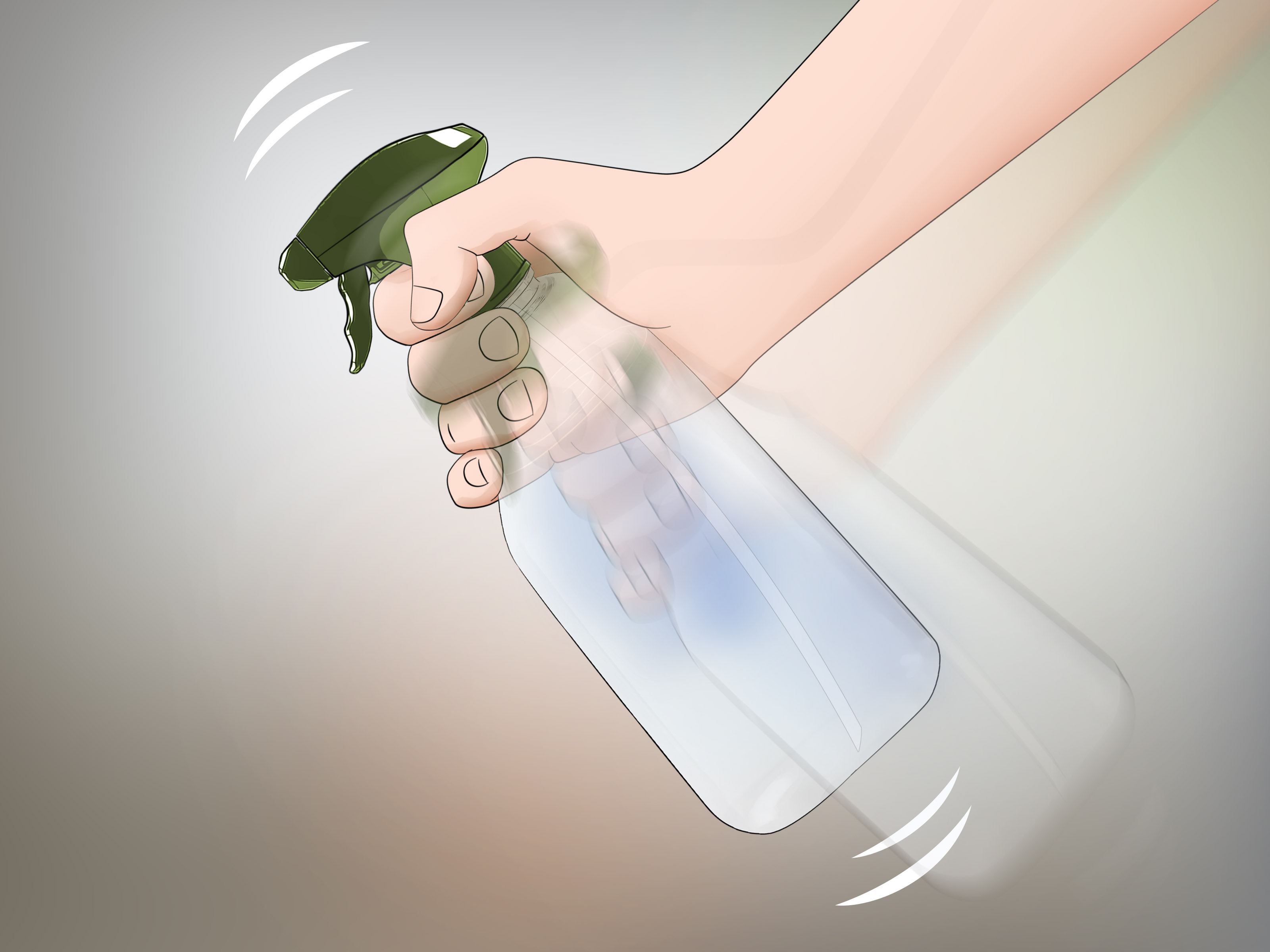
- Spray bottle
- Laminate-safe floor cleaner
- Warm water
- White vinegar, optional for residue removal
- Dry towel or extra microfiber pad
- Felt furniture pads for prevention
Avoid steel wool, abrasive scrubbers, steam mops, wax, oil soap, furniture polish, bleach-heavy cleaners, and soaking-wet mop heads. Laminate prefers a light touch. If it had a personality, it would say, “Please clean me gently, and do not bring a steam machine into this relationship.”
Step 1: Remove Loose Dirt and Grit First
The first rule of making laminate floors shine is simple: do not mop dirt into mud. Sweep, dust mop, or vacuum the floor thoroughly before using any liquid. Tiny particles of sand, grit, and tracked-in debris can act like miniature sandpaper. When you drag them across the floor with a mop, they may leave faint scratches that dull the surface over time.
Use a soft-bristle broom or a microfiber dust mop for daily cleaning. If you vacuum, choose the hard-floor setting and avoid a rotating beater bar. A beater bar is great for carpet, but on laminate it can be a tiny chaos machine. Pay attention to corners, under cabinet edges, around pet bowls, and near entry doors where dirt loves to hide like it pays rent.
Step 2: Spot-Clean Sticky Messes and Stains
Before mopping the whole floor, deal with visible spots. Sticky spills, dried food, footprints, and scuff marks can spread during mopping if you ignore them. Use a lightly damp microfiber cloth and a small amount of laminate-safe cleaner. Spray the cloth, not the floor, and wipe the spot gently.
For dried-on messes, let the damp cloth rest on the spot for a short moment, then wipe again. Do not flood the area. If you are dealing with something waxy, such as candle wax or gum, harden it with ice in a plastic bag and gently lift it with a plastic scraper. Never use a metal blade, because one enthusiastic scrape can turn a small problem into a permanent souvenir.
For ink, paint, or marker, check your floor manufacturer’s instructions first. Some care guides allow a tiny amount of acetone or nail polish remover on a clean white cloth for stubborn marks, followed immediately by wiping with a damp cloth and drying. Always test in a hidden area before trying any stronger spot treatment.
Step 3: Choose a Laminate-Safe Cleaner
The cleaner you choose can make the difference between a bright floor and a streaky, cloudy one. Use a product labeled for laminate or hard-surface floors. These cleaners are designed to remove soil without leaving a heavy film. A film is often the real reason laminate looks dull. The floor may not be “worn out”; it may just be wearing three months of cleaner residue like a bad sweater.
If you prefer a simple homemade cleaner, mix one cup of white vinegar into one gallon of warm water. Vinegar can help cut through residue, but it should be diluted and used lightly. Another mild option is a few drops of clear, unscented dish soap in a gallon of warm water, but use soap sparingly because too much can leave its own film.
Never pour cleaner directly onto laminate floors. Use a spray bottle or damp mop pad. The goal is controlled moisture, not a tiny indoor lake. Laminate can handle a careful damp clean, but puddles may seep into seams and cause swelling, warping, or edge lifting.
Step 4: Damp-Mop in Small Sections
Now it is time to mop. Lightly dampen your microfiber mop with your laminate-safe cleaner. The mop should be damp, not wet enough to leave standing water. If you can wring water from it like a beach towel, it is too wet.
Work in small sections so the floor does not stay damp for long. Mop with the direction of the planks when possible. This helps reduce streaks and makes it easier to catch dirt hiding in the texture of the floor. Rinse or replace the mop pad when it becomes dirty. A dirty mop pad simply moves grime around and gives it a tour of your living room.
If you notice streaks, you may be using too much cleaner, too much water, or a mop pad that needs washing. Less is usually more with laminate. A light mist and a clean microfiber pad often outperform a bucket full of ambitious cleaning solution.
Step 5: Remove Cleaner Residue
If your laminate floor still looks dull after mopping, residue may be the culprit. This often happens when homeowners use soap-heavy cleaners, oil-based products, wax, or multipurpose sprays that were never meant for laminate. The surface may feel slightly tacky, look cloudy in sunlight, or show footprints right after cleaning.
To remove residue, damp-mop again with clean warm water or a diluted vinegar solution. Use very little liquid and change the mop pad often. For problem areas, wipe by hand with a microfiber cloth so you can control pressure and moisture. Do not scrub aggressively. Laminate has a protective wear layer, and treating it like a grill grate is not the path to beauty.
After residue removal, check the floor from different angles. Natural light is excellent at revealing streaks. It is also excellent at revealing dust you missed, pet hair, and the fact that your sofa has been hiding a whole cracker since Tuesday.
Step 6: Dry the Floor Thoroughly
Drying is one of the most important steps in polishing laminate floors. Moisture that lingers on the surface can leave spots, streaks, or seep into seams. After damp-mopping, go over the floor with a clean dry microfiber pad or towel. This extra pass helps remove leftover moisture and starts the buffing process.
Do not replace rugs or mats until the floor is fully dry. Trapped moisture under a rug can create problems, especially near doors, kitchens, laundry rooms, and pet feeding stations. If you cleaned a large area, improve airflow by opening a window or running a fan. Just avoid using heat directly on the floor.
This step may feel small, but it is the secret behind a streak-free finish. Many dull-floor complaints are really damp-floor complaints wearing a disguise.
Step 7: Buff with a Clean Microfiber Cloth
Once the floor is dry, buff it gently with a clean microfiber cloth or dry microfiber mop pad. Use smooth, even strokes, following the grain or plank direction. Buffing helps remove faint haze, lifts remaining dust, and brings out the floor’s natural sheen.
You do not need a mechanical buffer. In fact, many laminate care guides advise against buffers, scrubbers, and similar machines because they can damage the surface. A clean microfiber cloth is enough for most floors. It is affordable, washable, and unlikely to behave like a power tool with unfinished emotional business.
If you want extra shine in a high-visibility area, such as a hallway or living room, buff that section twice with a fresh cloth. Do not apply furniture polish or wax. Those products can create slippery spots, attract dirt, or leave a cloudy coating that is harder to remove later.
Step 8: Protect the Shine with Simple Habits
The easiest way to polish laminate floors is to stop them from getting dull too quickly. Place doormats at entrances to reduce grit. Use area rugs in busy zones, but choose rug pads labeled safe for laminate. Add felt pads under chair legs, tables, stools, and furniture that gets moved often.
Clean spills as soon as they happen. Trim pet nails to reduce scuffs. Lift furniture instead of dragging it. Sweep regularly, especially near exterior doors. These small habits do more for shine than any miracle product with dramatic packaging and suspicious promises.
Also, review your floor’s warranty or care guide before using any new cleaner. Some laminate floors are water-resistant, but that does not automatically mean steam-safe or puddle-proof. Water-resistant is not the same as “please soak me every Saturday.”
Common Mistakes That Make Laminate Floors Look Dull
Using Too Much Water
Too much water can seep into seams and cause swelling or warping. Always use a damp mop, not a wet one. If water sits visibly on the floor, dry it immediately.
Applying Wax or Oil-Based Products
Wax and oil-based cleaners can leave buildup on laminate. Since laminate does not absorb wax like traditional wood, these products may sit on top of the surface and create a cloudy or slippery layer.
Cleaning with Abrasive Pads
Steel wool, rough scrubbers, and abrasive powders can scratch the protective top layer. Once that layer is damaged, shine becomes harder to restore.
Using a Steam Mop
Steam combines heat and moisture, which can damage laminate seams, soften layers, dull the finish, or cause bubbling. Unless your specific floor manufacturer clearly says steam is safe, skip it.
Skipping the Dry Buff
If you mop and walk away, remaining moisture can dry into streaks. A quick dry-buff with microfiber gives the floor a cleaner, brighter look.
How Often Should You Polish Laminate Floors?
For most homes, dry cleaning several times a week and damp-mopping every two to four weeks is enough. Busy households with kids, pets, or outdoor shoes may need more frequent touch-ups. Full “polishing,” meaning clean, residue removal, dry, and buff, can be done once a month or whenever the floor looks dull.
Do not overclean with liquid. Laminate likes consistency, not drama. A quick dust mop on weekdays and a careful damp clean when needed will usually keep it looking fresh.
Best Cleaner Options for a Natural Shine
The best cleaner for laminate floors is one that removes soil without leaving residue. A store-bought laminate floor cleaner is the simplest choice. Look for labels that mention laminate, hard-surface floors, no-wax floors, or residue-free cleaning.
For a budget-friendly homemade option, diluted vinegar and water can help remove haze. Use it occasionally rather than daily, and never let it pool. For light maintenance, plain warm water on a barely damp microfiber mop may be enough, especially if you sweep regularly.
Avoid cleaners that promise “shine” but are not labeled for laminate. Shine-enhancing products can sometimes create buildup. The best shine usually comes from a clean surface, not a coating.
Real-Life Experience: What Actually Works When Laminate Floors Look Tired
If you have ever cleaned laminate floors and thought, “Why do they somehow look worse now?” you are not alone. One of the most common experiences with laminate is the mysterious post-mop haze. The floor was supposed to look fresh and glossy, but instead it looks like someone rubbed it with a foggy window. In many cases, the problem is not the floor. It is leftover product.
A practical approach is to start with the least aggressive solution. First, dry mop slowly and thoroughly. This sounds too simple, but it matters. In homes with pets, a dust mop can pick up hair and fine grit that a quick broom pass misses. Next, use a barely damp microfiber mop with warm water only. Let the floor dry, then inspect it in natural light. If it already looks better, the dullness was probably dust and light residue.
If the haze remains, try a diluted vinegar rinse. Spray the cleaner lightly onto the mop pad instead of the floor. Work in a small area, then dry it immediately with a clean microfiber cloth. This method gives you control. You can see whether the floor improves without committing the entire room to an experiment. The improvement is often most noticeable near kitchen islands, dining tables, and entryways, where cleaner buildup and foot traffic overlap.
Another experience many homeowners share is the “chair leg scuff zone.” Dining chairs can dull laminate quickly because they move back and forth every day. Cleaning helps, but prevention helps more. Felt pads are inexpensive and surprisingly powerful. Replace them when they collect grit or flatten out. Dirty felt pads can become tiny sanding blocks, which is rude behavior from something that was hired to protect your floor.
Pet areas need special attention too. Water bowls, food crumbs, and excited paws can create dull spots. Place a laminate-safe mat under bowls and wipe splashes quickly. For pet hair, a microfiber dust mop usually works better than a traditional broom because it grabs fine hair instead of launching it into a new location.
In sunny rooms, you may notice that some areas look duller than others. Sometimes this is not dirt but uneven wear or light exposure. Rugs can help protect high-traffic spaces, but avoid rubber-backed mats unless they are labeled safe for laminate. Some backing materials can discolor or react with flooring over time.
The biggest lesson from real-world laminate care is this: shine is usually restored by removing things, not adding things. Remove grit. Remove sticky cleaner. Remove moisture. Remove the habit of spraying mystery products directly onto the floor. Once the surface is truly clean and dry, a microfiber buff can make a surprising difference.
Finally, keep expectations realistic. If laminate has deep scratches, swollen seams, peeling edges, or worn-through patches, cleaning will not reverse structural damage. But if the problem is dullness, streaks, footprints, or cloudy buildup, the eight-step method in this guide can make the floor look cleaner, brighter, and better cared for. It is not magicit is just smart maintenance with fewer puddles and fewer questionable bottles from the back of the cleaning cabinet.
Conclusion
Polishing laminate floors does not mean waxing, oiling, steaming, or attacking the surface with a machine. The safest way to restore shine is to clean gently, remove residue, dry thoroughly, and buff with microfiber. With the right routine, laminate floors can stay bright and attractive without high-maintenance drama.
Remember the golden rule: moisture and buildup are the enemies. Use as little liquid as possible, choose laminate-safe cleaners, wipe spills quickly, and protect high-traffic areas with mats and furniture pads. Your floor will reward you by looking clean, smooth, and ready for whatever life rolls across it nextkids, pets, guests, or that one chair everyone drags instead of lifts.