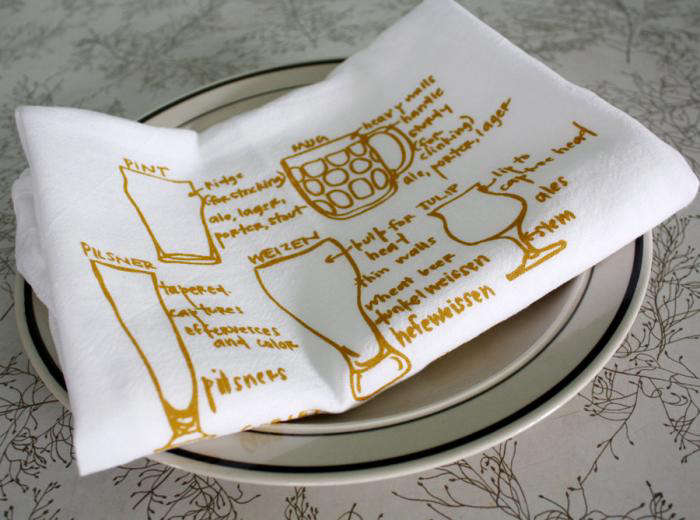

Some kitchen accessories work hard but look painfully serious. Wine and beer tea towels take a more cheerful approach. They dry hands, polish glassware, line bread baskets, decorate bar carts, and quietly announce that someone in the house knows the difference between a pilsner and a pinotor is at least willing to pretend.
Available with vineyard illustrations, beer-style charts, tasting notes, bottle graphics, brewery humor, and personalized designs, these beverage-themed kitchen towels blend practical function with personality. They can be affordable gifts, seasonal decorations, conversation starters, or dependable everyday linens. The secret is choosing a towel that performs as well as it poses for compliments.
What Are Wine and Beer Tea Towels?
Wine and beer tea towels are reusable kitchen cloths decorated with artwork, information, or slogans related to wine, brewing, and drinking culture. A wine towel might feature grape varieties, regional maps, corkscrews, pairing suggestions, or elegant bottles. A beer towel may display hop cones, pint glasses, brewing ingredients, beer styles, or jokes about an emergency trip to the refrigerator.
Despite the name, a tea towel does not have to go anywhere near a teapot. The term commonly refers to a lightweight, flat-woven kitchen towel traditionally made from linen or cotton. Modern versions are used for drying dishes, covering baked goods, handling light kitchen tasks, and adding color to a room.
They are generally thinner and less fluffy than terry dish towels. That difference matters: a smooth, tightly woven surface is less likely to leave fuzz on wine glasses, while the broad flat area gives designers plenty of room for illustrations and text.
Why Beverage-Themed Towels Are So Popular
They Make Functional Kitchen Decor
A printed tea towel can add character without taking up counter space. Hang one from an oven handle, cabinet pull, or wall hook, and a plain kitchen immediately feels more personal. Unlike framed art, it can also wipe up a splash of chardonnay. That is impressive versatility for a rectangle of fabric.
Wine designs often complement traditional, farmhouse, French-country, or Mediterranean interiors. Beer illustrations fit naturally in industrial kitchens, home bars, game rooms, grilling areas, and backyard entertaining spaces. Minimal bottle outlines and muted typography also work well in contemporary rooms.
They Are Easy Gifts for Difficult-to-Shop-for People
Wine and beer tea towels are useful enough to avoid becoming clutter but playful enough to feel thoughtful. They work particularly well as housewarming, birthday, holiday, wedding, host, and retirement gifts. A towel can be paired with a bottle, bottle opener, corkscrew, tasting glasses, cheese board, or local specialty food.
Personalized towels can feature a family name, wedding date, favorite vineyard, home-bar title, or humorous phrase. The result feels custom without requiring the buyer to understand the recipient’s clothing size, furniture measurements, or complicated relationship with scented candles.
They Celebrate Interests Without Overdecorating
A full collection of brewery signs or wine-bar furniture can dominate a room. A single towel offers a lighter touch. It lets enthusiasts display their interests while keeping the kitchen flexible. When the mood or season changes, the towel can be folded and stored rather than requiring a renovation crew.
Choosing the Best Material
Fabric affects absorbency, drying speed, durability, print quality, and the amount of lint left on glassware. The best choice depends on whether the towel will be displayed, used daily, or expected to survive an enthusiastic cabernet spill.
Cotton
Cotton is the most common all-purpose option. It is durable, washable, reasonably absorbent, and comfortable in the hand. Flour-sack cotton is lightweight and smooth, making it useful for drying dishes, covering rising dough, and polishing glassware. Cotton terry absorbs more liquid, but its loops can leave lint on delicate stemware and provide a less detailed printing surface.
A new cotton towel may not reach peak absorbency immediately. Washing it before the first use can remove manufacturing finishes and help the fibers accept moisture more readily.
Linen
Linen is valued for its crisp appearance, strength, quick drying, and low-lint performance. It is a particularly attractive choice for polishing wine glasses or displaying finely detailed illustrations. Linen usually costs more than basic cotton and can initially feel stiff, but repeated washing tends to soften it.
Linen-Cotton Blends
A linen-cotton blend balances the natural texture and durability of linen with the softness and absorbency of cotton. Medium-weight blends are popular for printed tea towels because they hang neatly, hold detailed designs, and remain useful around the kitchen.
Microfiber and Synthetic Blends
Microfiber can absorb spills effectively and clean smooth surfaces, but it does not always provide the traditional texture associated with decorative tea towels. It may also collect lint when washed with other fabrics. Buyers who prioritize natural fibers, classic appearance, or easy gift presentation usually prefer cotton, linen, or a blend.
Popular Wine Tea Towel Designs
Grape Varieties and Tasting Guides
Educational wine towels may compare cabernet sauvignon, merlot, pinot noir, chardonnay, sauvignon blanc, and other varieties. Some include aroma wheels, serving suggestions, sweetness scales, or pairing ideas. These designs are attractive and can offer quick guidance when dinner guests ask what goes with the mushroom risotto.
Wine Regions and Vineyard Art
Maps and vineyard illustrations create a sophisticated look. Designs may celebrate California wine country, Oregon pinot noir, Washington vineyards, or famous international regions. A location-based towel is especially meaningful as a travel souvenir or gift for someone with a favorite destination.
Quotes and Wine Humor
Humorous towels range from restrained wordplay to bold declarations about needing a larger glass. The best slogans suit the recipient’s personality and remain readable from a few feet away. A joke can be charming; seventeen competing fonts shouting about rosé can resemble a menu designed during happy hour.
Popular Beer Tea Towel Designs
Beer Styles and Glassware Charts
Beer-themed towels often illustrate lagers, stouts, porters, wheat beers, pale ales, and India pale ales. Others match beer styles with tulip glasses, snifters, pilsner glasses, mugs, or pint glasses. These graphics are useful for curious drinkers and visually appealing even when nobody follows the chart precisely.
Hops, Barley, and Brewing Diagrams
Botanical hop prints and brewing diagrams offer a more refined alternative to novelty slogans. They suit home brewers, craft-beer fans, and kitchens with rustic or industrial details. Brewing-process designs may show the path from malt and hops to fermentation and packaging.
Local Brewery and Personalized Bar Themes
A towel featuring a beloved brewery, hometown, or fictional family taproom can feel highly personal. Customized wording such as “The Miller Backyard Bar” turns an ordinary cloth into a memorable host gift. Before ordering, check spelling, capitalization, and dates carefully. Custom printers can make beautiful products, but they cannot rescue “Anniversery Ale” from becoming family folklore.
Practical Ways to Use Wine and Beer Tea Towels
- Dry everyday dishes: Flat-woven cotton and linen blends handle plates, utensils, and serving pieces without excessive bulk.
- Polish glassware: A clean, dry, low-lint towel can remove water spots and fingerprints from wine glasses after they have been washed.
- Decorate a home bar: Drape a coordinated towel over a bar-cart handle or keep it near cocktail tools.
- Line a basket: Use a freshly laundered towel beneath bread, rolls, or wrapped snacks.
- Cover baked goods: A lightweight cotton towel can protect cooling bread or cover dough while it rises.
- Wrap a gift: Fold a towel around a bottle and secure it with ribbon or twine for reusable fabric gift wrap.
- Create seasonal displays: Rotate harvest, Oktoberfest, holiday, vineyard, and summer-beer designs throughout the year.
For professional-quality beer glasses, air-drying is generally preferred because towel drying can introduce lint, odors, or residue. At home, a dedicated lint-free towel may be used for gentle polishing, but it should be clean, dry, and reserved for glassware rather than countertops or hands.
What to Check Before Buying
Fabric Content and Weave
Look beyond the artwork and read the material description. One hundred percent cotton is a dependable everyday choice, while linen and linen-cotton blends excel when quick drying and low lint matter. A tight, flat weave typically displays intricate images more clearly than thick terry cloth.
Size and Hanging Orientation
Tea towels commonly fall somewhere around 16 by 24 inches to 20 by 30 inches, although dimensions vary. Consider how the image appears when the towel is fully open and when it is folded over an oven handle. A well-designed hanging loop is helpful when drawer and counter space are limited.
Printing Method
Screen printing can produce crisp, durable areas of color, while digital textile printing supports detailed illustrations and broader color ranges. Embroidery adds texture but may reduce absorbency where stitching is dense. Whatever the process, the print should remain flexible and should not create a large plastic-feeling patch.
Colorfastness and Care Instructions
Dark burgundy, navy, and black inks can look striking, but strongly colored towels should be washed separately at first. Follow the care label because dye, fabric, and printing methods differ. If the towel is intended for regular use, confirm that it is machine washable rather than decorative-only.
Gift Quality
Inspect hem construction, fabric weight, image alignment, packaging, and personalization details. Straight seams and securely finished corners help a towel retain its shape. When buying online, compare actual dimensions and fiber content instead of relying solely on beautifully staged photographs.
How to Wash and Care for Beverage-Themed Towels
Wash new towels before using them, preferably with similar colors. Avoid overloading the machine so detergent and water can circulate. Use the temperature and cycle stated on the care label; colored or printed towels are often washed in cool or warm water to reduce fading, while heavily soiled kitchen linens may require a warmer setting if the manufacturer permits it.
Skip fabric softener when absorbency is important. Softeners can leave a coating on fibers, making a towel feel smooth while reducing its willingness to soak up a spill. In other words, it may become emotionally supportive but practically unavailable.
Change kitchen towels frequently and allow them to dry fully between uses. A towel used for hands should not also clean raw-food spills or dirty counters. Separating jobs helps limit cross-contamination. Wash heavily soiled towels promptly and store clean ones in a dry cabinet or drawer.
Removing Wine and Beer Stains
For fresh wine stains, blot instead of rubbing, rinse or sponge with cool water, and apply a laundry pretreatment suitable for the fabric. Check the stain before machine drying because dryer heat can make remaining discoloration harder to remove. Oxygen-based products may help washable white or colorfast fabrics, but any treatment should first be tested on a hidden area.
Beer stains are usually less dramatic, although dark beer and sugary residue can leave marks or odors. Rinse the area, pretreat it with liquid detergent, and wash according to the label. Do not iron or dry the towel at high heat until the stain is gone.
Styling Wine and Beer Towels at Home
Choose colors already present in the kitchen for a coordinated effect. Burgundy, olive, cream, and charcoal suit wine designs, while amber, navy, mustard, and warm brown complement beer themes. In a neutral kitchen, one illustrated towel can provide enough color without competing with cabinets or backsplashes.
For a bar cart, pair the towel with two glasses, a bottle opener or corkscrew, and a small tray. Avoid filling every surface with themed objects. A carefully chosen towel and one or two accessories usually look more intentional than a room in which every item appears to be auditioning for a beverage commercial.
During parties, keep decorative and working towels separate. Display the attractive printed piece where guests can see it, and place plain absorbent cloths near the sink for spills. The decorative towel stays presentable, while the work towels handle the consequences of enthusiastic pouring.
Experiences With Wine and Beer Tea Towels
The Housewarming Gift That Was Actually Used
Consider a typical housewarming gathering where the hosts receive candles, plants, and several bottles of wine. A linen-cotton towel printed with a regional vineyard map stands out because it connects the bottle being served with the new kitchen. Wrapped around a modest red wine wine and tied with cotton ribbon, it functions as gift wrap before becoming part of the gift itself.
After the party, the towel can hang from the oven rather than disappearing into a cabinet. It becomes useful for drying serving utensils and covering a basket of warm bread. The design starts conversations, but the fabric earns its permanent place. That combinationpersonal without being overly intimateis why beverage tea towels work so well for new homeowners.
The Home Brewer’s Tasting Night
At a casual home-brewing event, a beer-style towel can serve as both decoration and an informal reference. Guests comparing an amber ale, stout, and wheat beer may use the illustrated chart to discuss color, body, or glass shapes. Nobody needs to conduct the tasting with laboratory seriousness; the towel simply provides a visual prompt.
The practical lesson arrives later. A decorative towel placed beneath wet glasses quickly becomes damp, while the glasses do not dry efficiently. A better setup uses a rack for air-drying and keeps the printed towel nearby for clean hands or unopened bottles. A second, plain bar mop handles spills. Matching each cloth to one job keeps the table cleaner and prevents the attractive towel from smelling like yesterday’s stout.
The Wine-Glass Polishing Test
A thick terry towel may seem like the obvious choice after washing wine glasses, but its loops can leave fibers behind. Switching to a smooth cotton or linen towel often produces a clearer finish with less lint. The glass should be supported carefully by the bowl rather than aggressively twisted by the stem, which is not designed for a wrestling match.
The most successful routine is simple: wash the glasses carefully, let excess water drain, and use a spotless low-lint towel only if polishing is needed. Keeping that towel separate from grease, cleaning sprays, and hand-drying duties prevents transferred odors. This is one situation where a dedicated wine tea towel is more than decorative branding.
The Holiday Kitchen Rotation
Some households rotate tea towels like small pieces of seasonal art. A hop-and-barley print appears during fall gatherings, a sparkling-wine design arrives for New Year’s Eve, and a vineyard landscape returns for summer dinners. The approach refreshes the kitchen without requiring new dishes, paint, or storage-heavy decorations.
The rotation also spreads wear among several towels. Each one is washed, completely dried, folded, and stored before the next season. The only common mistake is saving the “nice” towel forever. Fabric that never leaves the drawer may remain pristine, but it misses the pleasure of becoming part of meals, celebrations, and everyday routines.
The Small Spill That Changed the Buying Strategy
A pale decorative towel beneath a red-wine station looks elegant until the first ambitious pour. After one purple splash, the owner discovers the importance of washable fabric, colorfast ink, and prompt stain treatment. Future purchases become more practical: medium tones disguise minor marks, sturdy cotton tolerates frequent laundering, and elaborate decorative pieces stay away from high-risk pouring zones.
This does not mean every towel must be chosen like emergency equipment. It means the best collection includes both display-worthy designs and inexpensive workhorses. The charming bottle illustration can greet guests; the plain cotton towel can tackle the cabernet that attempted to leave the glass.
Conclusion
Wine and beer tea towels succeed because they occupy the pleasant middle ground between useful linen and affordable art. Cotton offers dependable everyday performance, linen provides quick-drying refinement, and blended fabrics balance texture, strength, and print quality. The best design is one that suits the room, reflects the owner’s interests, and remains practical enough to wash regularly.
Whether used as a housewarming present, bar-cart accent, glass-polishing cloth, bread-basket liner, or reusable bottle wrap, a well-made beverage tea towel can earn its place in the kitchen. Choose durable fabric, check the care instructions, assign separate towels to separate jobs, and do not be afraid to use the attractive one. A tea towel is allowed to look good and work for a living.