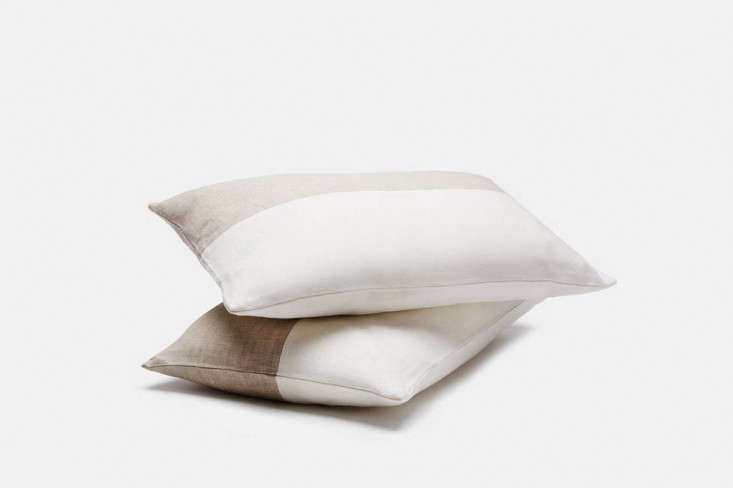

A two-texture toss pillow is the home decor equivalent of putting on a great jacket over a simple outfit. Suddenly, the sofa looks styled. The reading chair looks intentional. The bed no longer says, “I gave up after the fitted sheet.” A colorblock pillow combines two or more fabric panels, often in contrasting colors or materials, to create a modern accent that feels designer without requiring a full room makeover.
The beauty of this pillow style is that it works hard while looking relaxed. One side might be soft velvet, the other crisp linen. One panel may be creamy boucle, the other smooth cotton canvas. The colorblocking gives the eye a clean graphic line, while the texture adds depth, coziness, and that “please touch me, but also admire me” energy. In a world where furniture can be expensive, a two-texture toss pillow is one of the fastest ways to refresh a living room, bedroom, guest room, office nook, or window bench without needing a dramatic budget meeting with yourself.
What Is a Two-Texture Colorblock Pillow?
A two-texture colorblock pillow is a decorative pillow made from two different fabrics, colors, or surface finishes arranged in blocks. The design can be split vertically, horizontally, diagonally, or asymmetrically. Unlike a printed pillow, the visual interest comes from the actual construction of the pillow cover: the fabric panels are sewn together so the color and texture changes are physical, not just printed on the surface.
For example, imagine an 18-by-18-inch toss pillow with warm oatmeal linen on one half and deep olive velvet on the other. That single pillow can bridge rustic, modern, transitional, and organic decor styles. Swap olive for terracotta, navy, charcoal, blush, camel, or black, and the entire mood changes. That is the magic of colorblocking: it gives structure to color, making even bold shades feel controlled and stylish.
Why Colorblock Pillows Work So Well in Home Decor
Colorblock pillows are popular because they solve a common decorating problem: how to add personality without creating chaos. Patterned pillows can be wonderful, but too many busy prints can make a sofa look like it is hosting a fabric convention. A colorblock pillow offers a cleaner alternative. It introduces contrast, movement, and personality while keeping the overall look calm and sophisticated.
The second reason they work is texture. Interior designers often use texture to create visual depth, especially in neutral rooms. A beige sofa with beige walls and beige curtains can feel peaceful, but it can also quietly disappear into itself like a very polite fog. Add a two-texture toss pillow in linen and boucle, or velvet and cotton, and the room suddenly has dimension. The eye notices the difference between matte and plush, smooth and nubby, structured and soft.
Best Fabric Pairings for a Two-Texture Toss Pillow
The best fabric pairings balance contrast with practicality. A pillow is meant to be used, not just admired from across the room like a museum artifact. Here are some combinations that look beautiful and hold up well in everyday spaces.
Linen and Velvet
Linen has a relaxed, natural look, while velvet brings softness and depth. Together, they create a high-low mix that feels elegant without being fussy. Try flax linen with emerald velvet, ivory linen with rust velvet, or charcoal linen with dusty blue velvet.
Boucle and Cotton Canvas
Boucle adds cozy texture, while cotton canvas keeps the pillow grounded and durable. This pairing is excellent for modern, Scandinavian, Japandi, and soft transitional interiors. It works especially well in neutral palettes like cream, taupe, tan, gray, and warm white.
Faux Suede and Woven Cotton
Faux suede gives a smooth, warm surface, while woven cotton adds a casual handmade feel. This is a strong choice for family rooms because it looks polished but does not feel too precious. Camel faux suede with ivory cotton is a classic combination.
Chenille and Linen Blend
Chenille is plush and cozy, making it ideal for fall and winter styling. Pair it with a linen blend to prevent the pillow from feeling overly heavy. This works beautifully on beds, reading chairs, and deep sofas where comfort is part of the assignment.
Color Ideas That Actually Look Good Together
The safest way to choose colors is to pull one shade from something already in the room: a rug, artwork, throw blanket, curtain, or even a wood tone. The pillow should coordinate, not match exactly. Matching everything too perfectly can make a room feel flat, like it came in one giant box labeled “decor set.” Coordination feels more collected and personal.
Neutral Colorblock Combinations
Neutral combinations are easy to live with and hard to mess up. Try ivory and taupe, oatmeal and charcoal, cream and camel, stone and warm white, or beige and mushroom. These pairings are ideal for minimalist spaces, modern farmhouse rooms, and calm bedrooms.
Bold Colorblock Combinations
If your room needs energy, try navy and mustard, rust and cream, forest green and tan, black and ivory, burgundy and blush, or cobalt and sand. Bold colorblocking works best when at least one color connects to another object in the room. A rust pillow looks intentional if there is a terracotta vase nearby. Otherwise, it may look like it wandered in from a different apartment.
Monochrome Colorblocking
For a subtle designer look, use two shades from the same color family. Pair pale blue linen with slate blue velvet, soft sage with deep olive, or ivory boucle with warm beige canvas. This creates depth without strong contrast, which is perfect for quiet luxury, organic modern, and soft transitional interiors.
How to Style a Colorblock Pillow on a Sofa
A two-texture toss pillow can stand alone, but it also plays nicely with others. On a standard sofa, three to five pillows usually feel balanced. For a clean modern look, place one large solid pillow in each corner and add one colorblock pillow in the center or slightly off-center. The colorblock design acts as the bridge between the solids.
For a layered look, combine one textured solid pillow, one subtle patterned pillow, and one two-texture colorblock pillow. Keep at least one shared color running through the group. For example, a cream boucle pillow, a tan stripe pillow, and a rust-and-cream colorblock pillow will feel cohesive because the cream tone repeats.
On a sectional, use the colorblock pillow as the “anchor” in the corner where the two sofa sections meet. That spot naturally draws attention, so a graphic pillow looks purposeful there. On a loveseat, use just two pillows: one simple solid and one colorblock. Small sofas can get crowded quickly, and nobody wants to perform a pillow excavation every time they sit down.
How to Use a Two-Texture Toss Pillow on a Bed
On a bed, colorblock pillows add polish without requiring a mountain of cushions. For a queen or king bed, place standard sleeping pillows in the back, add two larger Euro shams or square pillows, then finish with one lumbar colorblock pillow or two square toss pillows in front. A rectangular lumbar pillow is especially effective because the colorblocking has more room to stretch across the surface.
For a calm bedroom, choose low-contrast colors and noticeable texture. Think ivory boucle with beige linen, soft gray velvet with stone cotton, or warm white chenille with flax. For a bolder bedroom, use the pillow to introduce a strong accent color, such as rust, navy, plum, or moss green. It is easier to change one pillow than repaint a wall, which is a decorating truth worth embroidering on something.
DIY Guide: How to Make a Two-Texture Colorblock Pillow
If you enjoy sewing, a colorblock pillow is a satisfying weekend project. It is beginner-friendly because the basic shape is simple, but the finished result looks custom. You can use fabric remnants, old textiles, leftover upholstery fabric, or carefully chosen yardage from a fabric store.
Materials You Need
- Two coordinating fabrics with different textures
- Pillow insert, such as 18 by 18 inches or 20 by 20 inches
- Matching thread
- Fabric scissors or rotary cutter
- Measuring tape or quilting ruler
- Pins or sewing clips
- Sewing machine
- Iron and ironing board
- Optional zipper, envelope back, piping, tassels, or trim
Step 1: Choose the Pillow Size
An 18-by-18-inch pillow is a versatile size for sofas, accent chairs, and beds. For a fuller look, many decorators prefer using an insert that is slightly larger than the finished cover. For example, a 20-by-20-inch insert can make an 18-by-18-inch cover look plump and polished, depending on fabric thickness and fill type.
Step 2: Design the Colorblock Layout
Sketch the front of the pillow on paper. Decide whether you want a vertical split, horizontal split, diagonal split, wide center band, or uneven modern layout. A half-and-half vertical design is the easiest. A diagonal design looks dynamic but requires more careful measuring. A wide band across the center is excellent when one fabric is very textured and you want it to be the star.
Step 3: Cut the Front Fabric Panels
Add seam allowance to each panel before cutting. A common seam allowance is 1/2 inch, though some sewists use 1/4 inch depending on the fabric and project. If you are making an 18-inch square pillow front with a vertical split, each front panel should include extra width for the center seam and outer seam. Press fabric before cutting so the pieces are accurate.
Step 4: Sew the Colorblock Front
Place the two front fabric panels right sides together and sew along the shared edge. Press the seam open or to one side, depending on the fabric weight. Pressing matters. It is the difference between “handmade and lovely” and “made during a power outage.” For bulky fabrics like boucle or chenille, press gently and use a pressing cloth if needed.
Step 5: Create the Back
You can make the back from one solid fabric, repeat the colorblock design, add an envelope closure, or install a zipper. An envelope back is easiest for beginners because it does not require hardware. A zipper gives a cleaner finish and keeps the insert securely inside, especially for pillows that will be used often.
Step 6: Assemble the Pillow Cover
Place the finished front and back pieces right sides together. Pin or clip around the edges. Sew all around the pillow, leaving an opening if you are not using an envelope or zipper closure. Trim corners carefully to reduce bulk, turn the cover right side out, push out the corners, and press the edges.
Step 7: Insert the Pillow Form
Place the insert inside the cover and work it into the corners. Fluff and adjust until the pillow looks even. If the cover has a hand-sewn opening, close it with an invisible stitch. Then toss it onto your sofa with casual confidence, as though custom pillows appear in your home all the time.
Design Mistakes to Avoid
The first mistake is choosing fabrics with drastically different weights. A heavy upholstery fabric paired with a thin quilting cotton can pull unevenly at the seams. The second mistake is using two textures that fight instead of complement each other. A shaggy faux fur next to a delicate silk may be dramatic, but it can also look confused. Aim for contrast, not conflict.
The third mistake is ignoring the room’s existing palette. A colorblock pillow should connect to the space. It does not need to match, but it should have a visual reason for being there. The fourth mistake is overloading a sofa with too many statement pillows. When every pillow is shouting, none of them gets heard. Let the two-texture pillow be the lead singer and let the others hum backup.
Care Tips for Two-Texture Pillows
Care depends on the fabrics used. If you are making your own pillow cover, prewash washable fabrics before sewing to reduce shrinkage later. For delicate materials like velvet, boucle, faux suede, wool, or specialty upholstery textiles, check the care instructions before cleaning. Spot cleaning is often safest for decorative pillows, especially when two fabrics have different care needs.
Use removable covers whenever possible. A hidden zipper or envelope closure makes cleaning easier and extends the life of the insert. Rotate pillows occasionally so one side does not get flattened from constant use. Fluff inserts regularly, especially if they contain down, feathers, or down-alternative fill. A beautiful pillow should look inviting, not like it has been emotionally defeated.
Where a Colorblock Pillow Looks Best
A two-texture colorblock pillow works almost anywhere, but it shines in places that need a finishing touch. On a neutral sofa, it adds contrast. On a leather chair, it softens the look. On a bed, it pulls together the blanket, sheets, and wall color. On a bench, it adds comfort and style without taking up too much space.
It is also a smart seasonal decor piece. In spring, choose linen and cotton in fresh colors like sage, sky blue, cream, or pale yellow. In summer, use canvas, lightweight cotton, and coastal shades. In fall, bring in rust, olive, ochre, burgundy, and camel. In winter, switch to velvet, chenille, boucle, wool blends, or faux shearling. The pillow stays the same concept, but the mood changes with the fabrics.
of Real-Life Experience: Living With a Two-Texture Colorblock Pillow
The first thing you notice about a two-texture toss pillow is that it rarely behaves like a plain pillow. A solid cotton pillow is useful, yes, but it often disappears into the background. A two-texture colorblock pillow gets involved. It catches the afternoon light differently on each fabric. The linen side may look relaxed and matte, while the velvet side looks deeper and richer from another angle. That little shift makes a room feel more alive, especially if the rest of the decor is simple.
One of the best experiences with this style of pillow is using it to rescue a tired sofa. Many people have a sofa that is still comfortable but no longer exciting. Maybe it is gray, beige, navy, or brown. Maybe it has survived pets, children, movie nights, and one tragic salsa incident. Instead of replacing the sofa, adding a pair of colorblock pillows can make it feel refreshed. A gray sofa with charcoal-and-cream pillows becomes modern. A tan sofa with rust-and-ivory pillows becomes warm and earthy. A navy sofa with linen-and-mustard pillows suddenly has personality.
Another practical experience is discovering how much texture changes the mood of a space. Smooth fabrics can make a room feel clean and contemporary, but too many smooth surfaces may feel cold. A nubby boucle panel or soft chenille section invites people to sit down. It gives the room a sense of comfort before anyone even touches the pillow. Guests may not say, “What a thoughtful use of textile contrast,” because normal people do not talk like design catalogs at dinner. But they will say the room feels cozy, pulled together, or “really nice in here.” That is the pillow doing its quiet work.
If you make the pillow yourself, the experience is even more satisfying. Sewing two fabrics together is simple in theory, but the first time you turn the cover right side out and see the finished colorblock front, it feels like a tiny home decor victory. The seams may not be perfect. The corners may need a little encouragement. You may briefly argue with the pillow insert while trying to stuff it into the cover. Still, the final result feels personal in a way store-bought decor often does not.
Living with a two-texture pillow also teaches restraint. Because the pillow already has color and texture, it does not need much competition. Pairing it with quieter solids often looks better than surrounding it with five loud patterns. It becomes the design moment rather than one more object in a crowded arrangement. That is why this pillow works for both minimalists and maximalists. Minimalists can use one bold pillow as a focal point. Maximalists can use it as a bridge between patterns, colors, and layered textiles.
The most useful lesson is that small decor pieces can have a big emotional effect. A good pillow makes a chair more inviting, a bed more finished, and a living room more intentional. A two-texture colorblock pillow does all of that while adding craft, contrast, and a little bit of style confidence. It is not just a cushion. It is a tiny square argument in favor of making your home feel like you on purpose.
Conclusion
A two-texture toss pillow is one of the simplest ways to add depth, color, and modern style to a room. Whether you buy one or sew your own, the combination of colorblocking and tactile fabric contrast creates a decorative accent that feels thoughtful and fresh. Choose fabrics that balance each other, repeat at least one color from the room, and let the pillow add personality without overwhelming the space. From linen and velvet to boucle and canvas, the best colorblock pillows prove that small details can make a room feel beautifully finished.