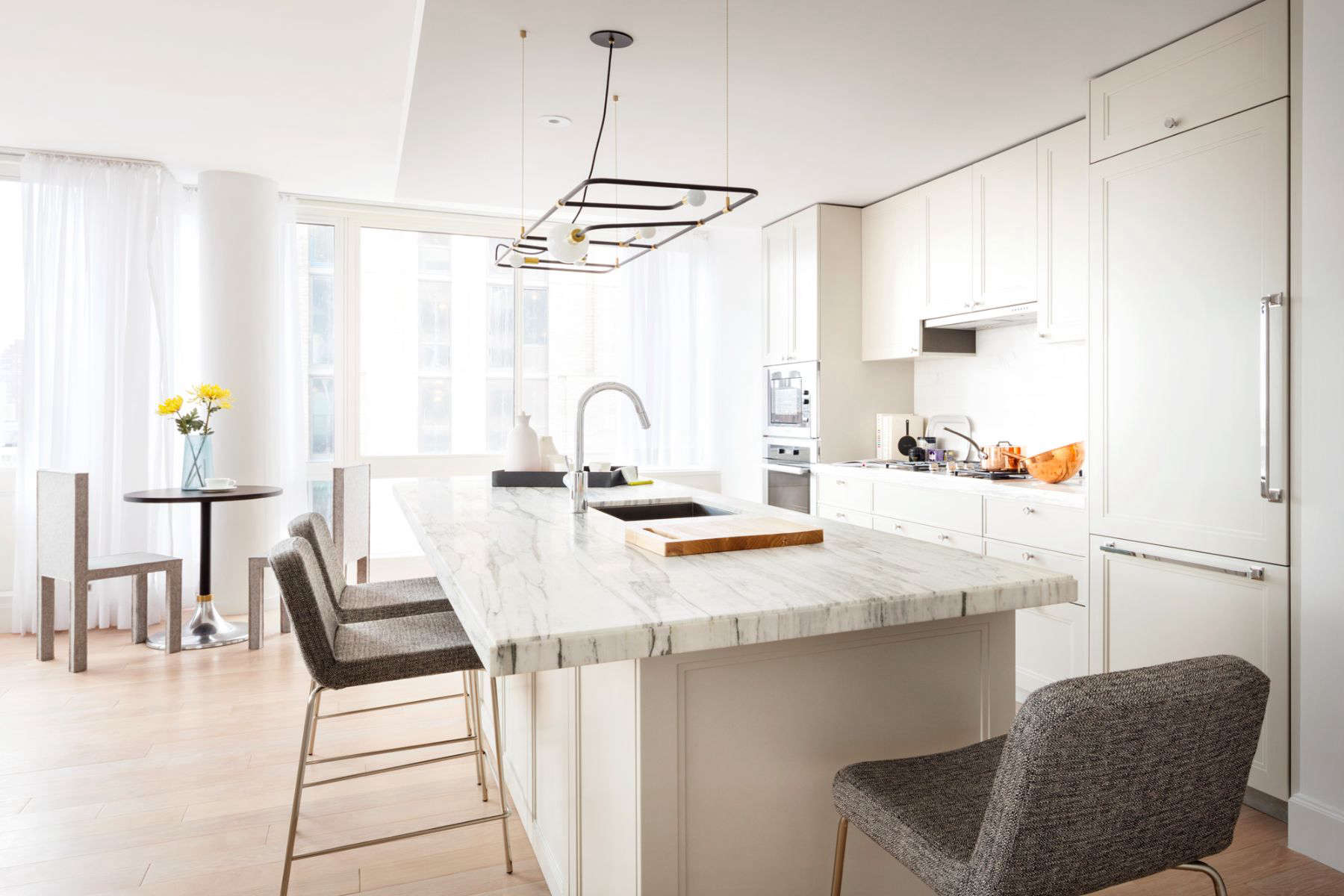

A small cottage has a special kind of magic. It can feel charming, warm, and storybook-worthyuntil you try to store a vacuum, host two guests, or open a cabinet door without performing a sideways dance worthy of a reality competition show. The good news? Transforming a small cottage is not about making it bigger. It is about making it smarter, brighter, more comfortable, and more intentional.
Whether your cottage is a weekend retreat, a downsized forever home, a rental property, or a beloved older house with more personality than square footage, the right renovation choices can turn cramped rooms into cozy, functional spaces. The secret is balance: preserve the charm, improve the flow, add storage where the house “forgets” to provide it, and make every design decision earn its keep.
This guide explores practical small cottage renovation ideas, from layout planning and color choices to built-ins, lighting, energy upgrades, and outdoor living. Think of it as a friendly blueprint for giving your cottage a glow-upwithout accidentally turning it into a sterile showroom where nobody is allowed to sit on the sofa.
Start With the Cottage’s Best Features
Before tearing out walls or ordering tile at midnight, take inventory of what already works. Small cottages often come with details that new construction tries very hard to imitate: original wood floors, exposed beams, built-in nooks, old windows, beadboard, stone fireplaces, quirky rooflines, and the occasional mysterious corner that seems designed specifically for a cat or a houseplant.
The goal is not to erase the cottage’s character. The goal is to edit and enhance it. If the ceiling beams are beautiful, let them become the visual anchor. If the fireplace is original, design the room around it. If the front porch has potential, treat it like an outdoor room rather than a place where forgotten flowerpots go to retire.
Ask Three Questions Before Renovating
Every successful small cottage transformation begins with honest questions. First, what feels uncomfortable right now? Second, what daily tasks need better support? Third, what original details are worth protecting? These questions prevent the renovation from becoming a random shopping spree in which every cute thing comes home and none of it fits.
For example, a tiny kitchen may not need a dramatic expansion. It may need better drawers, brighter task lighting, open shelving in the right place, and a dining nook that doubles as storage. A cramped bedroom may not need new square footage. It may need wall-mounted lamps, under-bed drawers, and a calmer color palette.
Make the Layout Work Harder
In a small cottage, layout is everything. A poorly arranged 900-square-foot cottage can feel smaller than a well-planned 500-square-foot studio. The difference is circulation. People need to move naturally through the space without dodging furniture, laundry baskets, and that one chair everyone bumps into but nobody moves.
Start by creating clear paths between rooms. Avoid blocking windows, doorways, and natural walking routes. Choose fewer pieces of furniture, but make them more useful. A bench with hidden storage, a drop-leaf table, nesting side tables, and a sleeper sofa can all do double duty without making the room feel like a furniture warehouse.
Open Concept Is Not Always the Answer
Many homeowners assume that removing walls is the automatic solution for a small home. Sometimes it works beautifully. Other times, it creates one noisy room where the kitchen mess, television, work laptop, and laundry pile all stare at each other in emotional discomfort.
Instead of defaulting to a fully open floor plan, consider partial openings, widened doorways, interior windows, pocket doors, or glass-panel doors. These options borrow light and improve flow while still giving each area a sense of purpose. In a cottage, a little separation can actually make the home feel more charming and livable.
Use Color to Expand, Warm, and Define
Color is one of the most powerful tools in a small cottage makeover. Light colors can make rooms feel airier, but white is not the only option. Soft cream, warm greige, pale sage, muted blue, buttery yellow, and gentle clay tones can brighten a room while keeping the cottage feeling cozy.
The trick is continuity. When small rooms are chopped up with too many unrelated colors, the house can feel busy. A consistent palette helps the eye travel smoothly from one space to the next. That does not mean every wall has to match. It means the colors should belong to the same family and mood.
Try a Tonal Color Scheme
A tonal scheme uses different shades of the same color family. In a small cottage, this can be quietly brilliant. Imagine creamy walls, slightly deeper trim, natural wood, linen upholstery, and woven baskets. The result feels layered, not loud. It gives the home depth without visual clutter.
For a bolder cottage, try painting trim, doors, and walls in related shades. A tiny mudroom in deep green or a powder room in rich blue can feel jewel-box beautiful rather than cramped. Small spaces can handle personalitysometimes better than large spacesbecause they deliver the drama in charming little bites.
Bring in More Light
Small cottages often suffer from low ceilings, tiny windows, or dark corners that seem to be auditioning for a haunted-house brochure. Light changes everything. Natural light makes rooms feel bigger, cleaner, and more cheerful. Artificial lighting adds warmth, function, and evening comfort.
Start by clearing window areas. Avoid heavy curtains that block daylight. Hang curtain rods higher and wider than the window frame to make windows appear larger. Choose light-filtering fabrics, woven shades, or simple café curtains for privacy without turning the room into a cave.
Layer Your Lighting
A single ceiling fixture rarely does enough. A well-lit cottage uses layers: ambient lighting for general brightness, task lighting for reading and cooking, and accent lighting for warmth. Wall sconces are especially useful because they free up floors and tabletops. Under-cabinet lights can make a small kitchen feel instantly more polished. A lamp in a dark corner can make the entire room feel more inviting.
Do not underestimate the charm of warm bulbs, fabric shades, and dimmers. A cottage should glow, not interrogate. Nobody wants to relax under lighting that makes the living room feel like a dental office.
Create Storage That Looks Like Design
Storage is the heartbeat of a small cottage renovation. Without it, even the prettiest room can become a battlefield of shoes, mail, blankets, cords, and kitchen gadgets with unclear purposes. The best storage does not shout, “I am storage!” It blends into the architecture and looks intentional.
Built-ins are a cottage’s best friend. A window seat with drawers can store linens. A built-in bookcase can frame a fireplace. A banquette can hide board games, pet supplies, or seasonal décor. Wall shelves can hold dishes, books, or baskets without consuming floor space.
Think Vertically
When floor space is limited, walls become valuable real estate. Add tall cabinets, peg rails, floating shelves, hooks, and vertical pantry storage. In a small entryway, a narrow wall-mounted rack with hooks and a bench can replace a bulky closet. In a kitchen, ceiling-height cabinets can store rarely used items up top while keeping everyday essentials within reach.
Underused areas deserve attention too. Look under stairs, above doors, beside chimneys, below beds, and behind doors. A cottage may be small, but it often contains hidden storage opportunities waiting to be discovered like domestic treasure.
Make the Kitchen Compact but Capable
A small cottage kitchen has to work like a tiny restaurant kitchen, minus the yelling and stainless-steel intensity. Every inch matters. Instead of focusing only on size, focus on workflow. The sink, stove, refrigerator, prep surface, trash, and pantry items should be arranged so cooking does not feel like a puzzle designed by someone who hates dinner.
Choose drawers over deep lower cabinets when possible. Drawers make it easier to reach pots, pans, lids, and small appliances without kneeling on the floor and questioning your life choices. Add pull-out pantry shelves, narrow spice storage, vertical tray dividers, and hooks for frequently used tools.
Open Shelving Can WorkWith Discipline
Open shelving can make a small kitchen feel lighter, but it must be used wisely. Store attractive everyday items there: plates, mugs, bowls, glass jars, and a few simple decorative pieces. Avoid turning open shelves into a museum of mismatched plastic containers and mystery cords.
For a cottage look, mix closed cabinets with a few open shelves. Closed storage hides visual clutter, while open shelves add personality and keep the kitchen from feeling boxed in.
Design a Living Room That Feels Cozy, Not Crowded
The cottage living room should invite people to sit down, exhale, and stay awhile. But cozy can become crowded quickly. Choose furniture with exposed legs, slim arms, and appropriate scale. One comfortable sofa may be better than a sofa, two chairs, three side tables, and a coffee table large enough to host a chess tournament.
A larger rug can actually make the room feel bigger by visually connecting the seating area. Small rugs floating in the middle of the floor can make a compact room feel chopped up. Use mirrors carefully to reflect light, but do not overdo it unless you want your cottage to feel like a polite funhouse.
Add Texture for Cottage Warmth
Texture is essential in cottage design. Woven baskets, linen curtains, wool throws, cotton slipcovers, wood furniture, ceramic lamps, and natural fiber rugs all add depth. These elements make a small room feel collected rather than cluttered. The key is restraint: a few rich textures are charming; too many can make the room feel like it is wearing every sweater it owns.
Turn Bedrooms Into Restful Retreats
Small cottage bedrooms should feel peaceful and efficient. Start with the bed placement. If possible, leave enough room to walk on both sides, but if the room is very tight, placing the bed against one wall can create more open floor space. Use wall-mounted sconces instead of table lamps. Choose nightstands with drawers or shelves.
Keep the palette calm. Soft neutrals, muted greens, faded blues, and warm whites work beautifully in cottage bedrooms. Add charm with patterned quilts, vintage art, a small chair, or painted furniture. Avoid filling every surface. Negative space is not empty; it is breathing room.
Use Hidden Storage
Under-bed drawers, storage benches, built-in wardrobes, and high shelves can make a small bedroom far more functional. If the closet is tiny, improve the interior with double rods, shelf dividers, baskets, and hooks. A small closet can hold more than expected when it is organized properly. It may not become a celebrity walk-in closet, but it can stop behaving like a laundry avalanche.
Upgrade the Bathroom Without Overbuilding
A small cottage bathroom can be beautiful with the right choices. Use a compact vanity, wall-mounted faucet, mirrored medicine cabinet, and glass shower door to save visual space. Light-colored tile can brighten the room, while patterned floor tile can add cottage personality without overwhelming the walls.
Storage matters here too. Recessed shelves, wall hooks, towel ladders, and mirrored cabinets all help. If the bathroom has no natural light, use layered lighting and warm finishes to prevent it from feeling cold.
Keep Materials Simple
Too many materials can make a small bathroom feel chaotic. Choose a limited palette: perhaps white wall tile, warm wood, aged brass, and a patterned floor. The result feels charming, clean, and timeless. Small bathrooms do not need to be boring; they just need visual discipline.
Improve Comfort With Energy-Smart Updates
Many cottages are older, which means they may also be drafty, unevenly heated, or surprisingly committed to letting outdoor air wander inside. Energy-smart upgrades can make a dramatic difference in comfort. Start with air sealing around windows, doors, attic penetrations, and gaps. Then consider insulation, efficient heating and cooling, smart thermostats, and proper ventilation.
These improvements are not as glamorous as choosing wallpaper, but they matter. A beautiful cottage that is freezing in winter and stuffy in summer is not charming; it is a seasonal endurance test with throw pillows.
Preserve Character While Improving Performance
If your cottage has original windows, you may not need to replace them immediately. In some cases, repairing windows, adding weatherstripping, and using storm windows can improve comfort while preserving character. For major upgrades, work with professionals who understand older homes. The wrong fix can create moisture problems, damage historic materials, or cost more than necessary.
Make the Outdoors Part of the Home
One of the easiest ways to make a small cottage feel larger is to improve the outdoor spaces. A porch, patio, garden corner, or tiny deck can become an extra living area. Add comfortable seating, outdoor lighting, planters, a small dining table, and weather-friendly textiles.
Think of the exterior as part of the transformation. Fresh paint, repaired shutters, window boxes, a gravel path, and a welcoming front door can change the entire personality of the cottage. Curb appeal is not vanity. It is the house’s handshake.
Use Landscaping to Add Privacy and Charm
Layered planting can make a small property feel lush and secluded. Use shrubs, climbing vines, native plants, herbs, and flowering perennials to create softness around the house. A narrow side yard can become a garden path. A tiny backyard can become a reading corner. Even a small front stoop can feel special with a good doormat, lantern, and planter that is not actively giving up on life.
Budget Wisely and Renovate in Phases
Transforming a small cottage does not have to happen all at once. In fact, phased renovations often produce better results because you learn how the home functions before making expensive decisions. Start with safety, structure, moisture issues, electrical concerns, plumbing, insulation, and heating or cooling. Then move to layout, storage, finishes, furniture, and décor.
Paint, lighting, hardware, window treatments, and organization can create immediate improvements on a modest budget. Larger projects, such as kitchen remodels, bathroom renovations, flooring, and exterior work, can be planned carefully over time.
Spend Where It Matters Most
Invest in improvements that affect daily life: good lighting, comfortable seating, durable flooring, functional storage, efficient appliances, and quality hardware. Save on items that can be changed easily, such as pillows, decorative accessories, and seasonal accents. A cottage should feel personal, not painfully precious.
Common Mistakes to Avoid
The first mistake is buying furniture before measuring. In a small cottage, “it looked smaller in the store” is not a design strategy. Measure every room, doorway, stair, and awkward turn. Tape furniture dimensions on the floor before buying.
The second mistake is overdecorating. Cottage style loves layers, but too many layers become clutter. Choose meaningful pieces, natural textures, and a few patterns. Let the architecture breathe.
The third mistake is ignoring storage until the end. Storage should be part of the design from the beginning. Otherwise, you may end up with a beautiful room and nowhere to put the broom, which is how brooms become accidental sculpture.
The fourth mistake is chasing trends too hard. A cottage should feel timeless and personal. Trends can inspire, but they should not boss the house around. Use trendy colors or patterns in small doses if you love them, and keep major investments classic.
Experience Notes: What Transforming a Small Cottage Really Teaches You
Transforming a small cottage is not only a design project. It is a lesson in patience, creativity, and learning to respect inches. In a large house, a poor decision can sometimes hide in a spare room. In a cottage, every choice sits right in front of you, waving. That can feel intimidating at first, but it is also what makes the process so rewarding.
One of the biggest lessons is that small homes respond dramatically to small changes. Replacing a harsh ceiling light with layered lamps can change the mood of the entire room. Painting dark trim a softer shade can make a hallway feel wider. Adding hooks near the door can prevent the daily pile of jackets, bags, and keys from becoming a domestic landslide. These improvements are not dramatic on paper, but in daily life they feel huge.
Another important experience is learning that charm and function must be friends. It is easy to fall in love with a vintage cabinet, an antique table, or a charming little chair with carved legs and absolutely no practical purpose. Cottage decorating welcomes character, but the home still has to work. The best pieces are beautiful and useful: a trunk that stores blankets, a bench that holds shoes, a table that expands for guests, or a cabinet that hides the less romantic parts of life, like batteries and takeout menus.
Living with a cottage during renovation also teaches you how light moves. Morning light may make the kitchen glow, while the living room may need help by late afternoon. A bedroom may feel calm in soft blue but dull in gray. A porch may become the most-used “room” in the house once it has a comfortable chair and a little table for coffee. Watching the home across different times of day helps you make better decisions than any showroom visit can.
There is also a surprising emotional side to small cottage renovation. Because the house is compact, every improvement feels personal. When you repair an old door instead of replacing it, the home keeps a bit of its story. When you turn a strange alcove into a reading nook, the awkwardness becomes charm. When you finally solve the storage problem in the entryway, you may feel an unreasonable amount of pride every time you hang up a coat. This is normal. Celebrate it.
The most satisfying transformations usually come from restraint. Not every wall needs art. Not every corner needs furniture. Not every shelf needs a tiny ceramic animal, though one well-chosen ceramic fox is perfectly acceptable if it makes you happy. The cottage begins to shine when the essentials are clear, the materials feel honest, and the rooms support real life.
Perhaps the best experience is discovering that small does not mean limited. A small cottage can be elegant, practical, cozy, efficient, and full of personality. It can host dinner, shelter quiet mornings, welcome guests, and provide a sense of retreat. When thoughtfully transformed, it becomes more than a cute little house. It becomes a home that uses every inch wisely and still leaves room for joy.
Conclusion
Transforming a small cottage is about working with what you have and making every decision count. The best renovations protect character while improving comfort, storage, flow, light, and daily function. You do not need endless square footage to create a beautiful home. You need clear priorities, clever planning, and the courage to let the cottage be itselfonly better dressed, better lit, and far less likely to bury you under a pile of throw blankets.
With smart storage, layered lighting, a cohesive color palette, energy-efficient upgrades, and thoughtful outdoor spaces, even the tiniest cottage can feel generous. It can become a retreat that feels warm in winter, breezy in summer, and welcoming all year long. Small cottage living is not about having less. It is about making more of every corner.