
An Upper East Side apartment is not just a place to put a sofa, a coffee machine, and a mysteriously expensive scented candle. It is a lifestyle choice wrapped in limestone, doorman lobbies, prewar moldings, polished elevators, and the quiet confidence of a neighborhood that has been wearing good shoes since before your great-aunt discovered brunch.
The Upper East Side of Manhattan has long been one of New York City’s most recognizable residential districts. It stretches across a refined slice of the city between Central Park and the East River, generally from 59th Street to 96th Street. Within that map are smaller personalities: Lenox Hill, Yorkville, Carnegie Hill, the Madison Avenue corridor, the museum-rich stretch of Fifth Avenue, and the quieter eastern blocks near Carl Schurz Park. Each area has its own rhythm, price point, architecture, and “yes, I know a good bagel place” energy.
Searching for an Upper East Side apartment can feel glamorous, practical, confusing, and mildly aerobic. You may tour a sun-filled prewar co-op with herringbone floors in the morning, a sleek high-rise rental with a gym in the afternoon, and a charming walk-up where the “laundry nearby” is doing heroic work in the listing copy. The good news? The neighborhood offers a wider variety of homes than its old-money reputation suggests. The better news? With the right expectations, you can find an apartment that fits your lifestyle without accidentally signing your soul over to a broker with perfect hair.
What Makes an Upper East Side Apartment So Desirable?
The Upper East Side has a rare mix of residential calm and cultural power. It is close to Central Park, Museum Mile, Madison Avenue shopping, major hospitals, respected schools, and multiple subway lines. It is elegant without being sleepy, lively without feeling chaotic, and polished without needing to announce itself every seven seconds.
For many renters and buyers, the biggest appeal is livability. The streets are generally cleaner and quieter than many downtown neighborhoods. Side streets often feel residential and neighborly, while avenues provide restaurants, coffee shops, grocery stores, pharmacies, gyms, dry cleaners, and every other urban necessity that keeps adult life from becoming a competitive sport.
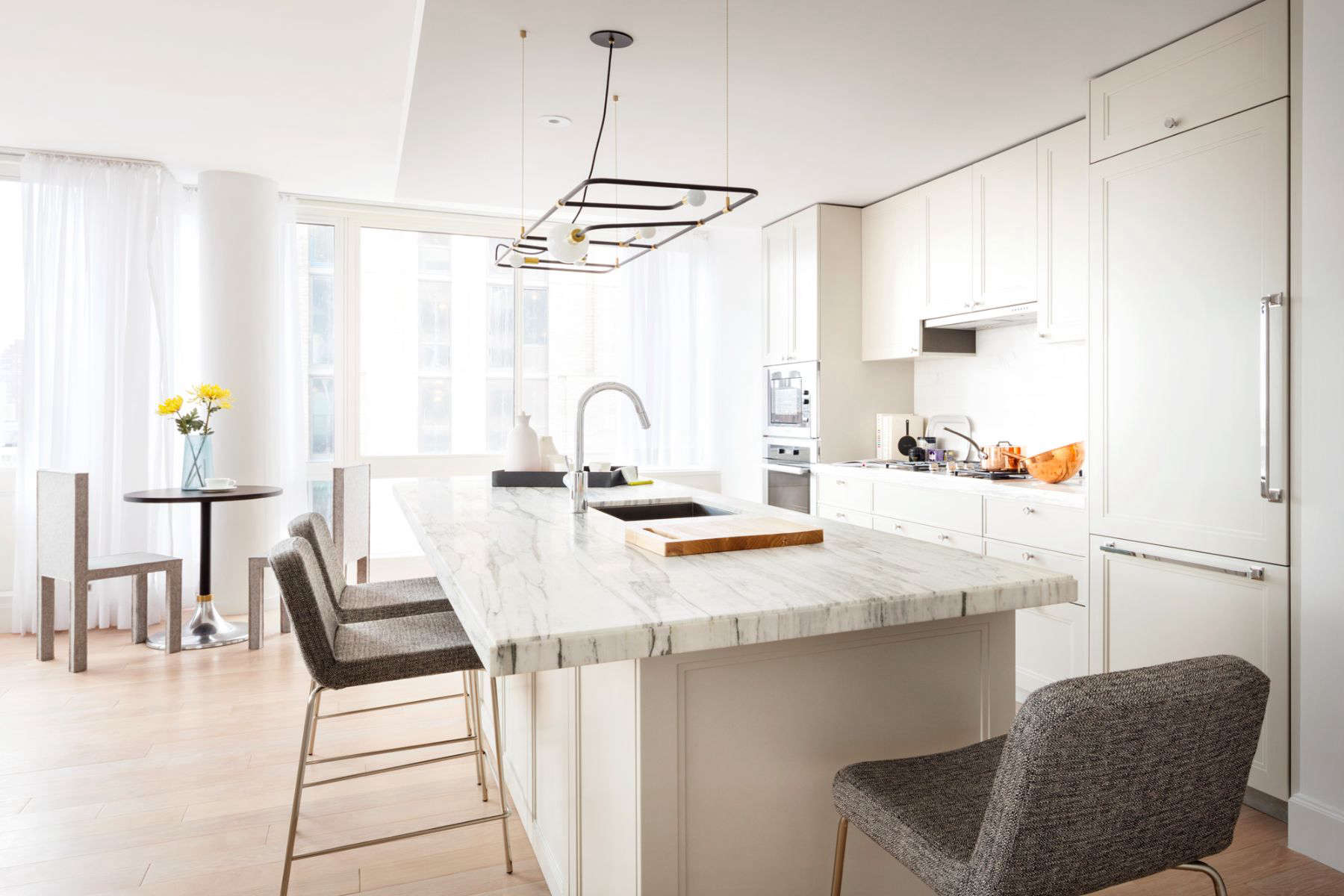
Another major advantage is architecture. Upper East Side apartments range from grand prewar co-ops with beamed ceilings and formal dining rooms to modern condos with floor-to-ceiling windows, white kitchens, roof decks, children’s playrooms, bike storage, and fitness centers. You can find townhouses, boutique rental buildings, classic doorman towers, elevator buildings, and walk-ups tucked between elegant blocks.
Understanding the Main Upper East Side Micro-Neighborhoods
Lenox Hill: Classic, Convenient, and Close to Everything
Lenox Hill, generally around the 60s and 70s, is one of the most convenient parts of the Upper East Side. It sits near Midtown, hospitals, luxury retail, Central Park, and major transit. Apartments here often include prewar co-ops, postwar towers, white-glove buildings, and newer luxury condos. If your dream is to live near Park Avenue but still have quick access to Bloomingdale’s, subway stations, and excellent takeout, Lenox Hill is a strong contender.
The trade-off is price. Convenience has a way of showing up on a monthly statement wearing tap shoes. Still, Lenox Hill can be worth it for professionals who commute to Midtown, medical workers, families who value services, and anyone who wants a classic Manhattan address with daily errands close at hand.
Yorkville: More Relaxed, More Residential, Often More Value
Yorkville, located farther east and north, has historically been the Upper East Side’s more relaxed and relatively approachable pocket. The arrival of the Second Avenue Subway made the area much more connected, especially along Second Avenue and nearby streets. Today, Yorkville offers a mix of rental buildings, co-ops, condos, walk-ups, and family-friendly high-rises.
Yorkville has a neighborhood feel that many residents love. It has casual restaurants, neighborhood bars, grocery stores, pet-friendly blocks, and easy access to Carl Schurz Park and the East River promenade. If Lenox Hill is wearing a navy blazer, Yorkville is wearing a clean sweatshirt, walking a dog, and somehow still looking put together.
Carnegie Hill: Elegant, Quiet, and Museum-Adjacent
Carnegie Hill is one of the most charming sections of the Upper East Side. It is known for beautiful prewar buildings, historic townhouses, school proximity, cultural institutions, and leafy blocks near Fifth Avenue and Central Park. Many apartments here feel deeply New York in the best possible way: gracious layouts, old-world details, and lobbies where the doorman may know more about the building than a city archive.
Carnegie Hill is especially appealing to families, museum lovers, and buyers seeking classic co-op living. It can be expensive, particularly for larger apartments, but the neighborhood’s atmosphere is hard to duplicate. It feels calm, cultivated, and slightly like everyone remembered to write thank-you notes.
Types of Upper East Side Apartments
Prewar Co-ops
Prewar co-ops are one of the Upper East Side’s signature housing types. These buildings often feature generous layouts, thick walls, high ceilings, hardwood floors, decorative moldings, formal foyers, and separate kitchens. Many have doormen, live-in superintendents, and strong building communities.
Buying a co-op, however, is not like buying a toaster. Co-op boards often review finances carefully, require substantial down payments, and may have rules about subletting, renovations, pets, and pied-à-terre use. For buyers who value stability, charm, and long-term residency, a co-op can be wonderful. For buyers who want maximum flexibility, a condo may be easier.
Luxury Condominiums
Upper East Side condos range from boutique new developments to full-service towers with amenities that sound like a resort brochure: gyms, lounges, roof terraces, package rooms, children’s play spaces, screening rooms, and sometimes private parking. Condos usually offer more flexibility than co-ops, especially for subletting, international buyers, investors, and people who prefer a less invasive approval process.
The catch is cost. Condos often trade at a premium because of flexibility, amenities, and newer construction. Monthly common charges and taxes can also be substantial. Still, for buyers seeking convenience and modern finishes, a condo can deliver the polished version of Upper East Side living.
Rental Buildings
Rental options on the Upper East Side include luxury doorman buildings, mid-rise elevator buildings, postwar apartments, renovated walk-ups, and older rent-stabilized units. Rents vary widely by location, size, building services, renovation quality, and proximity to transit or Central Park.
Amenities matter. A doorman building may cost more, but it can simplify package delivery, security, maintenance coordination, and daily life. A walk-up may offer more space for the price, but your calves will become suspiciously powerful. Elevator buildings without luxury amenities can be a sweet spot for renters who want practicality without paying for a meditation room they will never use.
How Much Does an Upper East Side Apartment Cost?
Upper East Side apartment prices change constantly, but the neighborhood remains one of Manhattan’s more expensive residential markets. Rental listings commonly reflect high demand, especially for renovated one-bedrooms, family-sized apartments, and buildings near transit. Sales prices vary dramatically, from smaller studios and one-bedroom co-ops to multimillion-dollar condos and grand prewar residences near Fifth and Park Avenues.
Several factors shape price. Proximity to Central Park generally commands a premium. Full-service buildings cost more than basic walk-ups. Condos often cost more than co-ops. Apartments with washer-dryers, outdoor space, great light, renovated kitchens, and flexible layouts tend to move quickly. Large family apartments are particularly competitive because they are relatively scarce in many parts of Manhattan.
Buyers should also look beyond the purchase price. Monthly maintenance in a co-op or common charges and taxes in a condo can significantly affect affordability. Renters should consider broker fees, application fees, security deposits, moving costs, renters insurance, pet fees, and whether utilities are included. In New York, the apartment is only part of the cost. The rest arrives in envelopes, emails, and tiny line items with big personalities.
Rent-Stabilized Apartments: The Hidden Treasure Hunt
Some Upper East Side apartments are rent-stabilized, which can offer important protections such as lease renewal rights and regulated rent increases. These units are not always easy to find, and availability can be limited. Rent-stabilized apartments may appear in older buildings, especially those built before certain regulatory cutoffs, but renters should always verify status through proper documentation rather than relying on wishful thinking and a listing headline.
If you are renting, ask whether the apartment is rent-stabilized, review the lease carefully, and understand your renewal rights. In New York City, rent-stabilized tenants generally have the right to renew their lease, and increases are set by the Rent Guidelines Board for applicable lease periods. That does not make the apartment free from paperwork, but it can provide meaningful long-term housing stability.
Transportation: Why the Subway Changed the Game
For decades, some eastern parts of the Upper East Side were considered less convenient because the Lexington Avenue subway line carried much of the neighborhood’s transit burden. The Second Avenue Subway changed the equation by bringing Q train service to stations such as 72nd Street, 86th Street, and 96th Street. This made Yorkville and the far eastern avenues more attractive to renters and buyers who wanted Upper East Side space without feeling marooned by the East River.
The 4, 5, and 6 trains along Lexington Avenue remain essential for many commuters. Crosstown buses, Select Bus Service, bike lanes, taxis, rideshares, and walkability also support daily movement. If commuting matters, test your route before signing a lease. A beautiful apartment is less magical when your morning commute feels like a documentary about endurance.
Culture, Parks, and Daily Life
Museum Mile and World-Class Culture
One of the Upper East Side’s greatest strengths is cultural access. Museum Mile includes major institutions such as The Metropolitan Museum of Art, the Guggenheim Museum, Cooper Hewitt, the Jewish Museum, Neue Galerie, and others. Living nearby means you can visit masterpieces on a casual afternoon, which is a very sophisticated way to avoid doing laundry.
The Met anchors the neighborhood’s cultural identity with vast collections, special exhibitions, family programs, and a Fifth Avenue presence that feels almost ceremonial. Cooper Hewitt brings design history and contemporary creativity into the former Carnegie Mansion. The Guggenheim adds architectural drama with its famous spiral form. Together, these institutions make the Upper East Side feel intellectually alive, not just expensive.
Central Park and Carl Schurz Park
Central Park is the neighborhood’s grand backyard. Residents use it for running, walking, picnics, playgrounds, dog walks, birding, tennis, and the occasional dramatic pause on a bench. Living near Fifth Avenue or the western blocks gives especially easy access to the park’s lawns, paths, museums, and seasonal beauty.
On the eastern side, Carl Schurz Park offers a quieter green escape along the East River. It has river views, gardens, playgrounds, dog runs, and a calmer atmosphere than Central Park. For Yorkville residents, Carl Schurz Park can become the default spot for morning walks, toddler energy management, and dog social politics.
Restaurants, Shopping, and Errands
The Upper East Side dining scene has become more varied than old stereotypes suggest. Yes, there are classic restaurants, elegant cafés, and polished bistros. But there are also casual diners, sushi spots, bakeries, wine bars, neighborhood pubs, pizza places, salad counters, coffee shops, and international restaurants tucked along avenues and side streets.
Madison Avenue is known for designer boutiques and luxury shopping, while Lexington, Third, Second, and First Avenues provide more everyday retail. This is one reason the neighborhood works so well for daily life: you can buy a designer handbag, a carton of eggs, a birthday card, and emergency toothpaste without leaving the area. In Manhattan, that counts as urban poetry.
What to Look for During an Upper East Side Apartment Tour
When touring an Upper East Side apartment, do not be distracted only by staging, fresh paint, or a suspiciously perfect bowl of lemons. Look closely at the details that affect everyday comfort.
Light and Views
Many Upper East Side buildings are tall and close together, so natural light can vary dramatically. A south-facing apartment may feel bright and cheerful, while a lower-floor unit facing an interior courtyard may feel more like a polite cave. Visit during daylight when possible. Check whether windows face the street, another building, a garden, or a brick wall that will become your silent roommate.
Noise
Side streets are often quieter than avenues, but noise depends on floor height, window quality, traffic, nearby schools, hospitals, restaurants, and construction. If an apartment is near a major avenue or medical corridor, listen carefully. Sirens, delivery trucks, and nightlife can change the feel of a home.
Building Rules
Co-ops, condos, and rentals all have rules. Ask about pets, subletting, move-in fees, renovation policies, elevator reservations, laundry, package storage, bike storage, guest policies, and whether the building allows washer-dryers. The most charming lobby in the world cannot compensate for discovering your dog is considered “too enthusiastic” by building policy.
Storage and Layout
Older apartments may have beautiful rooms but limited closets. Newer apartments may have efficient layouts but smaller bedrooms. Measure furniture, check closet depth, inspect kitchen storage, and think honestly about how you live. A formal dining room is lovely, but if you work from home, it may become your office, mailroom, and snack headquarters.
Renting vs. Buying on the Upper East Side
Renting makes sense if you are new to New York, unsure about long-term plans, or want flexibility. It lets you test different parts of the neighborhood before committing. A renter might begin in Yorkville, later move closer to Central Park, and eventually decide that the true luxury is living above a grocery store.
Buying makes sense if you plan to stay, have strong finances, and want stability. Co-ops may offer more space and classic charm for the price, but they require board approval and ongoing compliance with building rules. Condos offer flexibility, but usually at a higher price. Townhouses are another category entirely and generally require serious budgets, maintenance tolerance, and possibly a spiritual relationship with roofing contractors.
Who Is an Upper East Side Apartment Best For?
An Upper East Side apartment can work beautifully for families, professionals, retirees, students, medical workers, museum lovers, dog owners, and anyone who values a residential Manhattan lifestyle. Families often appreciate schools, parks, larger apartments, and quieter streets. Professionals like transit access and proximity to Midtown. Older residents may value doorman buildings, elevators, medical services, and neighborhood convenience.
The neighborhood may be less ideal for people who want downtown nightlife at their doorstep, industrial loft architecture, or a gritty creative scene. The Upper East Side has personality, but it is not trying to be Bushwick in a blazer. It is more restrained, more traditional, and more residential. For many people, that is exactly the point.
Common Mistakes to Avoid
Ignoring the Monthly Carrying Costs
For buyers, a lower purchase price does not always mean a better deal. Maintenance, assessments, taxes, and building finances matter. For renters, monthly rent is only the beginning. Broker fees, utilities, pet costs, and commuting expenses can shift the real budget.
Choosing Prestige Over Practicality
A famous avenue may sound impressive, but the best apartment is the one that supports your actual life. If you cook often, kitchen storage matters. If you work nights, quiet matters. If you have a stroller, elevator access matters. If you order too many packages, a doorman may be less luxury and more survival system.
Skipping the Neighborhood Test
Visit the block at different times. Walk to the subway. Try the grocery store. Notice the noise. Check the trash pickup situation. See how the area feels after dark. A listing shows the apartment; a walk shows the life around it.
Personal Experiences and Practical Reflections on Upper East Side Apartment Living
Living in or searching for an Upper East Side apartment teaches you that New York luxury is not always loud. Sometimes luxury is a working elevator, a responsive super, a grocery store within five minutes, and a lobby where packages do not vanish into the same dimension as missing socks. The neighborhood rewards people who notice practical details.
One of the most memorable experiences of apartment hunting on the Upper East Side is realizing how different two blocks can feel. A unit near Madison Avenue may feel elegant and almost formal, with quiet sidewalks and polished storefronts. A similar apartment near Second Avenue may feel younger, busier, and more casual, with restaurants, bars, and subway access close by. Move east toward Yorkville, and the neighborhood starts to breathe differently. You see more strollers, more dogs, more local errands, and fewer people pretending they are not checking real estate prices on their phones.
Another experience is learning to appreciate prewar layouts. Many older Upper East Side apartments have foyers that create a real entrance, kitchens with doors, and living rooms that can actually hold a sofa without forcing guests to sit diagonally. There is something deeply satisfying about thick walls, hardwood floors, and rooms that were designed before “open concept” became the answer to every design question. Of course, prewar charm can come with quirks. Radiators hiss. Floors slope. Closets may be few. You may discover a mysterious switch that controls nothing visible, which is practically a New York rite of passage.
Modern buildings offer a different kind of comfort. Central air, in-unit laundry, large windows, gyms, package rooms, and roof decks can make daily life smoother. After one summer in a non-air-conditioned apartment, even the most romantic old-building enthusiast may begin whispering sweet nothings to a split-system HVAC unit. The key is deciding which comforts matter most. Some people will trade amenities for space. Others will trade space for convenience. Both choices are valid, as long as you are honest before the lease is signed.
The Upper East Side also changes your relationship with routine. A Saturday can begin with coffee, continue through Central Park, include a museum visit, and end with dinner at a neighborhood restaurant without using the subway once. Parents may build entire weekends around playgrounds, birthday parties, errands, and quick museum stops. Dog owners become experts in park routes and sidewalk etiquette. Remote workers learn which cafés are laptop-friendly and which ones silently judge you after 42 minutes.
There is also a social rhythm to the buildings. Doorman buildings can feel quietly communal. You start recognizing neighbors, dogs, delivery people, and the person who always seems to be returning from Pilates. In smaller buildings, you may know fewer people but feel more privacy. In co-ops, the community can be close-knit, sometimes wonderfully so, sometimes with the intensity of a very polite village council. The experience depends heavily on the building culture.
The most useful lesson is this: the best Upper East Side apartment is not automatically the fanciest one. It is the apartment that makes your daily life easier, calmer, and more enjoyable. It is the one where the commute works, the light feels good, the building is well run, the monthly cost is sustainable, and the neighborhood supports your habits. Maybe it has a doorman and a view. Maybe it is a fourth-floor walk-up with great rent and a bakery downstairs. Maybe it is a co-op with crown moldings and a board package thick enough to qualify as cardio.
In the end, Upper East Side apartment living is about balance. It blends classic New York elegance with practical city living. It offers museums and playgrounds, designer shops and corner delis, grand avenues and humble laundry rooms. It can be expensive, yes, but it can also be deeply livable. Find the right fit, and the Upper East Side becomes more than a neighborhood. It becomes your version of New York: cultured, convenient, occasionally fussy, and undeniably charming.
Conclusion
An Upper East Side apartment offers one of Manhattan’s most enduring residential experiences. The neighborhood combines classic architecture, cultural landmarks, reliable amenities, strong transit, parks, shopping, restaurants, and a sense of everyday order that many New Yorkers crave. Whether you choose a prewar co-op in Carnegie Hill, a sleek condo in Lenox Hill, or a rental in Yorkville, the key is to match the apartment to your real lifestyle rather than chasing a postcard version of prestige.
Before renting or buying, compare micro-neighborhoods, study monthly costs, check building rules, test the commute, and visit the block at different times. The Upper East Side rewards careful shoppers. It also rewards anyone who appreciates a neighborhood where you can see world-class art, walk by Central Park, buy excellent bagels, and still be home before your laundry cycle ends. That, in New York terms, is practically a miracle with crown molding.