
There is a unique thrill in turning the chaotic jumble of a brand-new box into a completed masterpiece, but when you introduce a ticking clock, the experience transforms into a high-stakes test of mental agility. Timed jigsaw completion is more than just a hobby; it is a discipline that requires a fusion of pattern recognition, spatial awareness, and strategic planning. Whether you are aiming to beat your personal best or competing against others in digital jigsaw puzzle games, the transition from casual puzzler to speed assembly expert depends on how effectively you manage your environment and cognitive workflow. In this guide, we will explore the professional tactics used to sharpen your focus and reduce your finish time. By optimizing your workspace, mastering advanced sorting techniques, and refining your object recognition skills, you will discover how to turn complex, multi-layered puzzle challenges into manageable sequences, allowing you to achieve faster assembly times with greater consistency and precision.
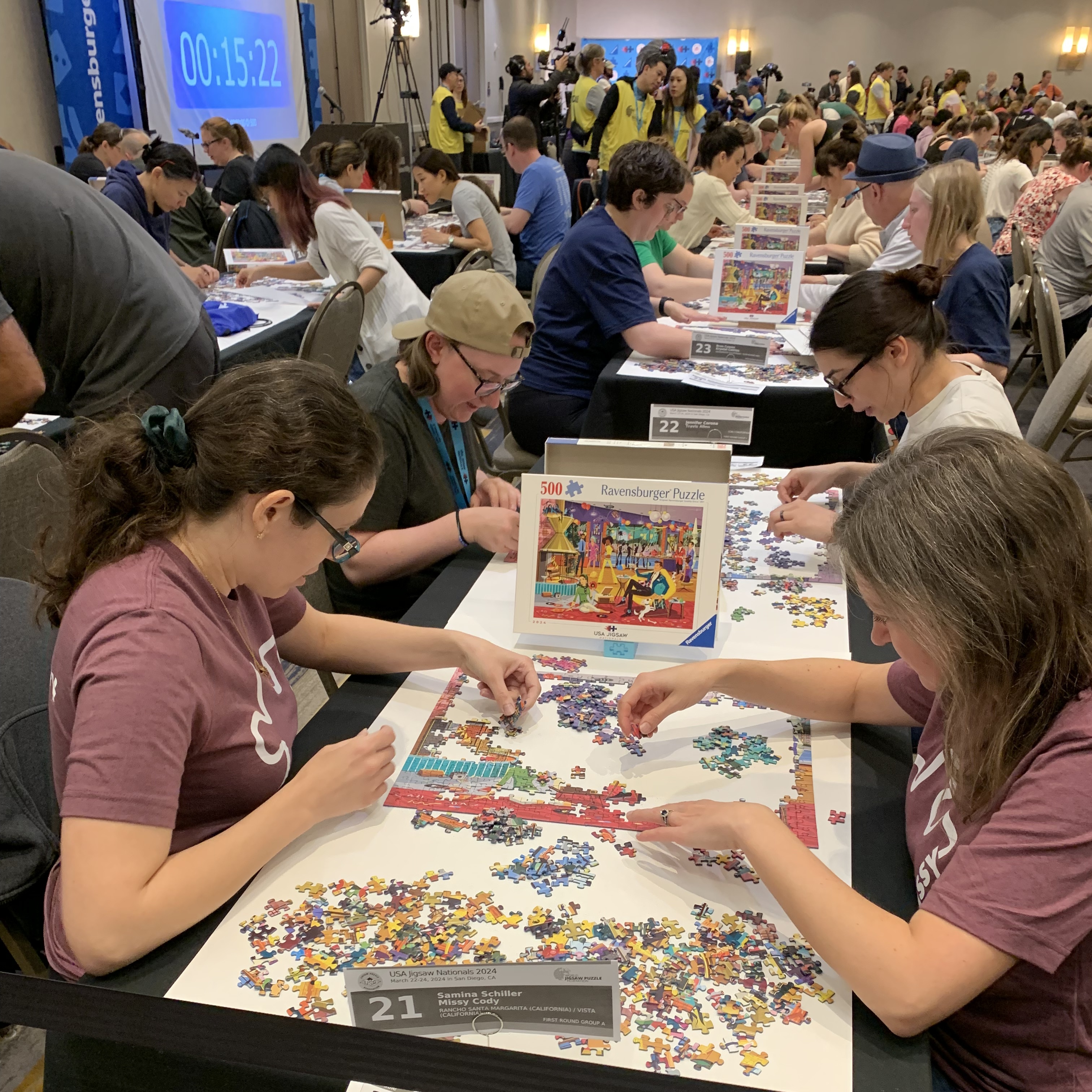
1. Optimizing Your Workspace and Strategy for Timed Jigsaw Completion
Achieving a personal best in timed jigsaw completion requires more than just sharp eyes; it demands a tactical environment that minimizes friction. Whether you are tackling professional jigsaw puzzle games or simply racing the clock, the setup of your physical space acts as the foundation for your speed.
1.1 Ergonomic Workspace Setup for Rapid Assembly
Efficiency begins with your physical environment. A cluttered or poorly lit area acts as a constant drain on your cognitive focus and physical dexterity.
1.1.1 Selecting smooth, stable surfaces to facilitate piece movement
Choose a tabletop with a smooth, non-slip surface, such as finished wood or a professional felt mat. A surface that allows you to slide pieces into position without catching prevents unnecessary hand movements and keeps your flow state intact during intense, fast-paced rounds.
1.1.2 Ideal lighting configurations to reduce glare and enhance color recognition
Even ambient lighting is insufficient for speed puzzling. Utilize a daylight-balanced LED desk lamp to minimize shadows and eliminate glare, which often obscures critical color details. Proper lighting allows for immediate object recognition jigsaw processing, enabling you to identify distinct shades and textures at a glance.
1.1.3 Organizing reachable zones to minimize physical motion during a timed session
Implement the concept of an active reach zone. Keep your most frequently used sorting trays within a comfortable arm’s length to reduce the time spent moving your torso. Efficiency is lost every time you overextend to reach a distant pile; keep your workspace compact to maintain speed.
1.2 High-Speed Sorting and Preparation Techniques
The time you invest in preparation pays dividends during the assembly phase. Speed puzzlers rarely start by picking up random pieces; they use systematic workflows to clear the board.
1.2.1 Advanced piece-flipping methods to reveal image details instantly
Learn to flip pieces in bulk using both hands simultaneously. Develop a rhythm where you sweep your fingers across a cluster of face-down pieces, flipping them all into a face-up position in one smooth, continuous motion rather than picking them up individually.
1.2.2 Categorizing by color, texture, and pattern density to streamline workflows
Sorting should be granular. Beyond basic color categories, look for unique textures or high-density patterns. Sorting by these specific visual cues helps when you transition from basic assembly to complex, multi-layered puzzle challenges that require more cognitive load.
1.2.3 Managing sorting trays to prevent bottlenecks during the initial assembly phase
Use distinct, shallow trays to keep your categorized pieces separated. Avoid deep bowls, which force you to dig for specific shapes. By maintaining organized, shallow bins, you can scan and select pieces with near-instant speed, keeping your momentum high.
1.3 Strategic Approaches to Border and Center Assembly
Deciding your assembly order is the difference between a methodical solve and a record-breaking sprint.
1.3.1 Determining when to prioritize the frame versus building from unique center motifs
While the frame is standard, don’t feel obligated to finish it entirely if a highly distinct central image draws your eye. If you encounter a complex section, you may find minimalist art jigsaw techniques helpful for focusing on shape-based connections when the imagery becomes too subtle.
1.3.2 Identifying high-contrast anchor pieces to create foundation clusters
Prioritize pieces that serve as visual anchors—those with high contrast or unique edges. By building small, high-confidence clusters, you create “islands” on the table that eventually merge into the larger assembly, which is often faster than trying to fill from the edges inward.
1.3.3 Balancing linear progress with zone-based assembly for maximum efficiency
Don’t fall into the trap of linear assembly. Divide the puzzle into zones based on color or pattern. If you get stuck in one area, immediately pivot to another zone. This keeps your mind fresh and ensures you aren’t wasting time staring at pieces that don’t fit.
2. Advanced Tactics and Training for Consistent Timed Jigsaw Completion
2.1 Professional Assembly Mechanics and Pattern Recognition
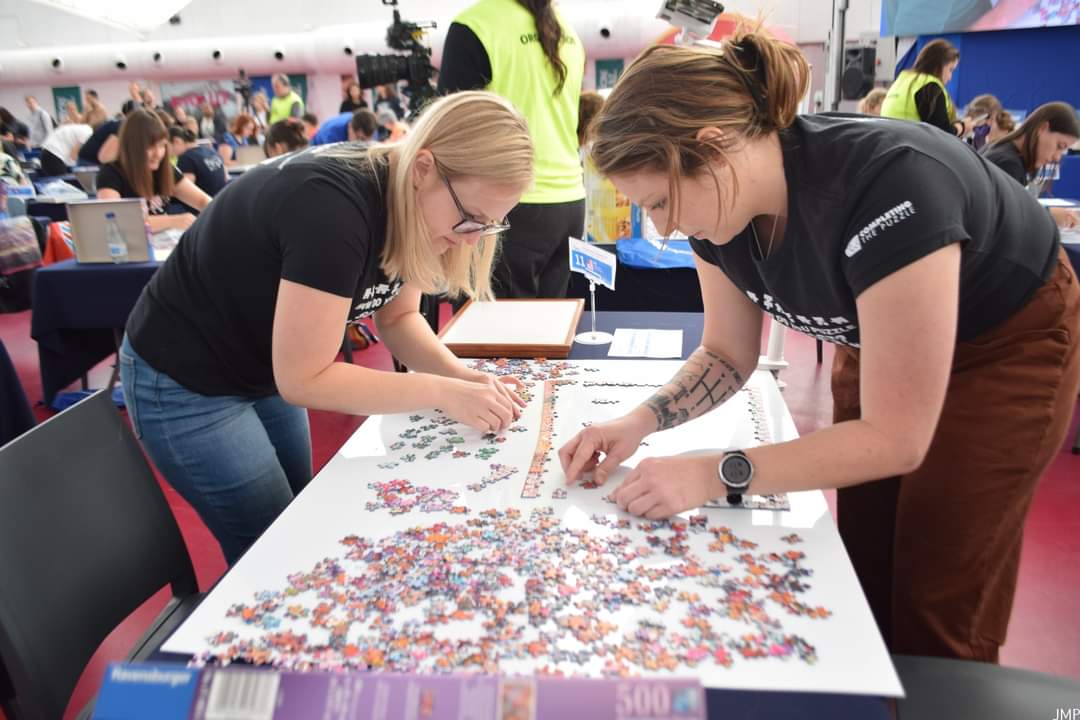
Speed puzzling is less about raw dexterity and more about refining your visual processing. To master timed jigsaw completion, you must shift your focus from individual pieces to macro-patterns. Develop a habit of visual scanning that ignores the standard “trial-and-error” method. Instead, train your eyes to identify specific color gradients and edge configurations at a glance, a technique essential for high-level object recognition jigsaw play. By grouping pieces based on their subtle textural differences or line orientations before you even pick them up, you reduce the time spent hovering over the board.
Efficiency increases significantly when you adopt dual-handed assembly. By using both hands to handle two distinct sections—or to prep pieces for different areas simultaneously—you effectively double your output. Furthermore, when color cues become ambiguous, rely on piece-shape logic. Competitive puzzlers analyze the “tabs” and “blanks” of a piece to anticipate which neighboring pieces will fit, even if the image on the surface is a solid, uniform color.
2.2 Mental Conditioning and Performance Tracking
Consistency in timed challenges is a byproduct of deliberate practice. Implement incremental training cycles where you limit the time allowed for specific sections, effectively building the muscle memory required for fluid movement. It is helpful to maintain a session log; documenting which imagery, such as complex foliage or gradients, triggers a bottleneck will allow you to focus your practice on those specific weaknesses.
Focusing under pressure is a mental skill that distinguishes casual hobbyists from competitive players. When you feel the tension of the timer, maintain a rhythmic breathing pattern to keep your fine motor skills steady. If mental fatigue sets in, perform a short “scan-only” reset to reorganize your tray. This prevents the panic-induced searching that often leads to frustration and unnecessary delays in your completion time.
2.3 Essential Equipment for Competitive Speed Puzzling
Your hardware choices directly influence your performance. Prioritize brands known for high-quality die cuts; pieces that lock firmly and have distinct, unambiguous shapes prevent “false fits” that can cost precious seconds during a frantic round. A loose or poorly cut puzzle increases the likelihood of having to backtrack, which is a major disruptor of momentum.
Lighting is equally critical. Use a daylight-balanced task lamp to eliminate glare and ensure accurate color rendering, especially when navigating multi-layered puzzle challenges where color shifts are subtle. Finally, track your progress by evaluating the impact of different piece counts. Start with smaller sets to perfect your sorting speed before scaling up to larger, more complex challenges, ensuring your technical skills keep pace with the increasing difficulty of the assembly.
Mastering timed jigsaw completion is a rewarding journey that transforms a casual pastime into an exhilarating test of cognitive agility and refined motor skills. By optimizing your physical workspace, embracing systematic sorting techniques, and sharpening your pattern recognition, you move beyond mere intuition to achieve consistent, high-speed performance. Whether you are navigating the intricate details of multi-layered puzzle challenges or simply looking to shave seconds off your personal best, remember that efficiency is the result of deliberate practice rather than raw speed alone.
As you refine your approach, keep in mind that the most effective solvers are those who remain calm under pressure, viewing every piece as a small victory rather than a source of stress. Balance these intense training sessions with more relaxing tile matching puzzles to maintain mental clarity and prevent burnout. With time, the complex imagery will become second nature, and your ability to process spatial data will reach new heights. Stay patient with your progress, track your improvements, and enjoy the satisfaction of seeing the final image come together with professional-grade precision.

Pingback: Object Recognition Jigsaw: How AI Improves Puzzle Games - GameTurn