Whether you are looking to sharpen your tactical mind or simply seeking a fun way to spend a rainy afternoon, the world of free board games is more accessible than ever. You no longer need to clear shelf space or invest in expensive tabletop titles to enjoy a high-quality gaming experience. From sophisticated digital platforms that replicate complex strategy board games to creative print-and-play kits you can assemble at home, there are endless ways to challenge your friends and family without spending a dime. In this guide, we will explore the best resources for finding high-quality tabletop entertainment online and look at how to leverage household items for your own DIY game nights. Whether you are a casual player hunting for family board games or a seasoned hobbyist exploring multiplayer tabletop games, you will discover practical tips to maximize your fun while mastering classic dice board games and beyond. If you find your digital setup needs an upgrade while navigating these platforms, check out our guide on how to troubleshoot your hardware so your gaming sessions remain seamless.
1. Exploring The World of Free Board Games: Digital Platforms and Print-and-Play Strategies
The hobby of tabletop gaming has shifted dramatically in recent years, making high-quality experiences more accessible than ever. Whether you are looking to sharpen your tactical skills with strategy board games or simply want a casual way to connect with friends, you no longer need a large budget to build a robust collection. From browser-based hubs to creative home-crafting projects, there are countless ways to enjoy premium gaming for free.
1.1 Mastering Digital Board Gaming Platforms
Digital platforms have revolutionized how we interact with tabletop titles, removing the need for physical space and expensive components. These sites offer robust matchmaking, automated rule-keeping, and extensive libraries that cater to both newcomers and veterans.
1.1.1 Leveraging Board Game Arena for Browser-Based Play
Board Game Arena (BGA) is widely considered the gold standard for browser-based gaming. It functions entirely within your web browser, meaning there is no software to install. The platform hosts a massive library ranging from light card games to heavy, complex euro-games. Because the system handles the tedious parts of gameplay, such as shuffling decks or calculating scores, players can focus entirely on their strategy board games without getting bogged down in manual upkeep.
1.1.2 Utilizing Tabletopia for 3D Tabletop Simulation
If you prefer a digital experience that mimics the tactile feel of sitting at a physical table, Tabletopia is an excellent choice. It serves as a 3D sandbox that allows you to move pieces, flip cards, and interact with game boards as you would in real life. It is a fantastic tool for those interested in multiplayer tabletop games, as it provides a realistic atmosphere that bridges the gap between digital play and physical hobbyism.
1.1.3 Playing Classic Strategy Games Like Chess and Checkers Online
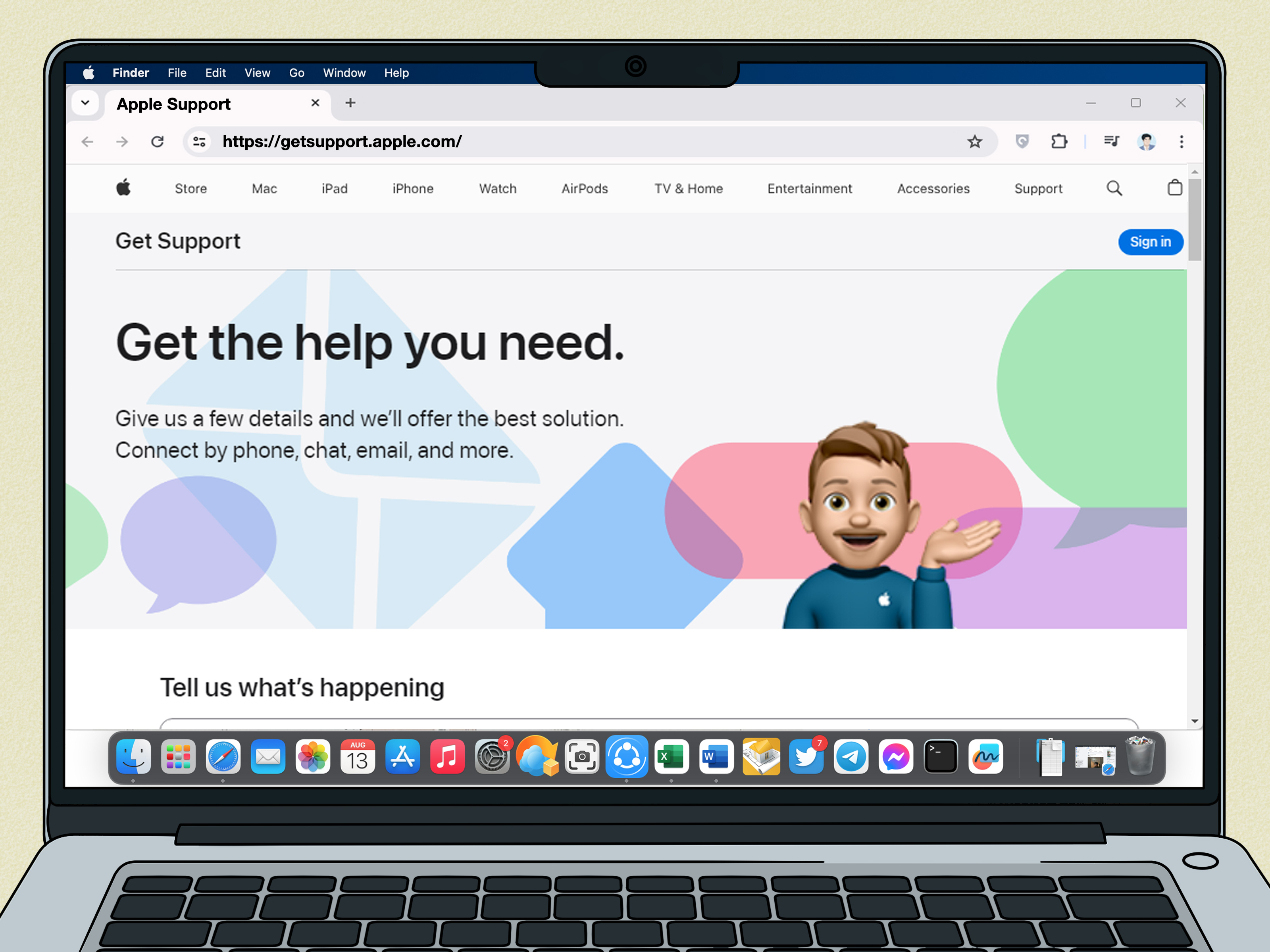
Sometimes the best experiences are the ones that have stood the test of time. Dedicated sites for classic dice board games and abstract strategy titles offer streamlined interfaces perfect for quick matches. If you are struggling with technology or need a refresher on how to troubleshoot your setup before jumping into a complex match, check out our guide on how to fix keyboard issues on a Mac to ensure your controls are responsive during intense play.
1.2 Getting Started with Print-and-Play PnP Resources
Print-and-Play (PnP) is an ingenious way to enjoy games by using your home printer. This DIY approach gives you physical components for a fraction of the cost of retail games.
1.2.1 Where to Find Legal Free Game Files Online
Many publishers and independent designers offer free, legal PDF downloads of their titles. Websites like BoardGameGeek host massive directories of community-made and official PnP files. Look for “PnP” tags in search filters to find games specifically designed for at-home assembly.
1.2.2 Necessary Tools for Crafting Professional Quality Paper Games
To move beyond flimsy sheets of paper, invest in a few basic crafting essentials. A sharp hobby knife, a self-healing cutting mat, and a metal ruler are vital for precise edges. Using a higher weight cardstock will make your game components feel significantly more durable and professional.
1.2.3 Best Practices for Cutting Mounting and Laminating Components
For a truly professional finish, mounting your printed sheets onto thicker cardboard—such as repurposed cereal boxes—adds weight and stability. If you plan to play the game frequently, a thermal laminator is a worthwhile investment; it protects your cards from spills and wear, ensuring your DIY family board games stand the test of time.
2. Maximizing Engagement with DIY Games and Community Swaps
You do not always need a store-bought box to enjoy high-quality entertainment. Sometimes, the most memorable tabletop sessions come from games you assemble yourself or repurpose using items already found around your house. By embracing a DIY approach, you can create engaging experiences that feel personal and unique.
2.1 Utilizing Household Items for Analog Gaming
Before purchasing new gear, look at what you already own. Many classic dice board games and abstract challenges can be replicated with common household objects, making gaming accessible on any budget.
2.1.1 Creative Ways to Use Standard Decks of Cards
A standard deck of 52 cards is the ultimate multi-tool. Beyond traditional games like Rummy or Poker, you can use cards to generate random board layouts, track player health, or even serve as movement tiles in original strategy board games. Consider searching for “card-driven” game rulebooks online, which often allow you to use a standard deck to simulate complex mechanics like troop movement or resource management.
2.1.2 Scavenging Buttons, Coins, and Dice as Game Tokens
If you are trying out a new print-and-play game, you rarely need expensive miniatures. Buttons, coins, bottle caps, and even dry pasta shapes make excellent placeholders. If you find yourself in need of randomized movement, keep a few spare dice in a junk drawer. If your keyboard is giving you trouble while you search for printable templates, you might want to look into tips for fixing tech issues so you can get back to printing your components quickly.
2.1.3 Designing Original Mechanics Using Common Office Supplies
Get creative with office supplies to build your own custom boards. Use sticky notes to mark grid spaces on a tabletop, or use paperclips and rubber bands to create primitive “flick” mechanics for dexterity games. Designing your own rules is part of the fun, and using common items lowers the stakes, allowing you to iterate on your game mechanics without needing to manufacture professional components.
2.2 Fostering Community Through Shared Gaming Experiences
Board gaming is inherently social, and the best way to keep your hobby free is by sharing resources with others. Building a community around your gaming interests ensures you always have a fresh rotation of titles to play.
2.2.1 How to Organize a Local Neighborhood Game Library Swap
Start a “take one, leave one” system in your apartment building or neighborhood. Use a designated shelf or a simple wooden crate to house games people are finished with. This encourages the circulation of family board games and allows you to try new titles without spending a dime.
2.2.2 Hosting Successful Virtual Game Nights with Remote Friends
When you cannot meet in person, transition your multiplayer tabletop games to a virtual space. Many players find success using video conferencing tools paired with digital cameras pointed at their physical boards, or by using collaborative whiteboard apps to track player positions in real-time. The key is clear communication and maintaining a relaxed, fun atmosphere.
2.2.3 Balancing DIY Games for Optimal Replayability and Fun
The secret to a great homemade game is balance. After your first few test rounds, ask your players what felt unfair or too easy. Adjusting the rules—such as limiting the number of turns or changing how resources are distributed—will help refine your game. The goal is to create a loop where players feel challenged but consistently entertained.
Exploring the world of free board games is a fantastic way to enjoy endless hours of entertainment without spending a dime. Whether you are diving into sophisticated digital platforms that offer complex strategy board games or crafting your own family board games at home using simple household items, the barrier to entry has never been lower. By embracing both modern multiplayer tabletop games and classic dice board games, you can cultivate a rich, social hobby that evolves with your personal preferences.
The beauty of tabletop gaming lies in the connections it fosters, whether those interactions happen across a physical table or through a screen. As you experiment with print-and-play files or organize your own community game swaps, remember that the goal is simply to have fun and challenge your mind. If you find yourself enjoying the technical side of gaming, you might even consider exploring resources for troubleshooting your gear, like these quick fixes for Mac keyboard issues, to ensure your digital sessions run smoothly. Grab some friends, gather your supplies, and start your next great tabletop adventure today.