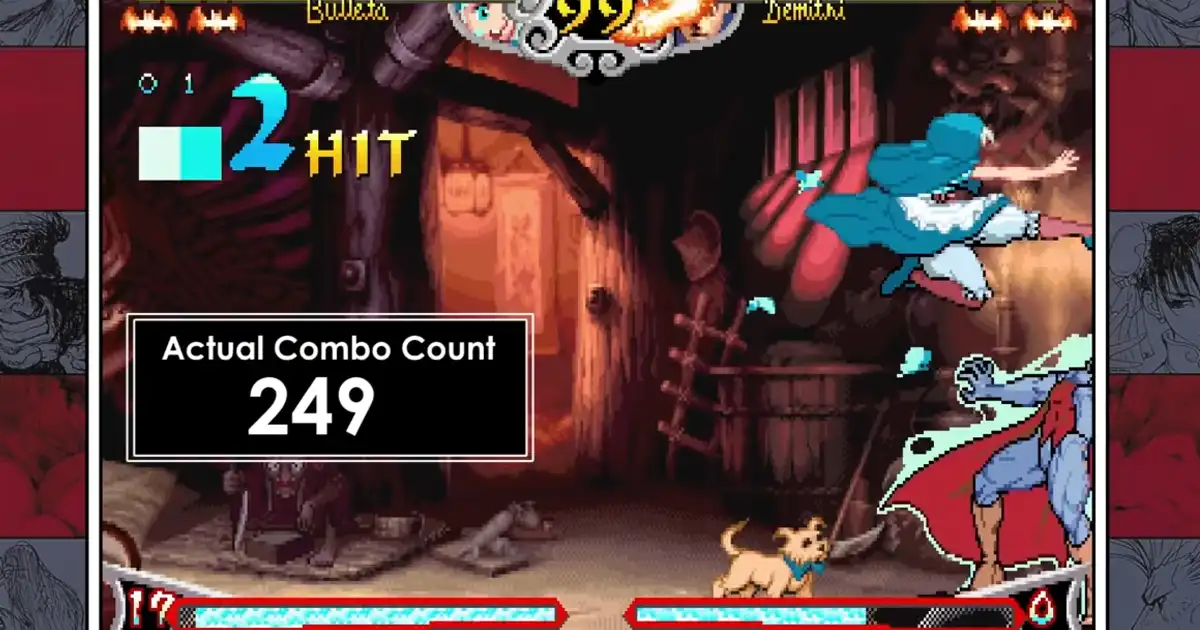
Stepping into the world of street brawler simulations requires more than just button-mashing reflexes; it demands a deep understanding of rhythm, spacing, and tactical decision-making. Whether you are navigating intense 1v1 duels or managing overwhelming odds in crowded arenas, the difference between success and defeat often lies in your grasp of the game’s underlying physics and mechanical complexity. These titles are designed to challenge your mental processing speed as much as your hand-eye coordination, offering a high-stakes environment where every frame counts.
In this guide, we will break down the essential components of competitive play, from mastering precise input timing to decoding complex AI behavior. You will learn how to transition from basic movements to advanced combo sequence battle games tactics that allow you to dominate any opponent. By focusing on skill-based combat mastery and strategic resource management, you will gain the edge needed to conquer difficult boss encounters and climb the global leaderboards with confidence and technical precision.
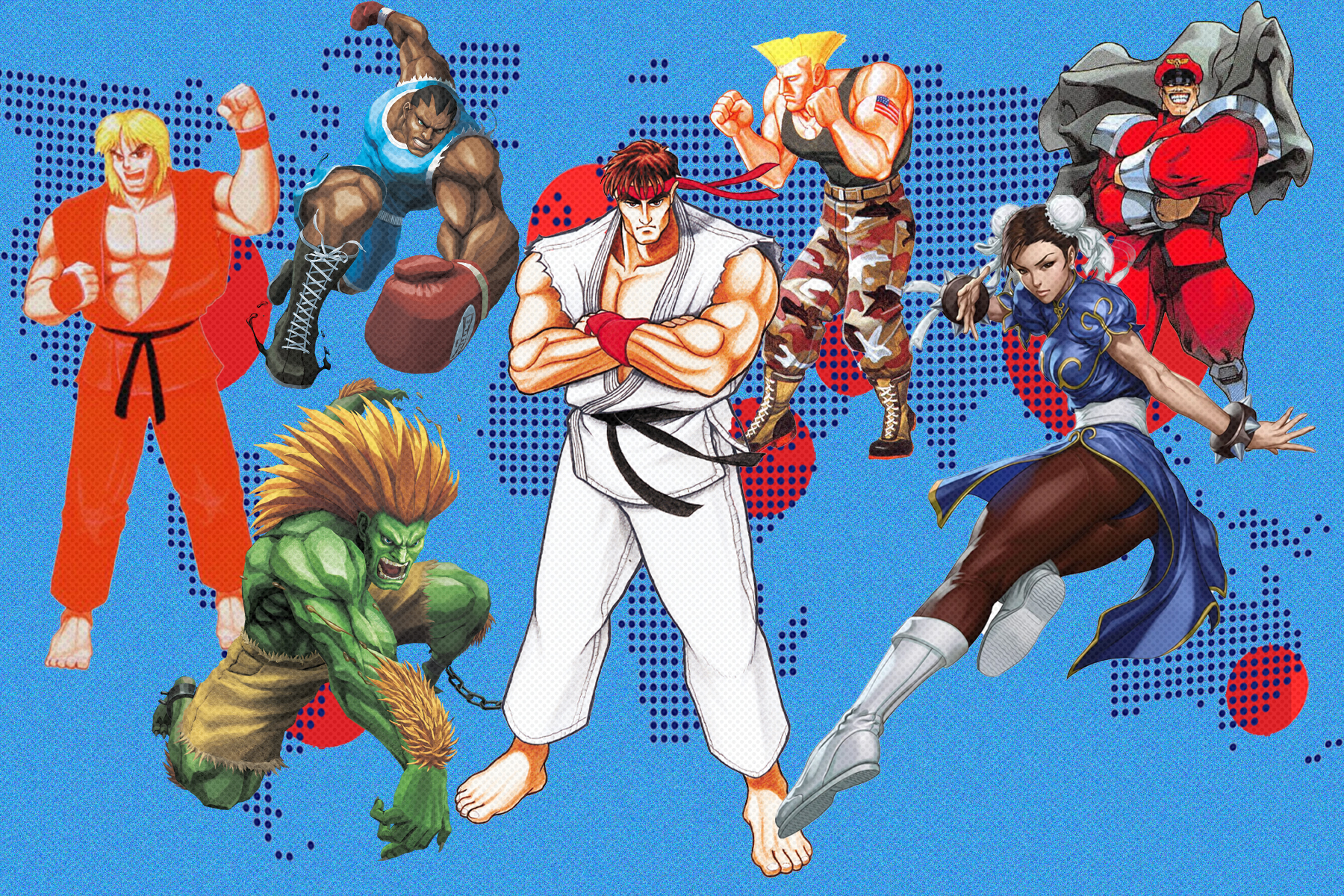
1. Mastering Combat Mechanics in Street Brawler Simulations

1.1 The Architecture of Movement and Input Systems
1.1.1 Button Economy and Input Buffering
Efficient combat begins with mastering button economy, which is the practice of minimizing unnecessary inputs to maximize character responsiveness. In street brawler simulations, every action has a cost. By learning to execute commands with precise, singular movements rather than panicked button-mashing, you reduce the risk of accidental input errors. Sophisticated titles often include input buffering, a system that stores your next command during the animation of a current move. Understanding this window is vital for fluidity; if you press an attack button just before your character recovers from a previous strike, the game queues that action to trigger the exact moment the character becomes actionable again.
1.1.2 Understanding Frame Data and Startup Recovery
To achieve true skill based combat mastery, you must respect the underlying frame data. Every punch, kick, or grab is composed of three phases: startup, active, and recovery frames. Startup is the delay before the hit box appears, while recovery is the vulnerability window after the animation ends. Recognizing which moves have faster startup times allows you to interrupt opponent attacks before they land. Conversely, identifying moves with long recovery periods provides the opening you need to punish an aggressive AI. Balancing these timing windows transforms your gameplay from chaotic button-pressing into a disciplined, reactive strategy.
1.2 Fundamental Defensive and Offensive Strategies
1.2.1 Mastering Zoning and Screen Control
Zoning is the tactical art of controlling the space between you and your opponent to dictate the flow of battle. By using long-range pokes or projectile-style attacks, you force your enemy to approach on your terms. Effective screen control prevents you from being cornered, which is the most dangerous position in any brawl. Keeping the opponent at your preferred distance ensures you can utilize your character’s strengths—whether they excel at mid-range poking or close-quarters pressure—while keeping the enemy out of their own optimal combat zone.
1.2.2 Optimal Use of the Block and Parry Mechanics
Defense is often more important than offense in high-level play. While holding the block button provides a safety net, it often makes you a stationary target. Advanced players move beyond simple blocking to master the parry or “just-frame” defense. Parrying at the precise moment of an incoming strike often grants you a brief window of frame advantage, allowing you to transition instantly from defense to a crushing counter-attack. For those looking to refine these timing skills, our guide on mastering combo sequence battle games provides deeper insights into linking these defensive transitions into your overall flow.
1.3 Execution and Combo Theory
1.3.1 Hit Stun Dynamics and Animation Canceling
Combo theory relies on the concept of hit stun—the duration during which an opponent is unable to act after being struck. When you land a hit, you have a limited window to initiate the next attack. Animation canceling is the secret to extending these sequences; it involves inputting a new command to override the end of a current animation, allowing you to bypass recovery frames and restart the strike cycle instantly. This creates continuous pressure that prevents the AI from regaining its footing.
1.3.2 Resource Management for Special Meter Attacks
Most simulations feature a resource or “super” meter that builds as you land or receive hits. Managing this resource is about choosing the optimal time to unleash high-damage special moves. Using your meter too early on a minor enemy can leave you vulnerable during a difficult boss fight combat training encounter. Instead, reserve your meter for situations where it can secure a “wall splat” or finish a combo that would otherwise leave the opponent standing.
1.3.3 Environmental Interaction and Wall Splat Optimization
Advanced combat isn’t just about your character’s moveset; it is about the arena itself. Pushing an opponent into a wall creates a “wall splat,” where they remain stunned against the boundary for an extended duration. This is the prime opportunity to utilize grappling and wrestling tactics to maximize damage output. Positioning your opponent to exploit environmental hazards or boundaries is often the difference between a standard victory and a professional-grade takedown.
2. Advanced Tactical Mastery for Street Brawler Simulations
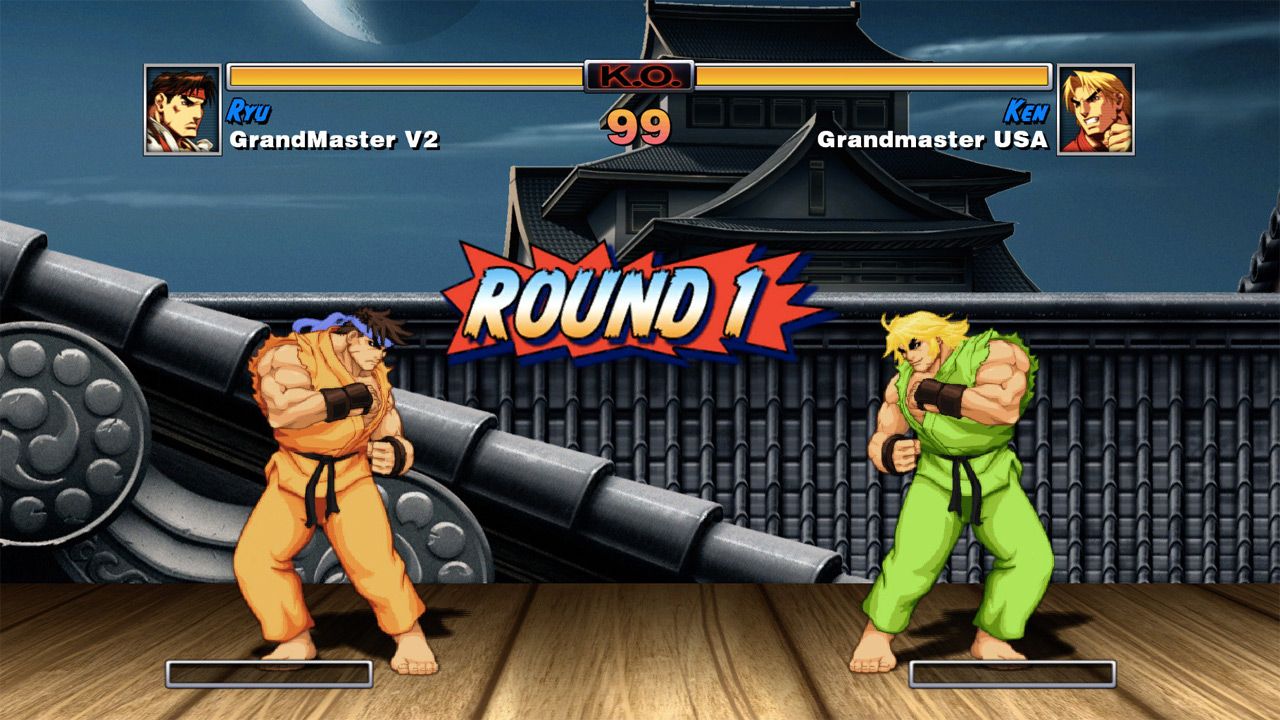
Reaching the peak of performance in street brawler simulations requires moving beyond simple button-mashing to a sophisticated understanding of game dynamics. True mastery involves treating the screen not just as a visual representation, but as a field of data that you can manipulate to your advantage.
2.1 Decoding Enemy Behavior and Pattern Recognition
Every high-level opponent in a brawler follows specific logic pathways. To achieve true skill based combat mastery, you must learn to detach from the visual spectacle and focus on the underlying rhythm of the AI. By observing how enemies transition between neutral states and aggressive attacks, you can predict their next move before the animation even begins.
2.1.1 Reading Telegraphs and Animation Wind-ups
Most advanced combat simulations provide subtle visual cues—a slight shift in stance, a specific shoulder movement, or a flash of light—that signal an incoming strike. Developing the focus to catch these frames allows you to react with a counter-move rather than a panic-based block. Practicing this requires calm observation, much like the focus developed in top memory concentration builders, where isolating individual elements from a busy screen becomes second nature.
2.1.2 Prioritizing Targets in Crowd Control Scenarios
When outnumbered, your tactical priority must shift toward threat mitigation. Always identify the units capable of interrupting your combos or dealing high-damage ranged attacks. Neutralize these high-priority threats first using quick repositioning, saving the bulkier, slower enemies for when you have more space to maneuver.
2.2 Scaling Difficulty and Professional Play
Transitioning from a casual player to a competitive one involves a shift in mindset. It is no longer about winning the fight; it is about winning the fight with maximum efficiency.
2.2.1 Adjusting Strategy for Boss Encounter Mechanics
Successful boss fight combat training relies on identifying phase changes. Bosses often telegraph their most dangerous attacks when their health drops to specific thresholds. Watch for environmental shifts or changes in the boss’s movement speed, which act as indicators for incoming, unblockable attacks.
2.2.2 Improving Reaction Time and Visual Processing
Refining your reaction time is about reducing the distance between sight and input. This involves visual “chunking,” where you group enemy patterns into sets rather than viewing them as individual events. Regular, short practice sessions are often more effective for sharpening these reflexes than long, fatigued gaming marathons.
2.2.3 Utilizing Replay Analysis for Performance Gains
Reviewing your own gameplay is the most objective way to identify leaks in your strategy. Look for moments where you took unnecessary damage and ask if a different positioning choice or a tighter combo sequence battle game maneuver could have prevented the hit. Analyzing why you failed a sequence is often more valuable than replaying the entire match.
2.3 Essential Training Drills for Competitive Play
Consistency is the hallmark of a veteran player. Developing the physical and mental stamina to perform under pressure requires dedicated, repetitive training.
2.3.1 The Deliberate Practice Loop for Combo Consistency
Do not simply fight; train. Pick one specific combo and execute it against a training dummy until you can perform it ten times in a row without a single error. Once mastered, introduce movement, forcing yourself to perform the sequence while repositioning, which mimics the chaos of a real street brawl.
2.3.2 Minimizing Input Latency Through Muscle Memory
Input latency is often a product of the human element, not just the controller. By repeatedly drilling the same inputs, you transition the movement from conscious thought to instinct. This reduces the time between identifying an opening and executing a counter, giving you a massive tactical advantage during frame-perfect scenarios.
Mastering street brawler simulations is a journey that transforms you from a casual button-masher into a tactical powerhouse. Throughout this guide, we have explored the essential building blocks of high-level play, from understanding the nuances of frame data and input buffering to perfecting your execution of complex combo chains. By shifting your focus toward deliberate practice and pattern recognition, you move beyond mere reaction and begin to dictate the flow of every encounter. Whether you are navigating dense crowds or perfecting your approach for demanding boss fight combat training, the key to success lies in consistency and calculated decision-making.
As you apply these strategies, remember that true skill-based combat mastery is developed over time. Don’t be discouraged by initial setbacks; even the most seasoned players rely on replay analysis to identify gaps in their defense and refine their offensive efficiency. If you find yourself struggling to maintain momentum, revisiting the basics of your combat style can often provide the clarity needed for a breakthrough. For those looking to further sharpen their timing and tactical approach, you can explore more techniques in our Mastering Combo Sequence Battle Games: Tips & Strategies guide. Keep training, stay observant, and continue pushing the limits of your performance in every simulation.