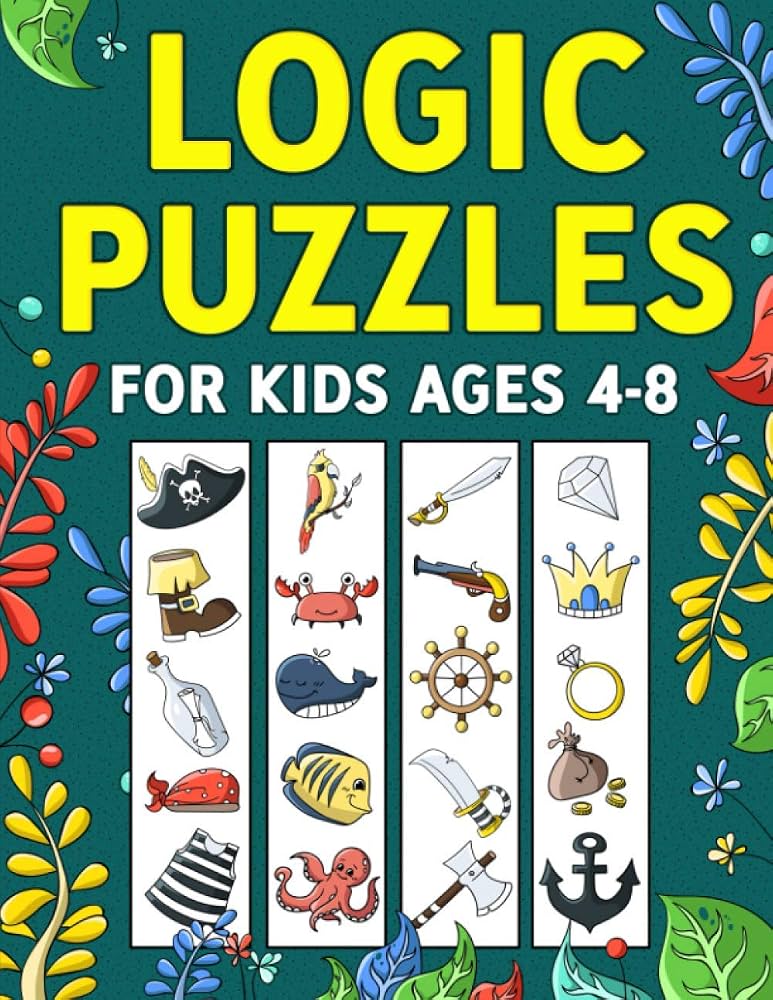
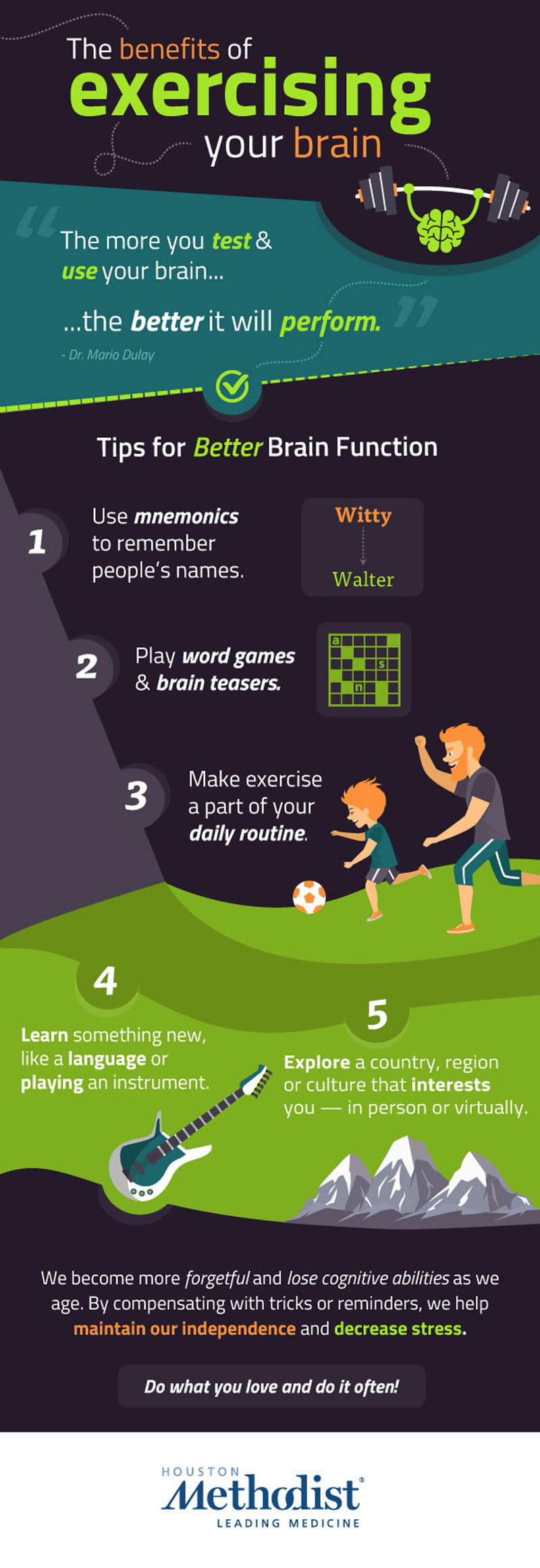
In an age where screen time is often viewed with skepticism, parents and educators are discovering that purposeful digital engagement can be a powerful engine for cognitive growth. Problem solving educational quests offer a transformative approach to learning, turning abstract challenges into immersive, goal-oriented adventures. Rather than simply memorizing facts, children learn to navigate complex scenarios that mirror real-world decision-making. By integrating these gamified experiences into a child’s routine, we can foster essential life skills such as critical thinking, patience, and adaptability. In this guide, we will explore the pedagogy behind these activities and provide actionable strategies to help your child flourish through play. Whether you are looking to sharpen their focus with top memory concentration builders or encourage logical reasoning through interactive missions, you will find everything you need to turn everyday challenges into rewarding opportunities for intellectual development and personal discovery.
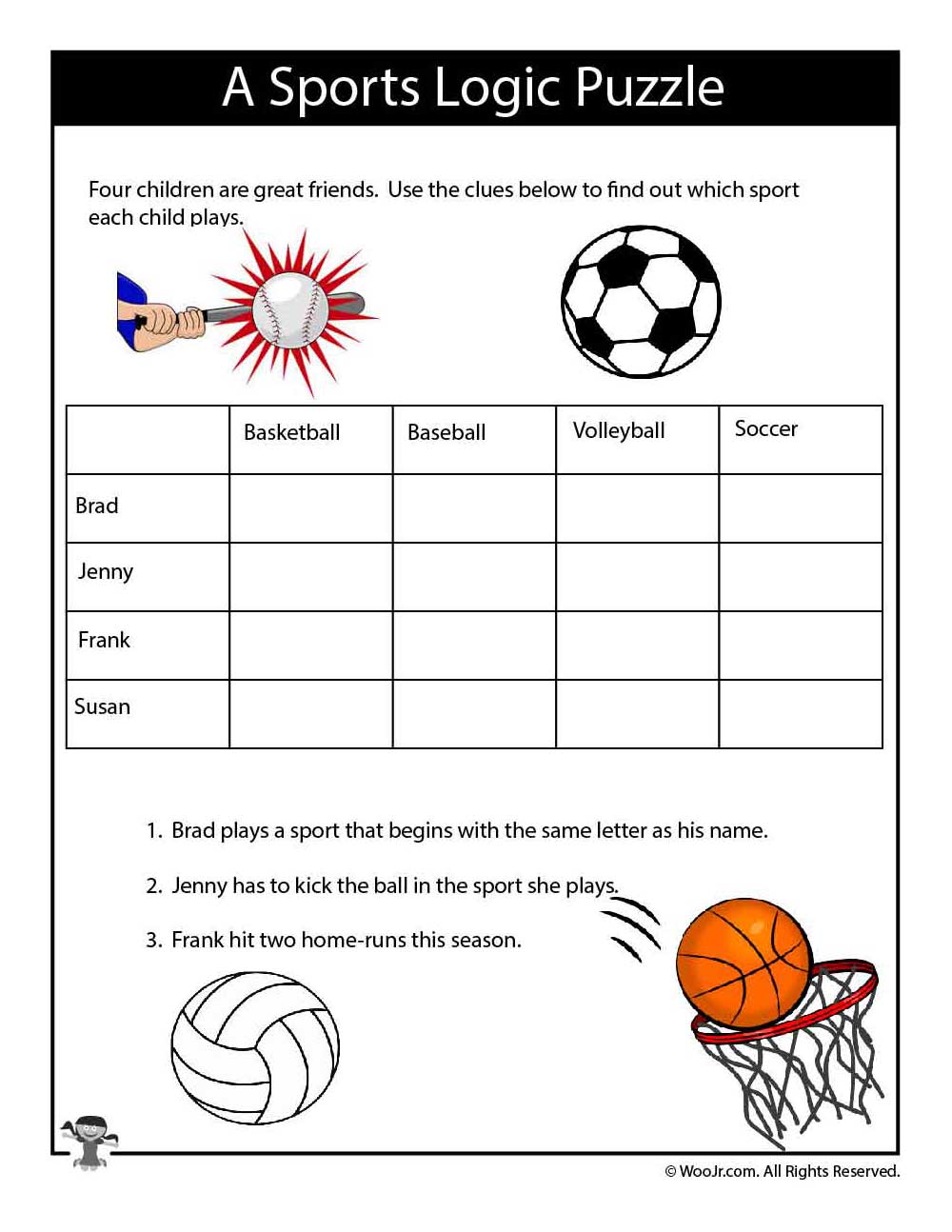
1. Understanding the Pedagogy Behind Problem Solving Educational Quests
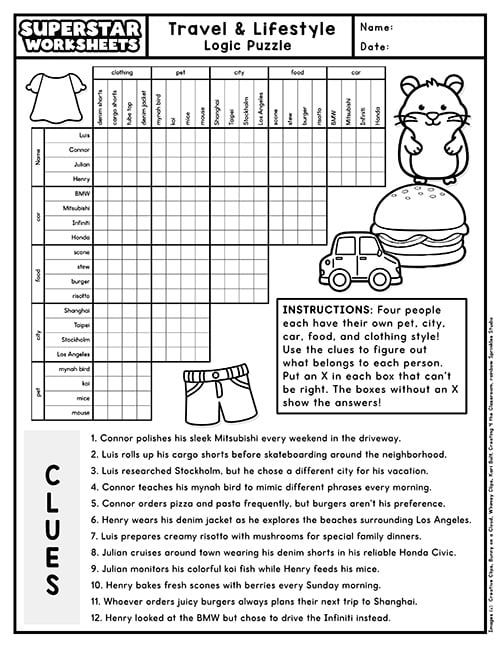
1.1 The Cognitive Science of Gamified Learning
1.1.1 Neural pathways and the role of dopamine in persistence
When children engage in problem solving educational quests, their brains treat challenges as exciting opportunities rather than stressors. This shift is largely driven by dopamine, a neurotransmitter that rewards the brain for achieving milestones. In a well-structured quest, each solved puzzle triggers a small dopamine release, which reinforces the neural pathways associated with persistence. This biological feedback loop encourages children to keep trying even when a task proves difficult, effectively training their brains to value the process of discovery over the immediate gratification of a finished result.
1.1.2 How active play enhances executive function development
Active, quest-based learning requires more than just rote memorization; it demands high-level executive function. As children navigate complex narratives and hidden obstacles, they are practicing cognitive flexibility, impulse control, and working memory. These games serve as essential memory concentration builders, requiring children to store information while simultaneously formulating a plan of action. By balancing multiple variables in a virtual or physical space, children learn to manage their cognitive resources, a skill that translates directly to academic performance and real-world organization.
1.1.3 Moving from passive consumption to active critical thinking
Moving away from passive screen time or standard textbook learning, educational quests shift the child into the role of the protagonist. This transition is critical for developing critical thinking. Instead of receiving information, the child must synthesize it to overcome an in-game barrier. This active participation forces them to analyze relationships, predict consequences, and evaluate different potential solutions, fostering an inquisitive mindset that questions “why” rather than just accepting “what.”
1.2 Establishing the Foundations of a Growth Mindset
1.2.1 Redefining failure as a data gathering step
A core tenet of effective pedagogical quests is the normalization of the “failed” attempt. In these environments, an incorrect solution is not seen as a mistake but as vital data. Children learn to view failure as a neutral indicator of what did not work, allowing them to iterate and adjust their strategy. This shift in perspective is the cornerstone of a growth mindset, removing the anxiety associated with errors and replacing it with scientific curiosity.
1.2.2 Building resilience through iterative trial and error
Resilience is a muscle, and logic reasoning training provides the weight for building it. When a quest becomes difficult, children are encouraged to test hypotheses repeatedly. Through this iterative process, they learn that mastery is the result of sustained effort. By encountering and overcoming escalating challenges, children build the emotional stability required to remain calm under pressure, eventually internalizing the idea that success is a byproduct of persistence.
1.2.3 Developing long term focus and patience in children
Modern attention spans are frequently interrupted by rapid-fire digital stimuli, but quests often require long-term planning to reach a goal. By design, these activities teach children how to delay gratification for a larger, more rewarding outcome. Whether they are decoding a complex riddle or building a mechanical contraption, the necessity of patience becomes clear. This structure helps students develop the capacity for deep work, allowing them to sustain attention over extended periods to achieve complex goals.
1.3 Structuring the Quest Environment for Maximum Engagement
1.3.1 Creating a safe space for curiosity and risk taking
The most successful learning environments are those where the psychological cost of failure is zero. By creating a sandbox or a structured quest narrative, parents and educators provide a “safe failure zone.” In this space, the child feels empowered to take intellectual risks, such as testing an unconventional theory, without the fear of negative judgment. This freedom is essential for creative problem-solving.
1.3.2 Scaffolding difficulty to avoid the zone of frustration
The “Zone of Proximal Development” is the sweet spot where tasks are challenging enough to be engaging but not so hard that they provoke hopelessness. Effective quest design uses scaffolding to slowly increase the complexity of tasks. By providing small, manageable clues or hints, you can keep the child within their learning zone, preventing the frustration that leads to disengagement while ensuring they are always being pushed to grow.
1.3.3 Balancing parental guidance with autonomous child exploration
The role of the adult in quest-based learning is that of a facilitator, not an instructor. It is tempting to jump in and solve the puzzle for the child to speed up the process, but this robs them of the cognitive reward. Instead, use Socratic questioning—such as “What do you think would happen if we tried this?”—to guide them toward the solution. Maintaining this balance ensures the child remains the primary owner of their discovery process, which builds both confidence and genuine problem-solving ability.
2. Practical Application and Age Based Problem Solving Educational Quests
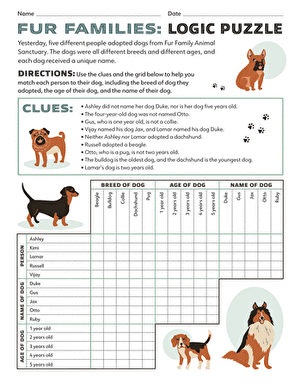
2.1 Designing Developmental Quests for Primary and Middle Grades
2.1.1 Foundational logic games for ages four to seven
At this early stage, quests should focus on tactile, visual, and narrative-driven experiences. Children in this age group thrive when they can see the physical impact of their choices. Use simple treasure hunts where they must solve basic pattern-matching puzzles or classify items to unlock the next clue. These activities serve as excellent memory concentration builders, helping children learn to hold multiple pieces of information in their minds as they move from one room to the next.
2.1.2 Collaborative projects for ages eight to eleven
As kids transition into middle grades, shift the focus toward social interaction and division of labor. Design missions that require different roles—such as a “navigator,” a “recorder,” and a “builder”—to encourage communication. Whether they are constructing a complex cardboard fortress or solving a series of riddles to “unlock” a backyard secret, the goal is to practice logic reasoning training in a group setting. This stage is crucial for teaching children how to negotiate, delegate tasks, and combine individual ideas into a singular successful outcome.
2.1.3 Complex systems thinking for ages twelve and up
For pre-teens and teenagers, quests should evolve into multi-layered scenarios where decisions have long-term consequences. Introduce “branching paths” where selecting one solution closes off another, forcing the student to weigh variables and consider trade-offs. This is the ideal time to incorporate digital tools or intricate logic puzzles that mirror real-world systems, such as budget management or supply chain logistics, helping them see the broader picture behind every challenge.
2.2 Integrating Daily Life with Educational Missions
2.2.1 Transforming mundane chores into decision making tasks
Chores don’t have to be mindless. By gamifying them, you turn repetitive tasks into problem solving educational quests. Instead of asking a child to clean the kitchen, frame it as a “Resource Optimization Mission” where they must determine the most efficient way to clear the table or organize the pantry. By asking them to devise their own systems for speed and tidiness, you encourage them to think critically about efficiency.
2.2.2 Converting real world home hiccups into puzzle solving opportunities
When things break or plans go awry, resist the urge to provide immediate solutions. Use these moments to facilitate a quest. For instance, if a faucet is dripping or a toy needs a minor repair, present it as a “Systems Investigation.” Guide your child through the process of hypothesis, trial, and testing. This approach validates that problems are not failures but puzzles that require investigation, research, and careful execution.
2.2.3 Empowering children to design their own educational challenges
True mastery comes when the child becomes the architect of the quest. Periodically hand over the reins and allow them to curate a challenge for you or their siblings. This exercise requires them to understand the mechanics of problem-solving from a higher level, as they must ensure their puzzle is fair, logical, and solvable. This creates a loop of design thinking that solidifies their own cognitive development.
2.3 Evaluating Growth Beyond the Final Solution
2.3.1 Using reflective questioning to solidify cognitive gains
The debrief is more important than the success of the quest itself. After a challenge, sit down and ask open-ended questions like, “What part of this was the most confusing?” or “How did you feel when that first idea didn’t work?” These reflections help children build metacognition—the ability to think about their own thinking—which is essential for lifelong learning.
2.3.2 Assessing improvements in logic and frustration tolerance
Observe how your child handles roadblocks. Does their frustration peak and lead to quitting, or do they pause and look for a new angle? Use your observations to identify areas where they may need more scaffolding. Celebrate moments where they demonstrate patience and persistence, as these are clear indicators that their logic reasoning training is bearing fruit.
2.3.3 Recognizing and celebrating the process over the outcome
Always prioritize the “how” over the “what.” Did they ask thoughtful questions? Did they support their teammates? Did they remain calm under pressure? By providing praise for their effort and unique problem-solving strategies rather than just the final result, you build a resilient mindset that views challenges as opportunities for growth rather than tests of their intelligence.
2.4 Frequently Asked Questions
2.4.1 Strategies for supporting children who struggle with frustration
When a child feels overwhelmed, step in not to solve the problem, but to provide a “hint card.” Suggest a break, or ask them to explain their current process out loud, which often helps them find the gap in their logic on their own. Remind them that every great innovator encountered hundreds of “failed” attempts before finding the right path.
2.4.2 Adapting quest structures for solo play versus group dynamics
Solo quests should focus on self-reliance and deep focus, while group quests must emphasize communication protocols. If playing solo, ensure the quest is manageable but challenging enough to maintain flow. For groups, introduce a “mandatory briefing” phase where they must collectively plan their strategy before taking action, ensuring every participant has a clear purpose.
2.4.3 Utilizing low cost household materials for DIY quest kits
You do not need expensive equipment to build effective quests. Use simple items like sticky notes for clues, kitchen timers for “pressure tests,” and household junk like boxes or string for obstacle courses. A deck of cards, a map drawn on a paper bag, and a few household riddles can provide hours of brain training that is far more engaging and effective than passive screen time.
By incorporating problem solving educational quests into a child’s daily routine, you are doing far more than just providing entertainment; you are actively equipping them with the tools needed to navigate an increasingly complex world. From fostering a resilient growth mindset to sharpening essential cognitive functions, these quests transform potential frustration into moments of genuine discovery. Whether through structured logic puzzles or by turning everyday household challenges into exciting missions, the focus should always remain on the journey of learning rather than the final destination.
As you begin designing these experiences, remember that your role as a facilitator is to guide, support, and—most importantly—celebrate the process of inquiry. By nurturing their curiosity today, you are helping your child build a foundation of logical reasoning and perseverance that will serve them well beyond their school years. If you are looking for ways to further enhance your child’s cognitive development, exploring various memory concentration builders can be an excellent next step. Start small, stay playful, and watch as your child grows into a more confident and capable problem solver, one quest at a time.